
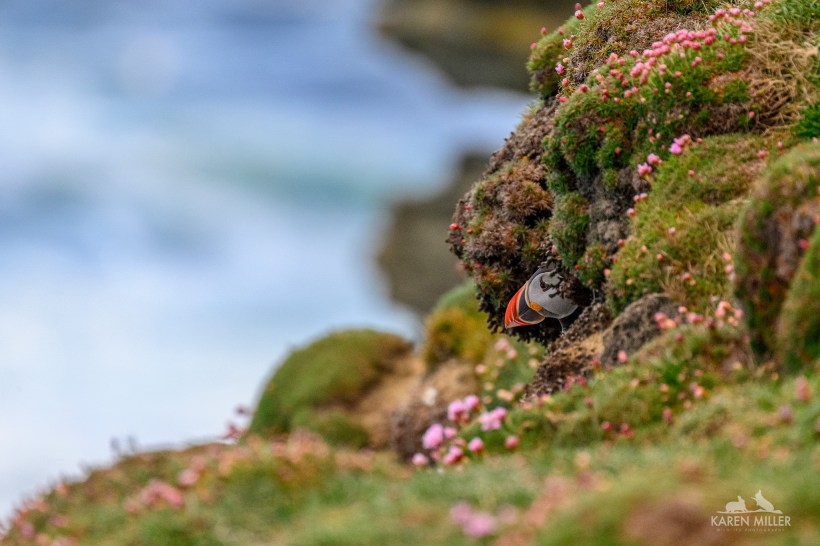
In July 2025 I visited the Orkney Islands for the first time, taking advantage of the spare room in my parents’ holiday cottage on Orkney Mainland. It was a fabulous couple of weeks with warm, sunny weather and little in the way of wind! The majority of the Orkney Islands are very unlike Inverness-shire where I live – with the exception of Hoy, it’s quite flat with back-to-back fields holding cattle, sheep and crops to feed the livestock over the winter months. Of course there are also numerous cliffs where seabirds can be found nesting throughout the late spring and summer. Known best for it’s archaeology and connections with the two World Wars, it is also a fantastic place for wildlife. Never before had I seen so many curlew, lapwing, oystercatchers, fulmar, starlings… just to name a few. Many of these species are now threatened in other parts of the UK so this was heartening (not to mention that the call of the curlew is my favourite of all). Here there are no grouse moors or shooting estates so hen harriers and short-eared owls do well, and there are also other birds of prey such as peregrine falcon and even a small number of white-tailed eagles and osprey. Great and Arctic Skua numbers have crashed since bird flu causing huge numbers of casualties, but both can still be seen, as can gannets, puffins, guillemots (common and black), kittiwakes, razorbills and terns (little, arctic and sandwich). And, for a mammal lover like me, it was a delight to see brown hares and rabbits in many of the fields and coastal areas.
Warning! This is going to be a long blog – but it will be mostly images!
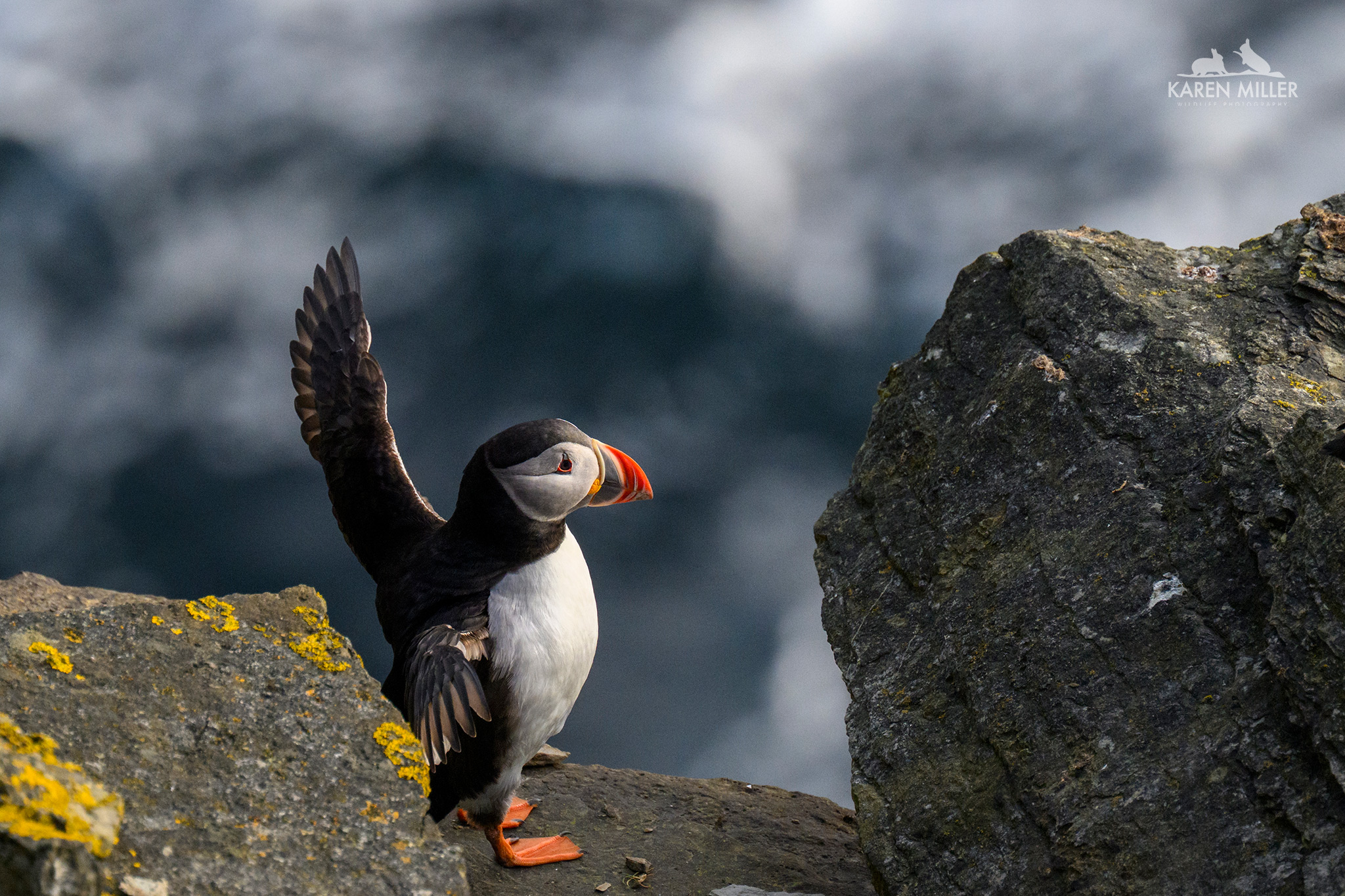
The seabirds all nested early in 2025 due to the unusually warm and dry conditions. So by the time I arrived the breeding season had past its peak, however there were still plenty of birds to see, and, yes, I did focus on the puffins! For the first time I was able to photograph them at sunset on Westray which was fantastic and also saw them at a couple of locations on the mainland. I added a guillemot image in here too.
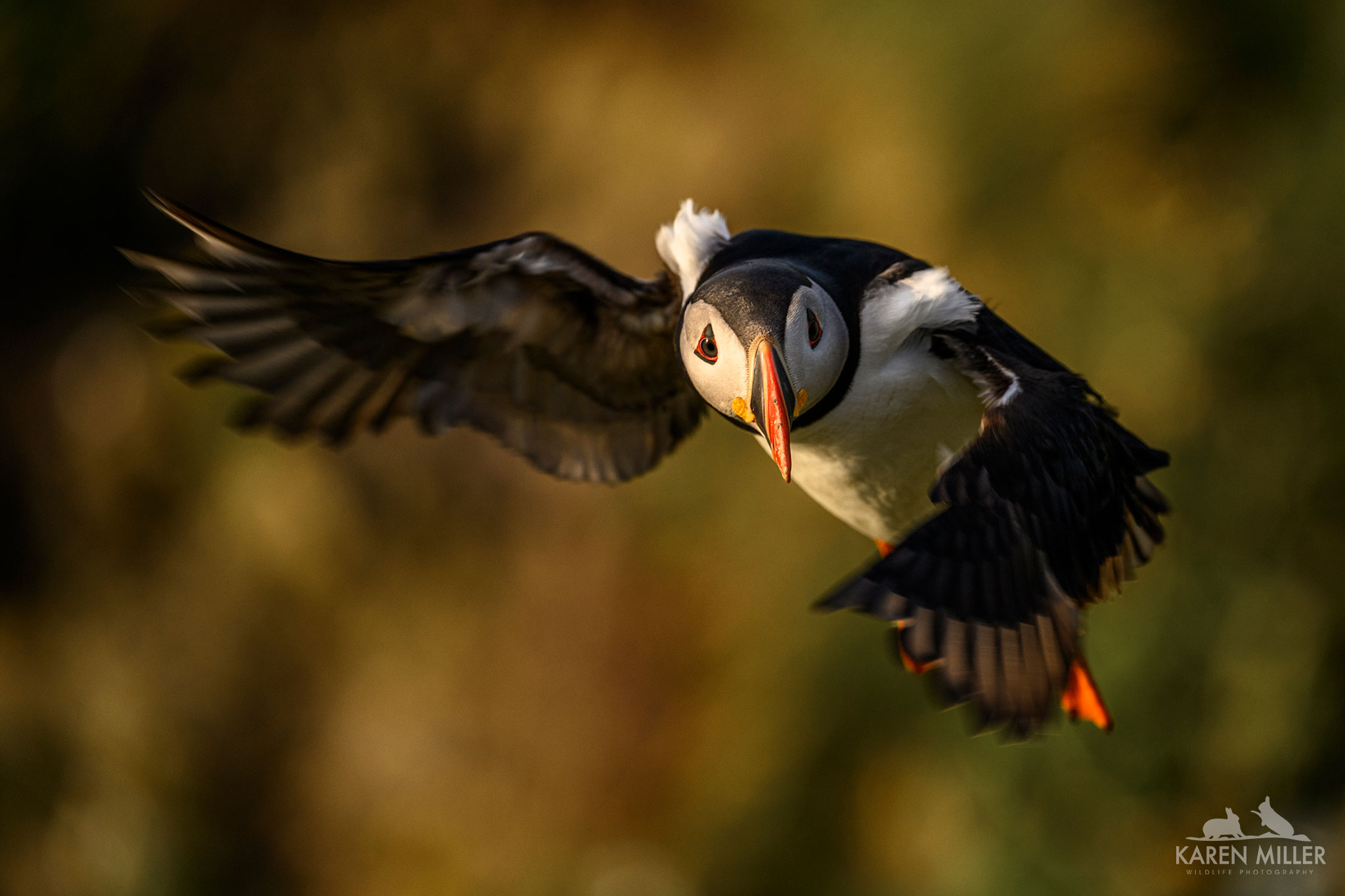
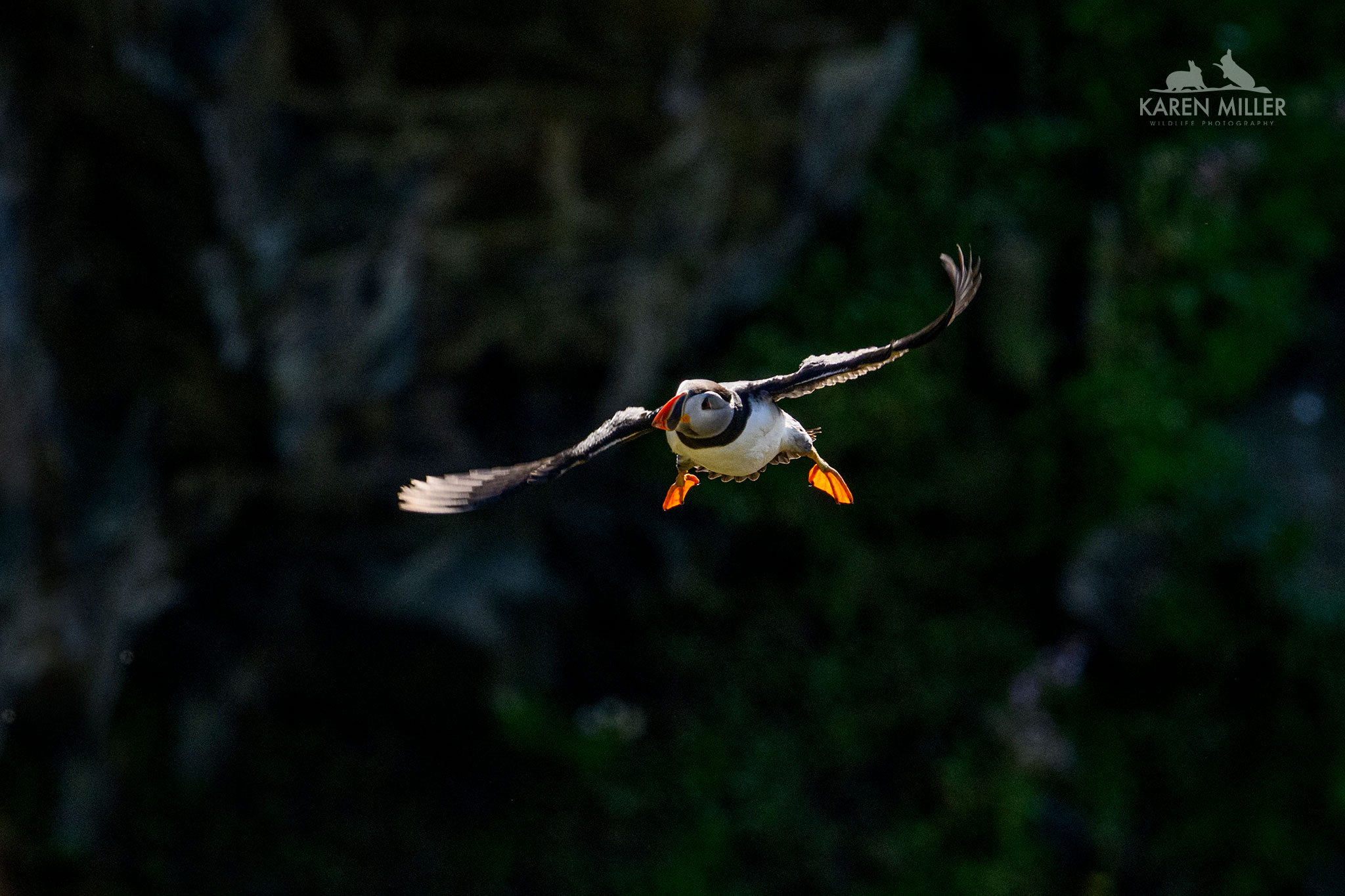
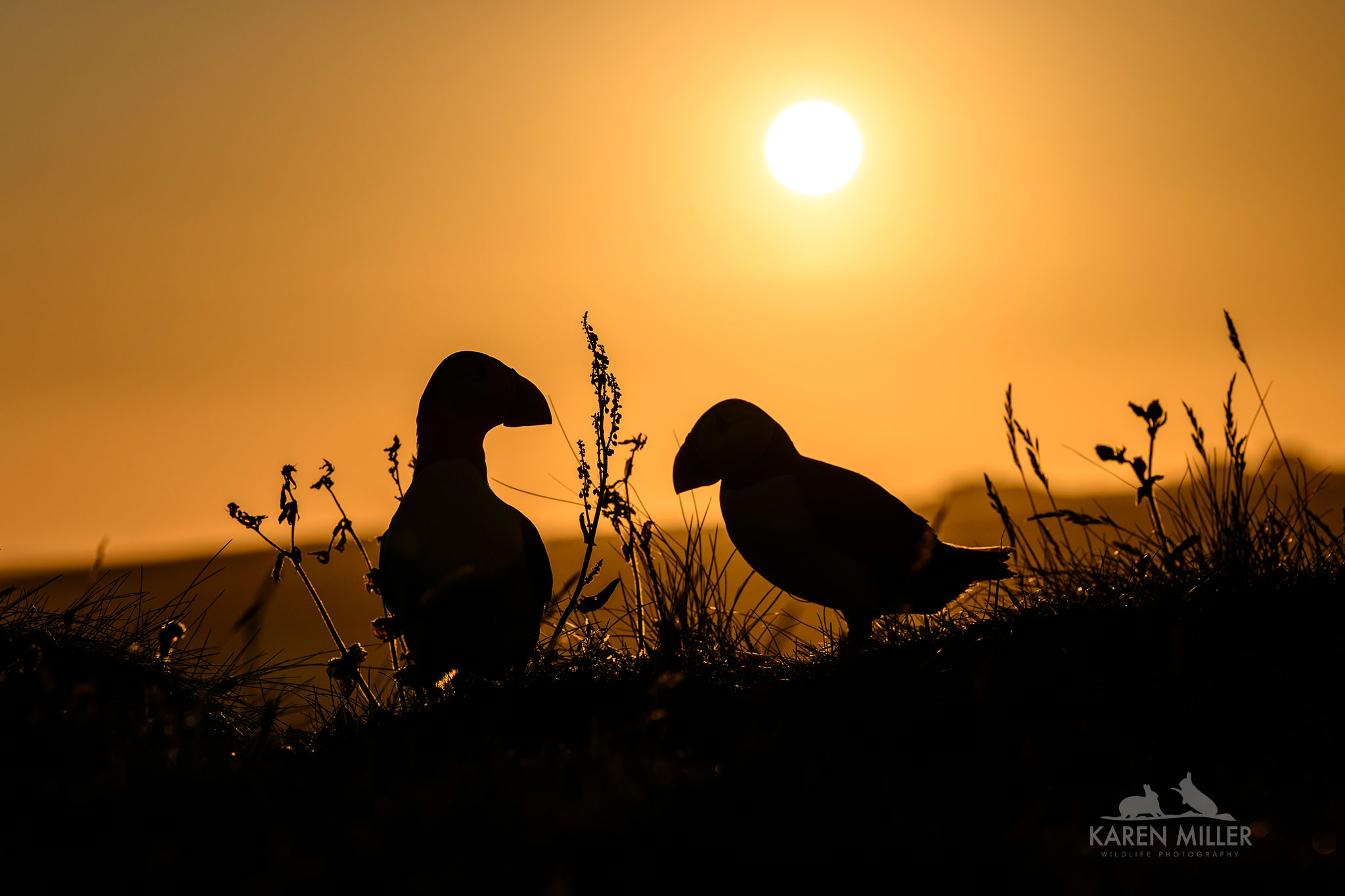
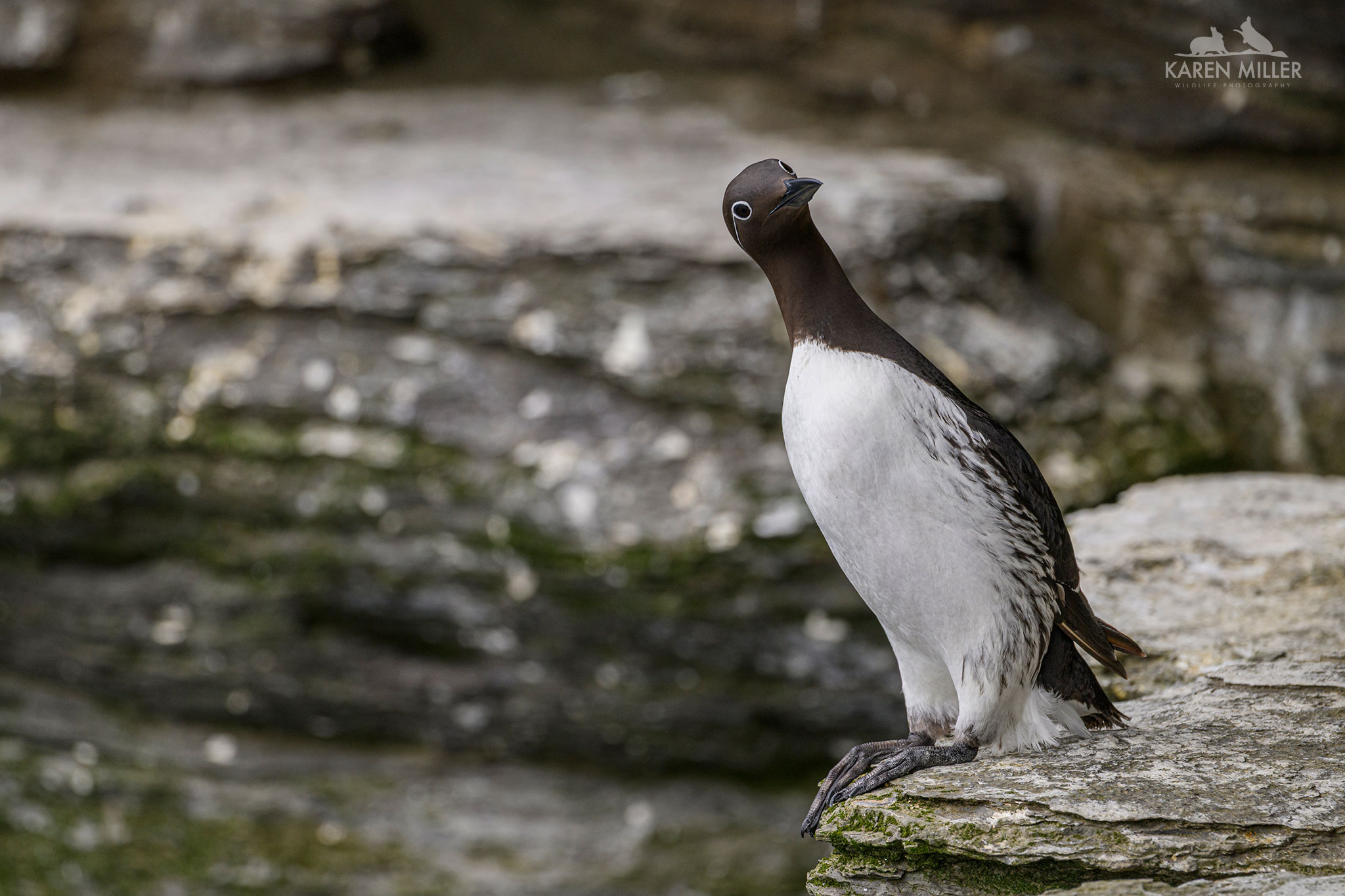
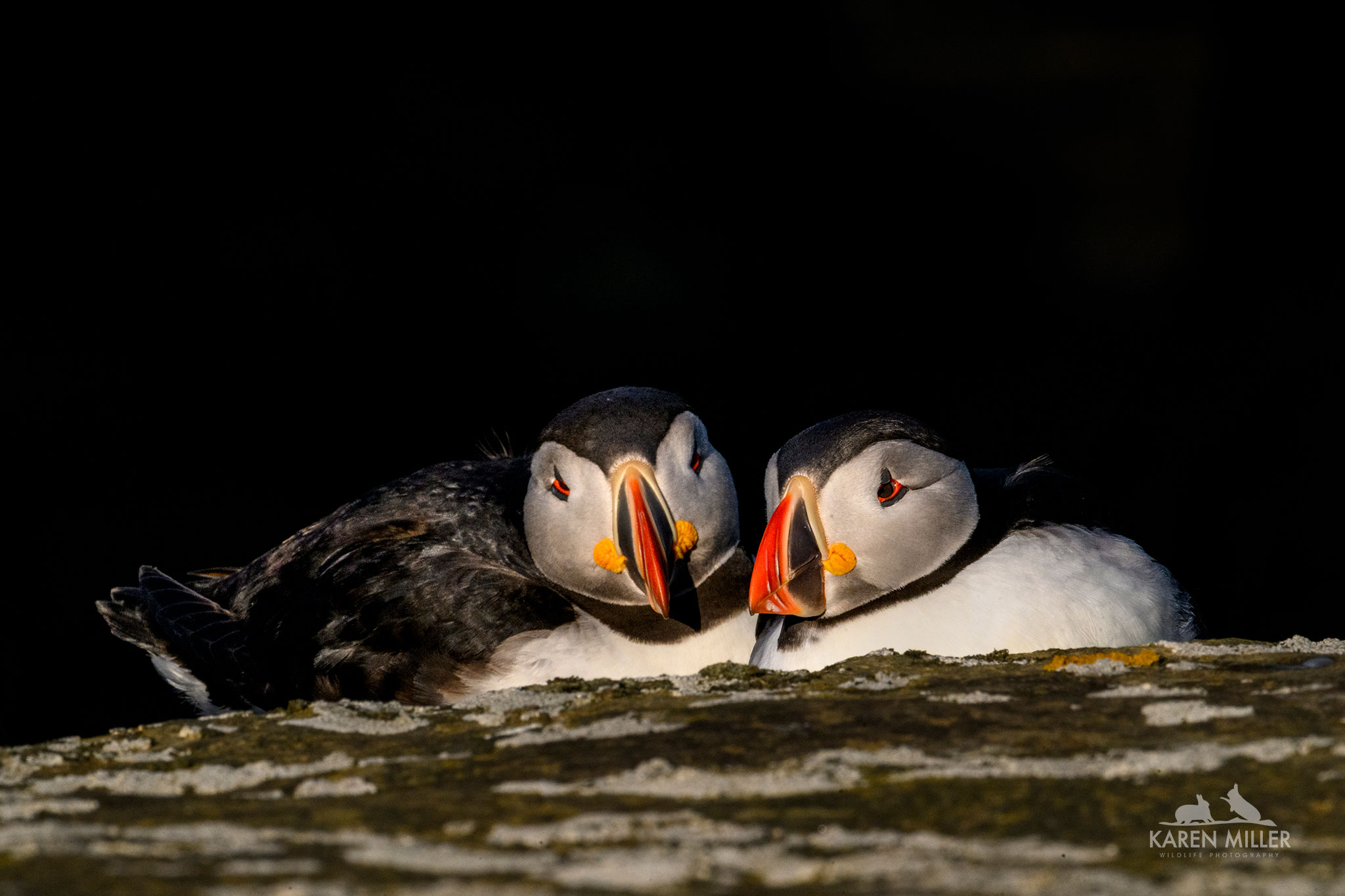
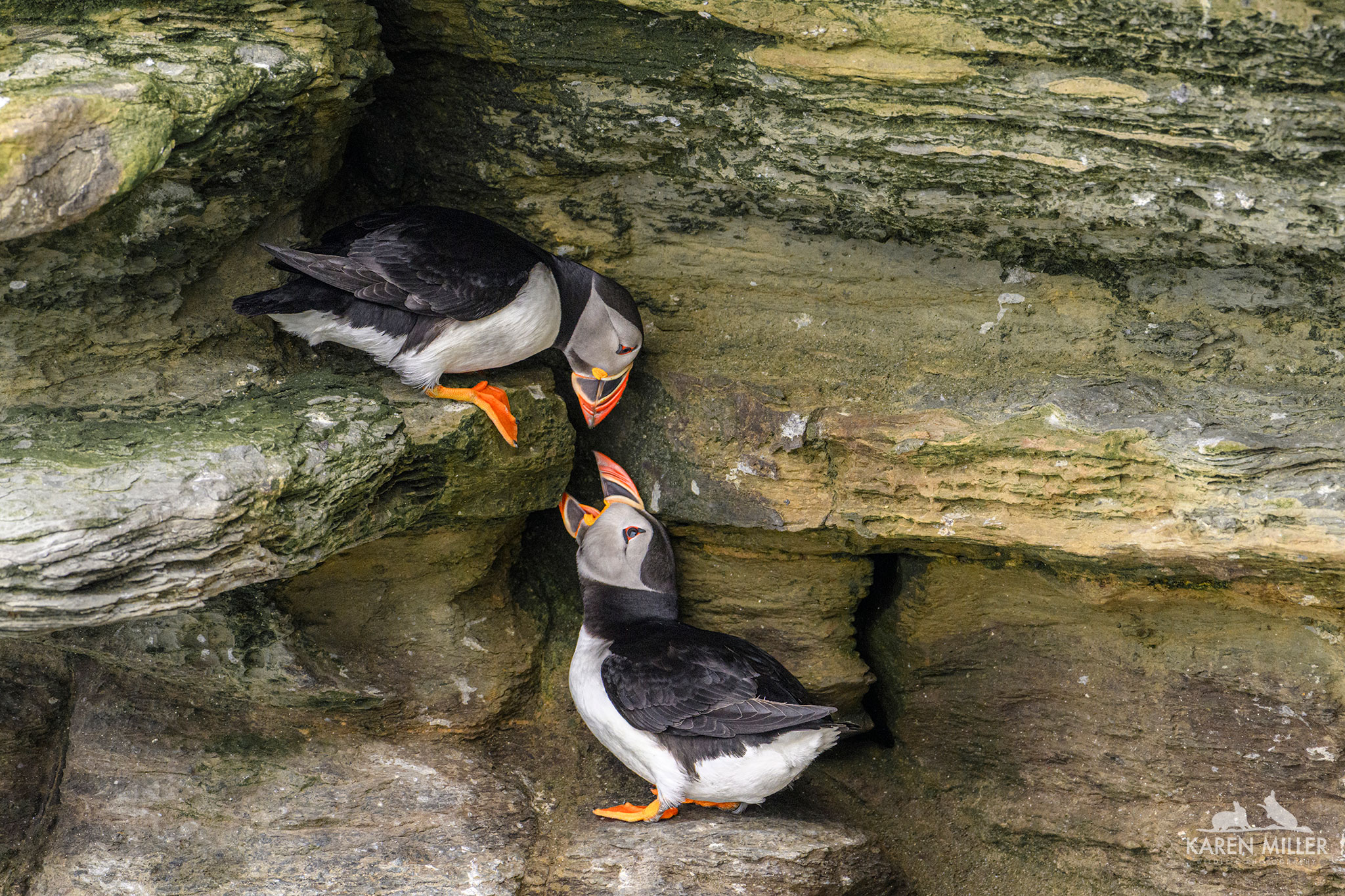
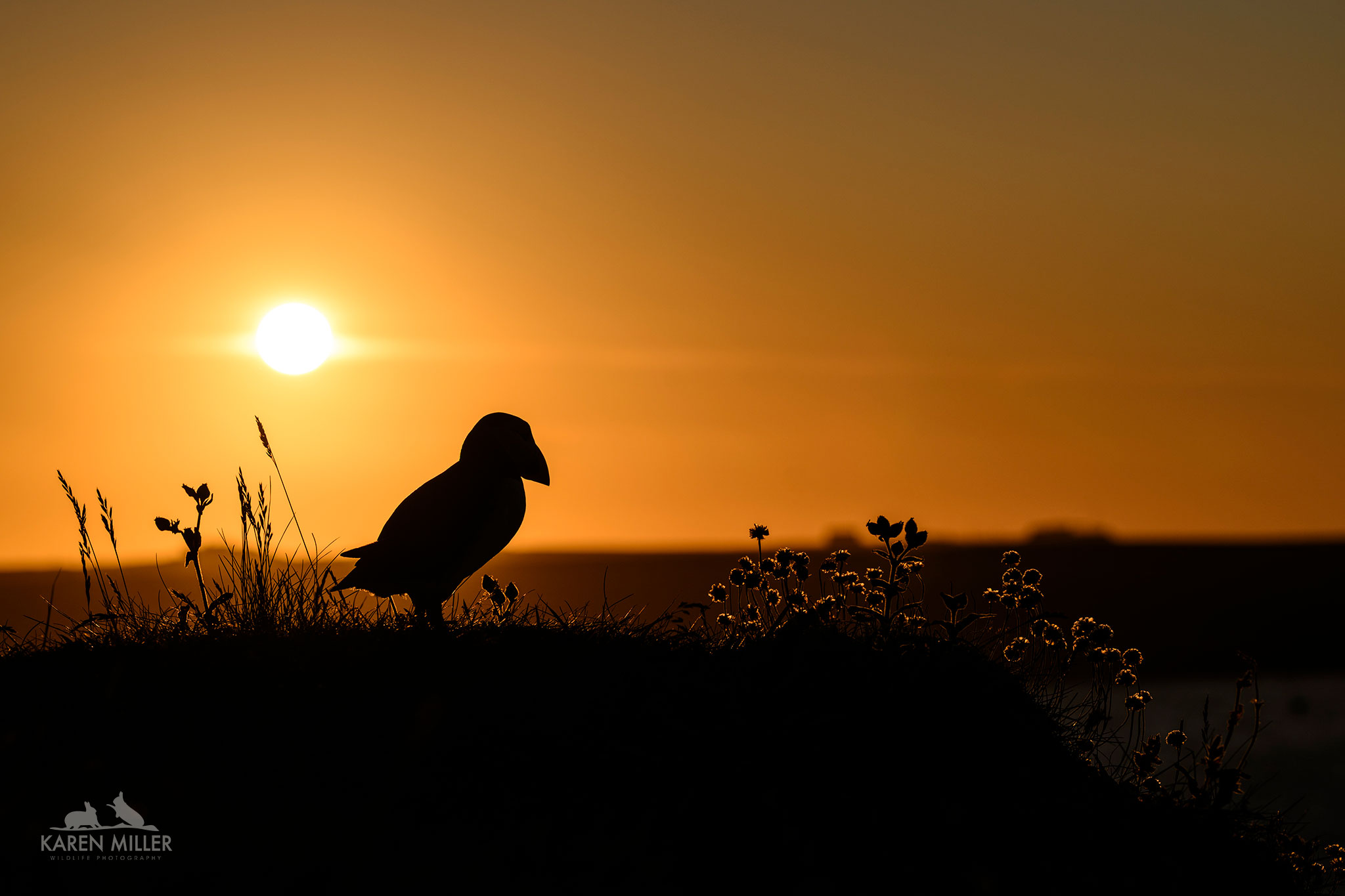
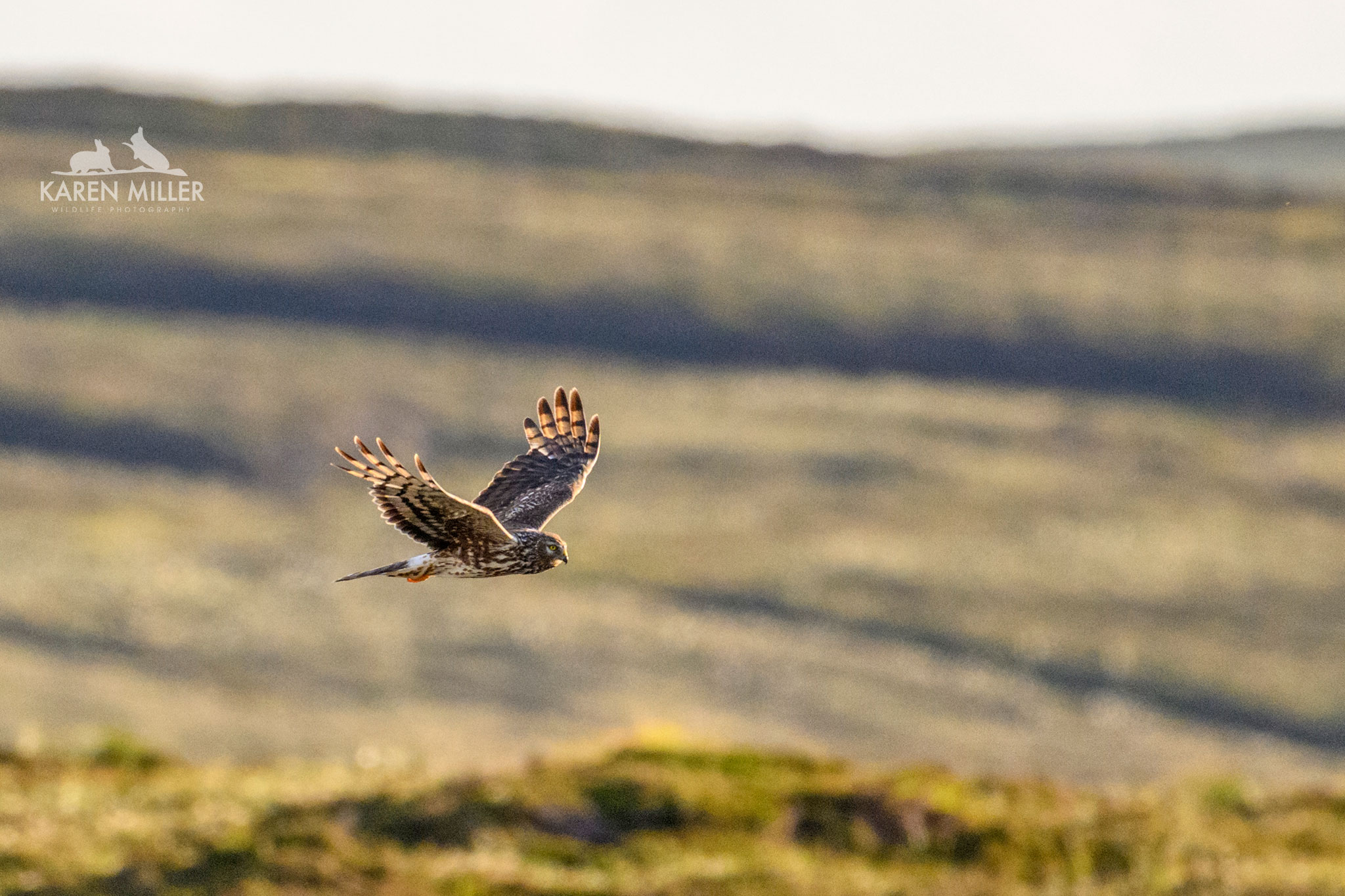
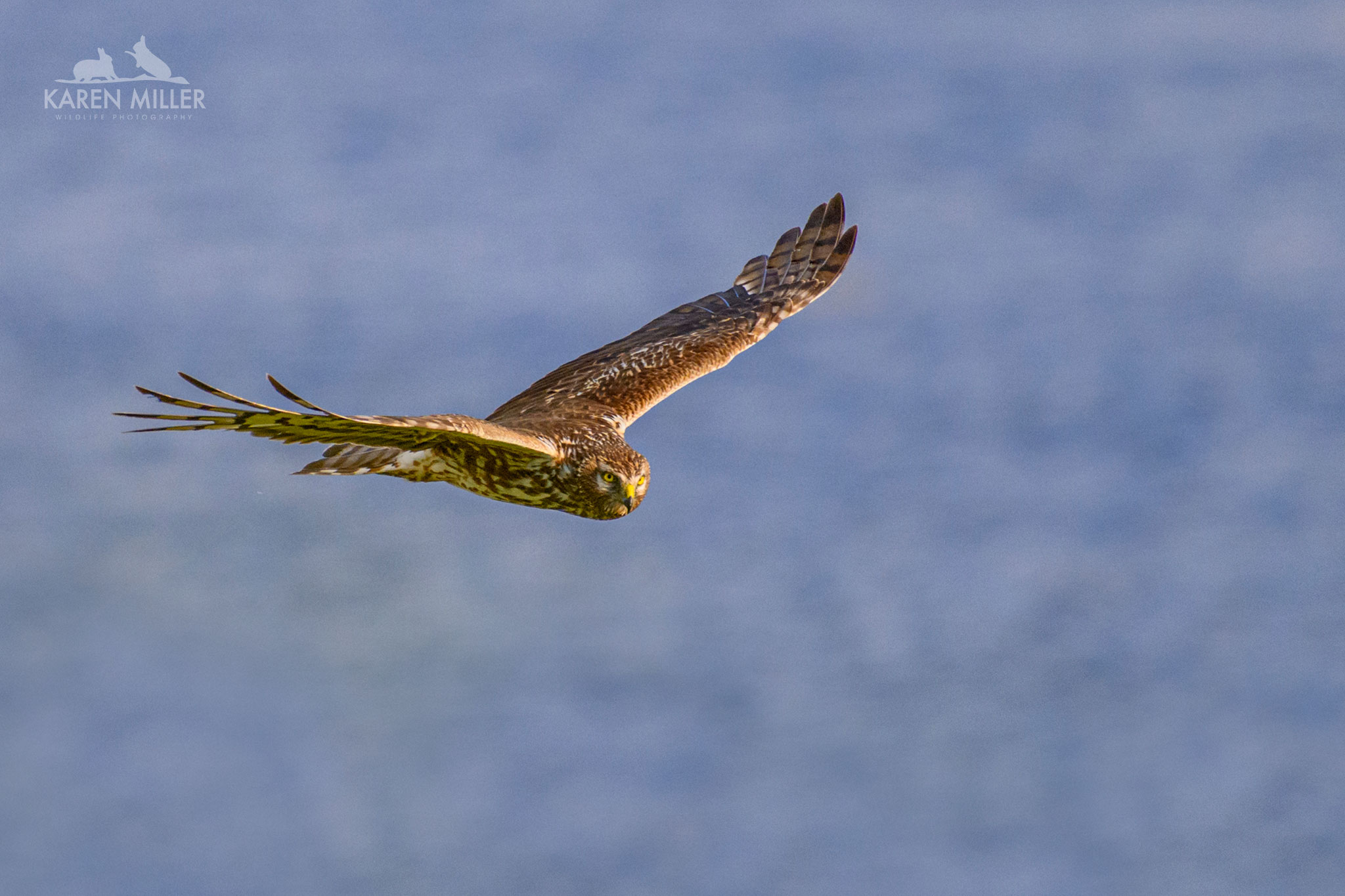
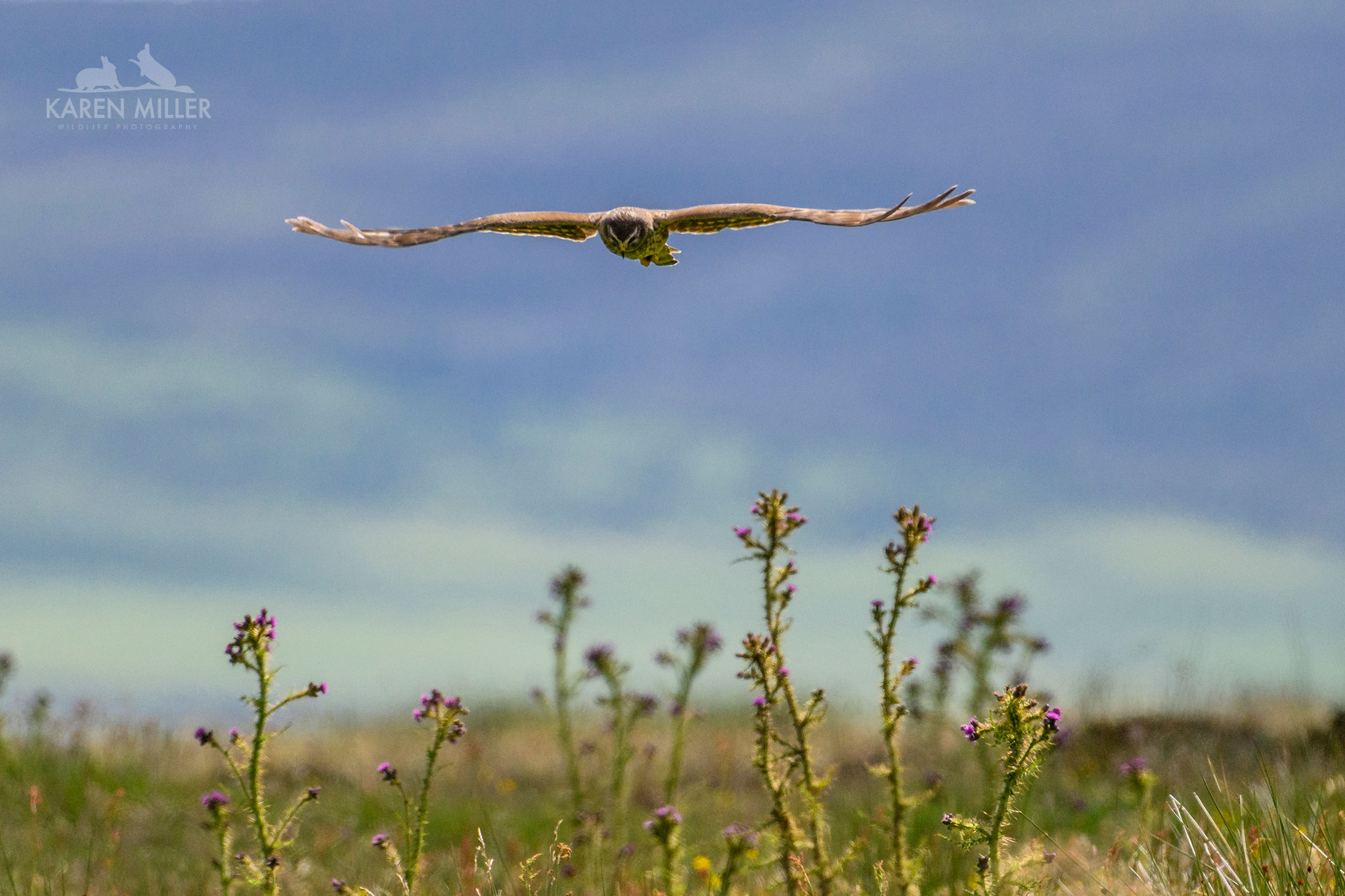
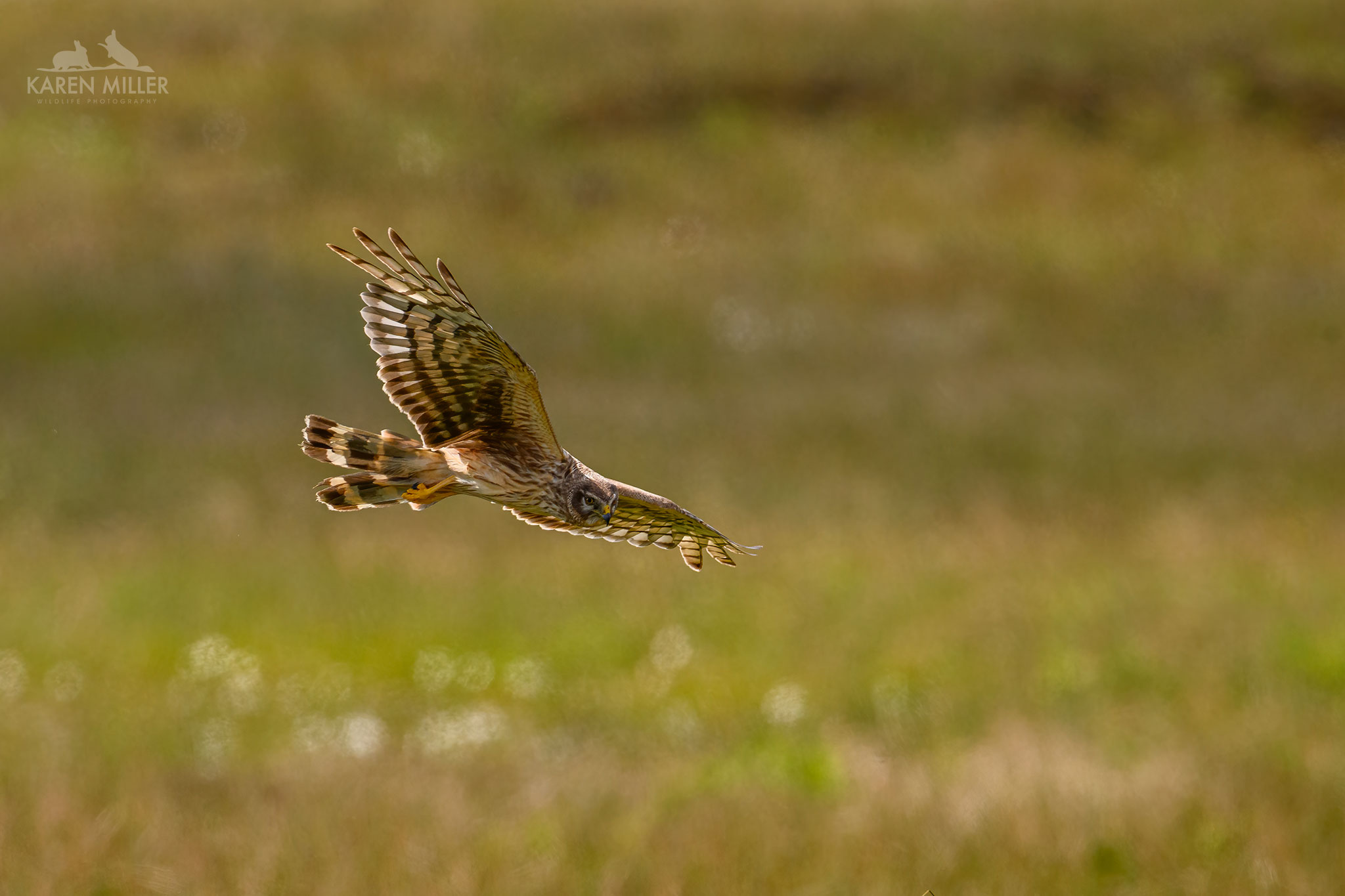
I failed miserably to see short-eared owls even although everyone I met said they were falling over them! But I had a few close sightings of female hen harriers (the males were always just a little too far away).
The golden rabbit kittens (and regular coloured ones) stole my heart
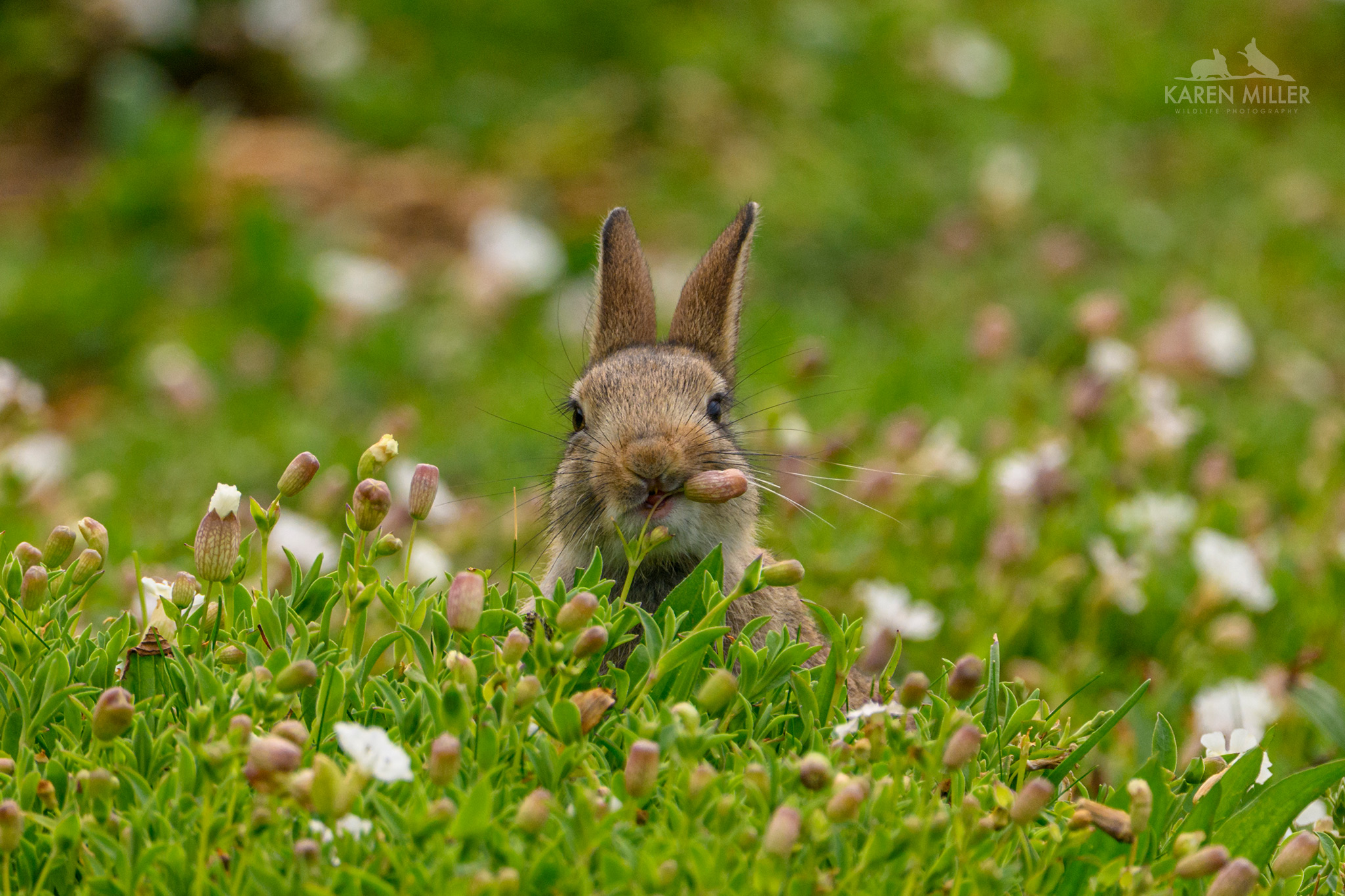
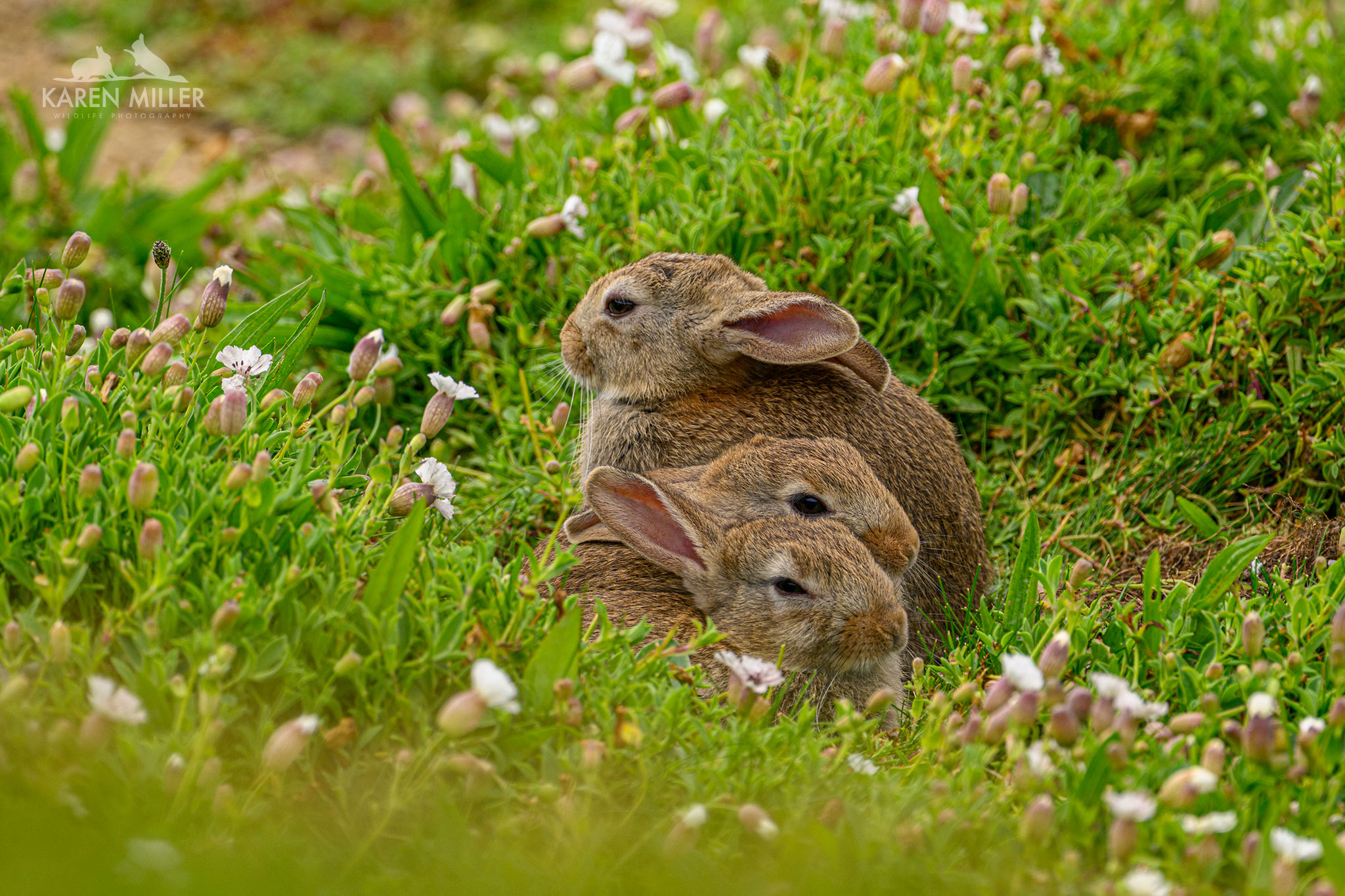
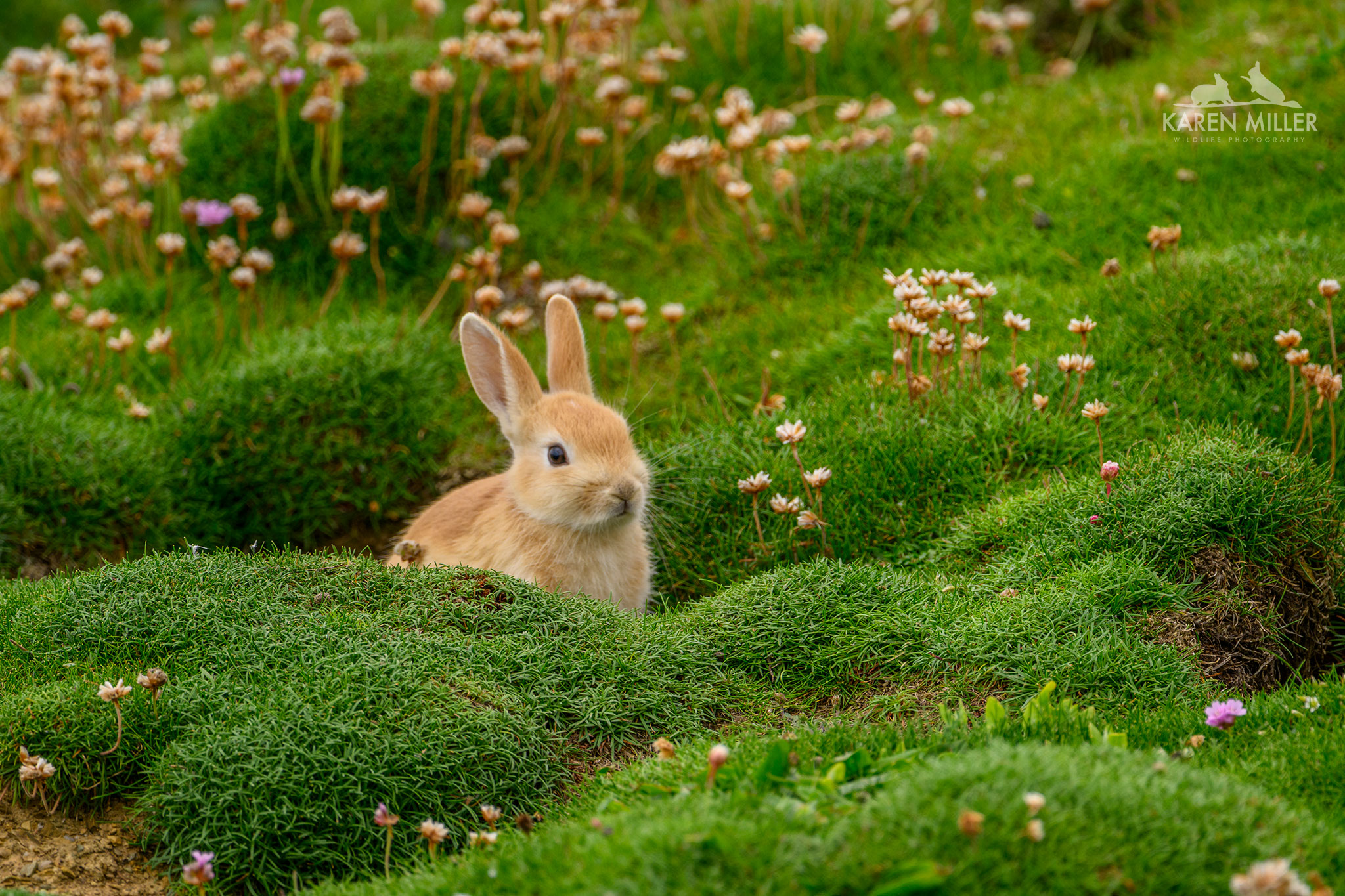
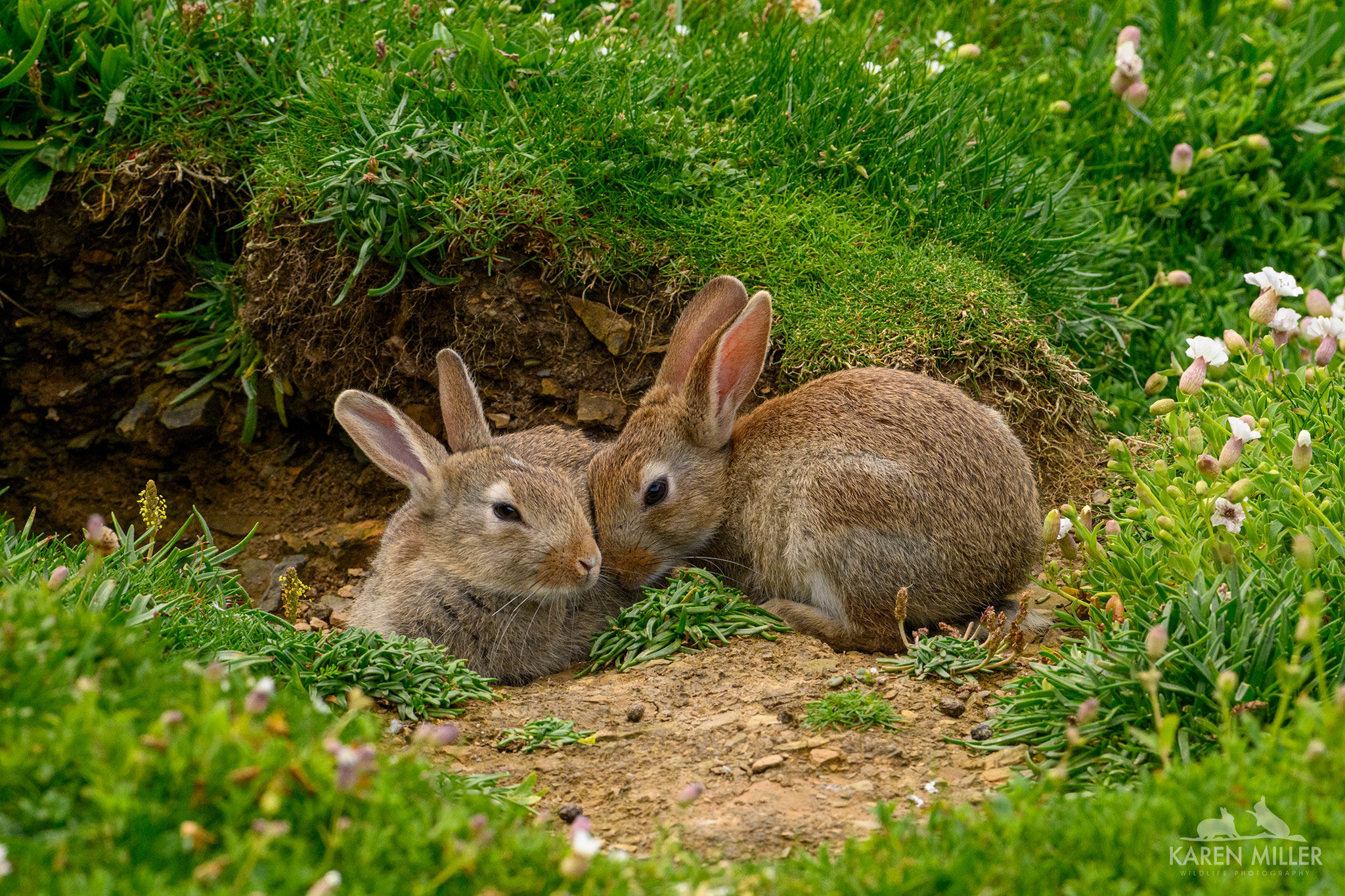
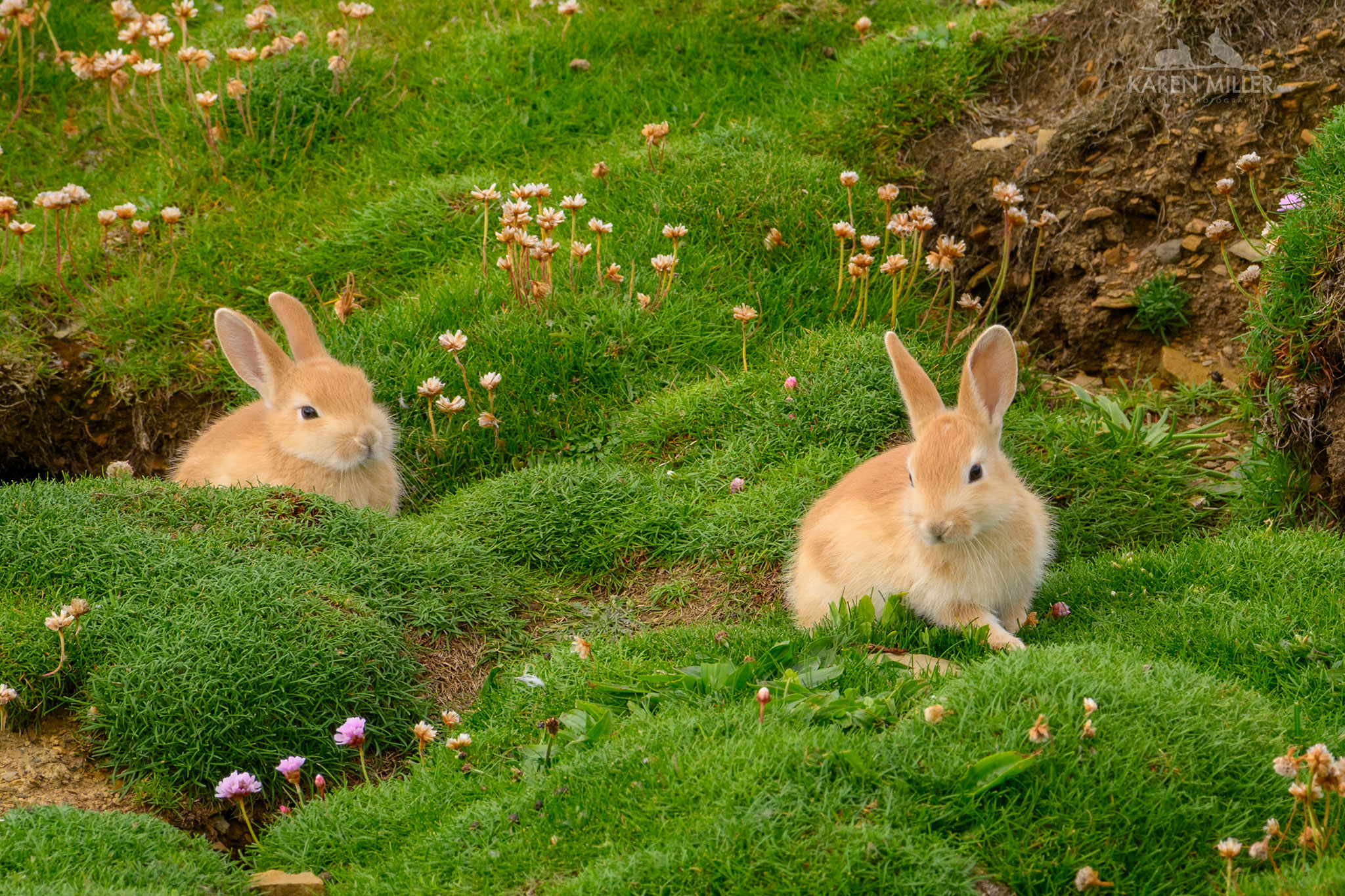
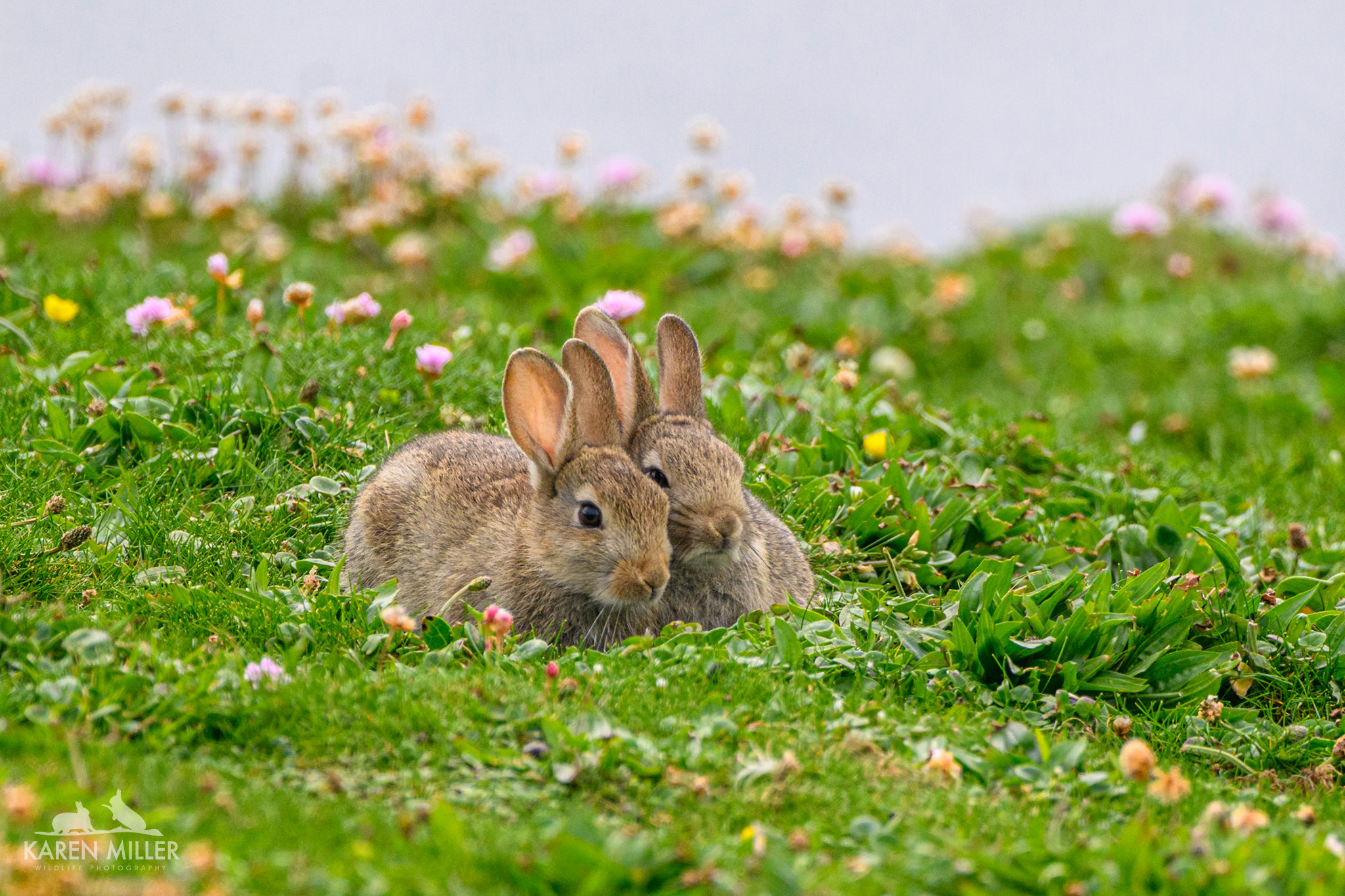
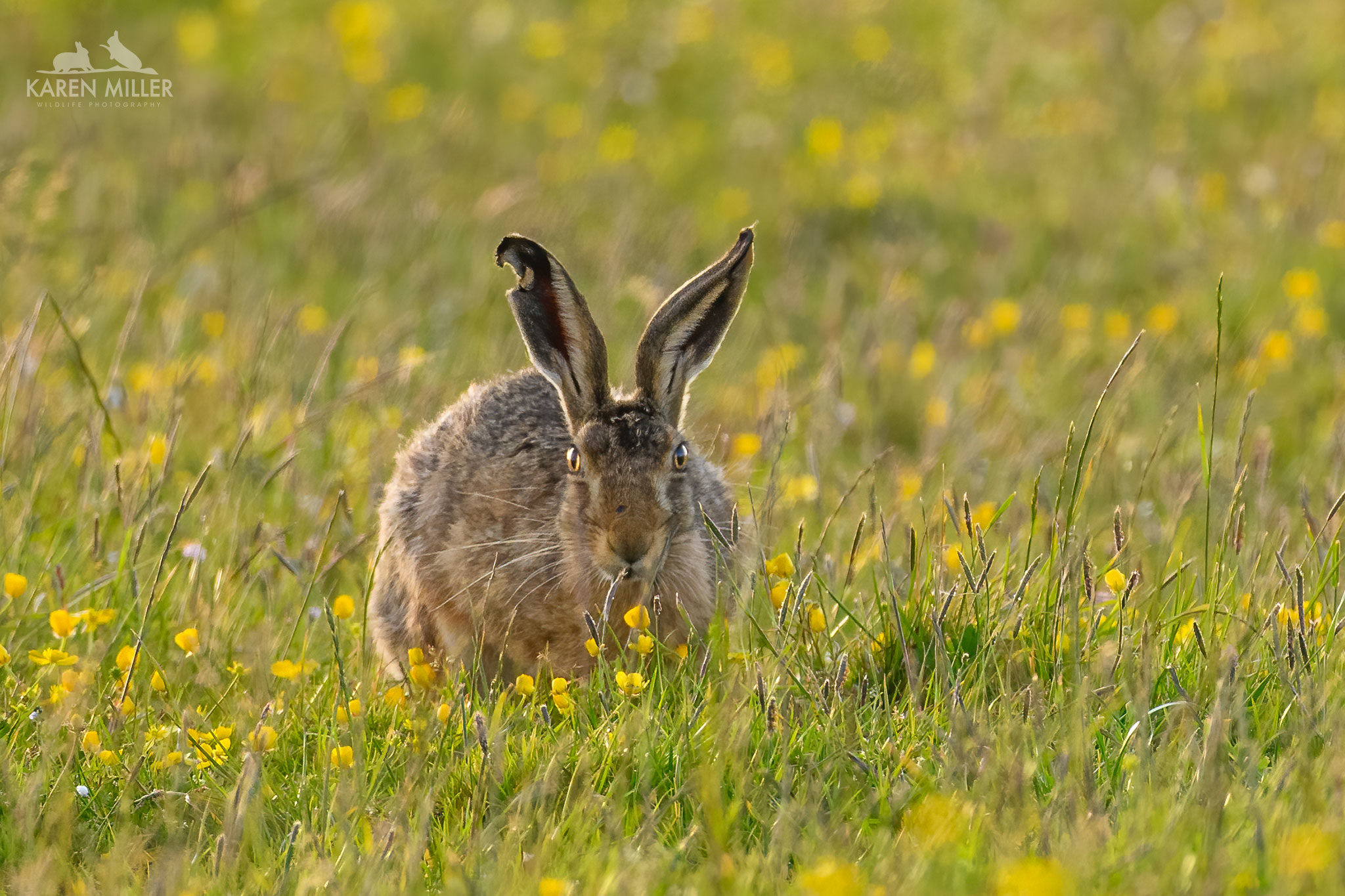
And, although most of the brown hares ran as soon as I stopped my car, I did manage a few images of this one, with wonky ears!
Fast forward to May 2026 and I returned to the islands. I was there for the first two full weeks of the month. The whole fortnight was plagued by cold northerly winds, but we had a fair amount of sunshine and most of the rain was overnight.
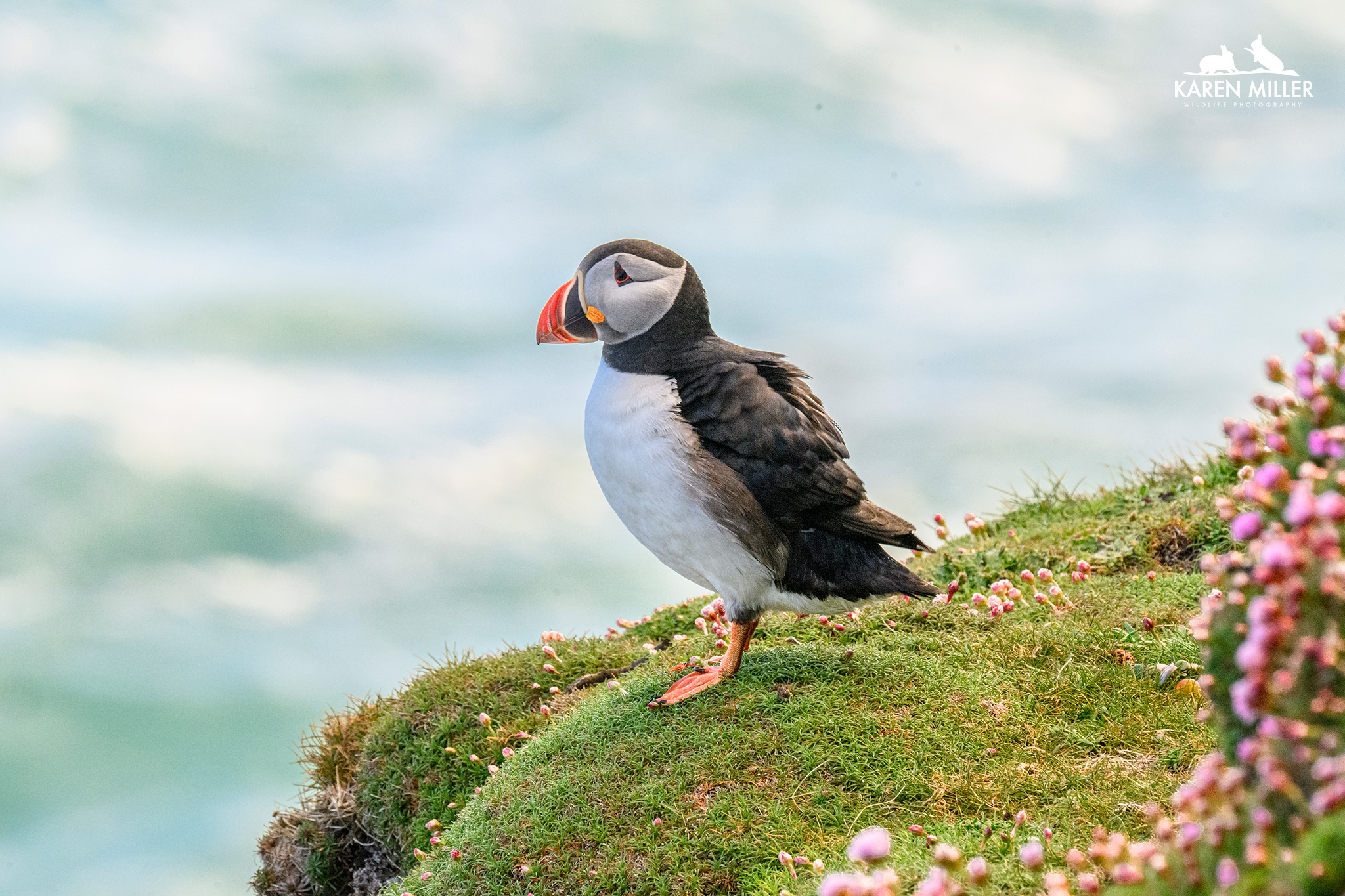
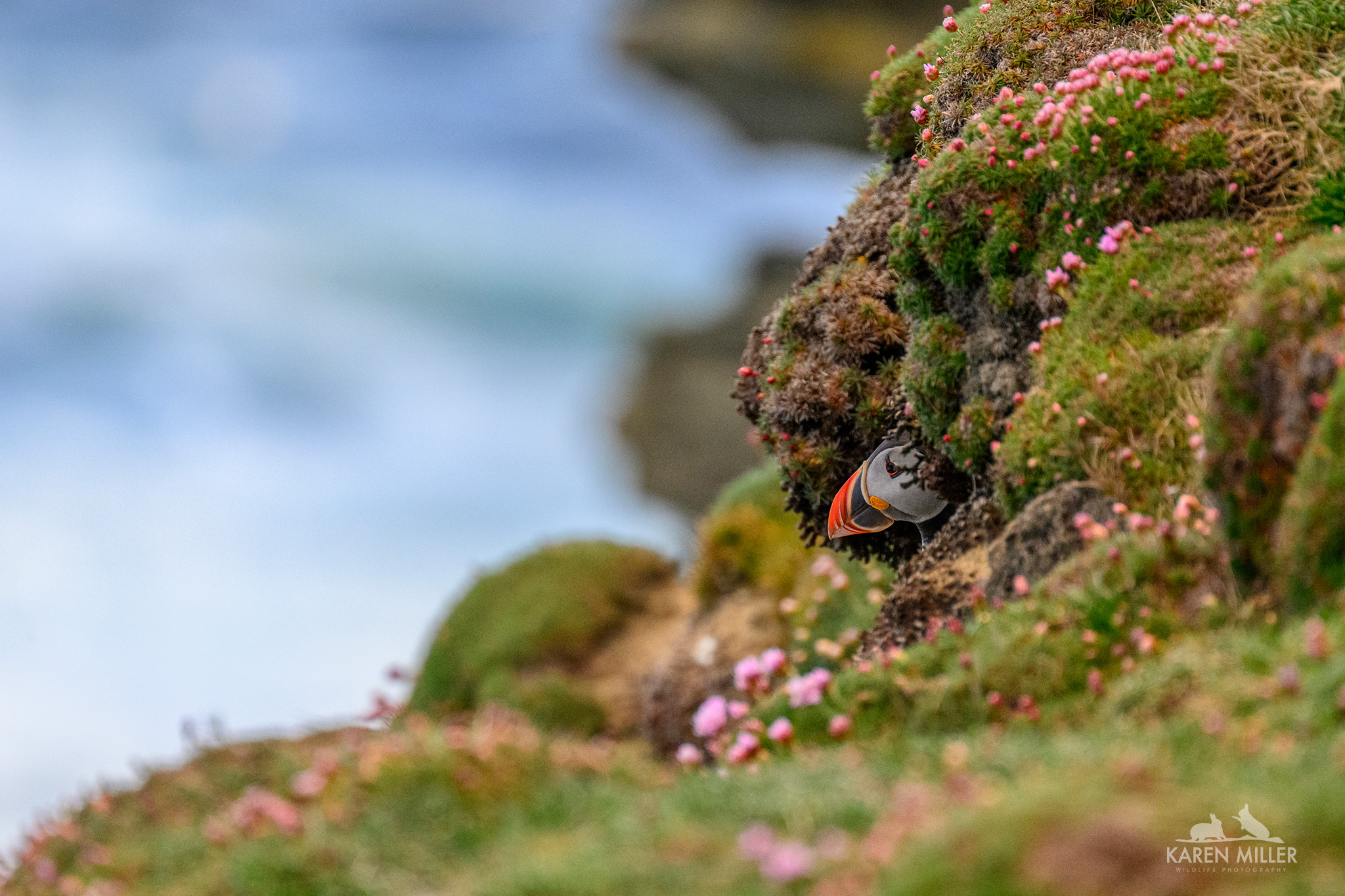
Sadly this year the seabirds were all quite late returning. The few puffins who had arrived were spending their days out at sea and only coming onto land overnight. Due to the cold conditions I decided not to go to Westray and sleep in my car (using my camping kit from Campal Caravan Conversions), instead I visited the Brough of Birsay both early in the morning and in the evening one day when the tides were good for crossing the causeway. I struggled to find many puffins, but there were a small number.
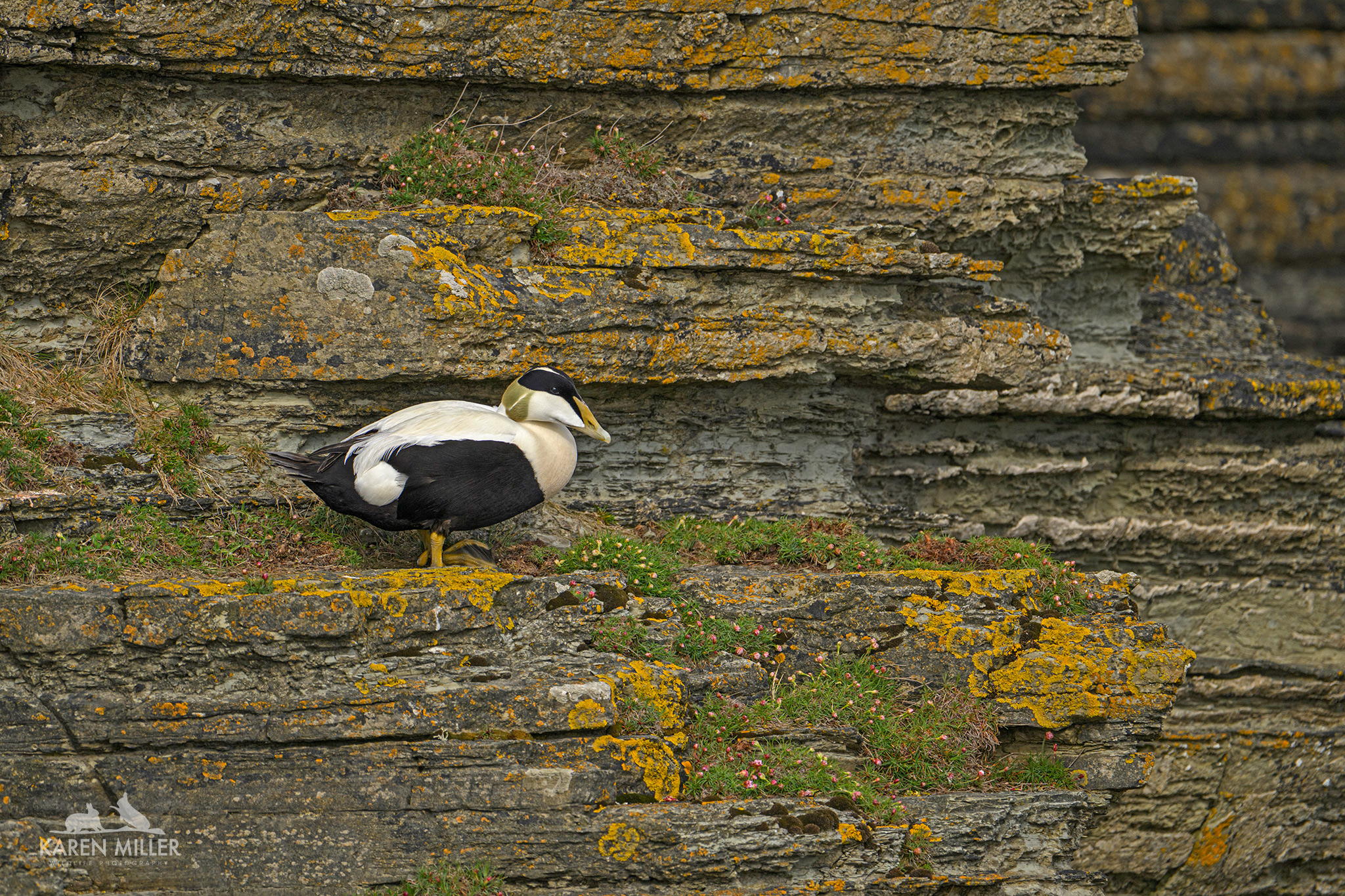
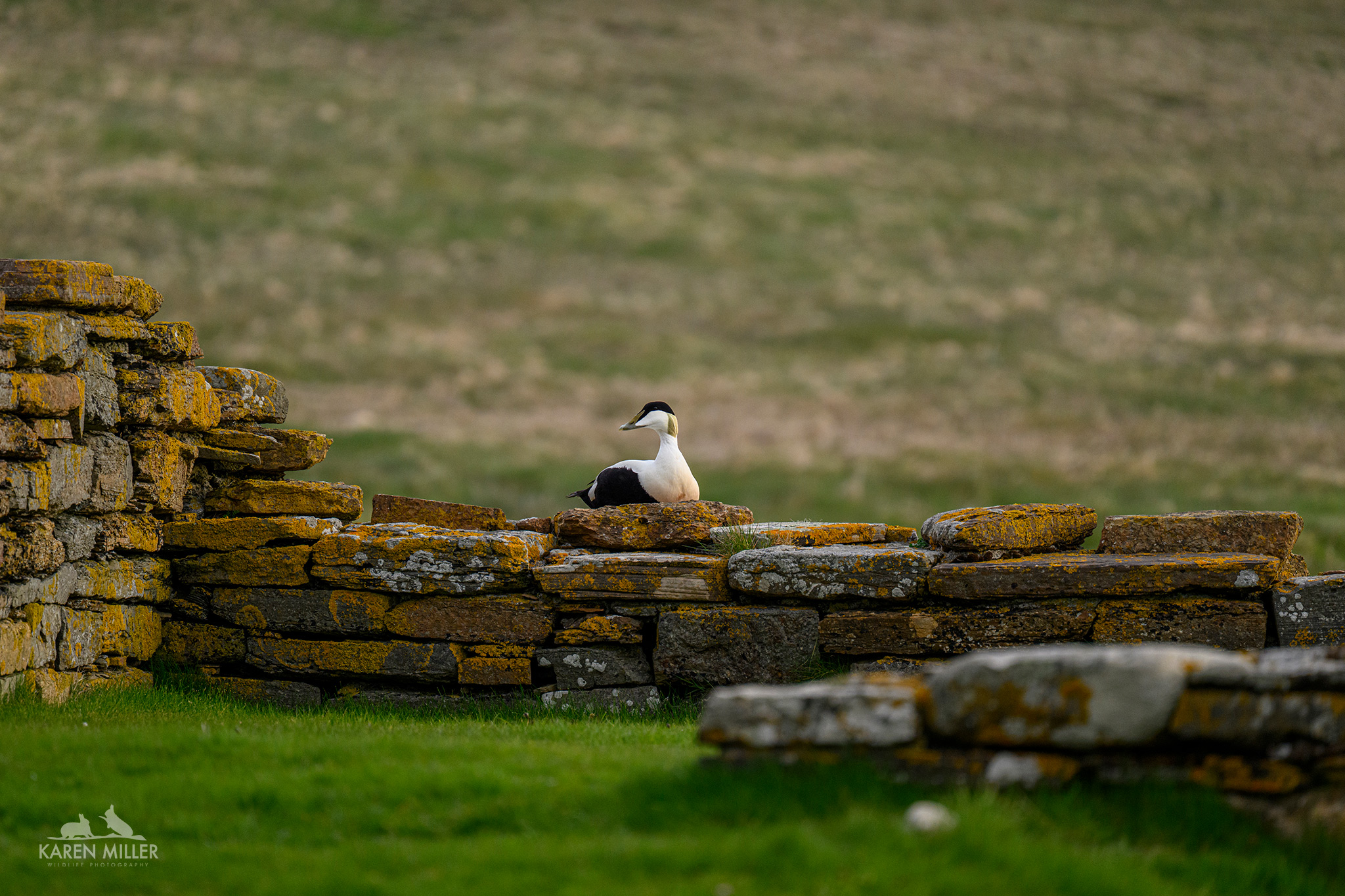
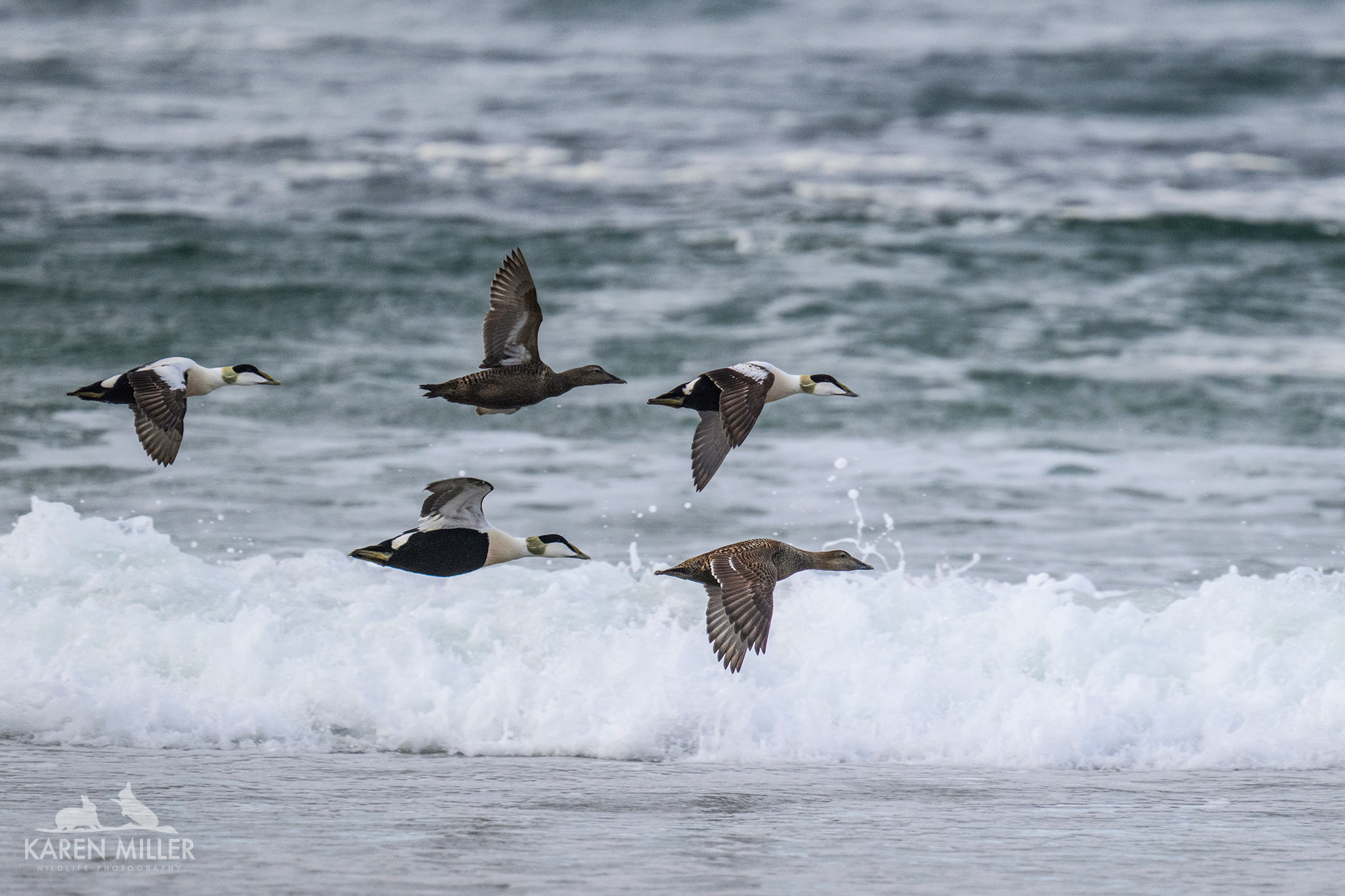
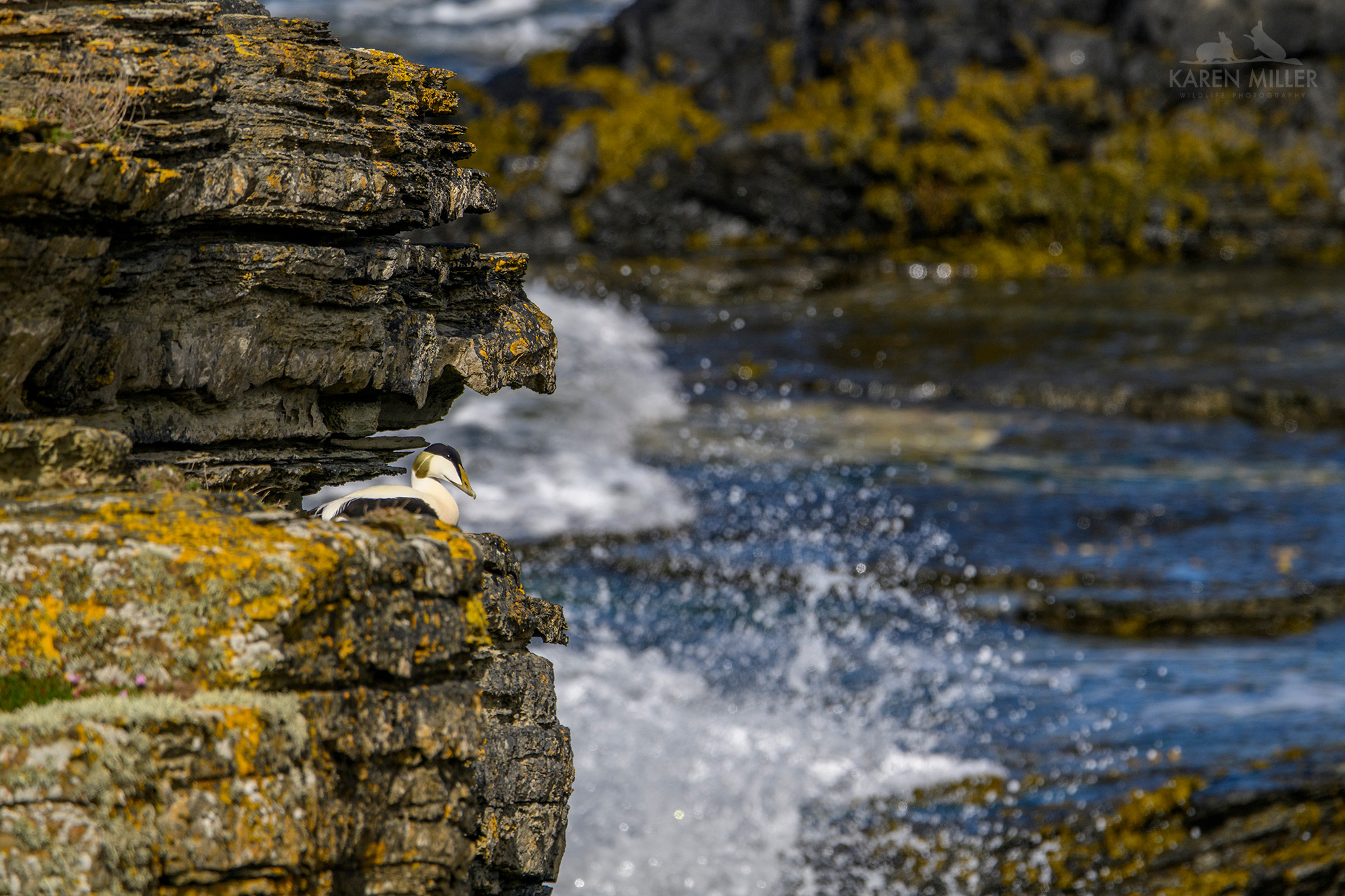
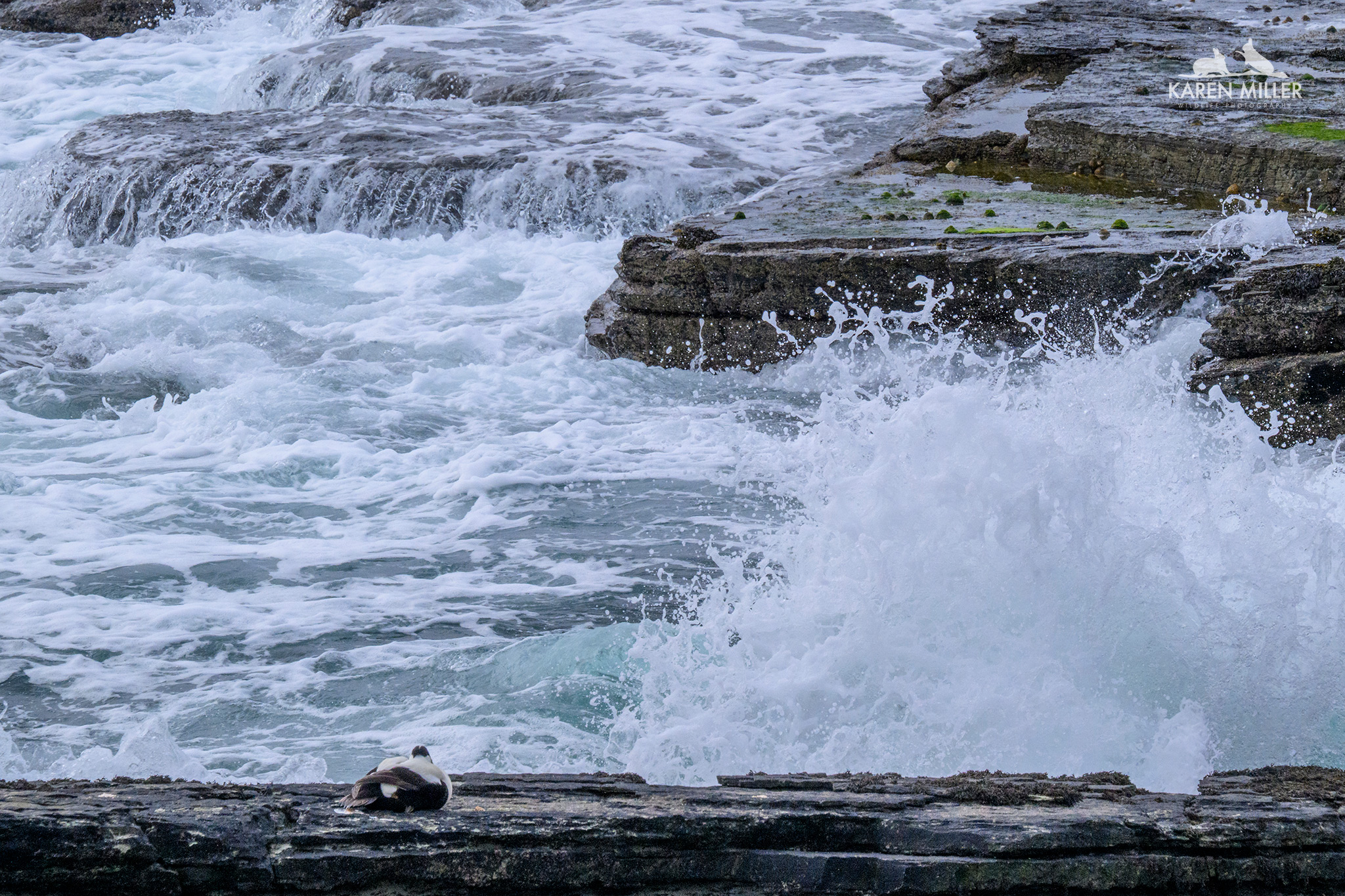
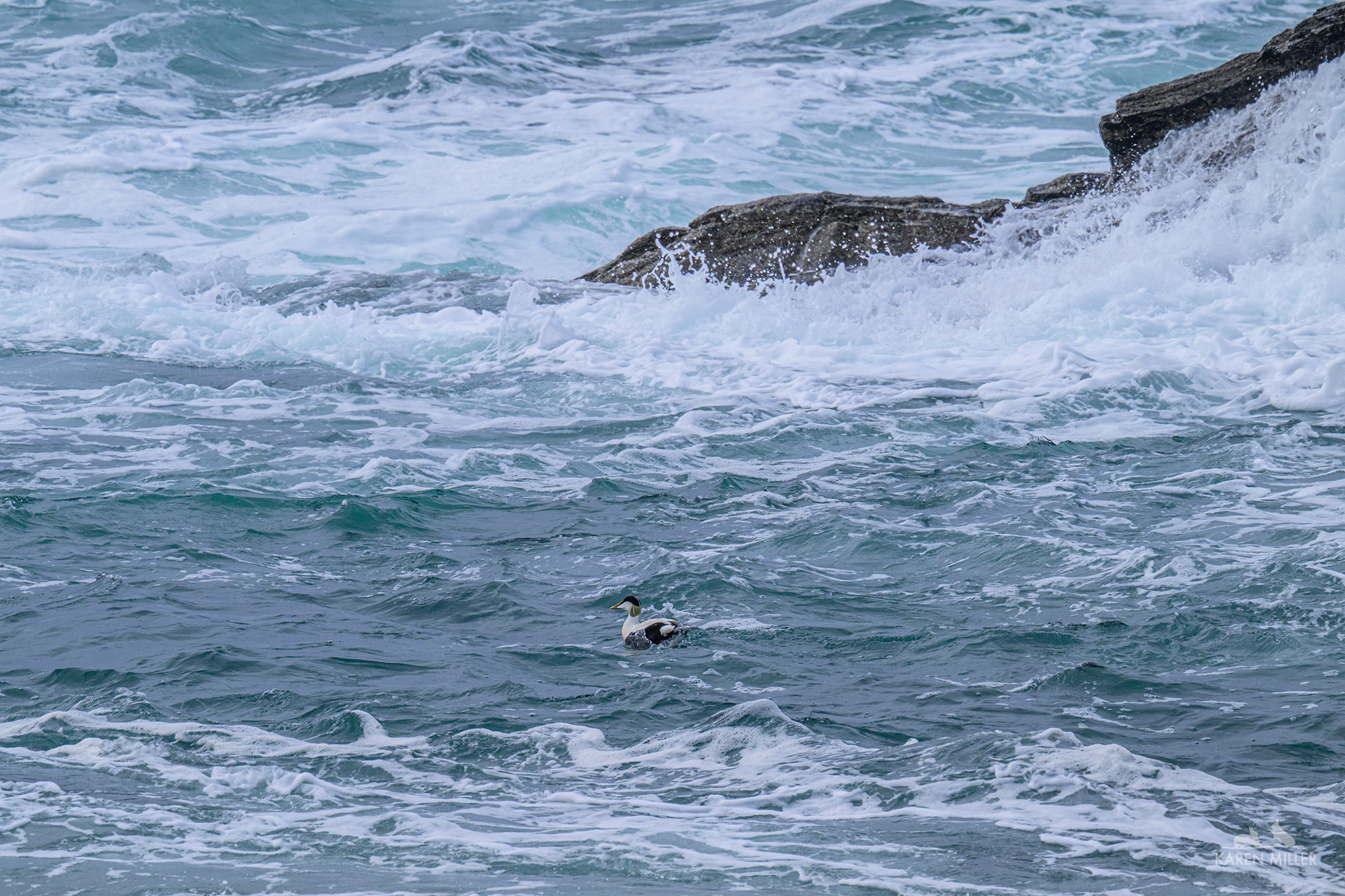
What I did find on the Brough of Birsay, and throughout Orkney were eider ducks – they were everywhere. The males especially are such handsome birds, and are one of my favourite members of the duck family. Often I’d spot a male and not realise there was a female with him until I looked at my photographs, they are so well camouflaged. They didn’t appear to be sitting on eggs as yet but were around the coast bobbing on the waves or sitting on rocks. On the Brough of Birsay I found one hanging out on the Brough remains!
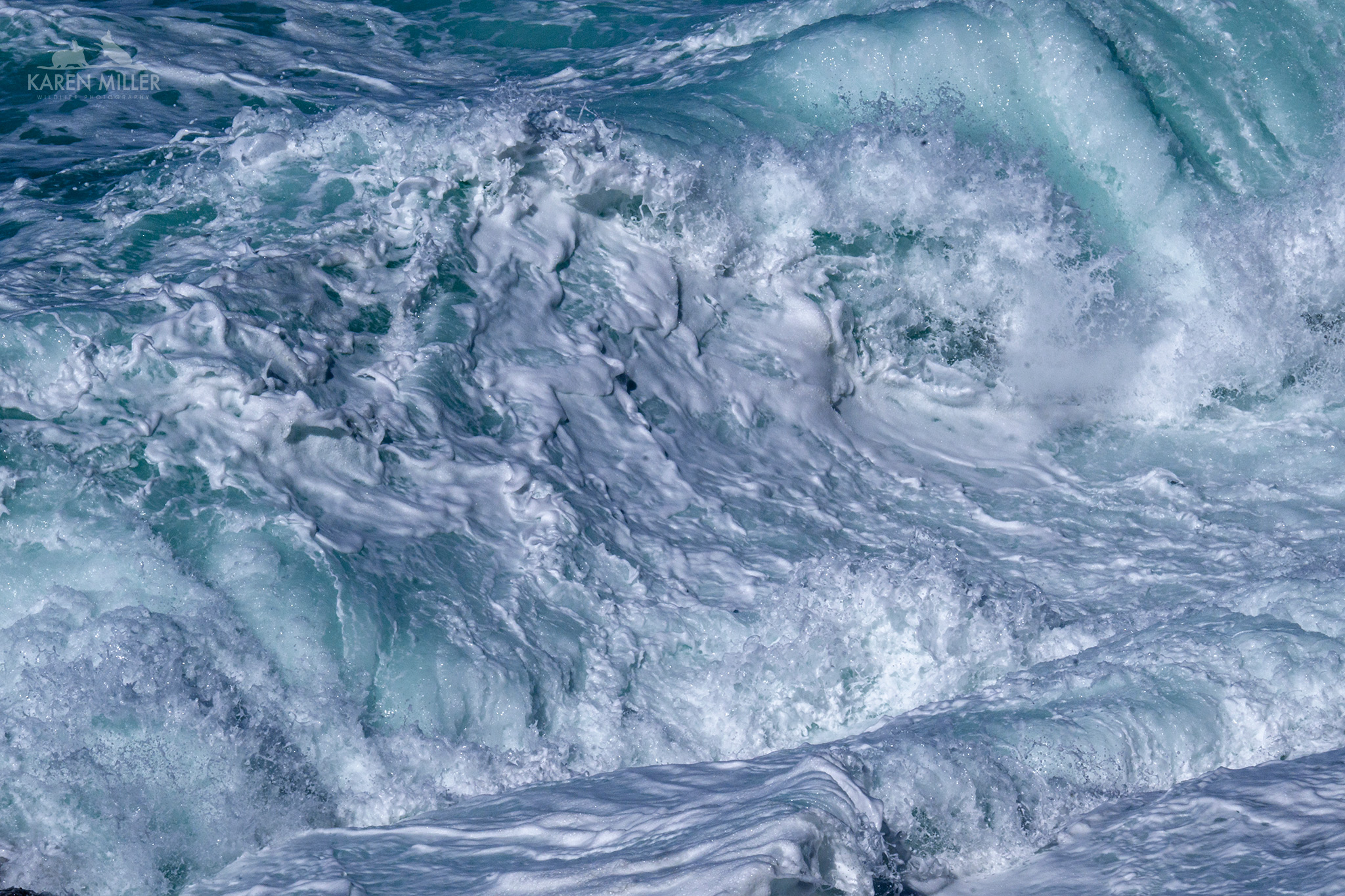
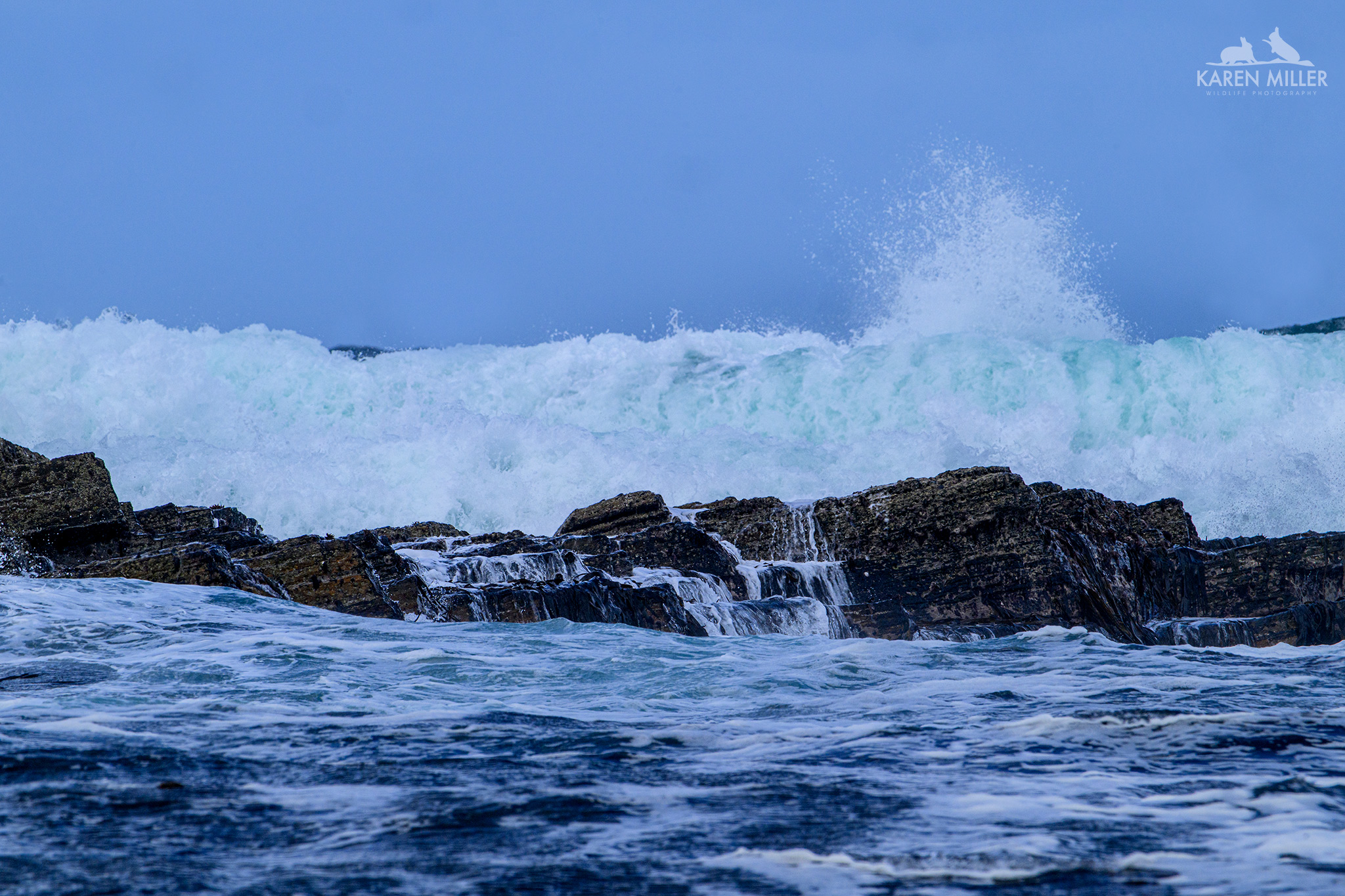
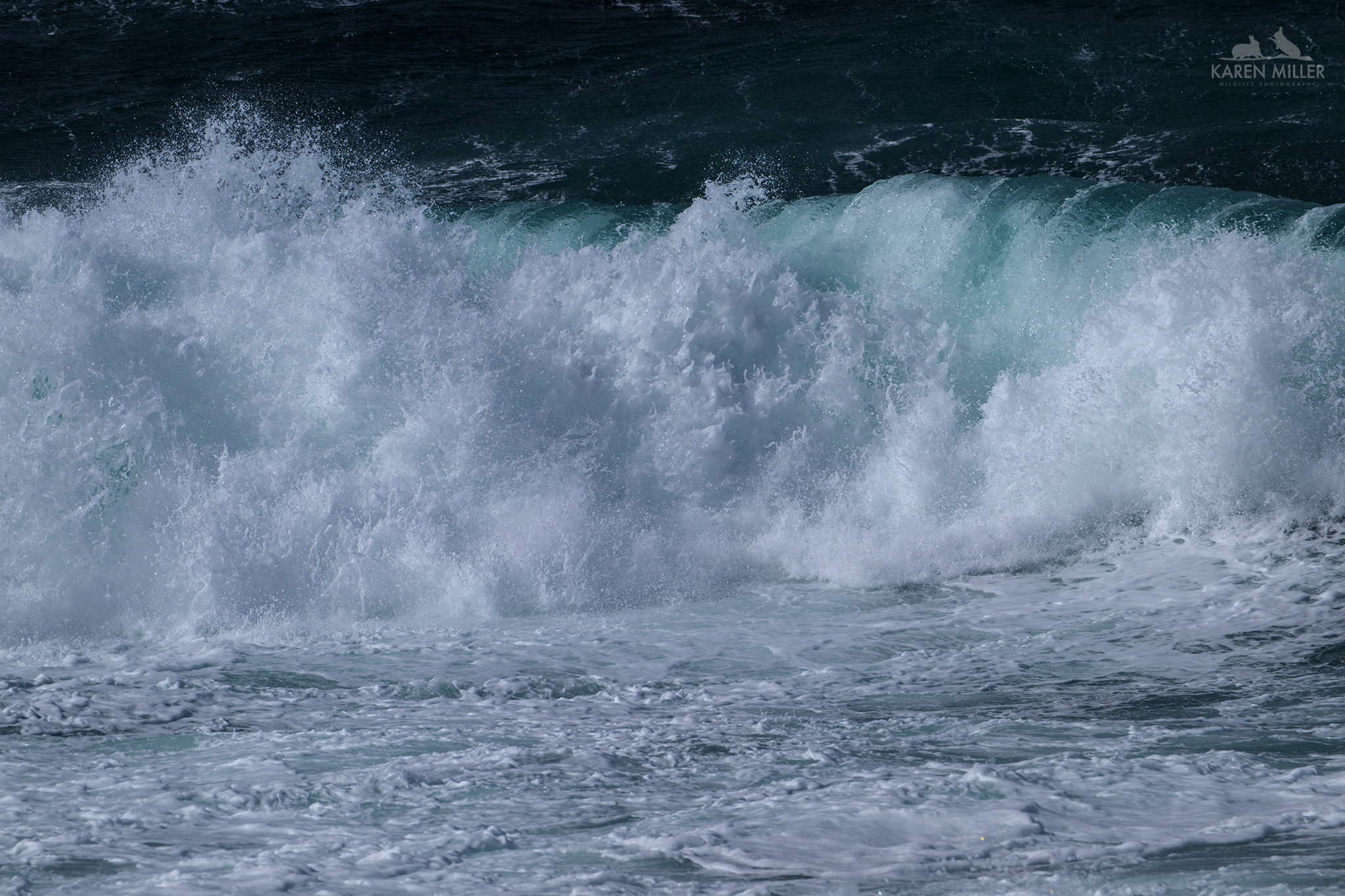
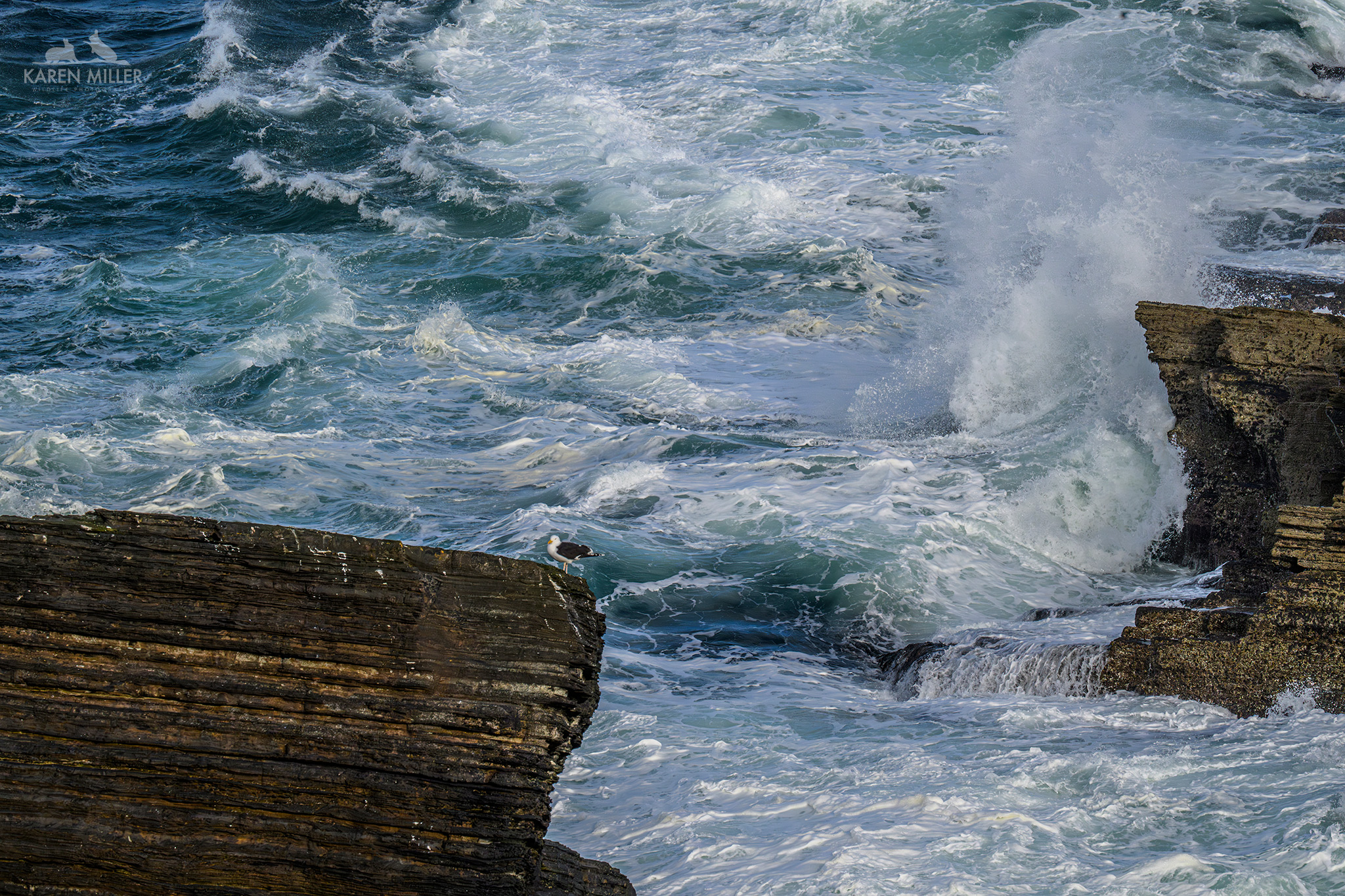
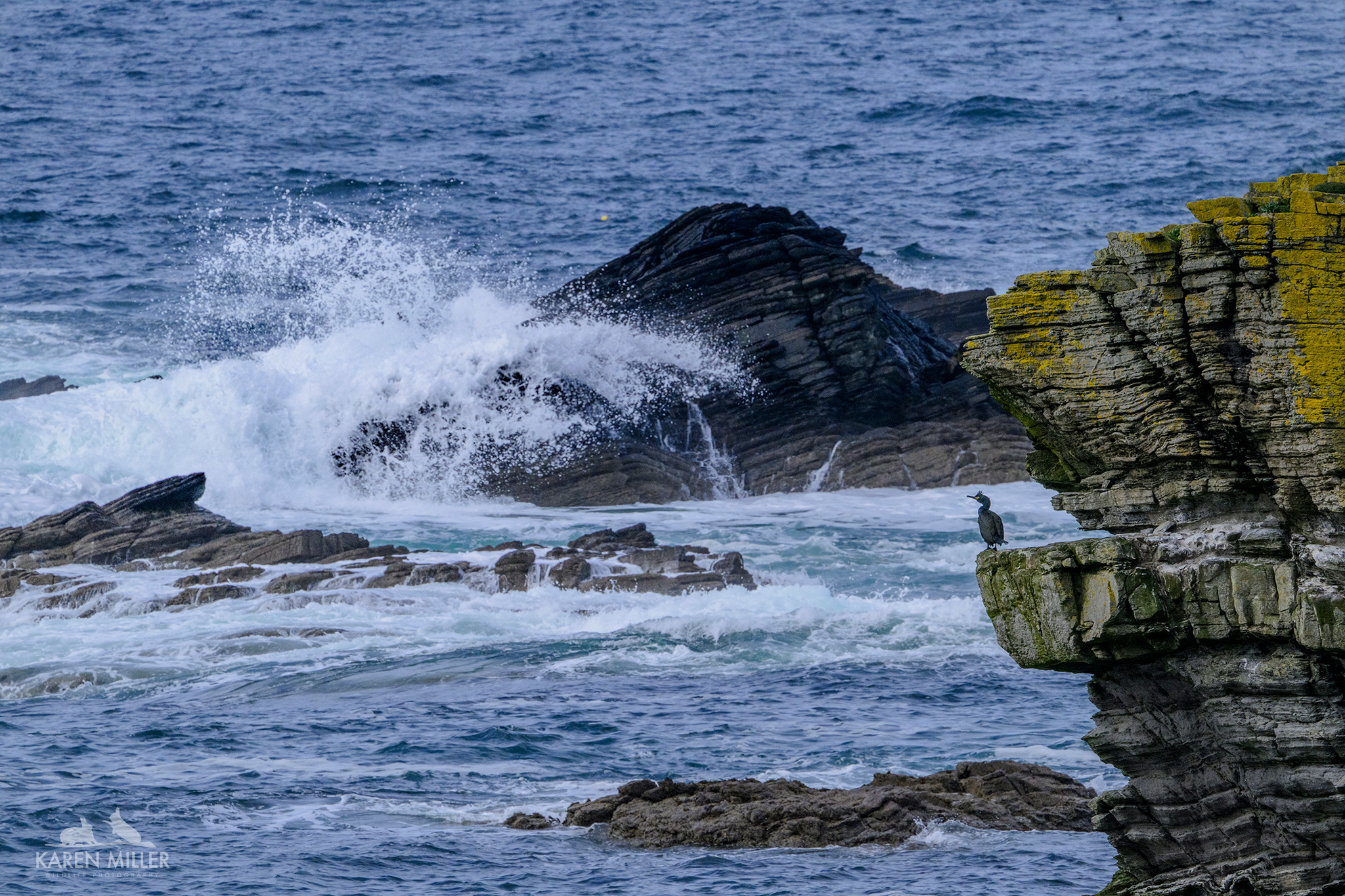
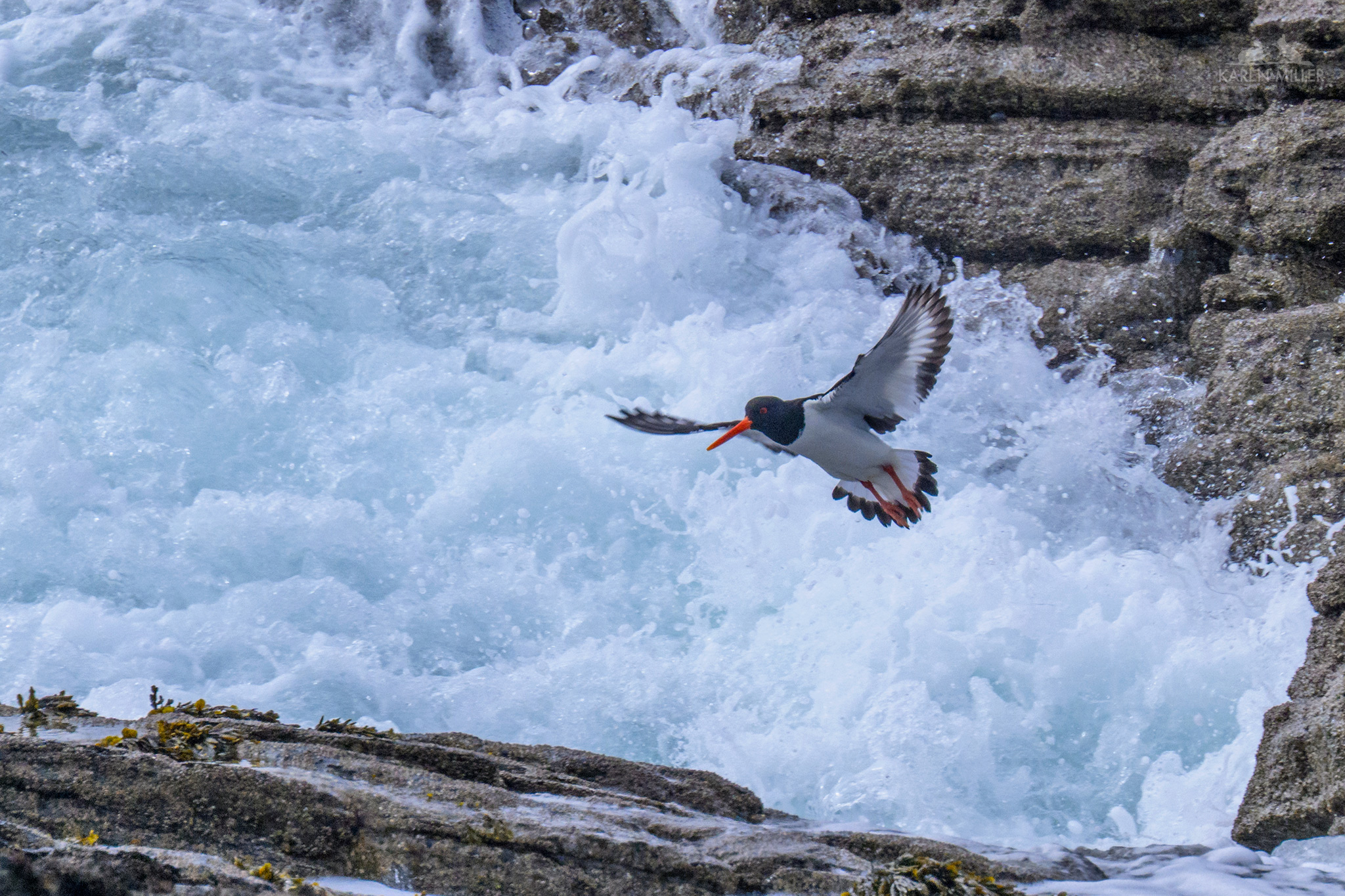
Much as I enjoyed the calm conditions in 2025, I was disappointed not to witness any stormy seas. In 2026 there were plenty. I imagine it can be considerably more wild, but, nonetheless it looked great. I tried to photograph the seas, but it never quite comes out how I see it.
I also looked around for birds to feature in my stormy sea images.
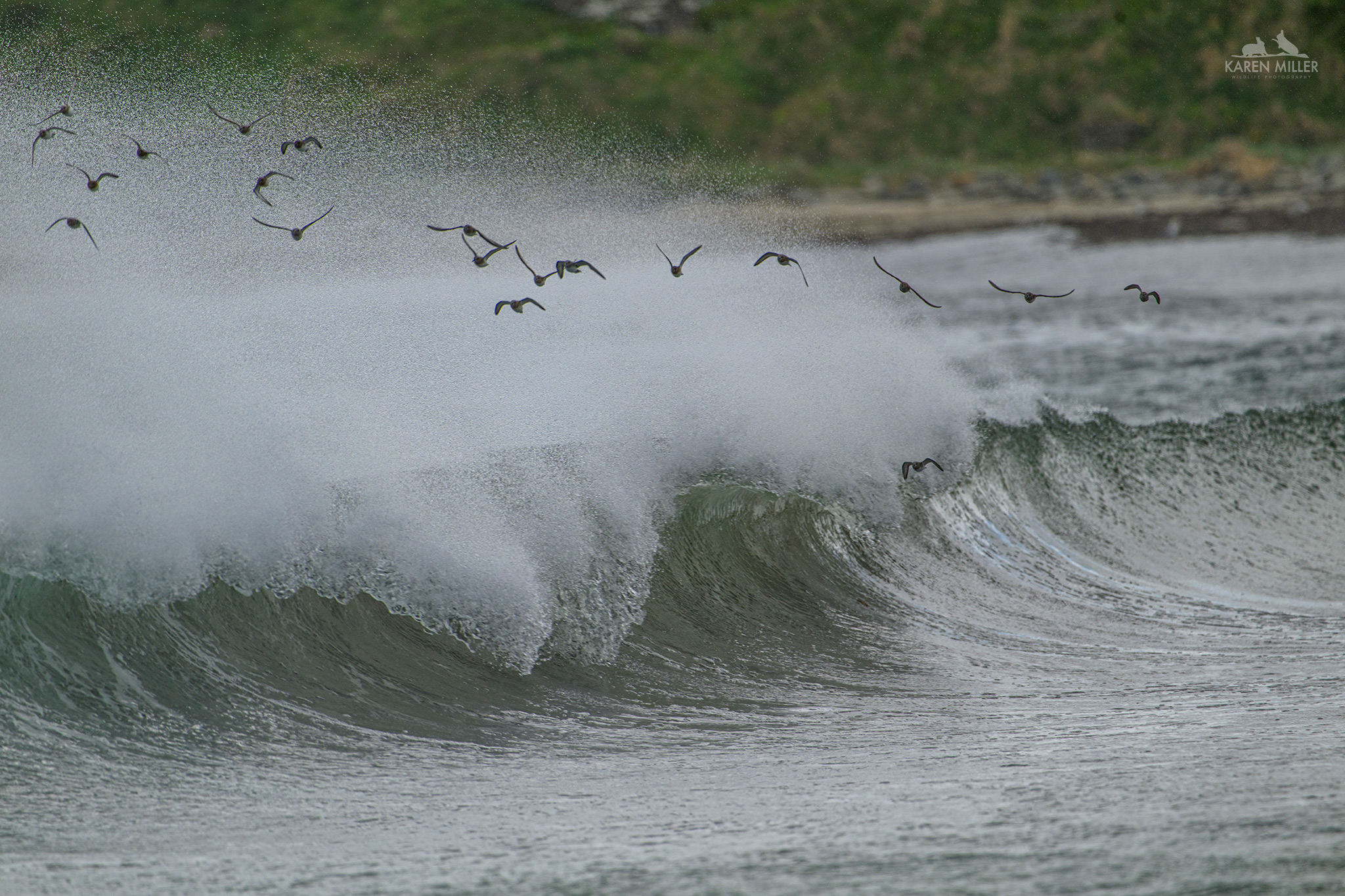
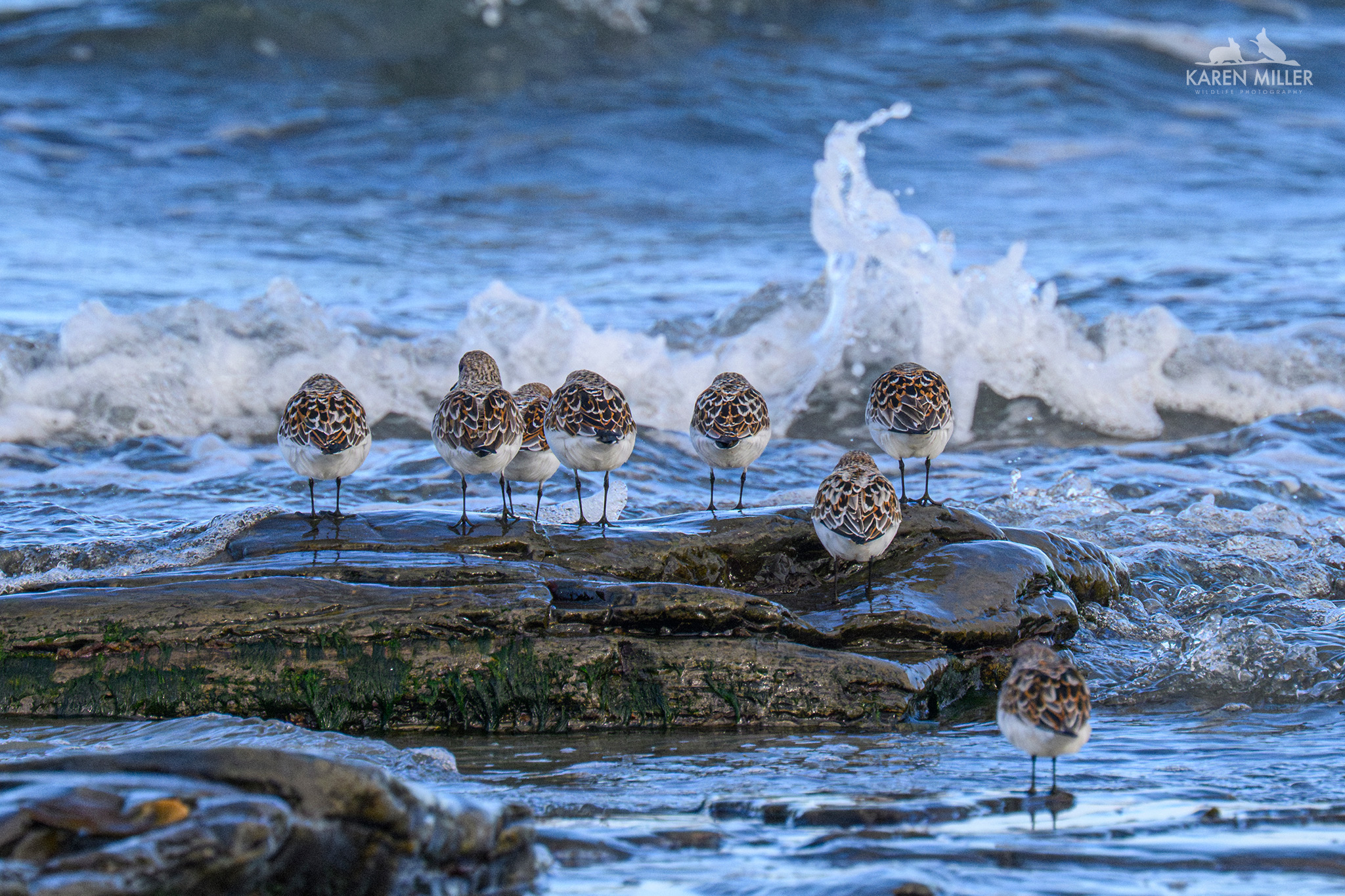
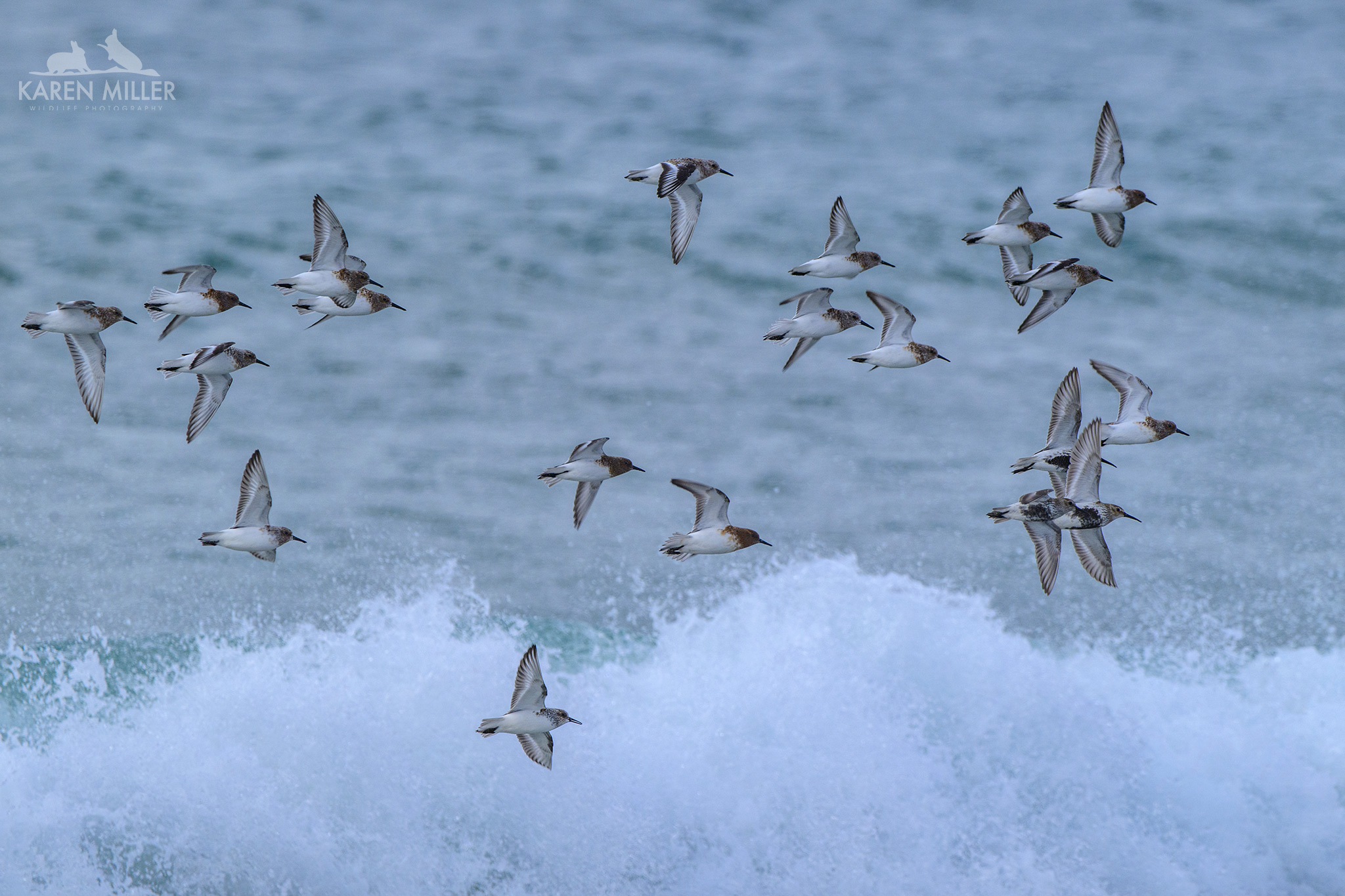
The beaches, which on first glance appeared empty except for gulls and crows, all had populations of small birds, primarily ringed plovers, turnstone and sanderling. The latter especially were so entertaining to watch. They would scuttle down to the sea edge in a flock, and when the wave came in would turn around and run back up the beach.
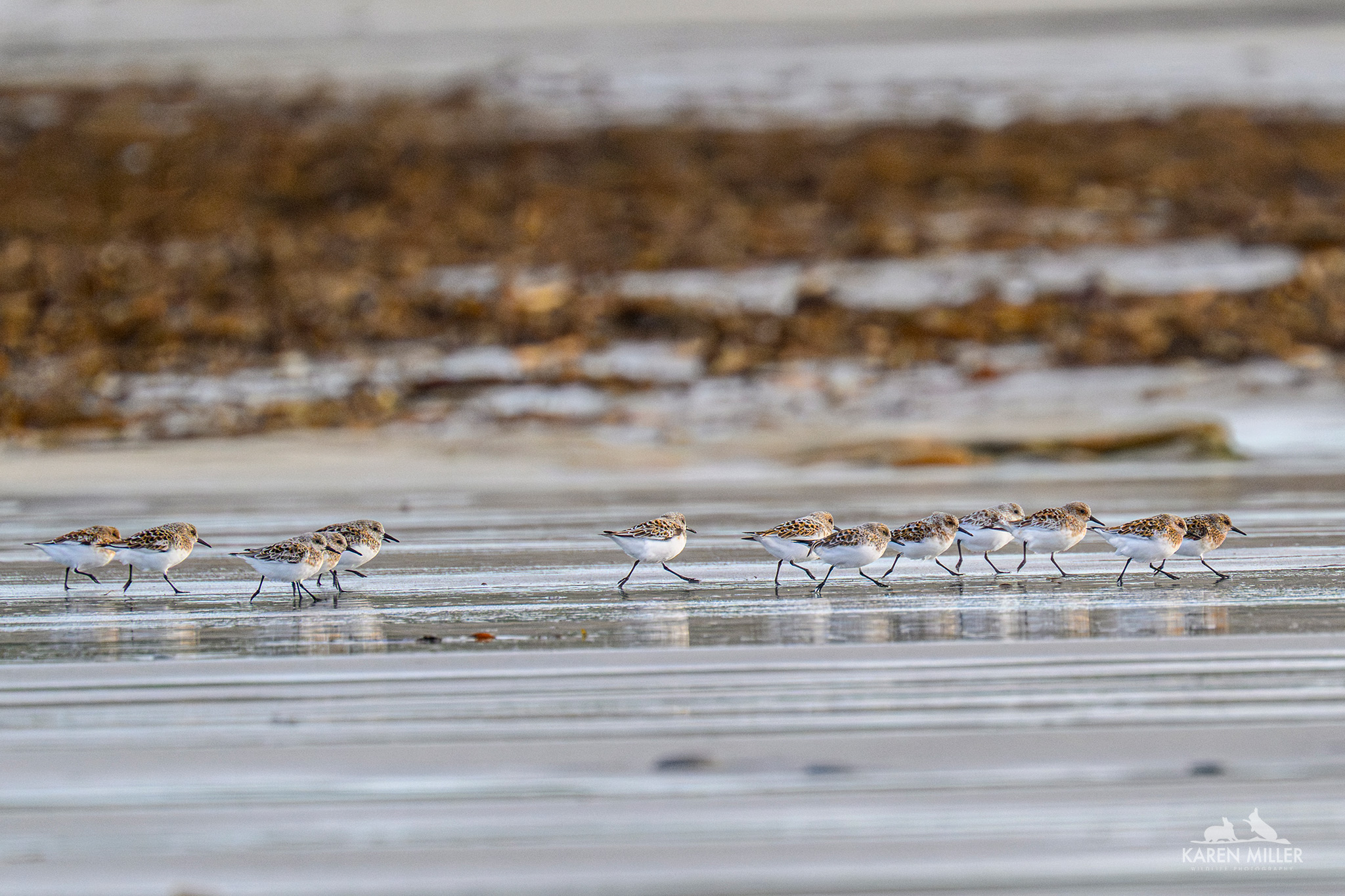
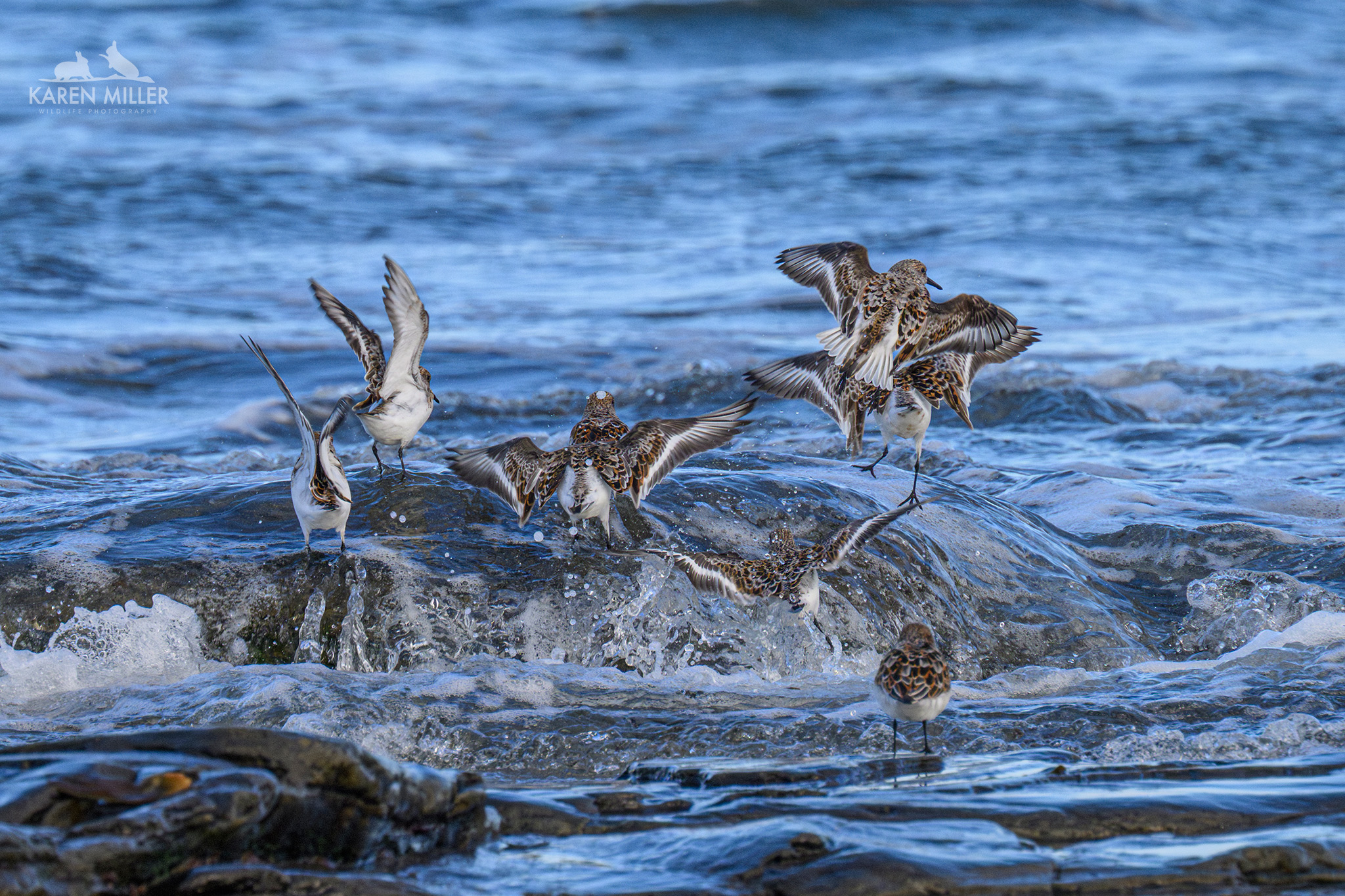
The sanderling would also all stand on a rock facing out to sea, and whenever a wave came they’d jump into the air. Eventually flying off.
Early one morning I came across them snoozing in the seaweed. So well camouflaged!
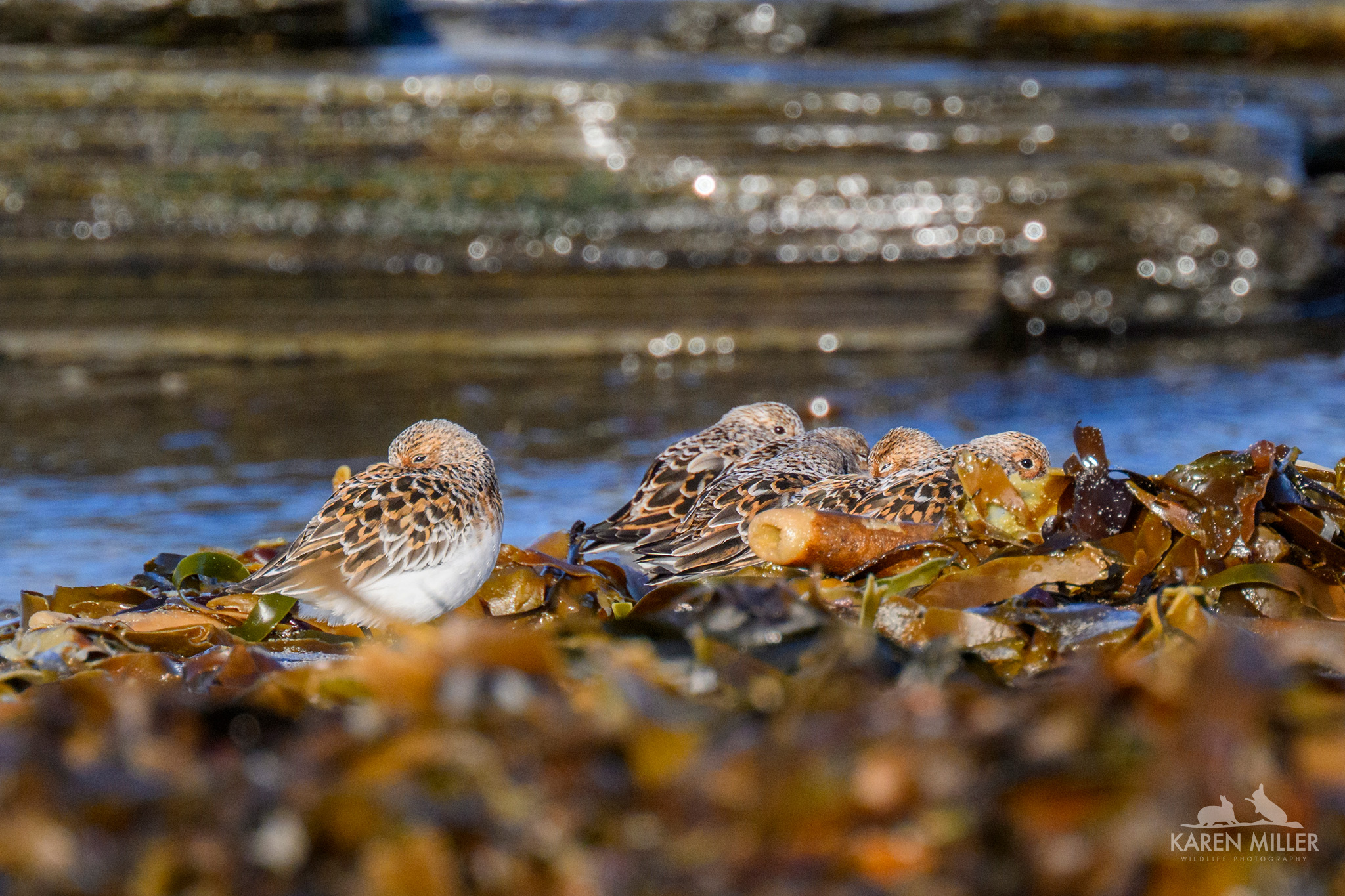
I could have watched them for hours!
The turnstone were also well camouflaged in the seaweed and it was only when they moved I spotted them. The speckling in this image is the sand being blown across the beach – it was a bit blowy that day!
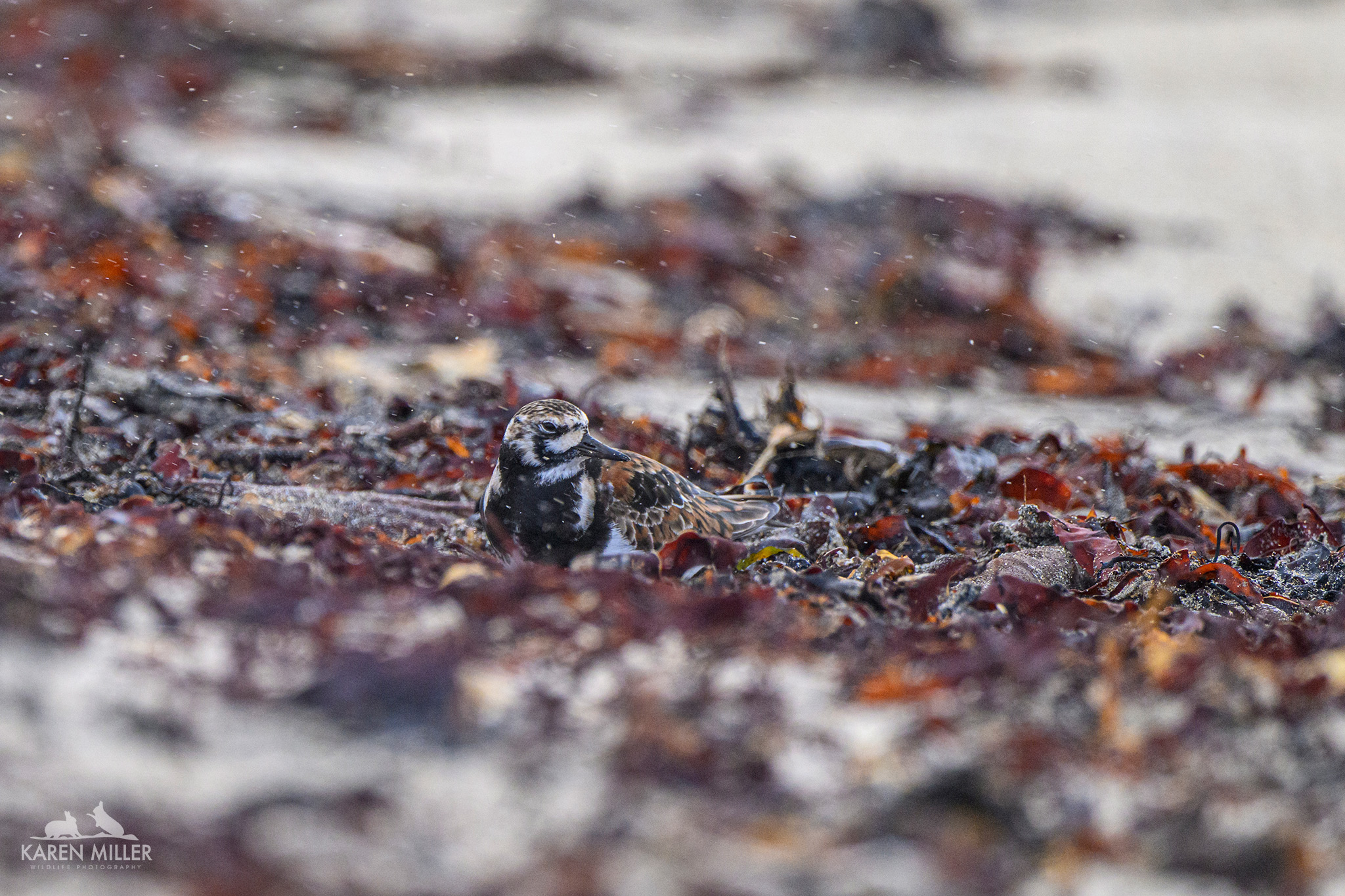
The ringed plovers were hanging out with the latter two species, another bird I always enjoy watching as they ran along the shore line or foraged in the seaweed.
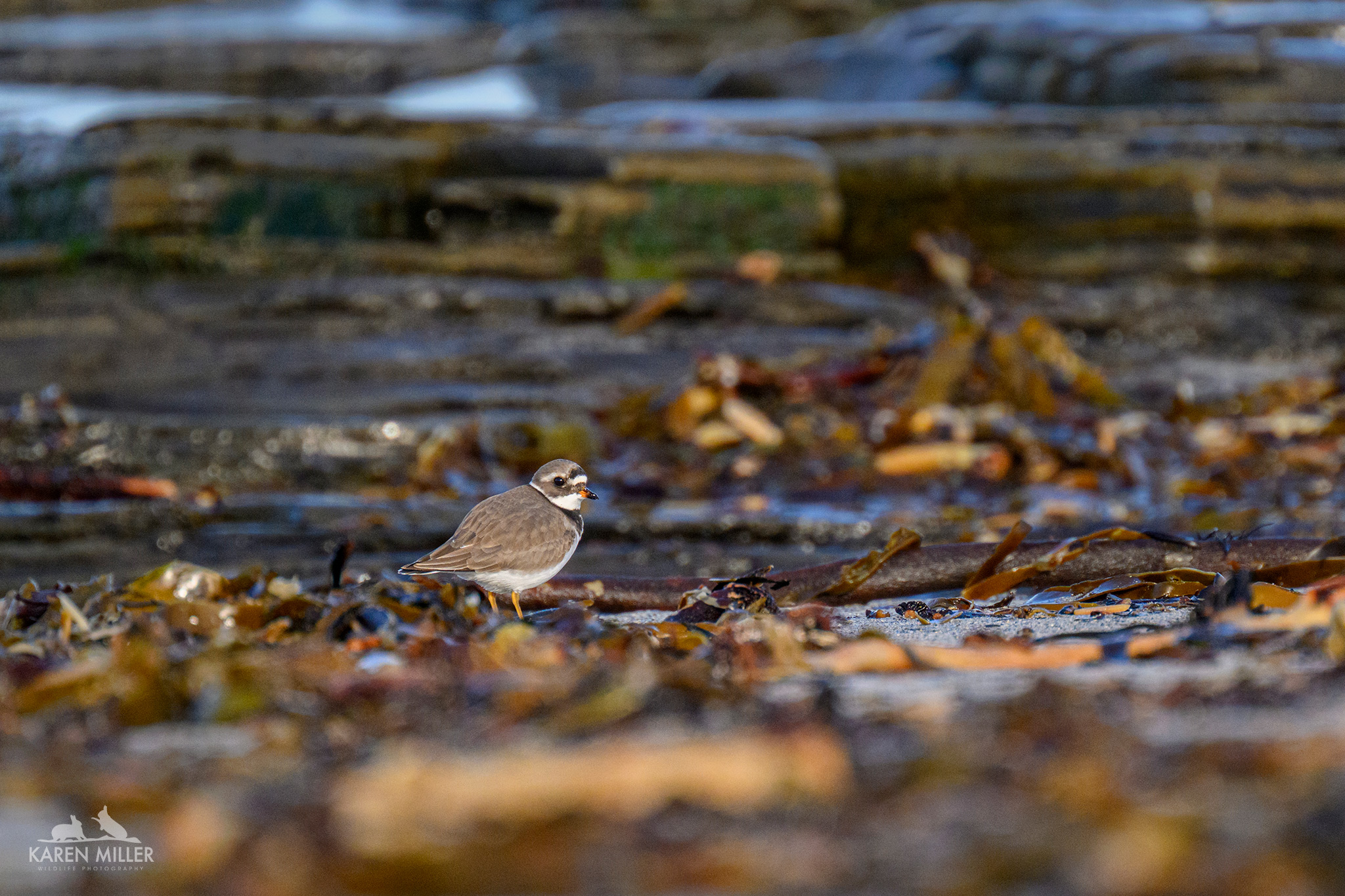
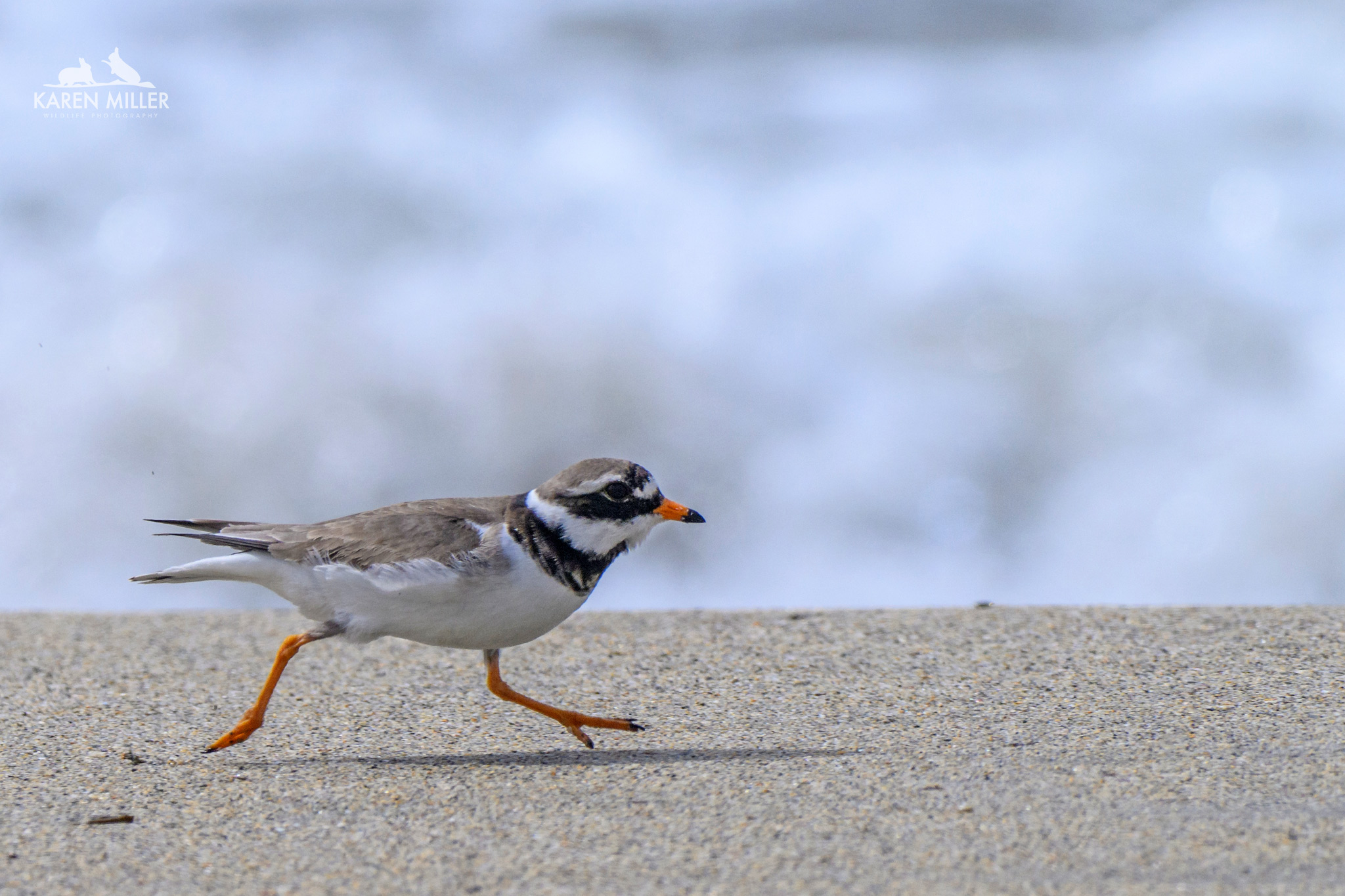
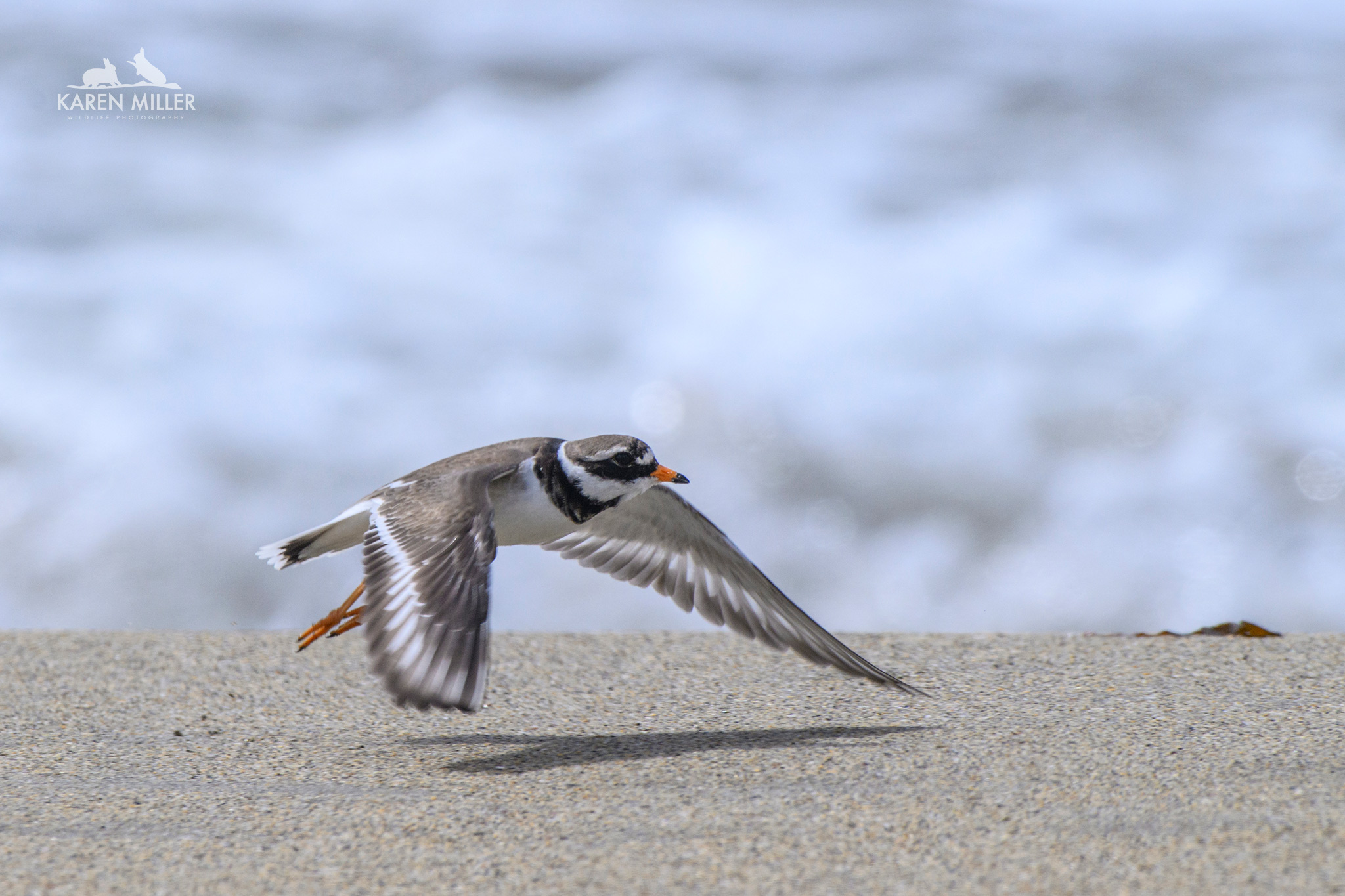
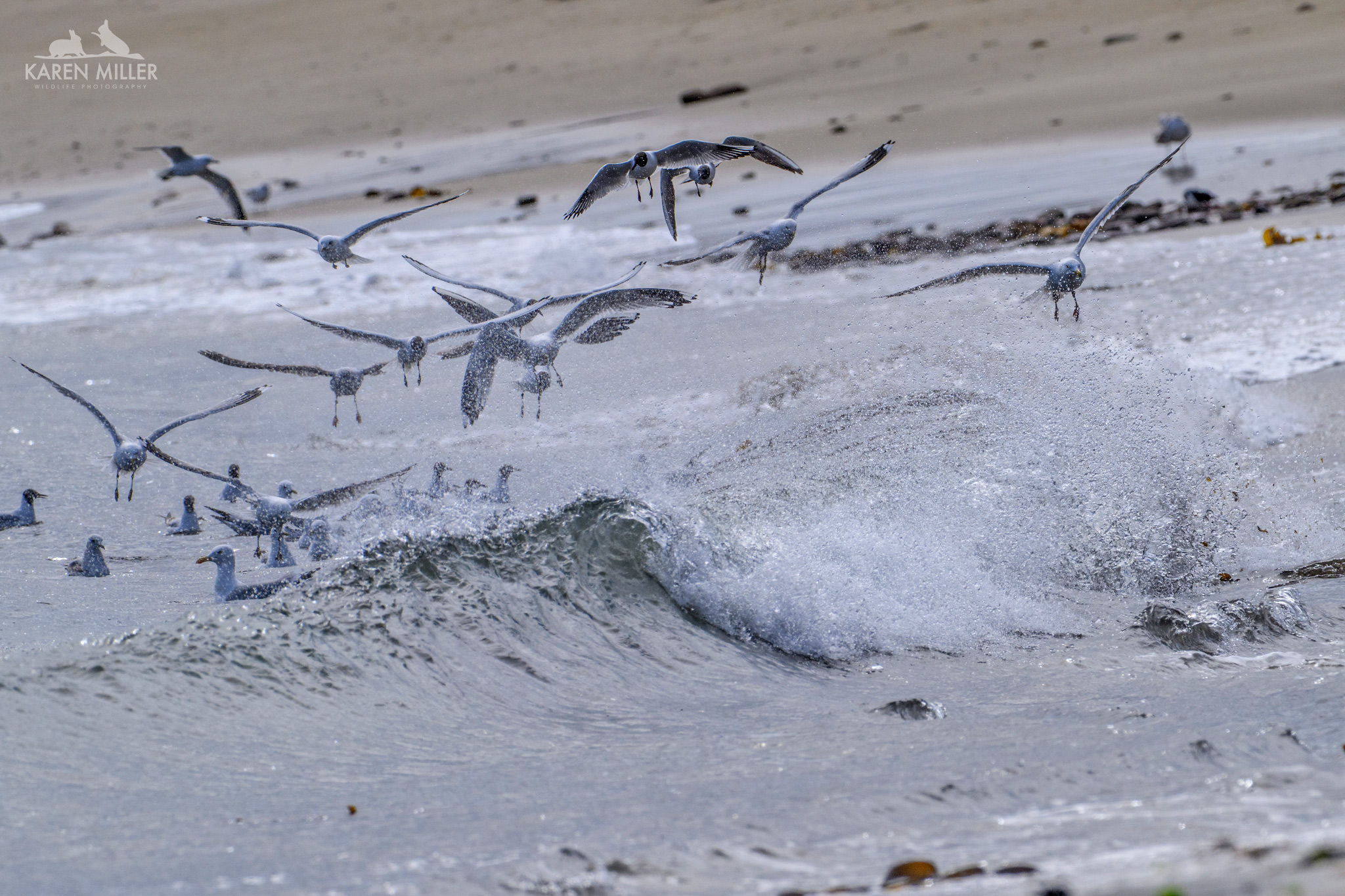
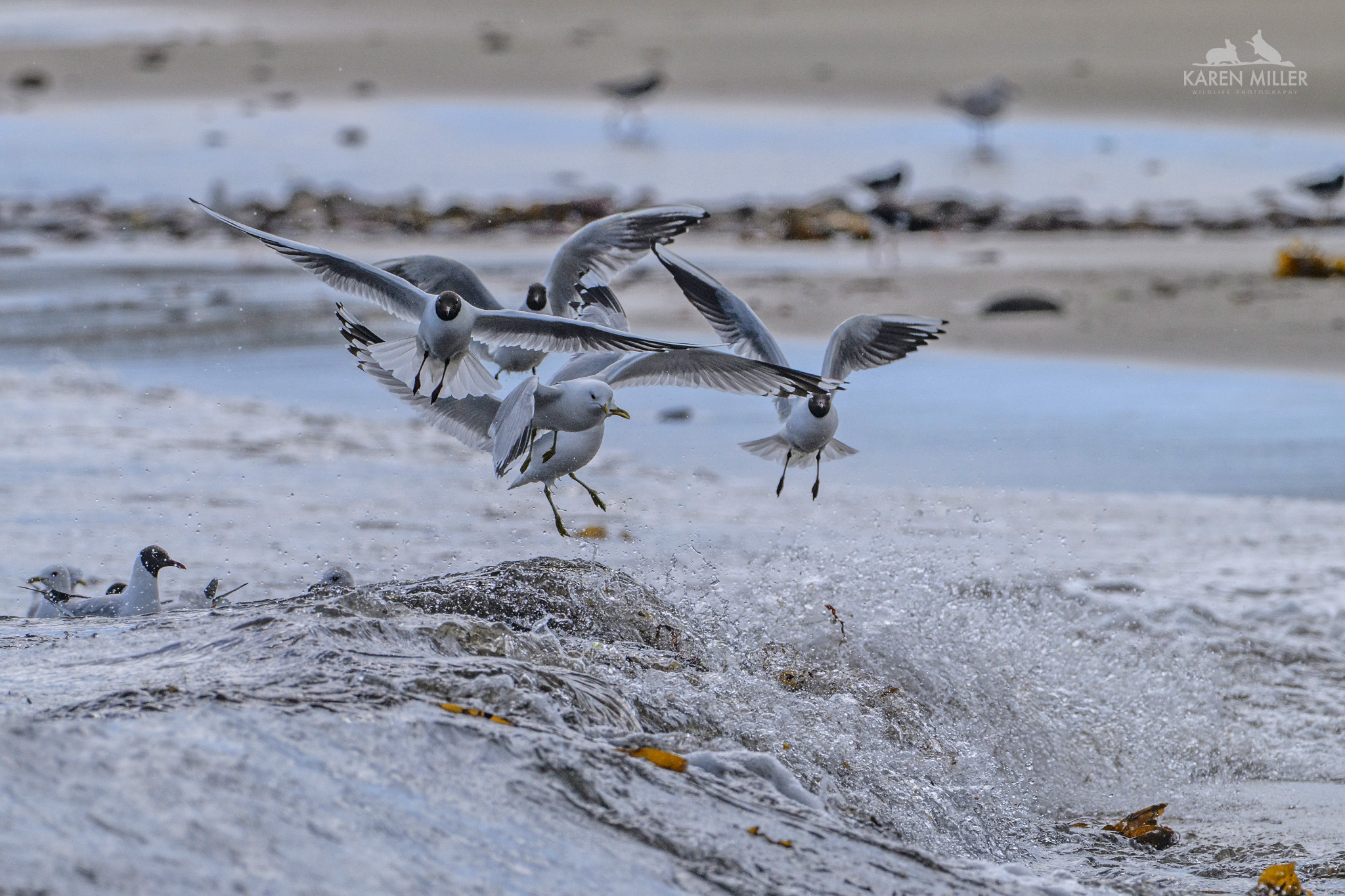
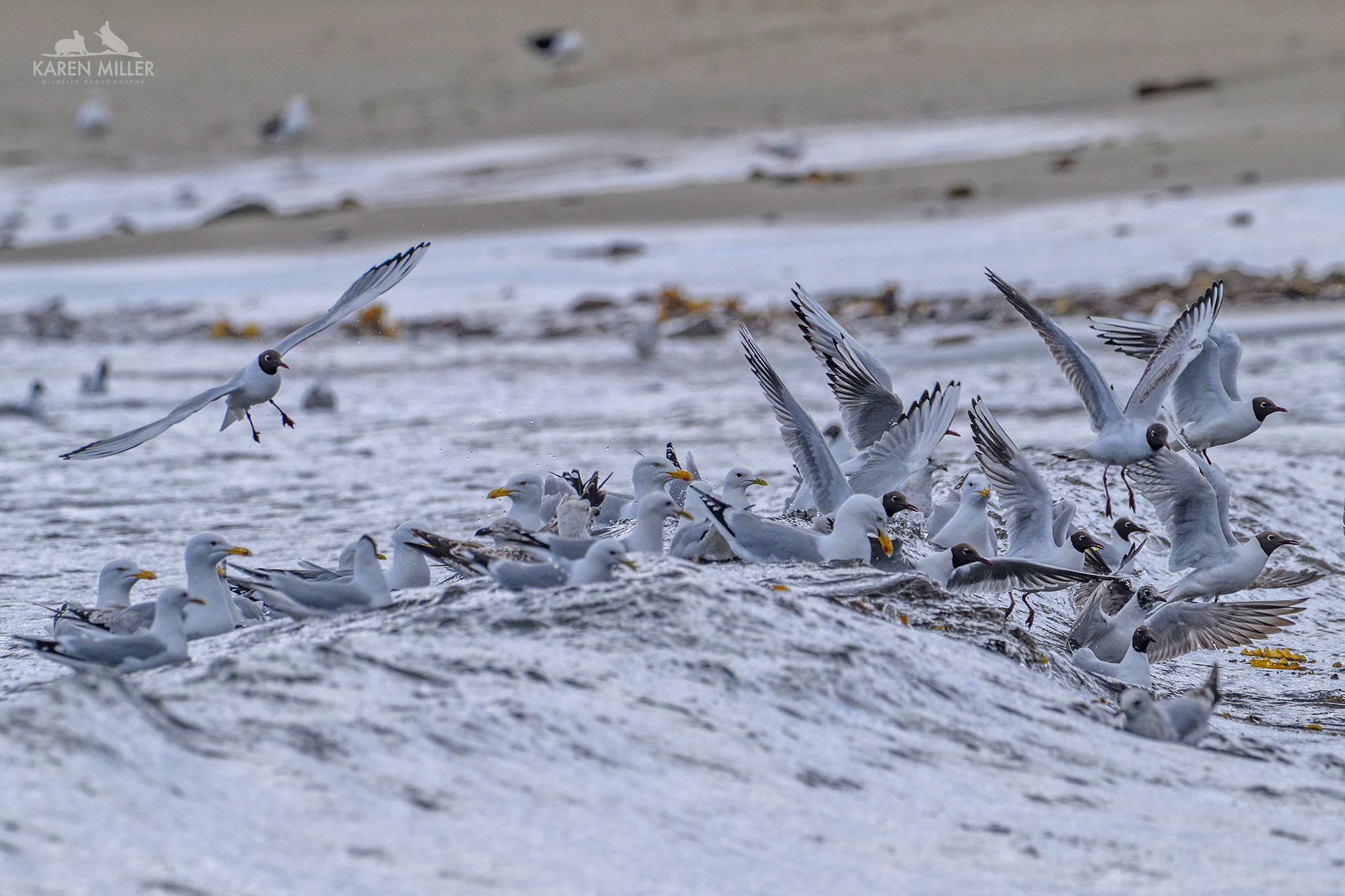
There were gulls aplenty – kittiwakes were nesting on the cliffs whilst black-backed, lesser black-backed and black-headed gulls looked for food / eggs to steal. I watched a large group one stormy day all bobbing about close to shore, rising up out of the water whenever a large wave came.
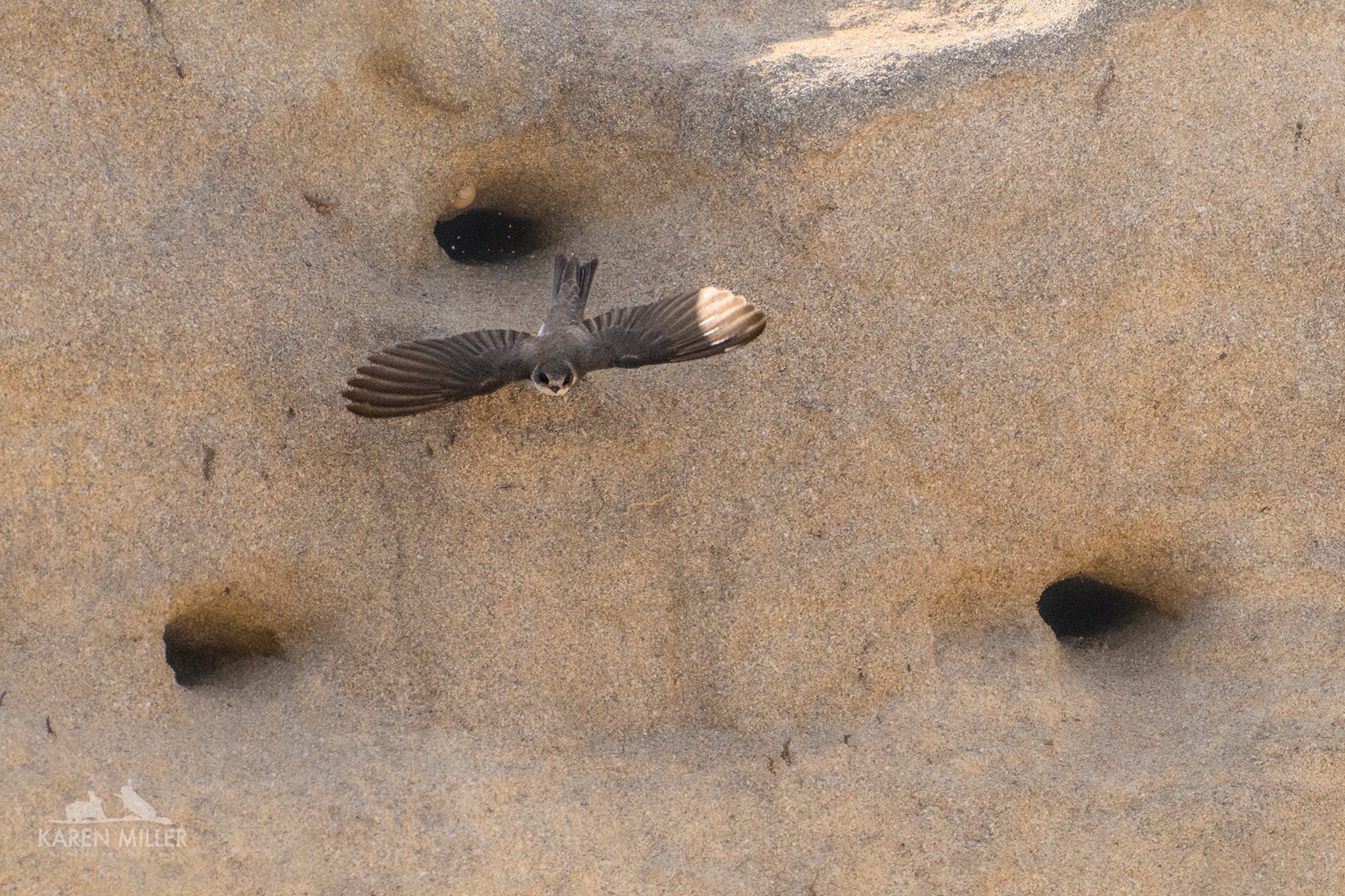
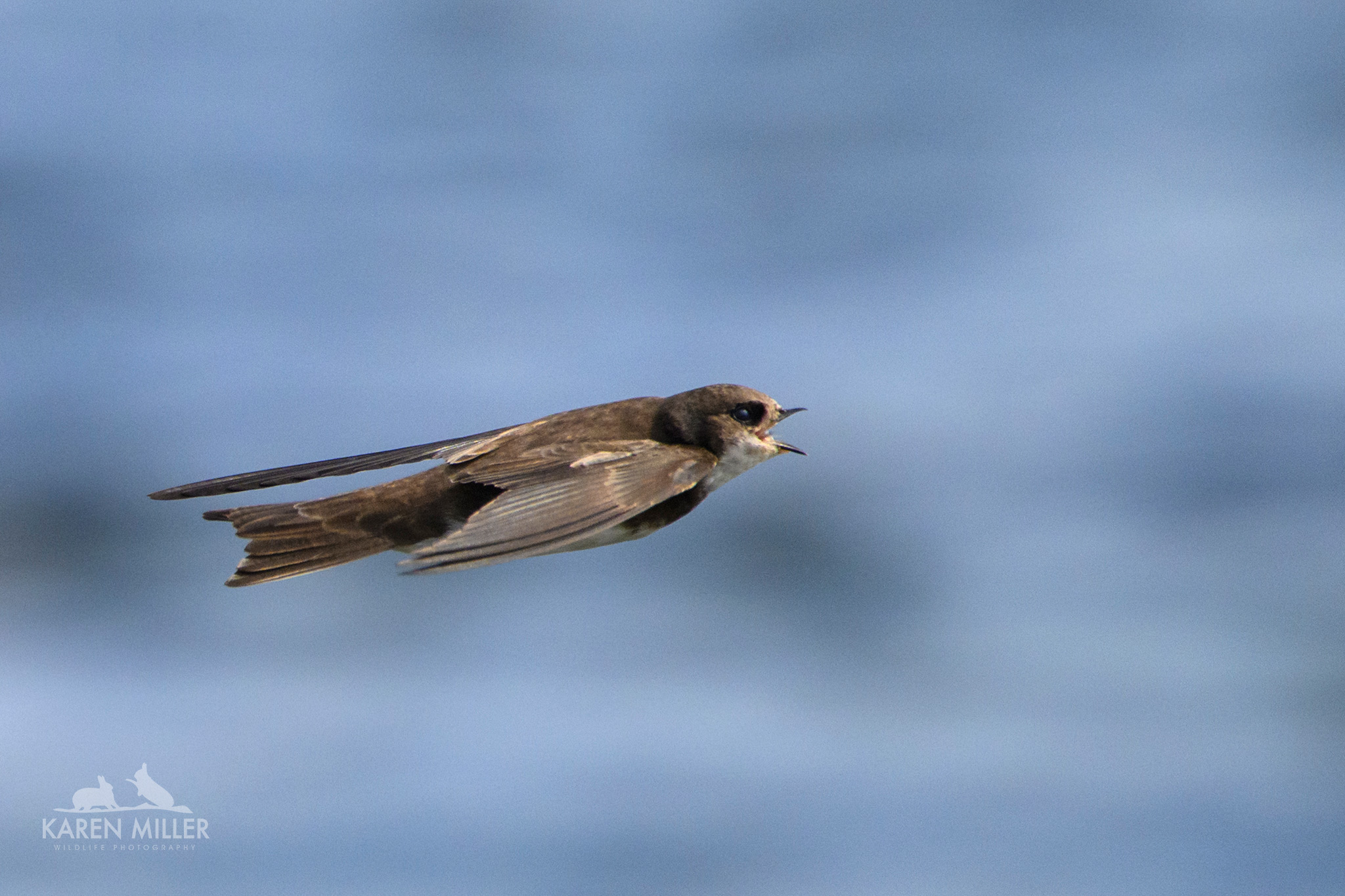
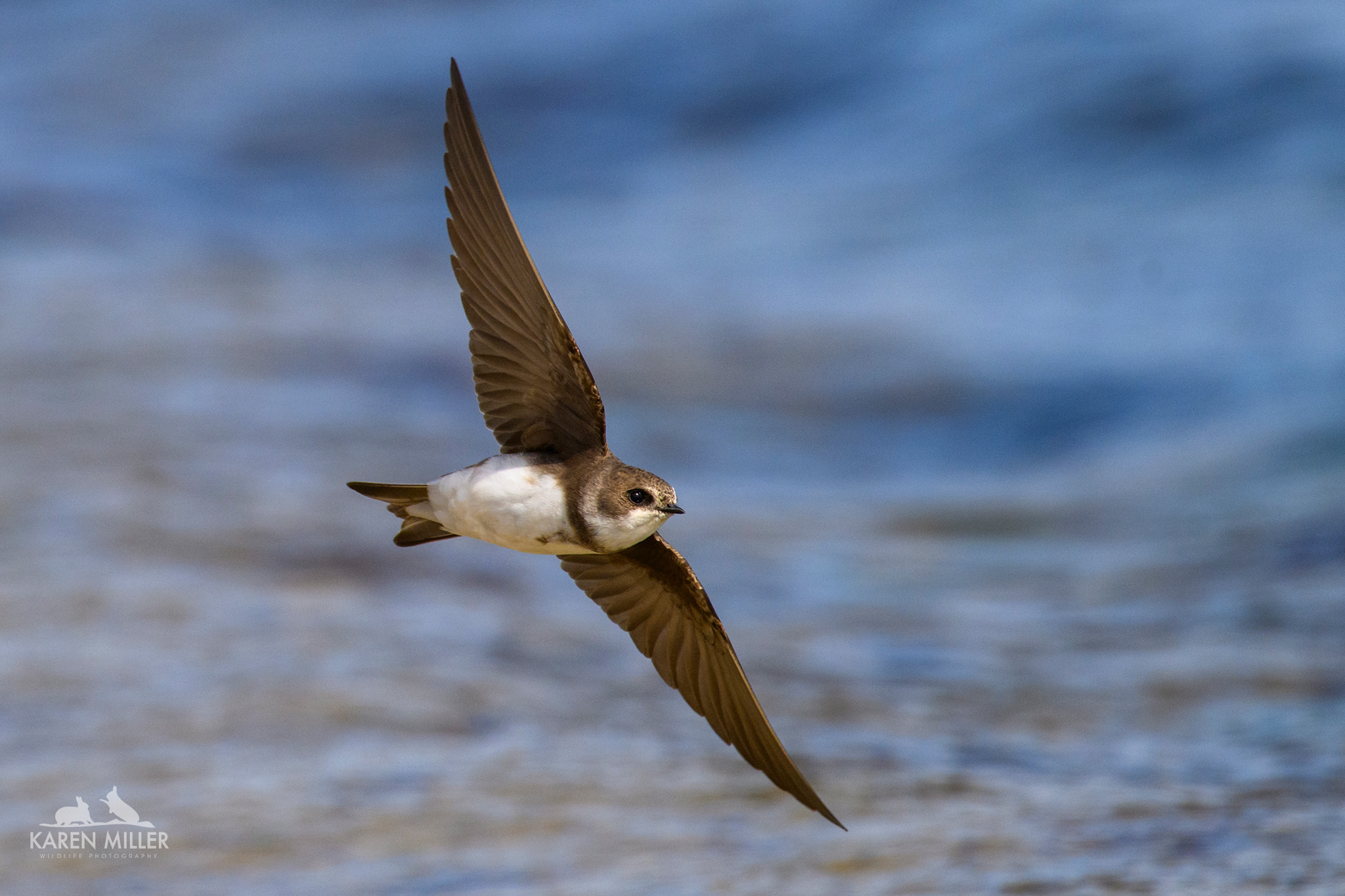
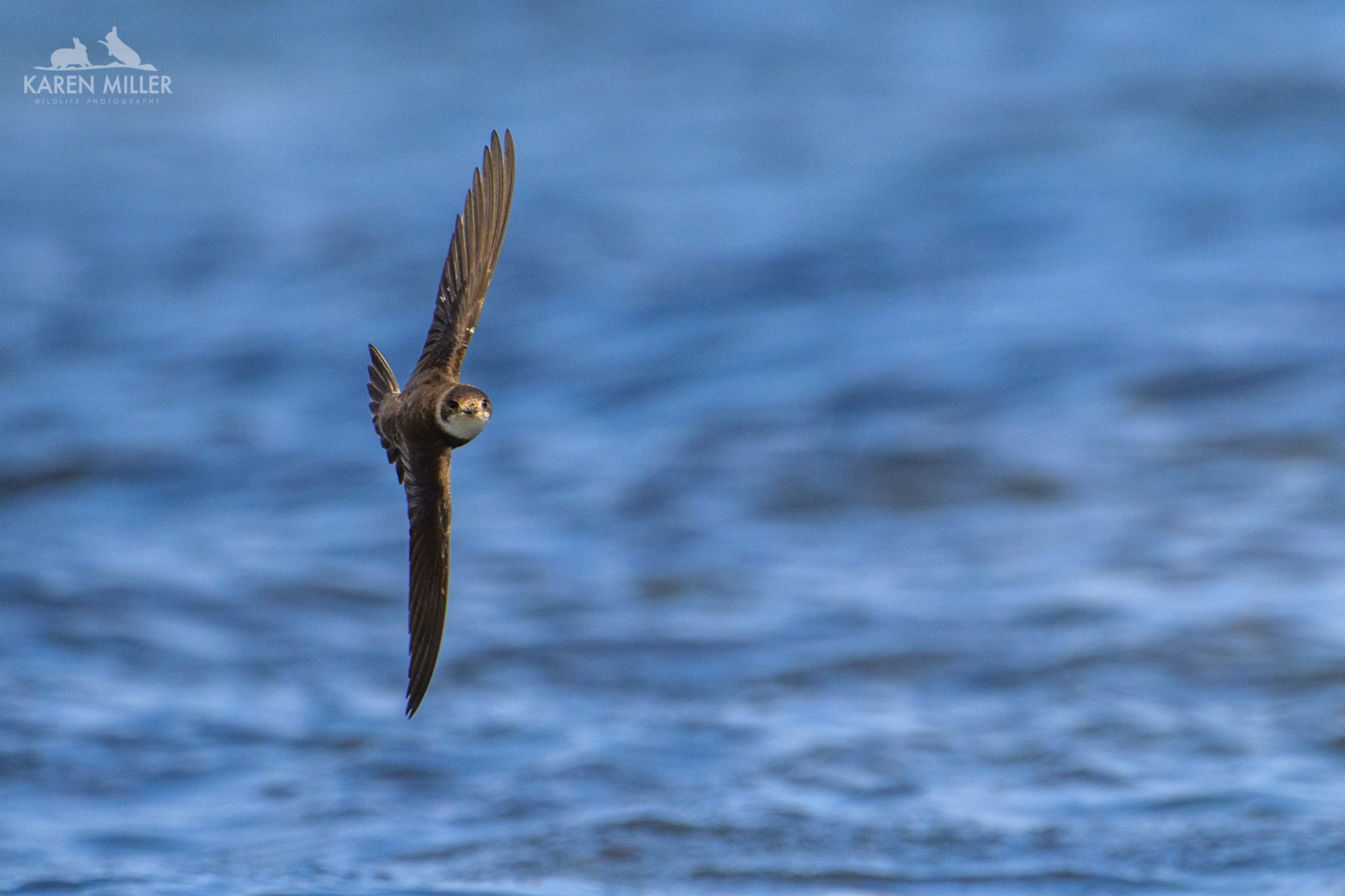
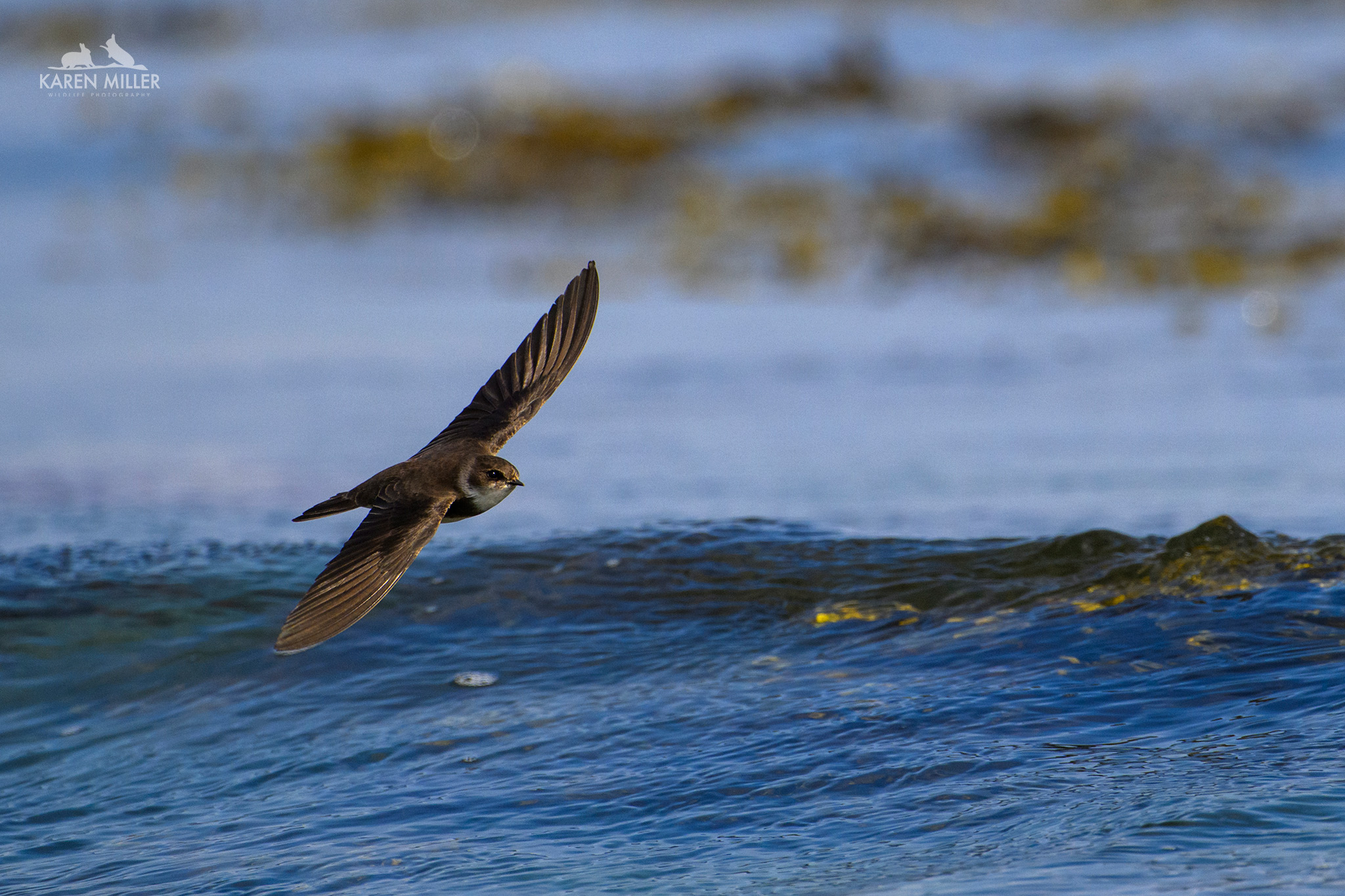
Many of the beaches were also home to sand martins. I found a couple of large colonies. The birds where speeding past me as they hawked for insects. Fun to photograph – I don’t use eye-tracking on my Nikon Z8 very often, but it certainly came in useful for this, it was keeping the camera on them that was the issue. However, the light was perfect and I came away with a number of keepers which is always satisfying.
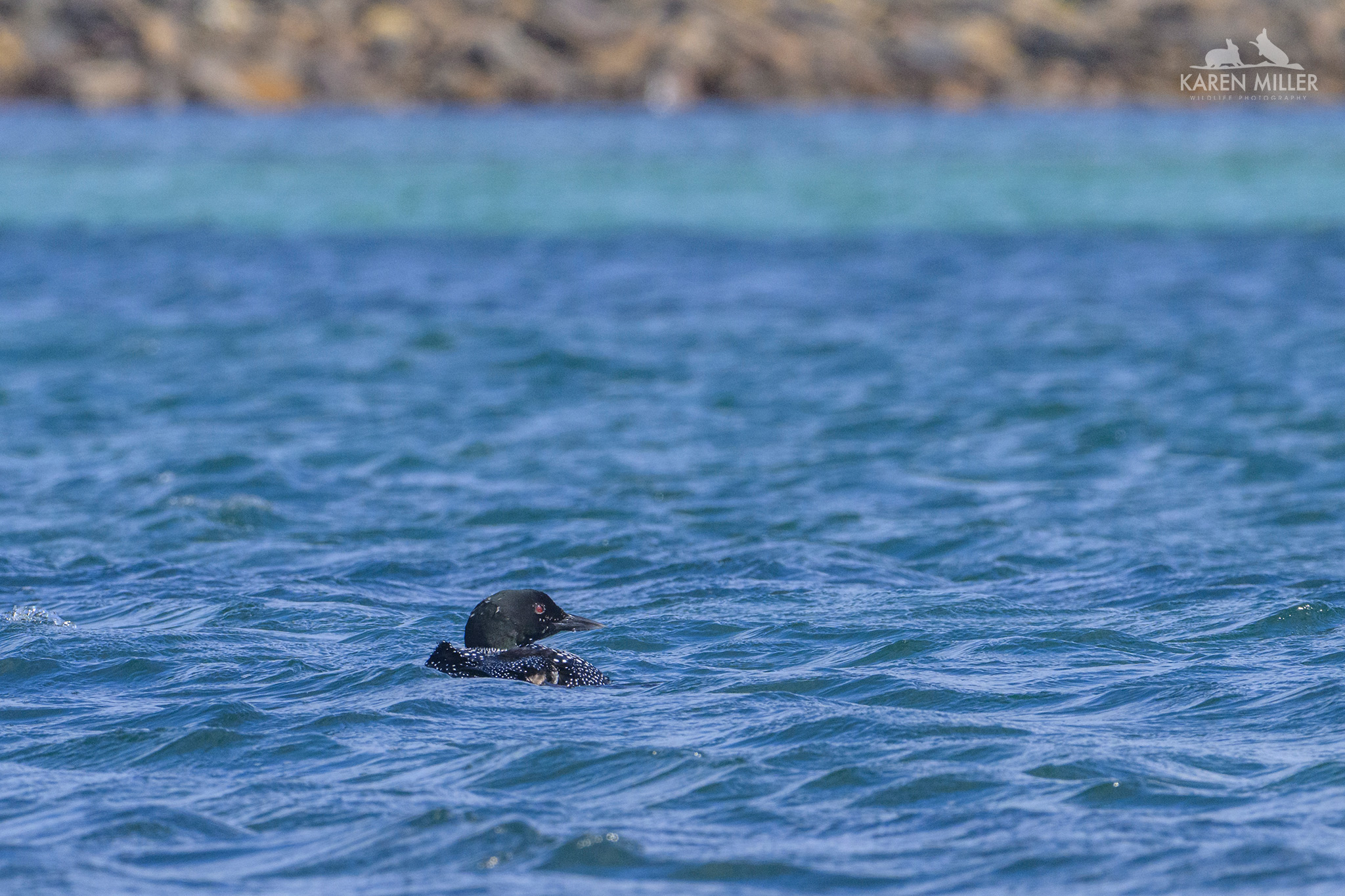
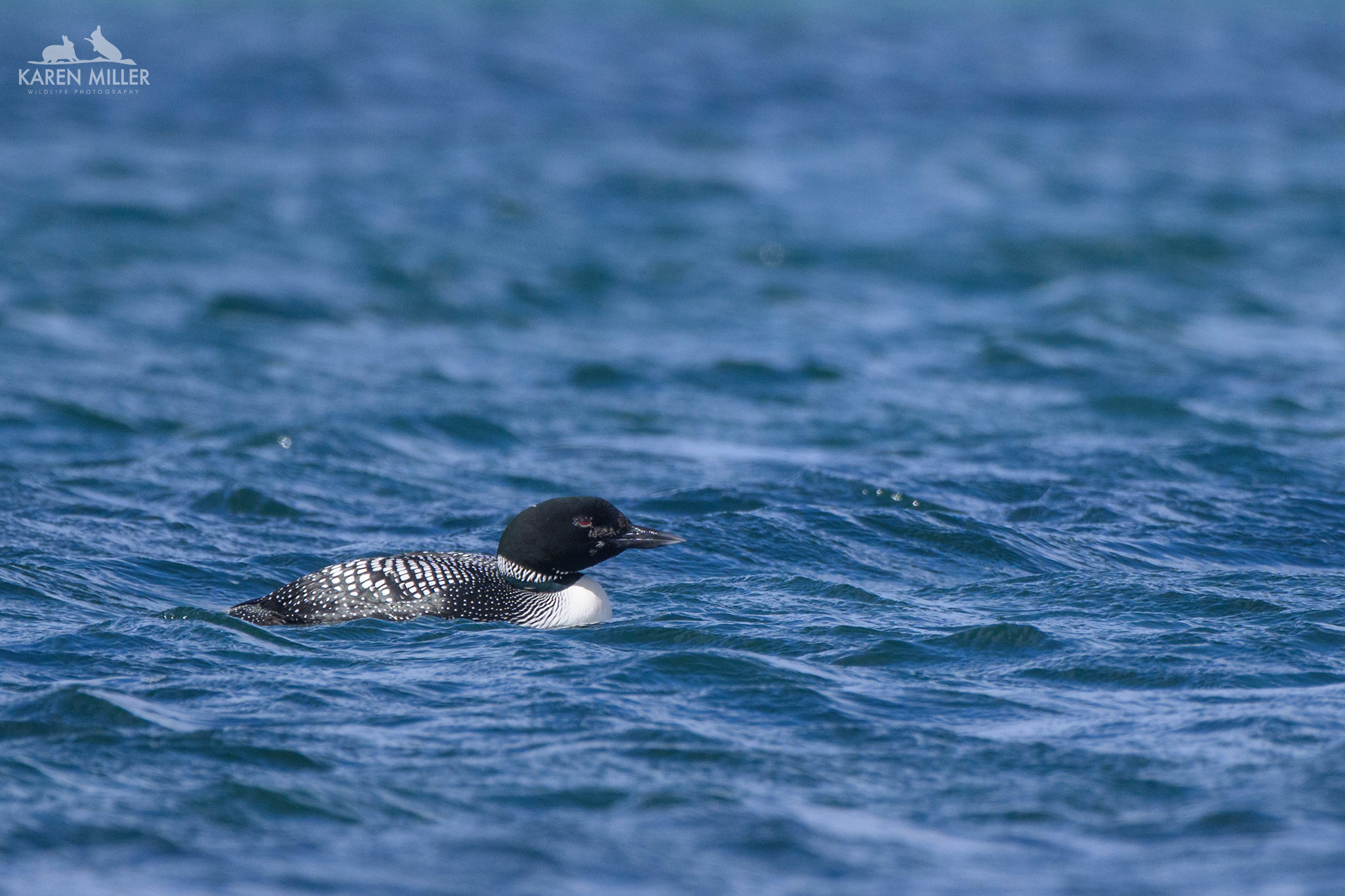
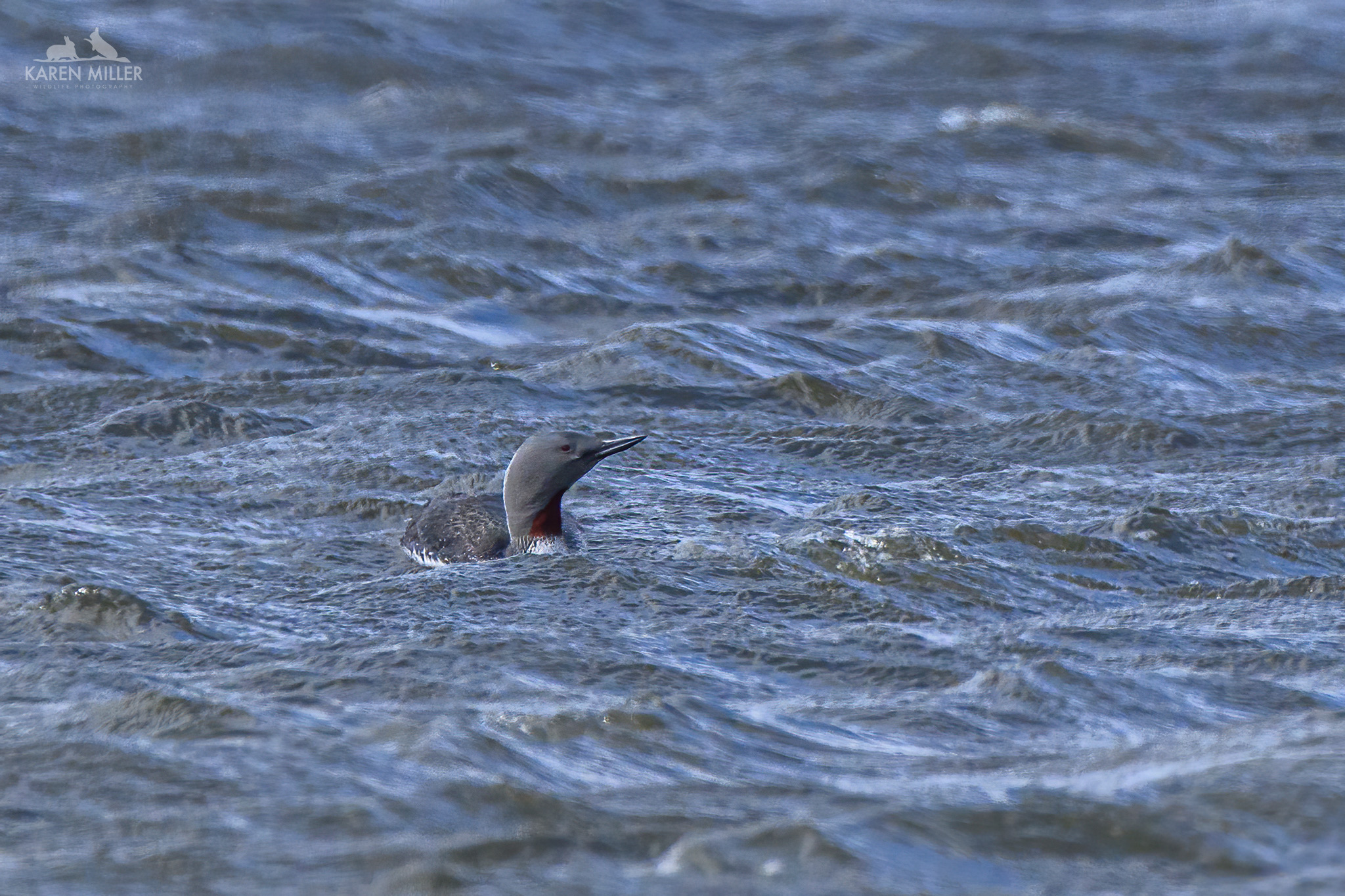
I was surprised, but delighted to see three great northern divers close to shore on the final day of our vacation. The one close enough for photographs was about 90% in its gorgeous summer plumage, only the face was yet to fully change. There was also a red throated diver. Orkney has many breeding pairs of these. I saw quite a few babies from hides last year, but this was my only sighting in 2026.
Another, now threatened bird, that breeds in Orkney is the little tern. A feisty member of the tern family! There were few around as yet but we found a couple at a different site from 2025. I didn’t manage any particularly good images this time around but here’s one.
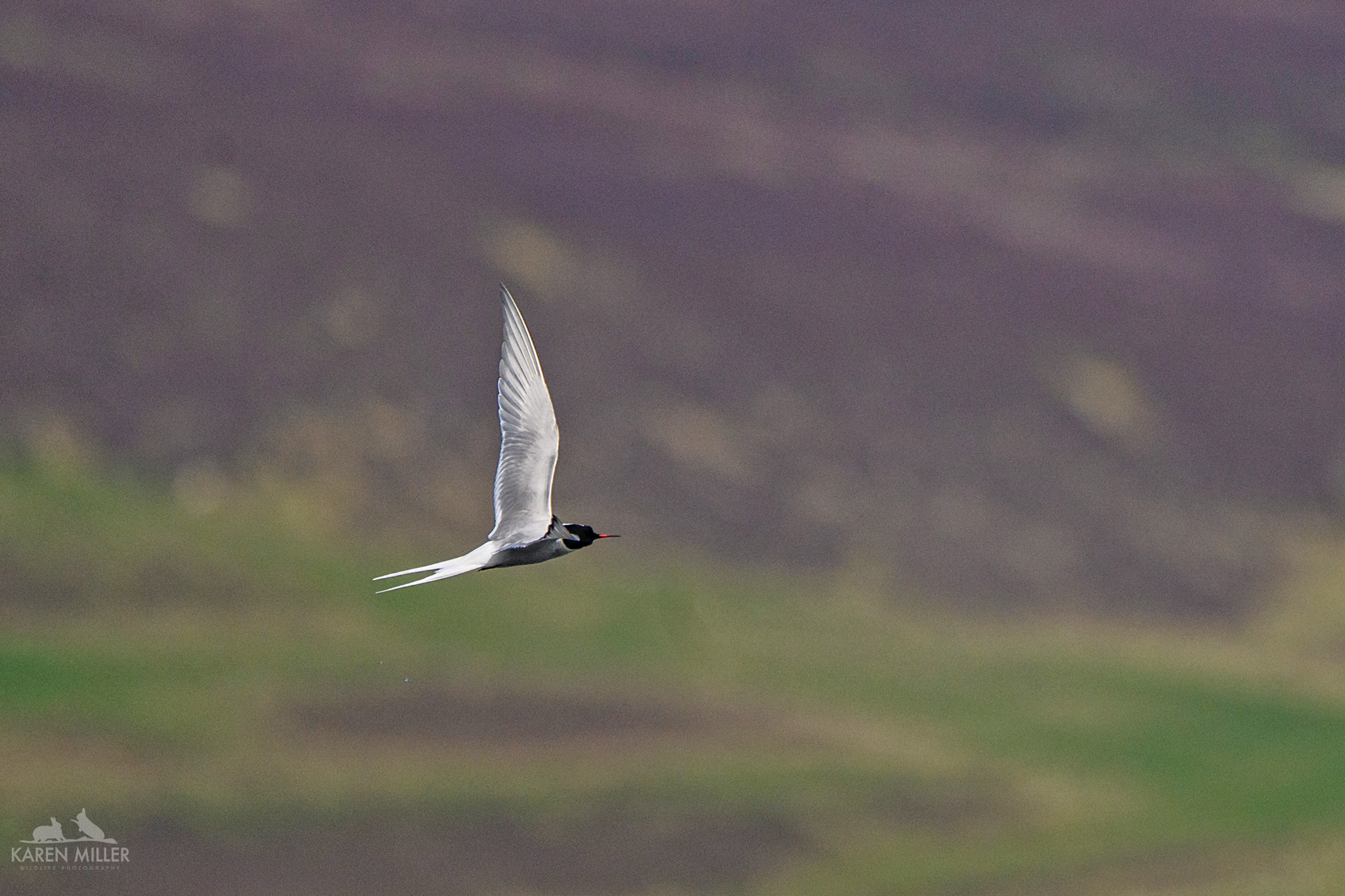
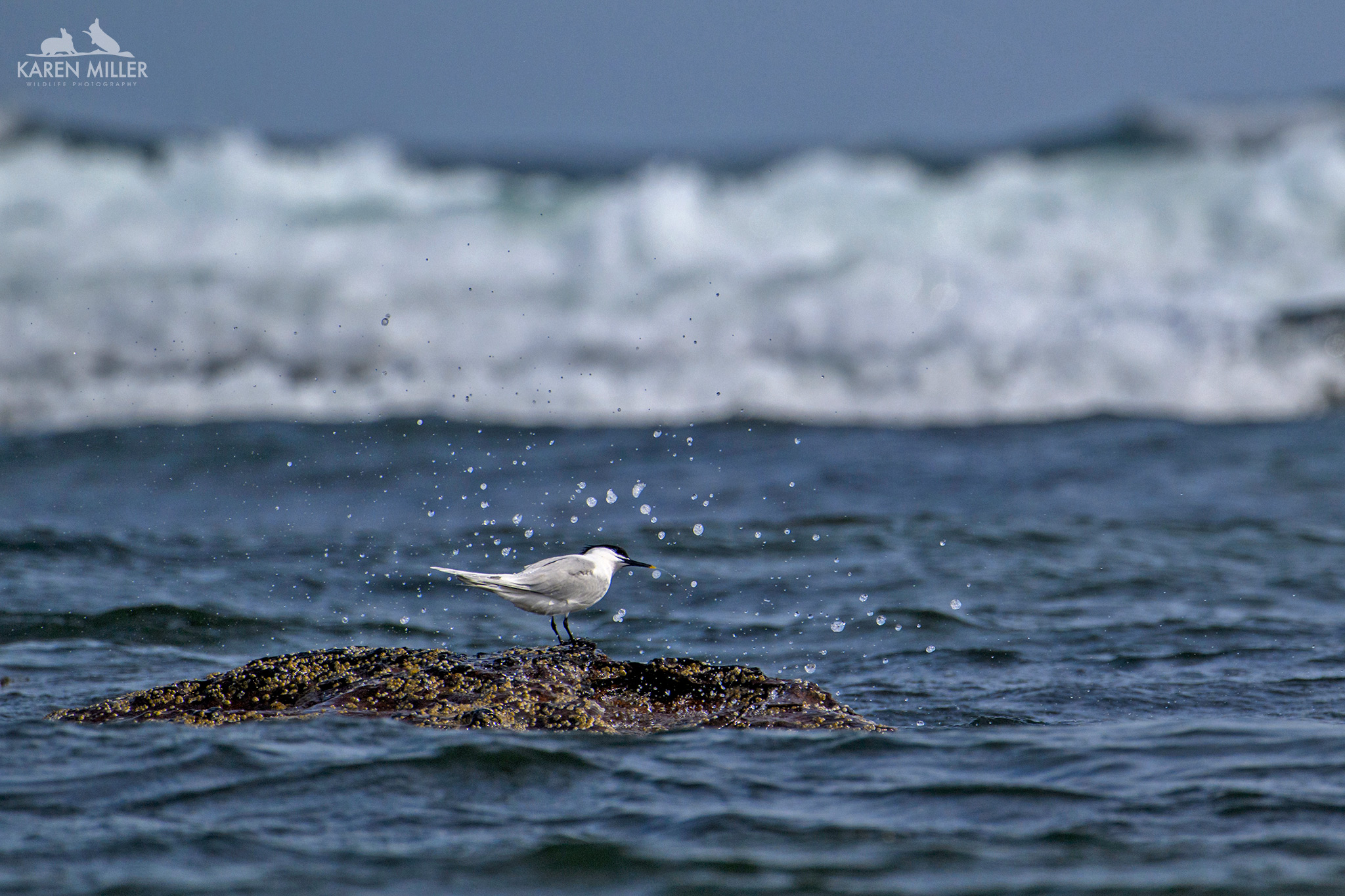
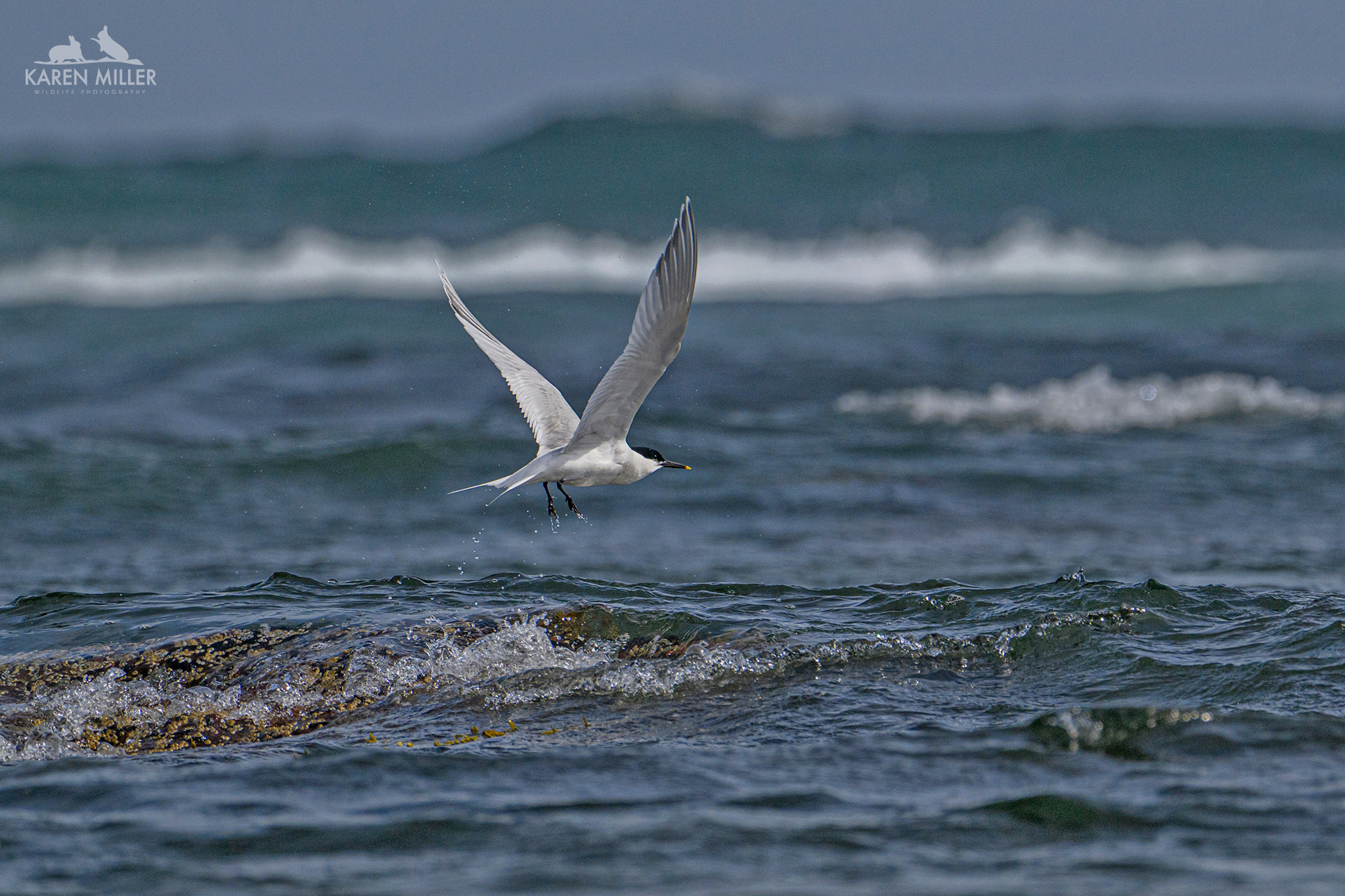
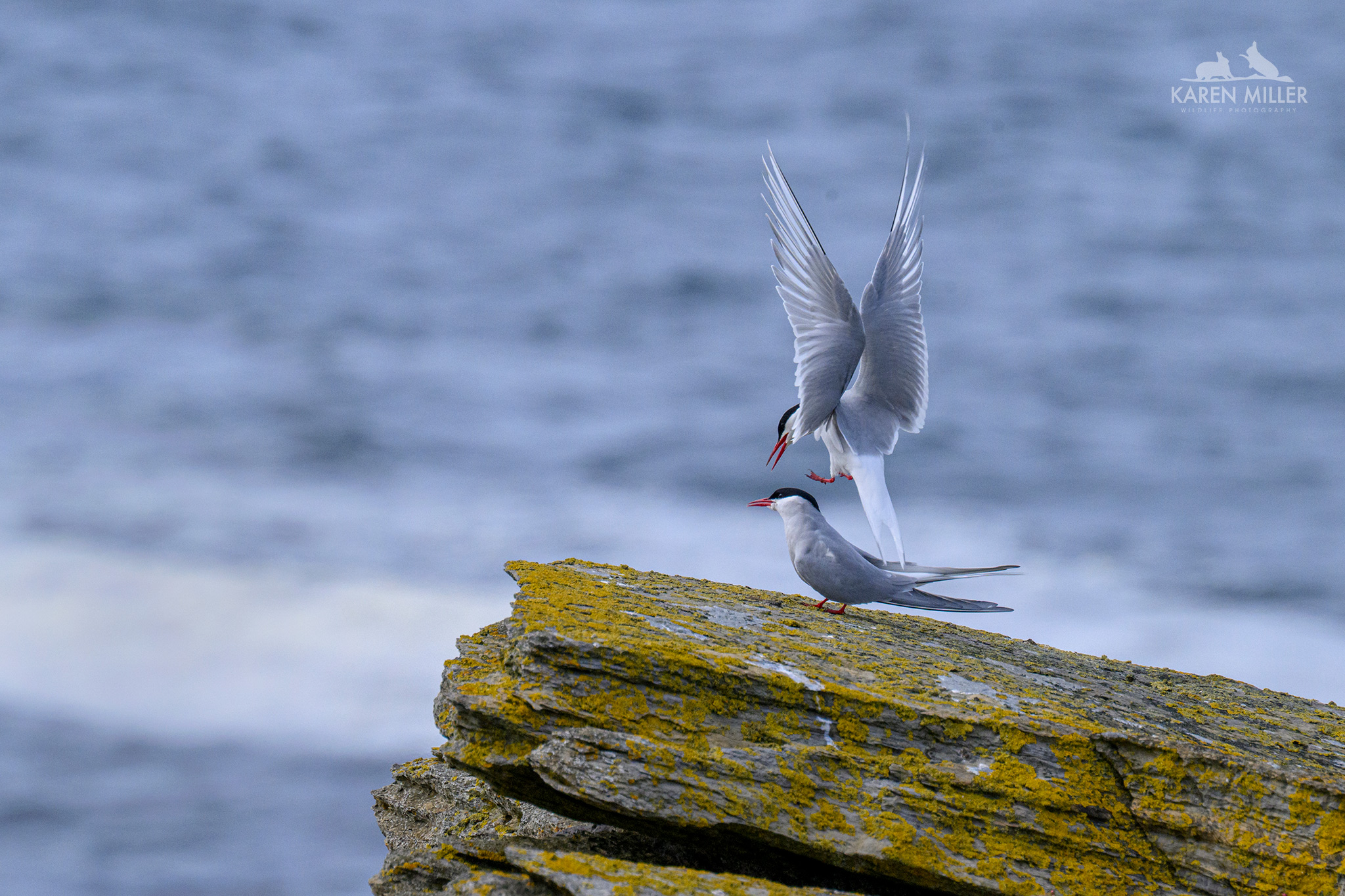
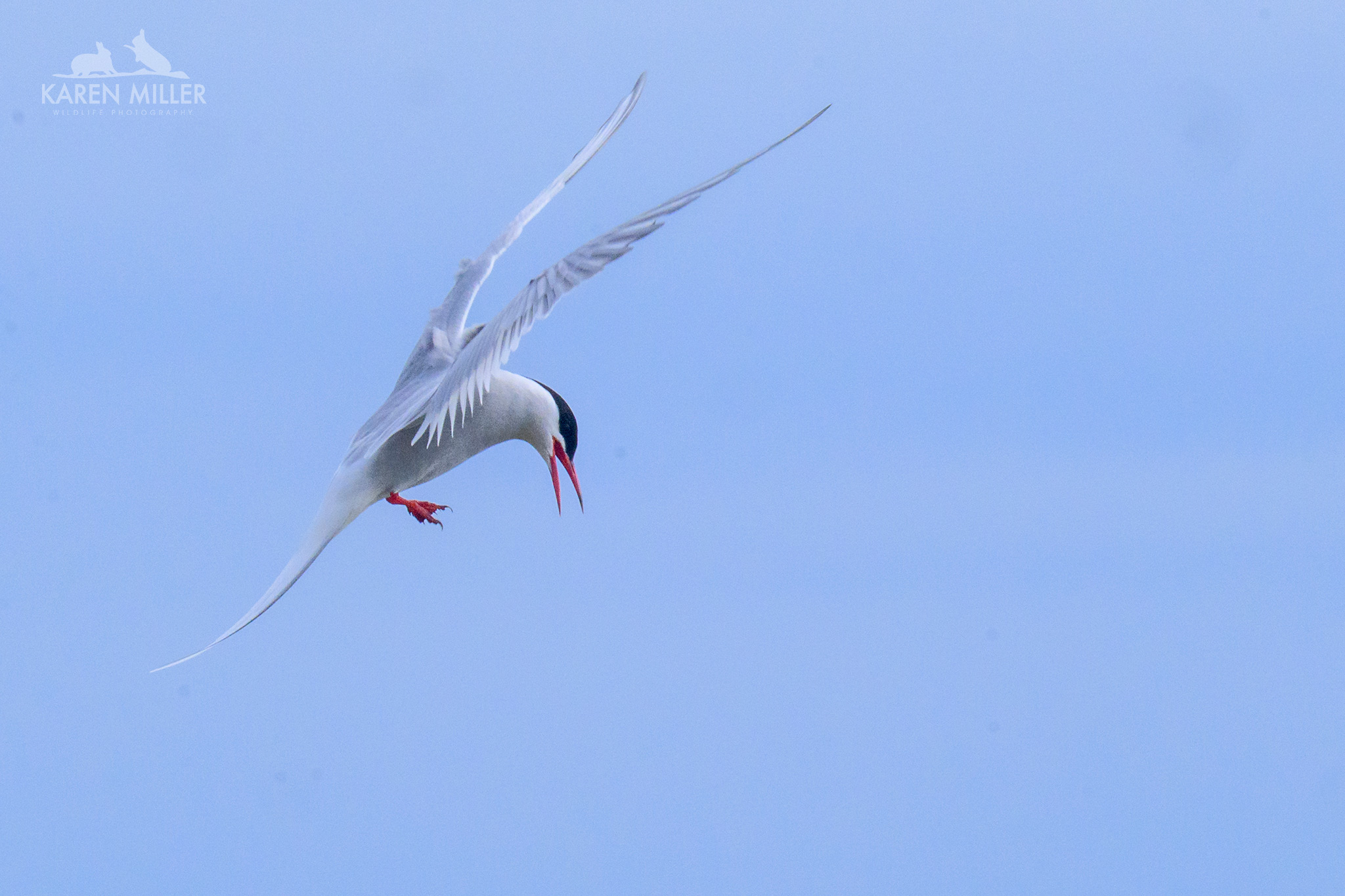
Also seen on the mainland were arctic and sandwich terns. As yet few of these either but always good to see.
In 2025 I visited the large gannet colony on Westray. This year, although there was a small nesting colony at Marwick Head, most of my sightings were of them flying close to shore pretty much all around the coast. On one occasion I was delighted to be able to watch and photograph them diving for food. Again, the eye tracking was very helpful!
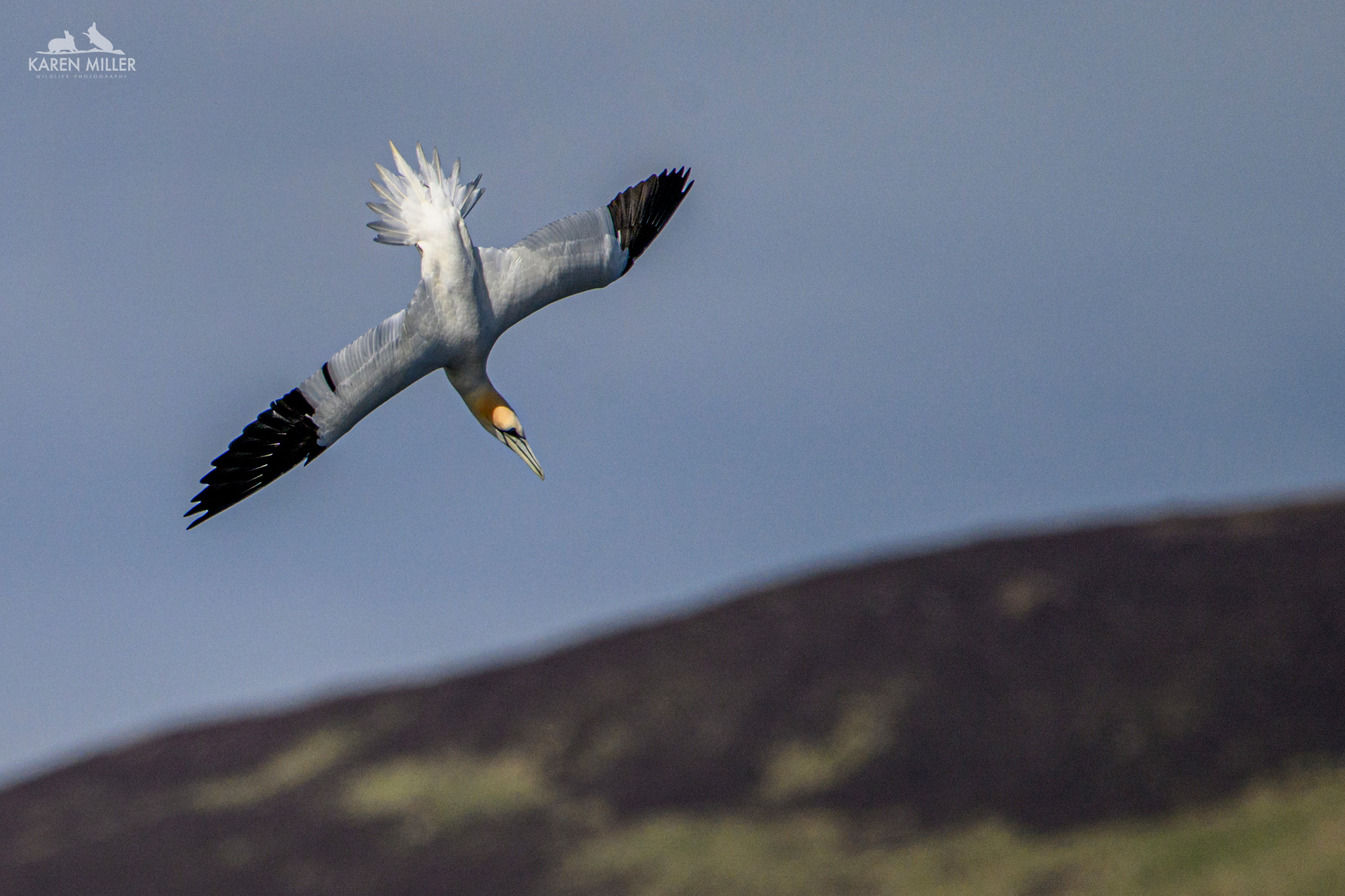
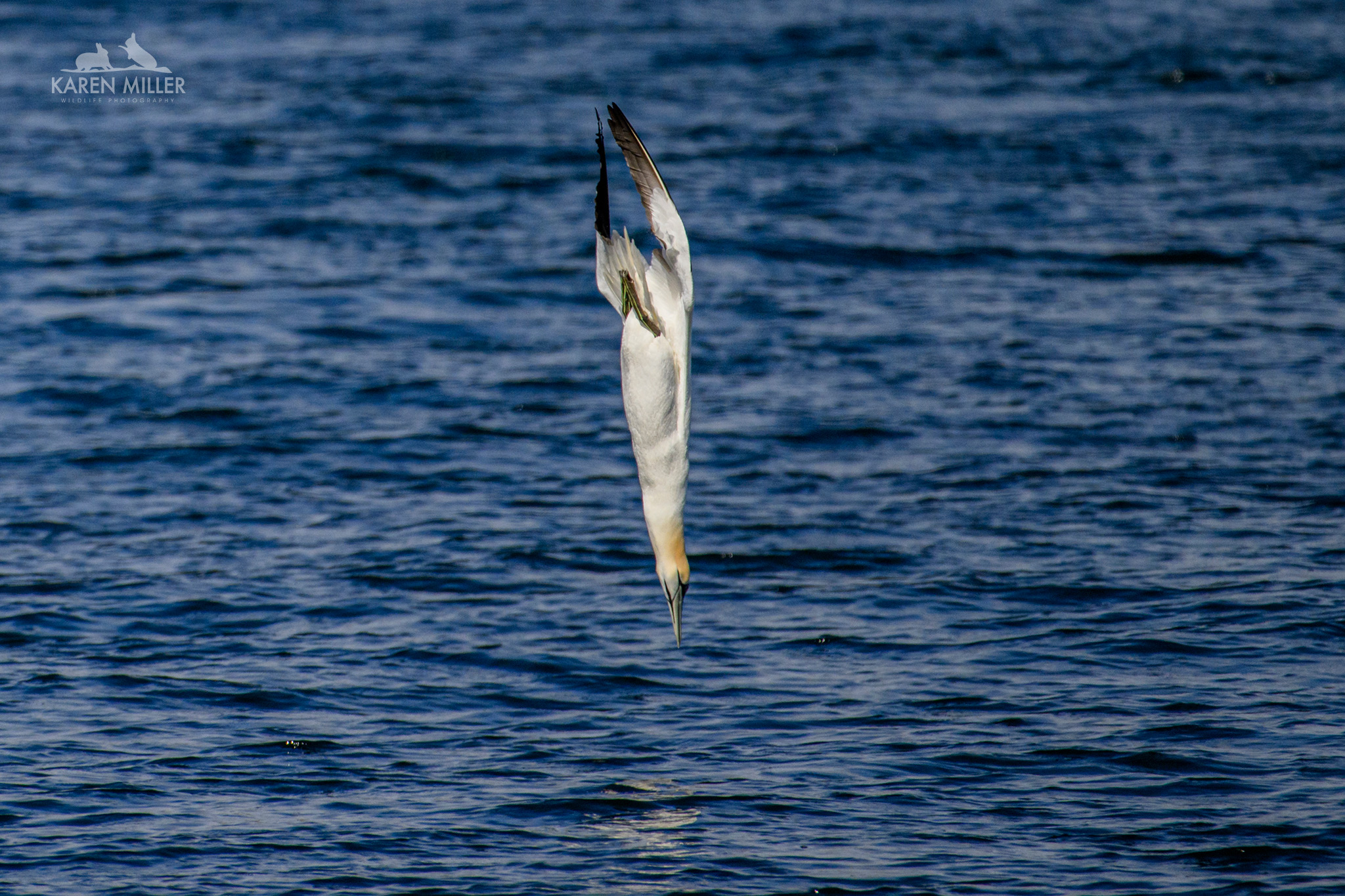
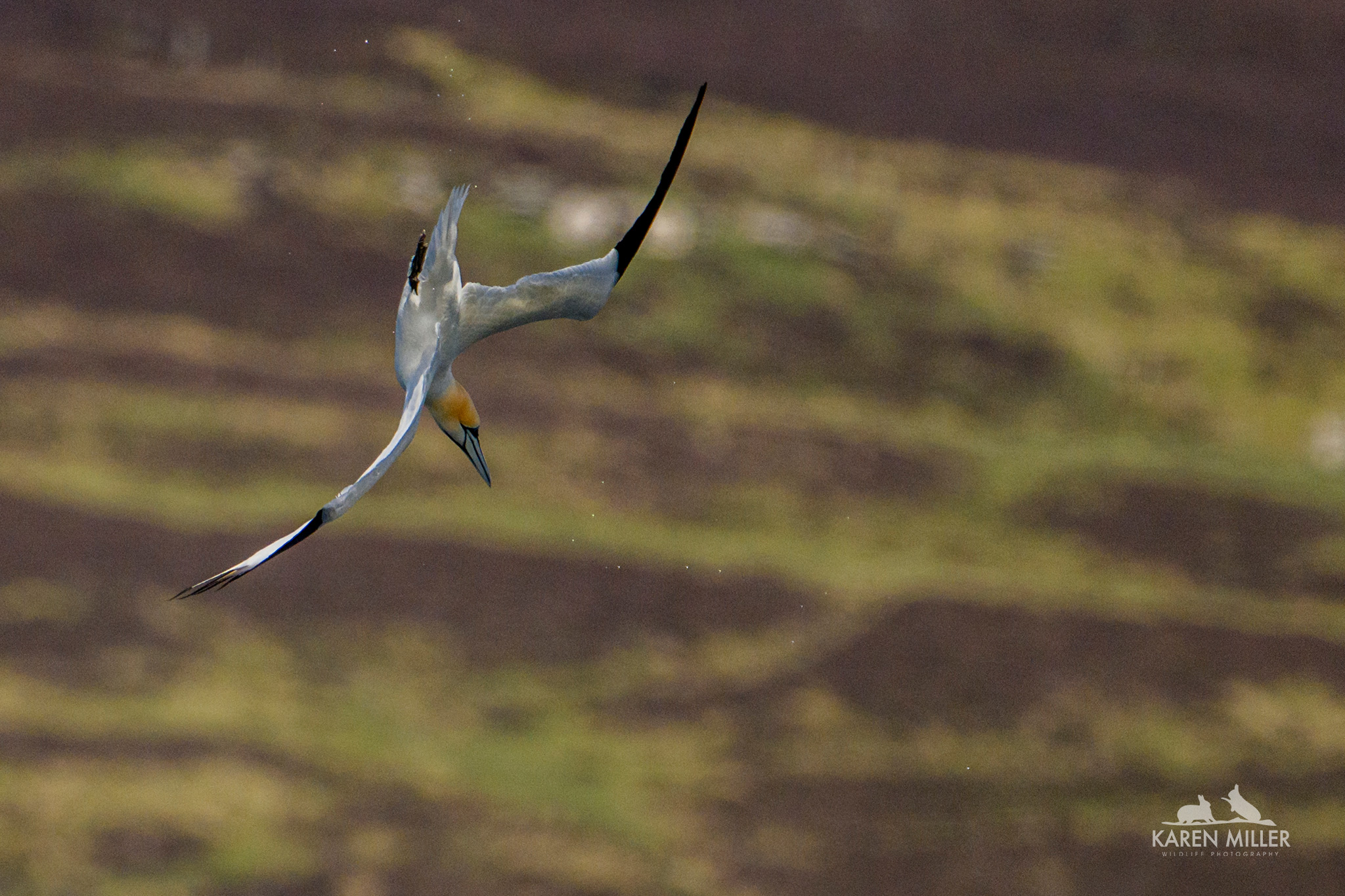
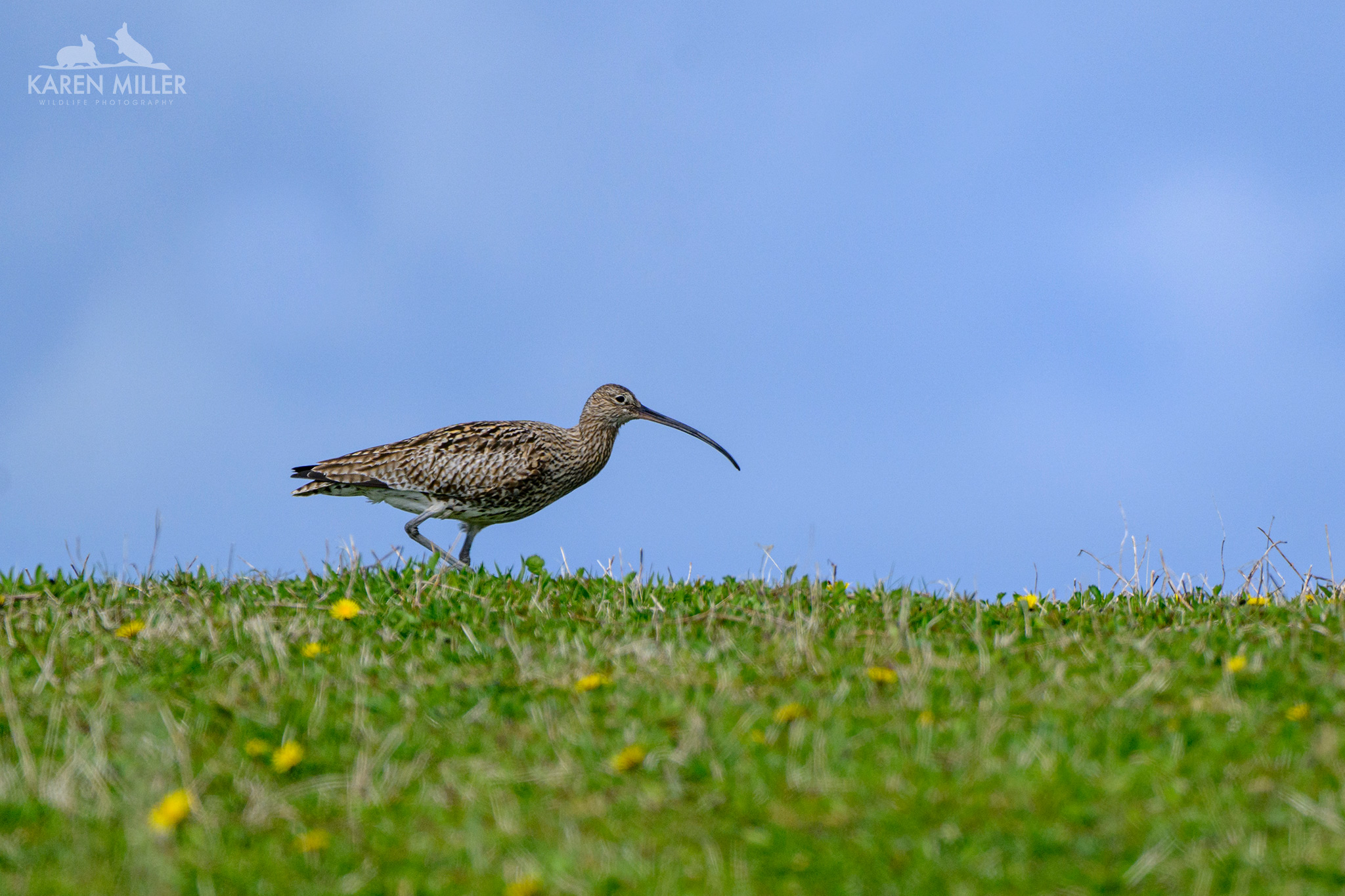
As I mentioned earlier there are large number of curlew on the Orkney Islands which is fantastic. Their call is so emotive.
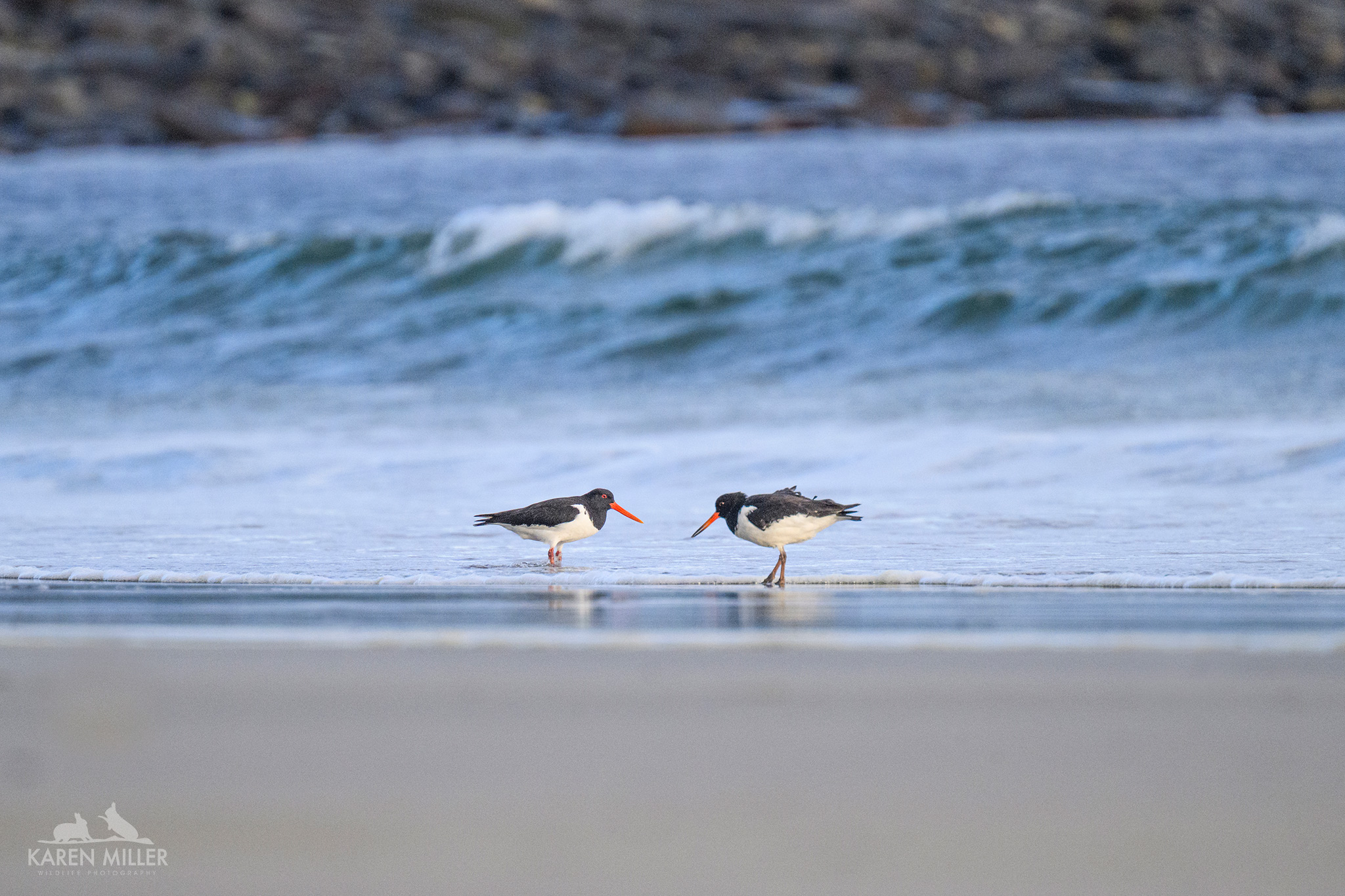
Oystercatchers are even more plentiful. Feisty birds who are constantly yelling at each other, or just because they can..
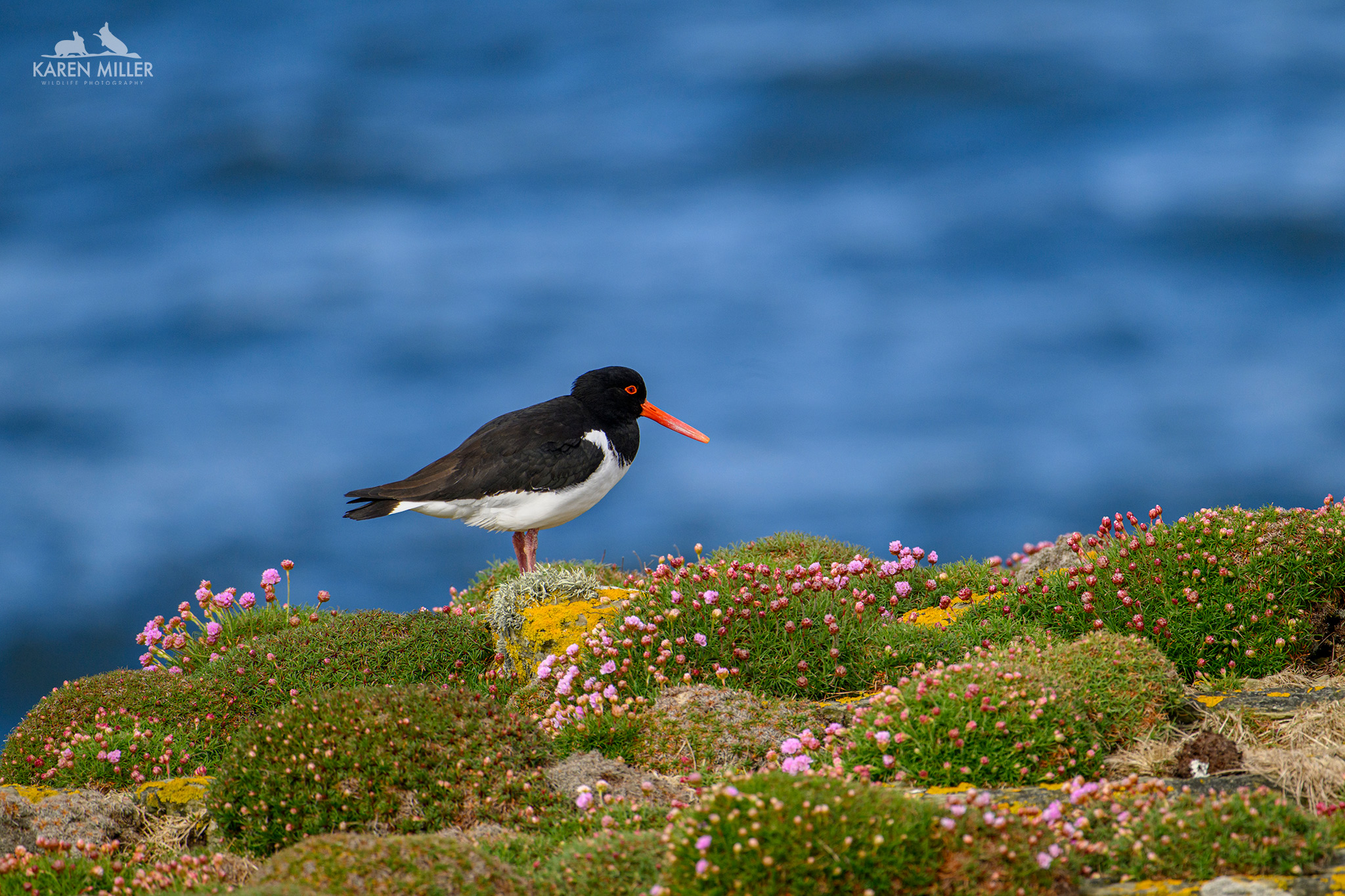
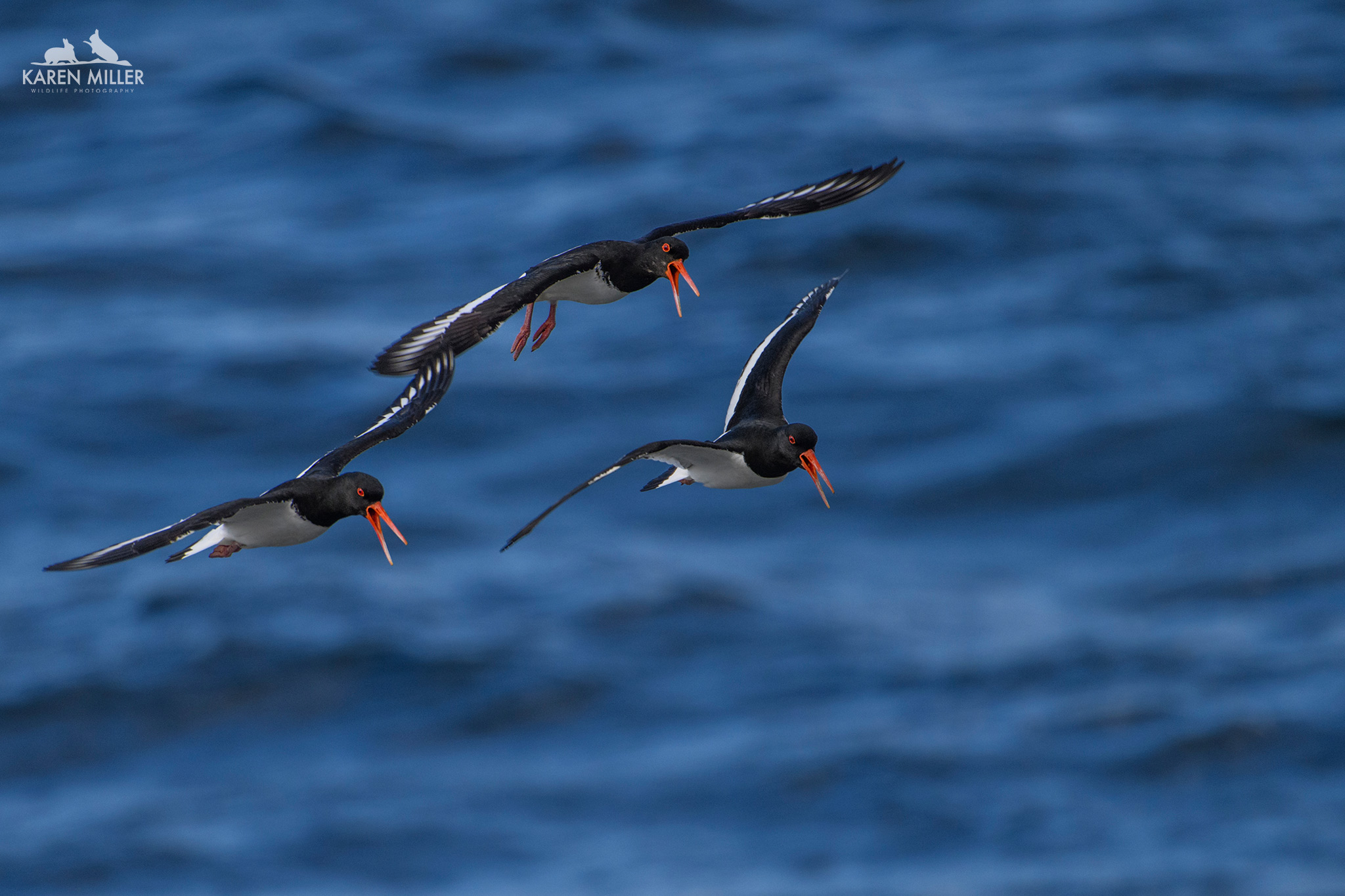
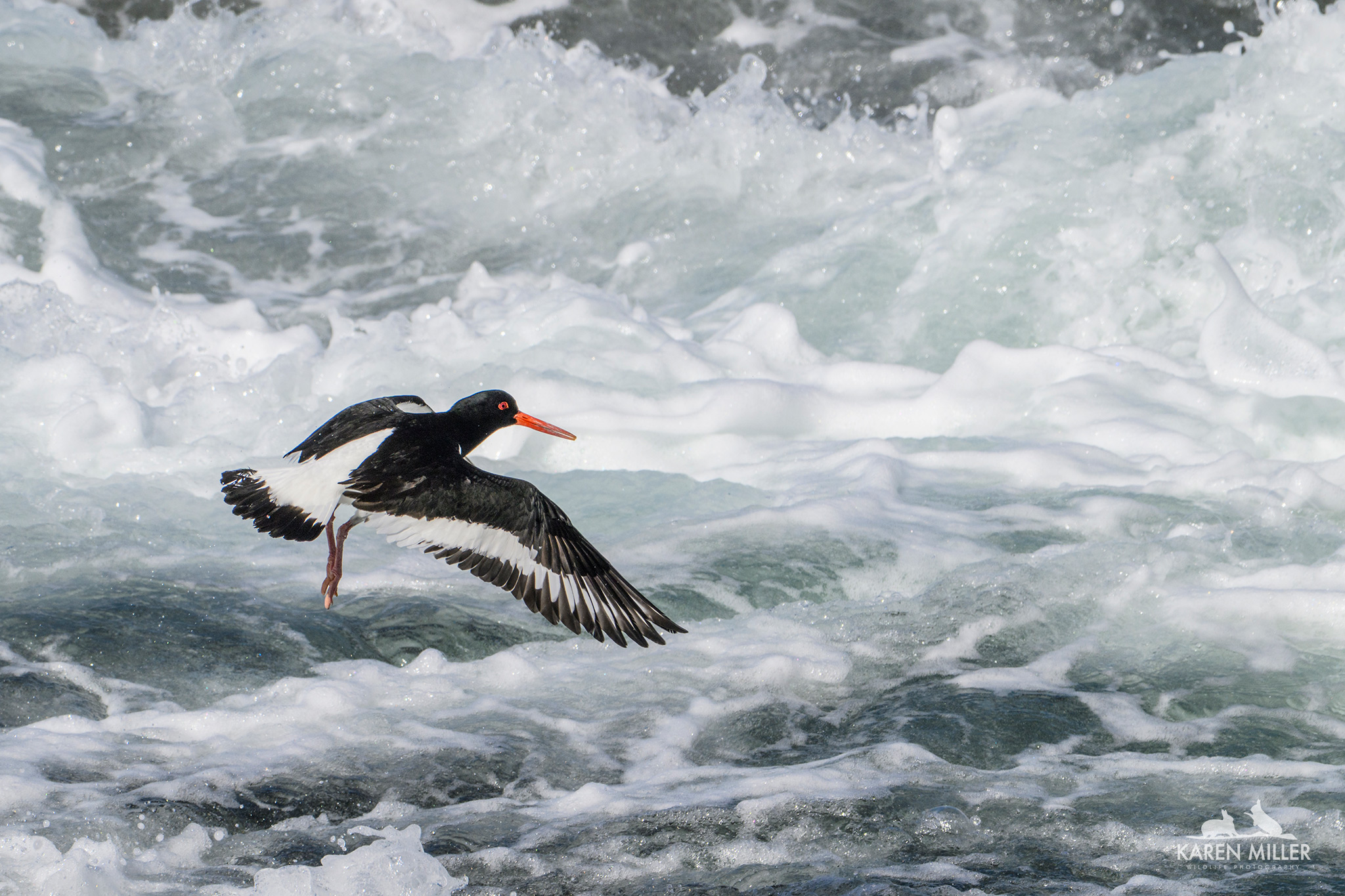
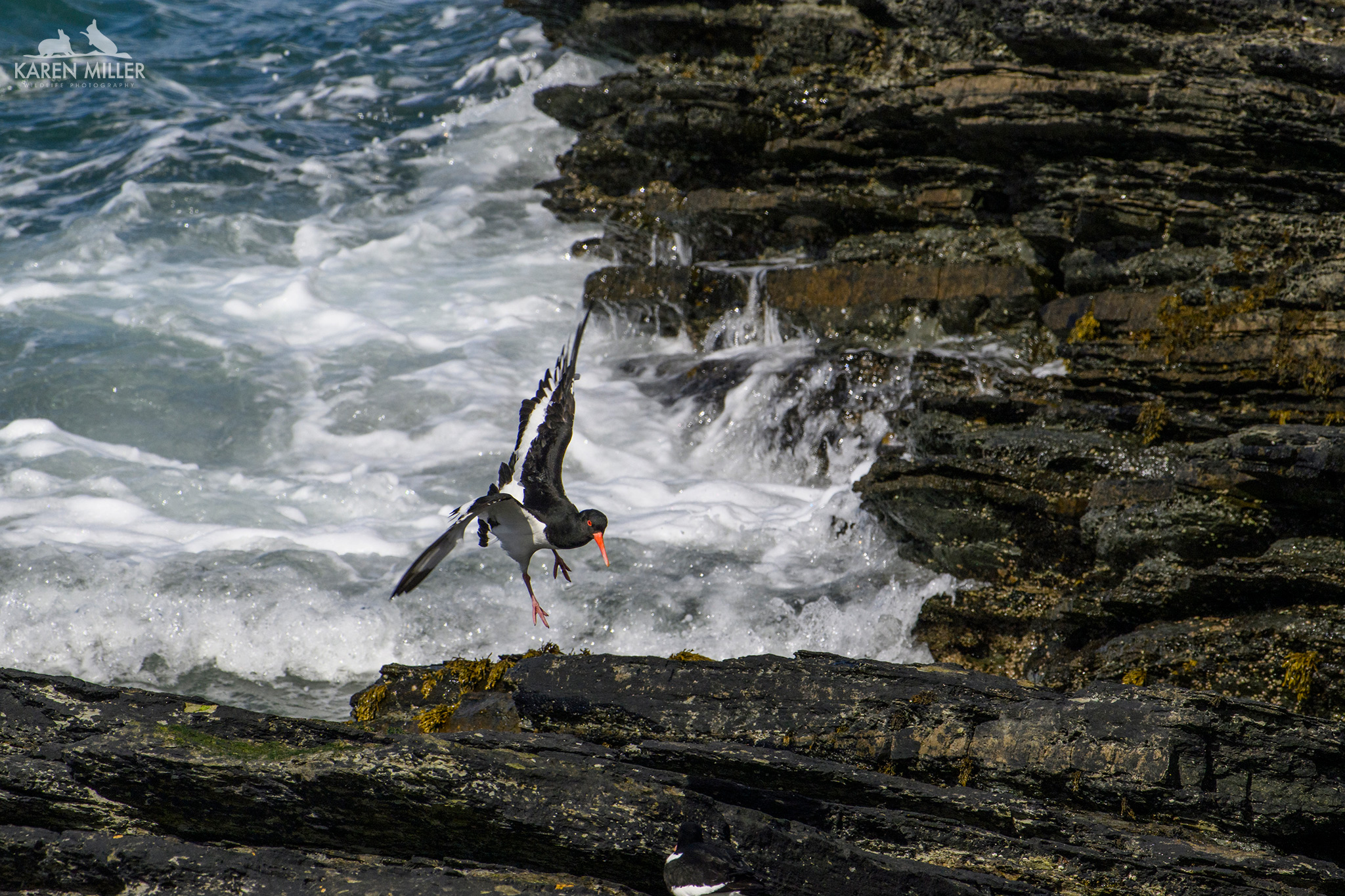
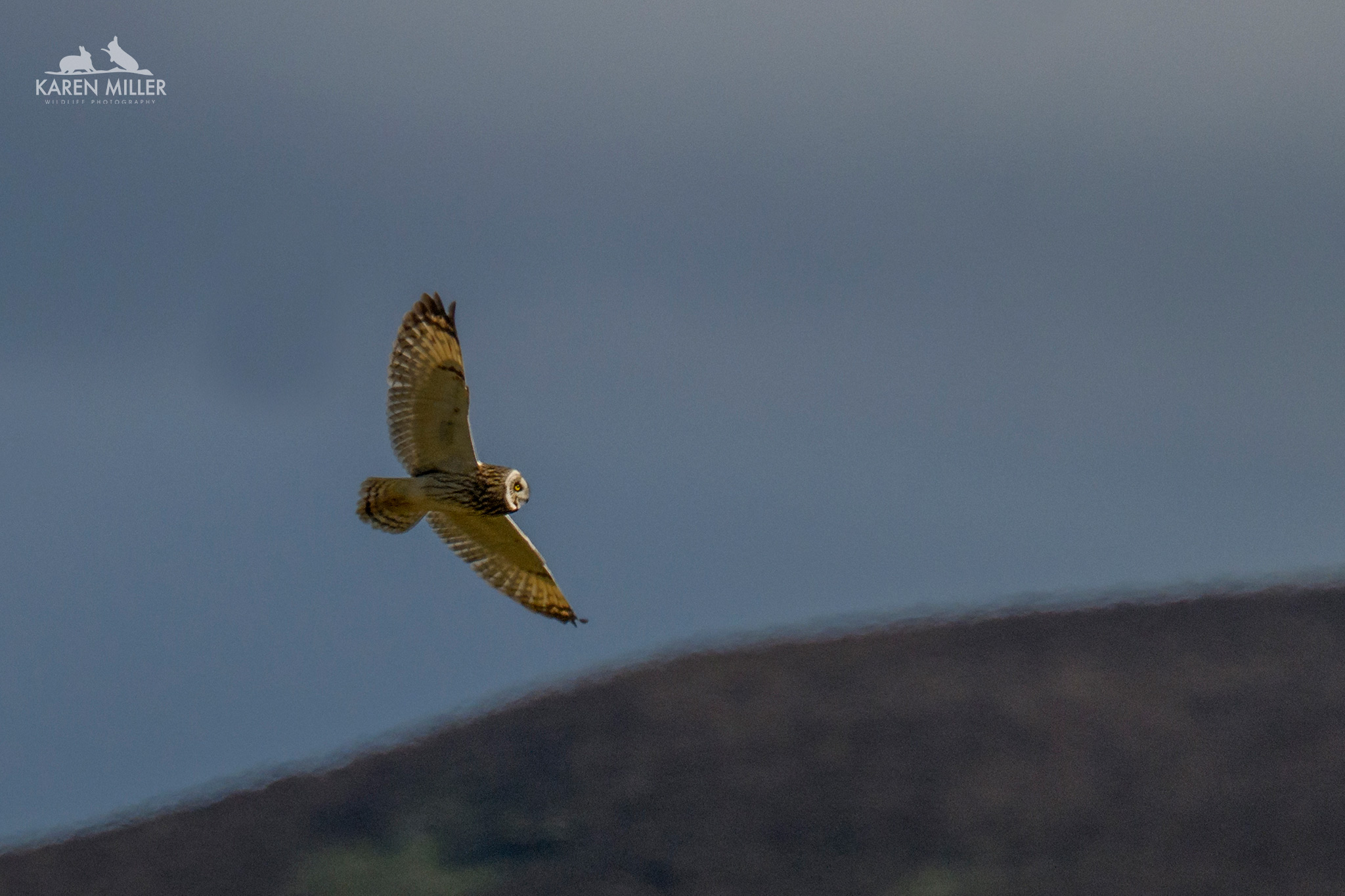
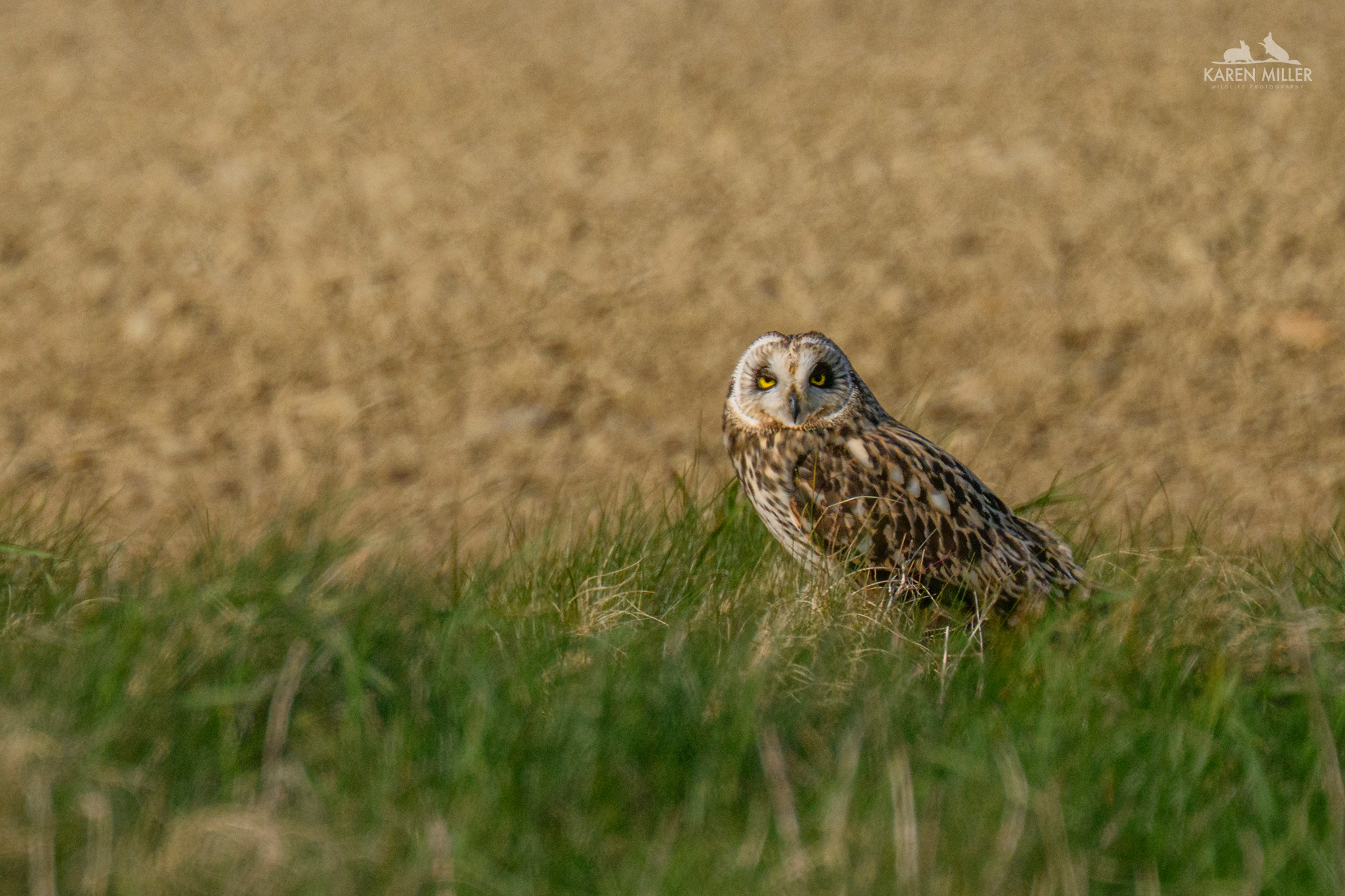
Whilst out on a walk I was very pleasantly surprised to see a short-eared owl. Finally! I managed a few relatively distant photographs en route back to the car park. As we drove away, it re-appeared. This time it landed at the edge of a field and I was able to take a few more images. Brilliant!
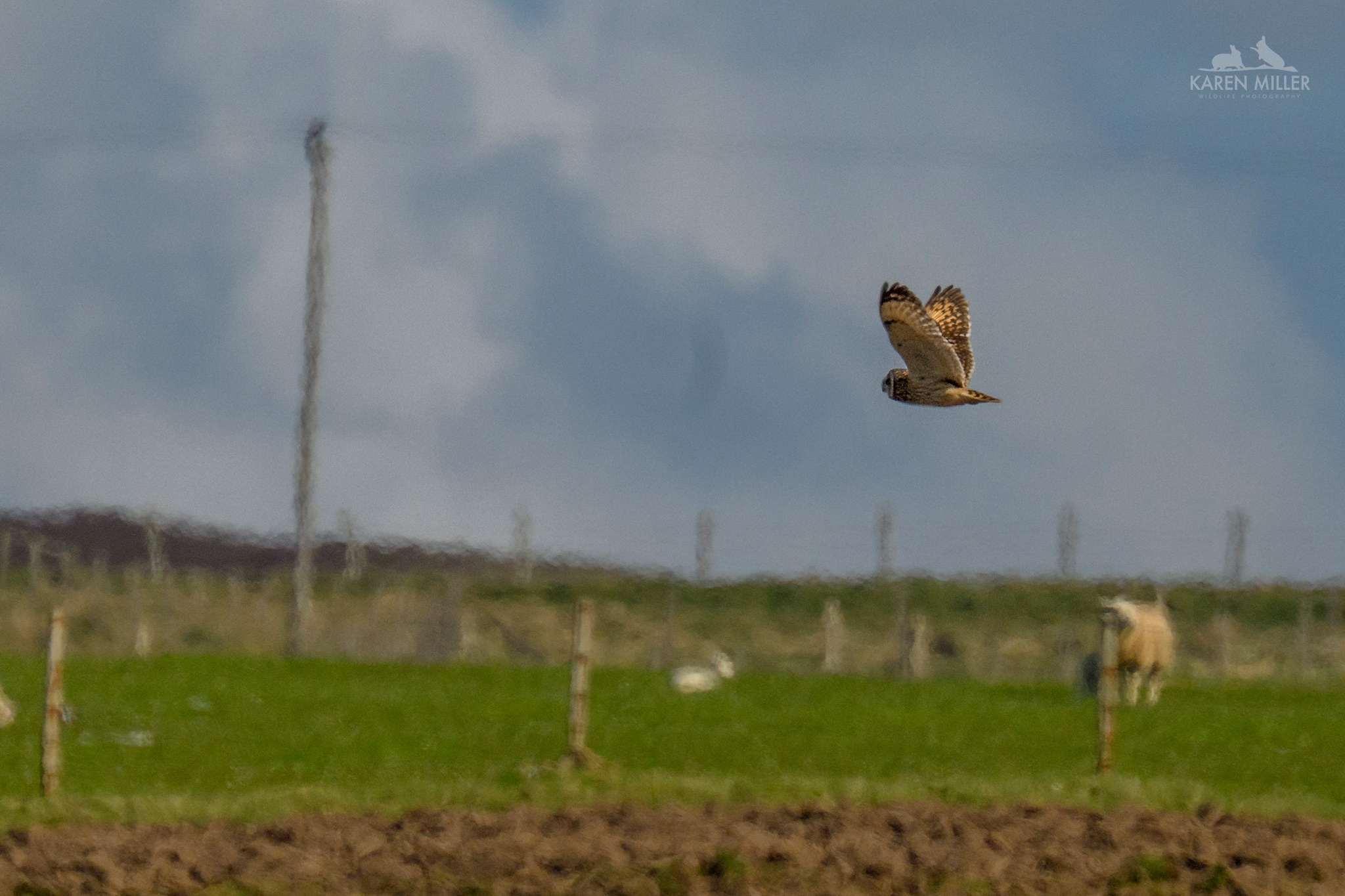
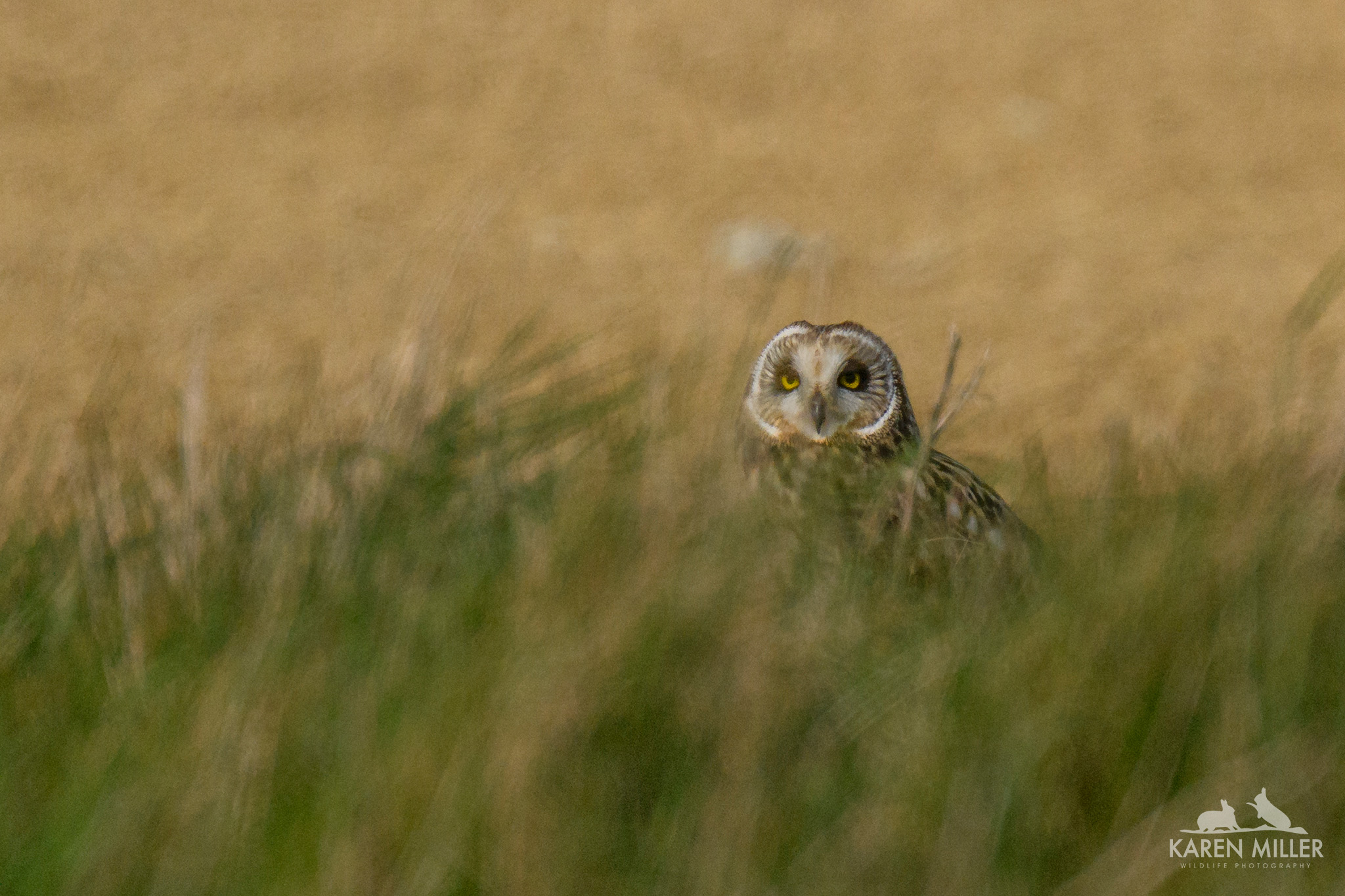
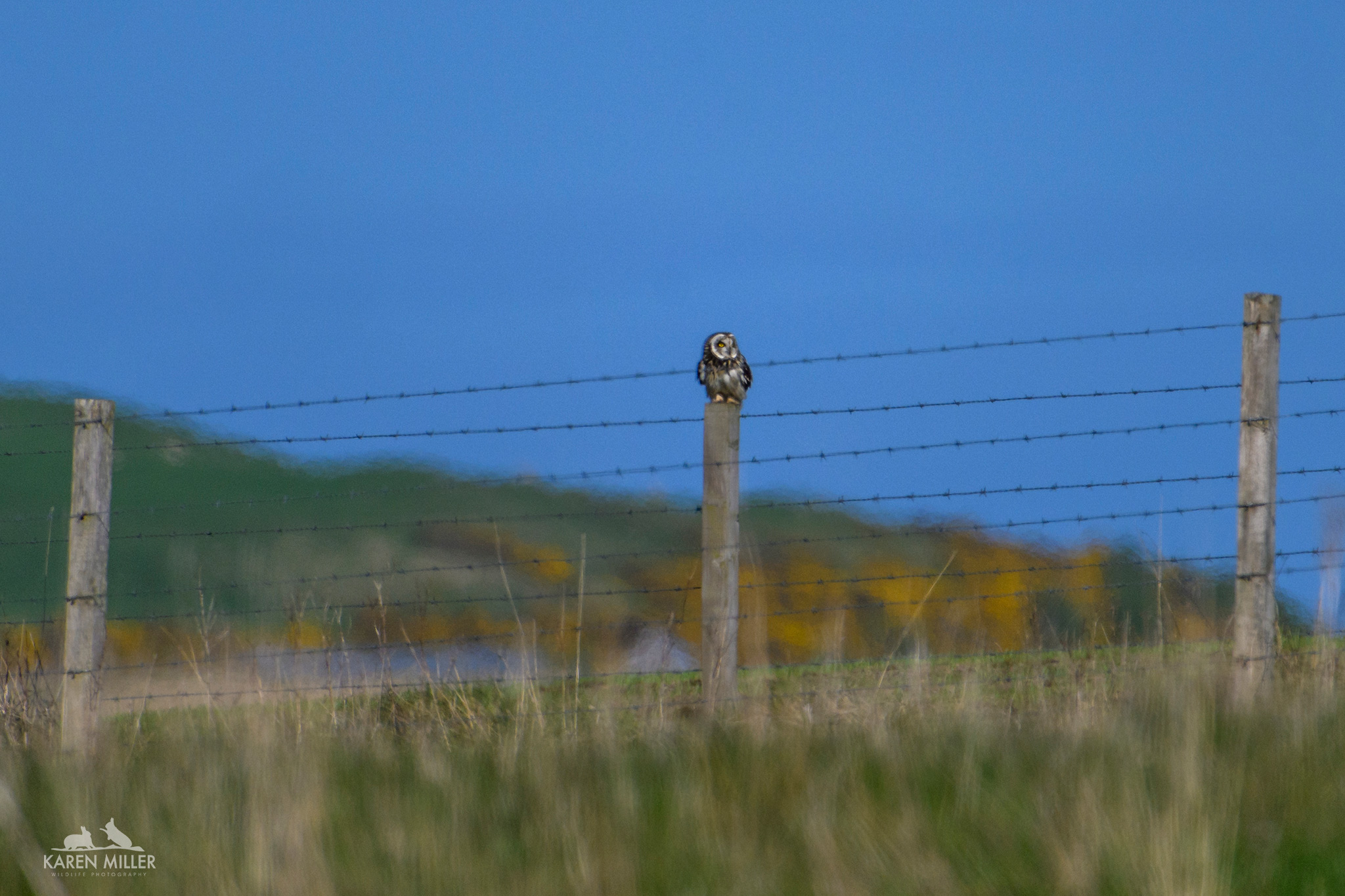
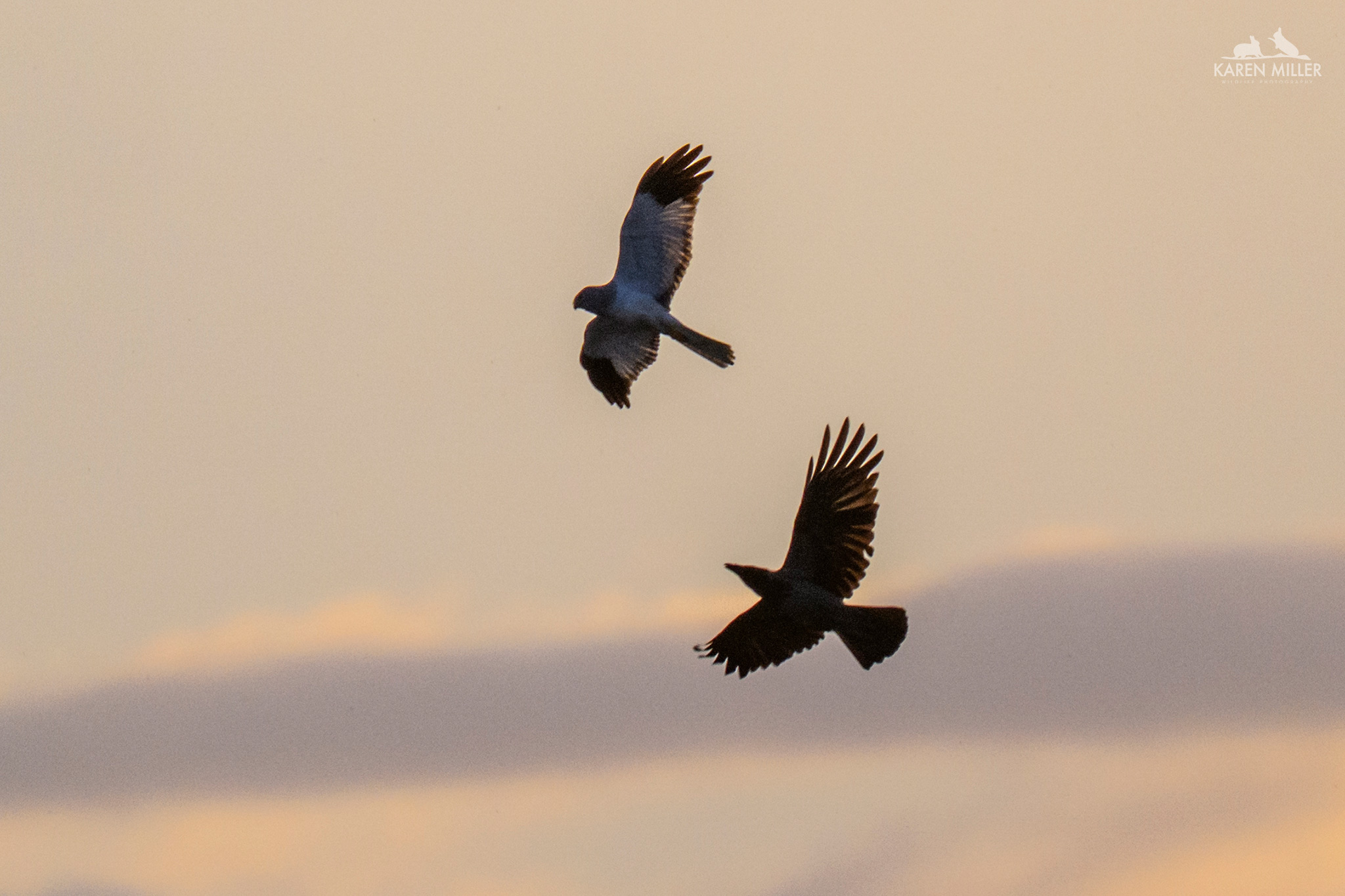
I only saw one other owl though, and it appeared just as we parked at a viewpoint. The light was horrible, but fantastic to see. I returned here early in the morning on a few occasions and once in the evening. I never saw another owl, but on each visit had a different bird of prey – an osprey, a peregrine (far too quick to photograph) and a male hen harrier. The harrier lighting was tricky but I managed a few decent ones of the osprey.
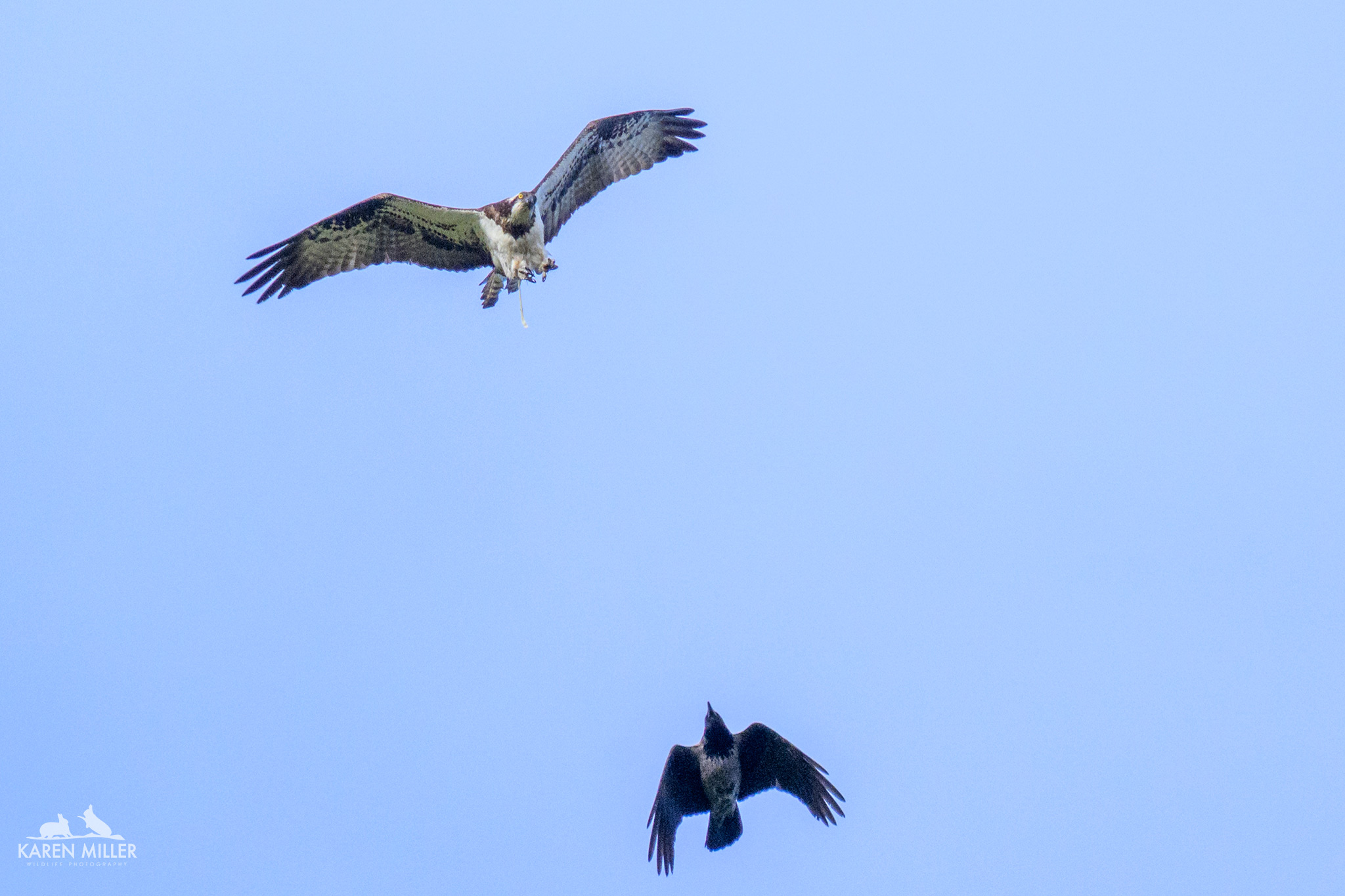
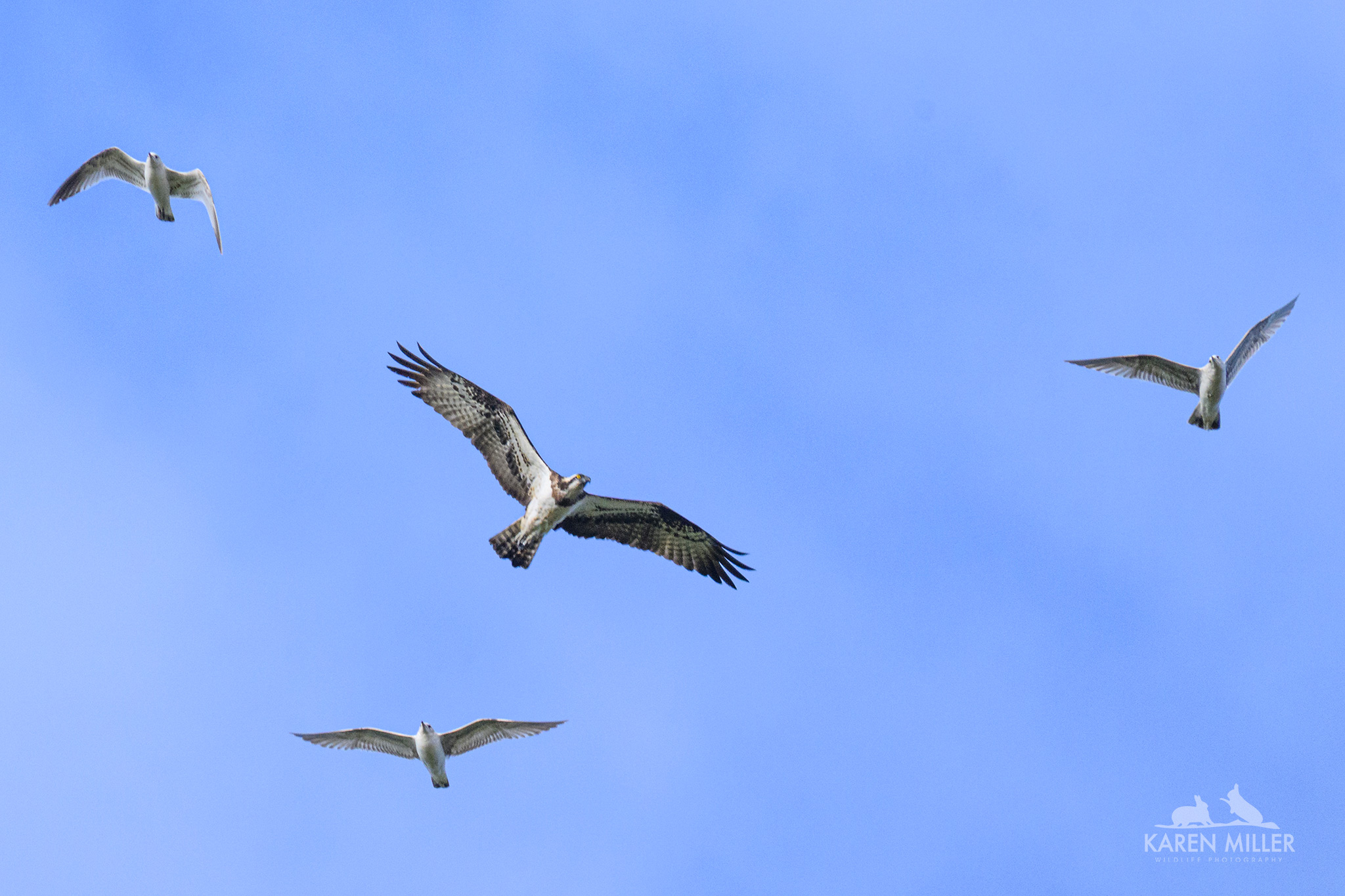
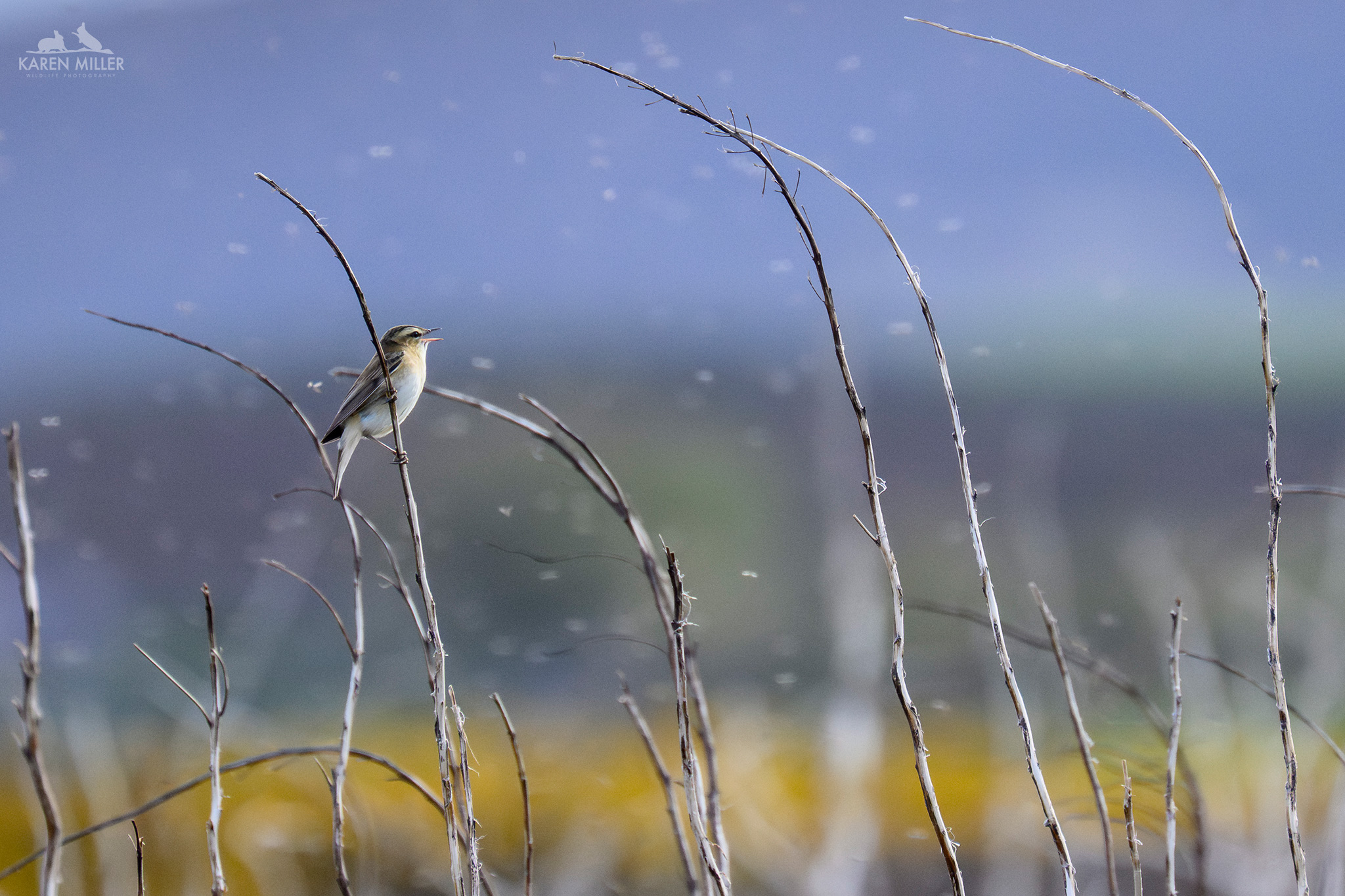
This was a great spot for wildlife! Aside from all the birds of prey there were the most sedge warblers I’ve ever heard in one location. Most were keeping out of sight, but one was very visible, flying between 3 or 4 different perches.
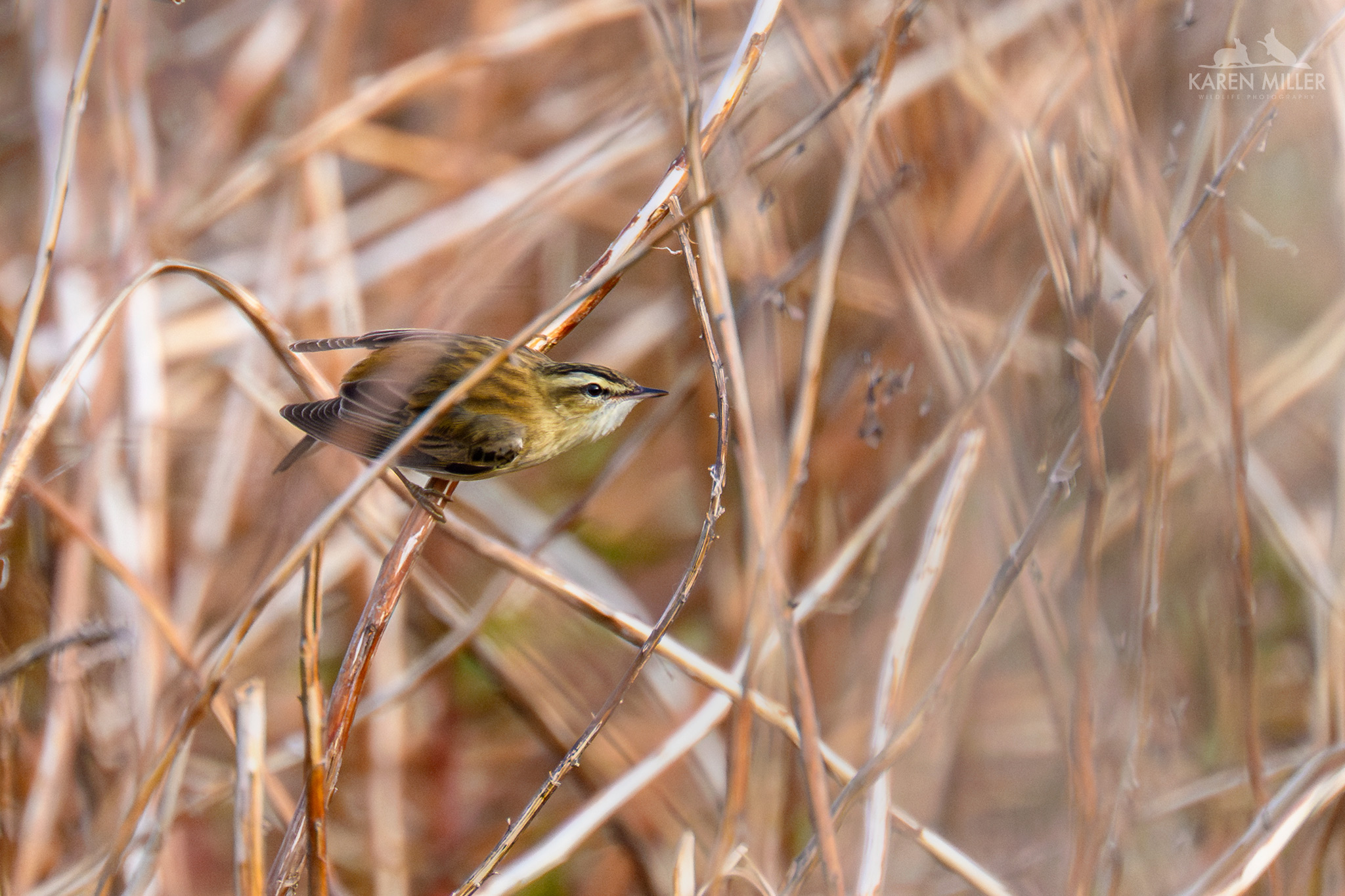
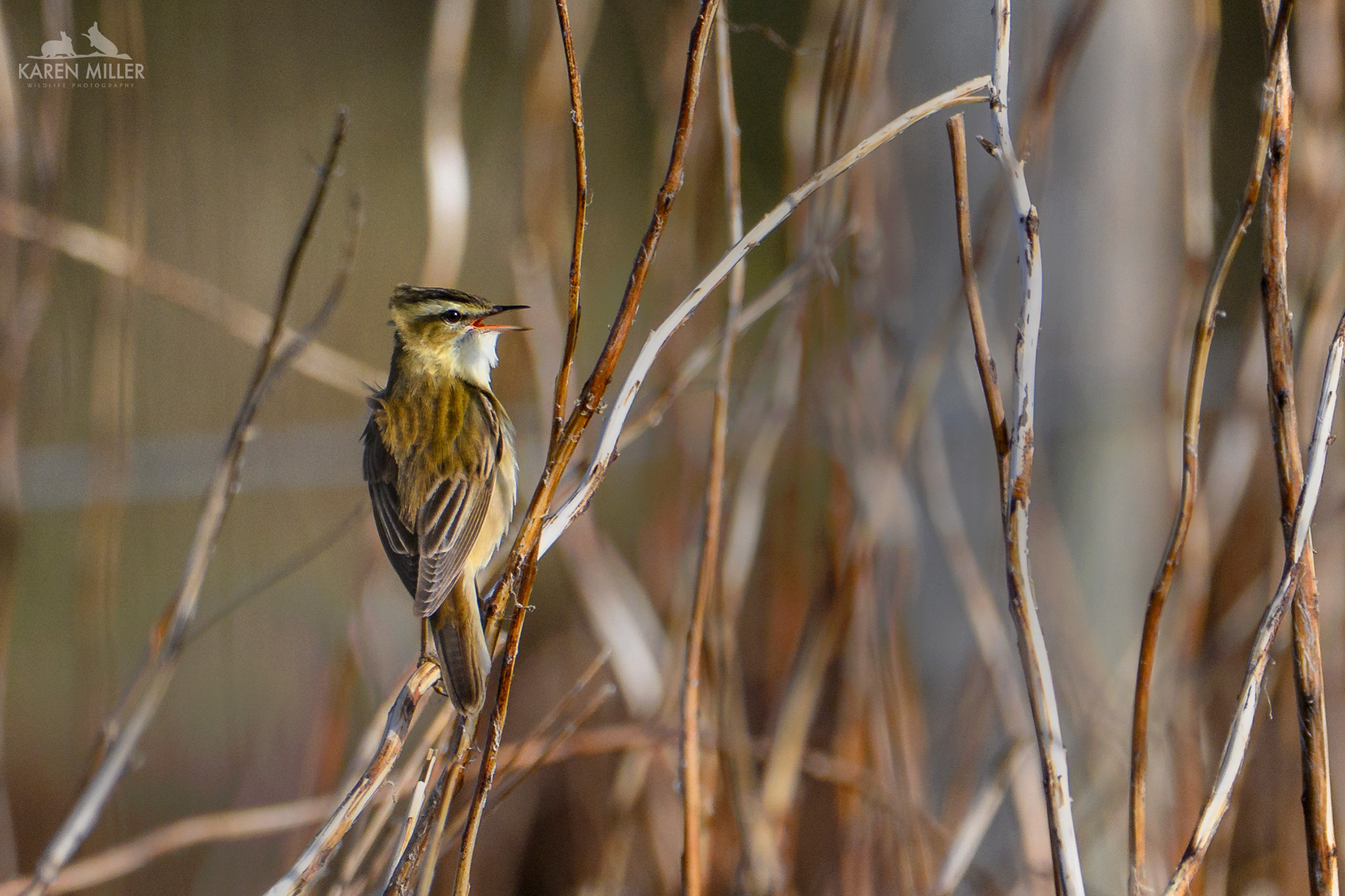
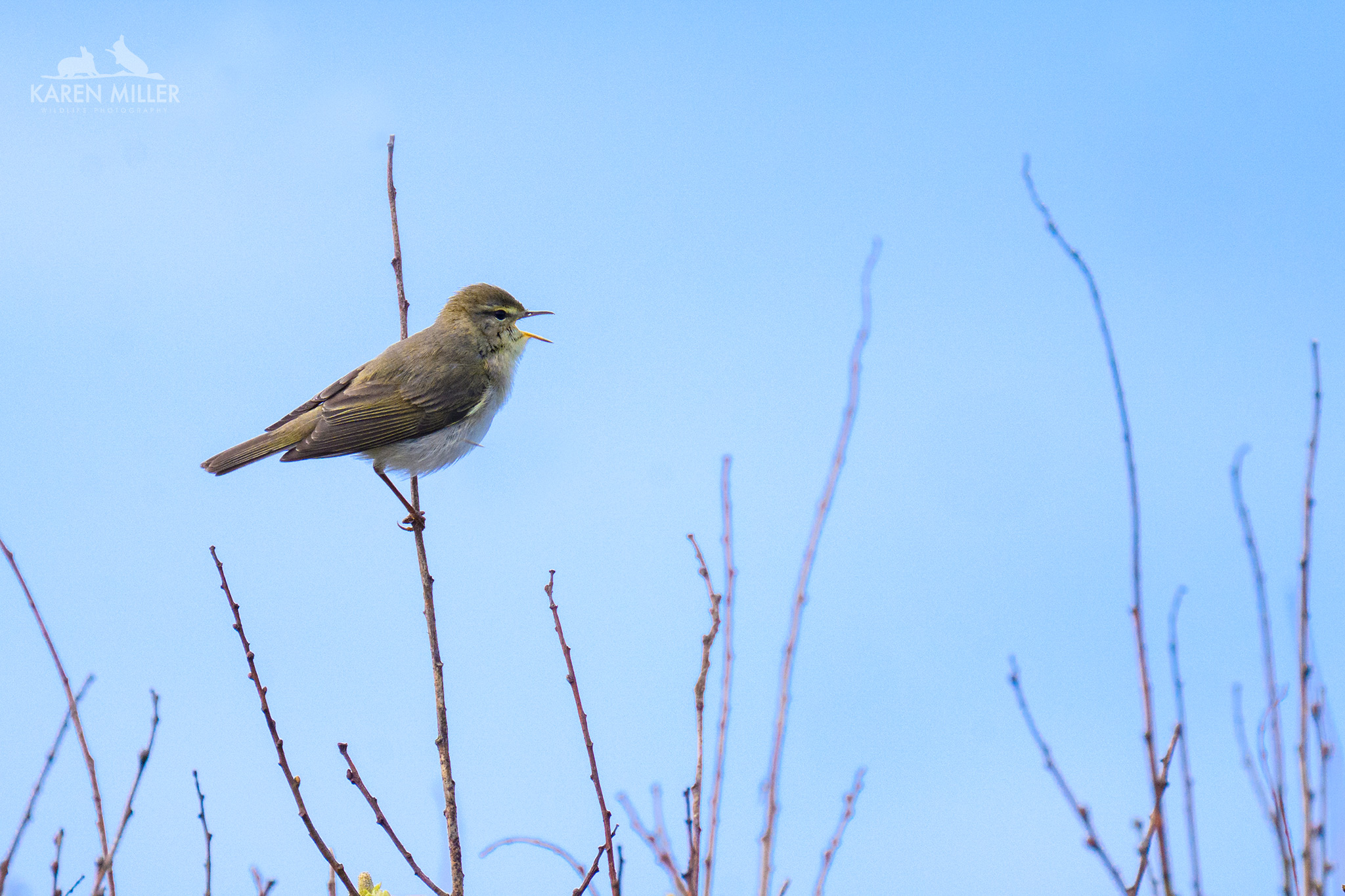
There was even a willow warbler singing non stop in one of the trees.
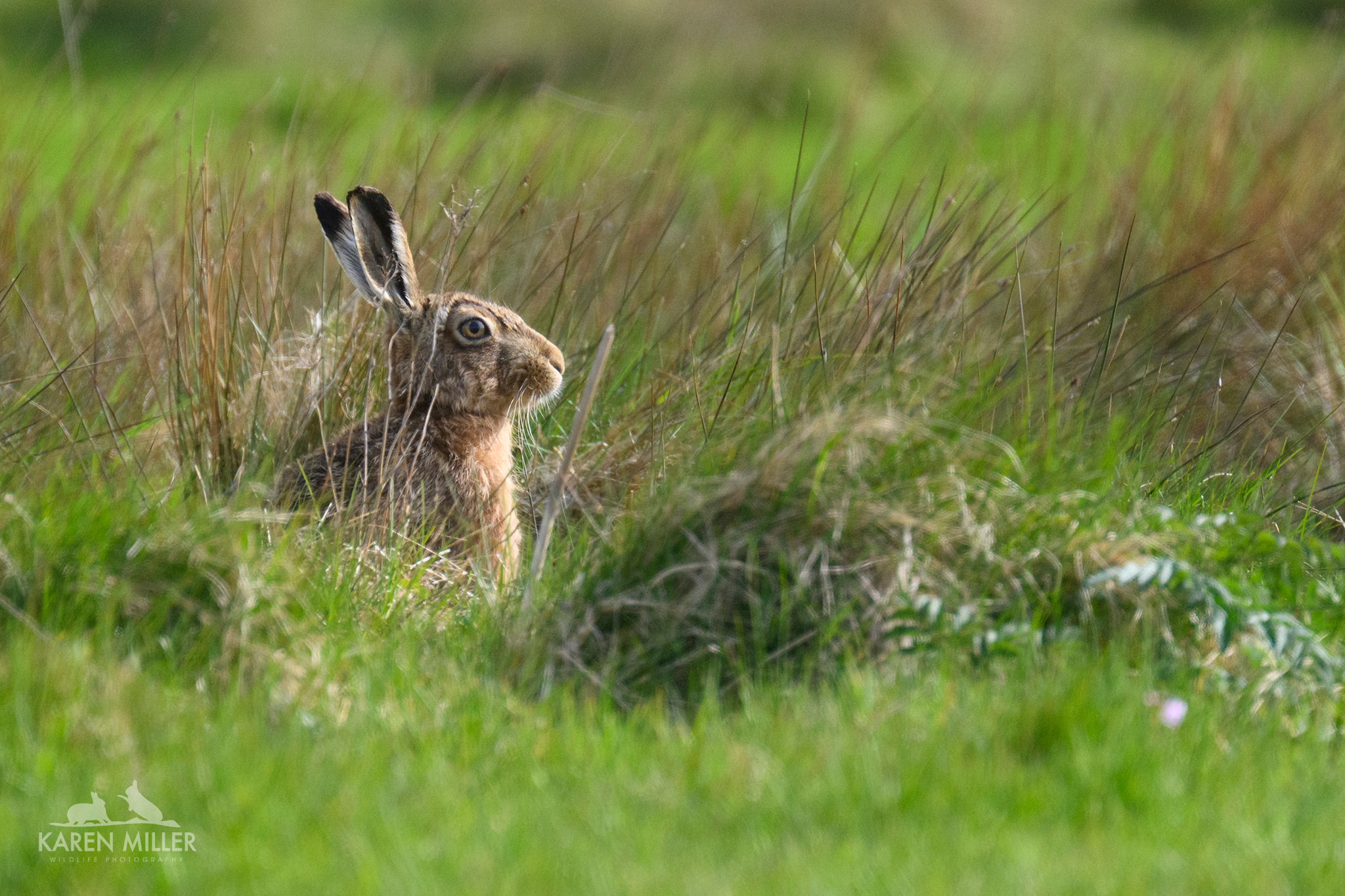
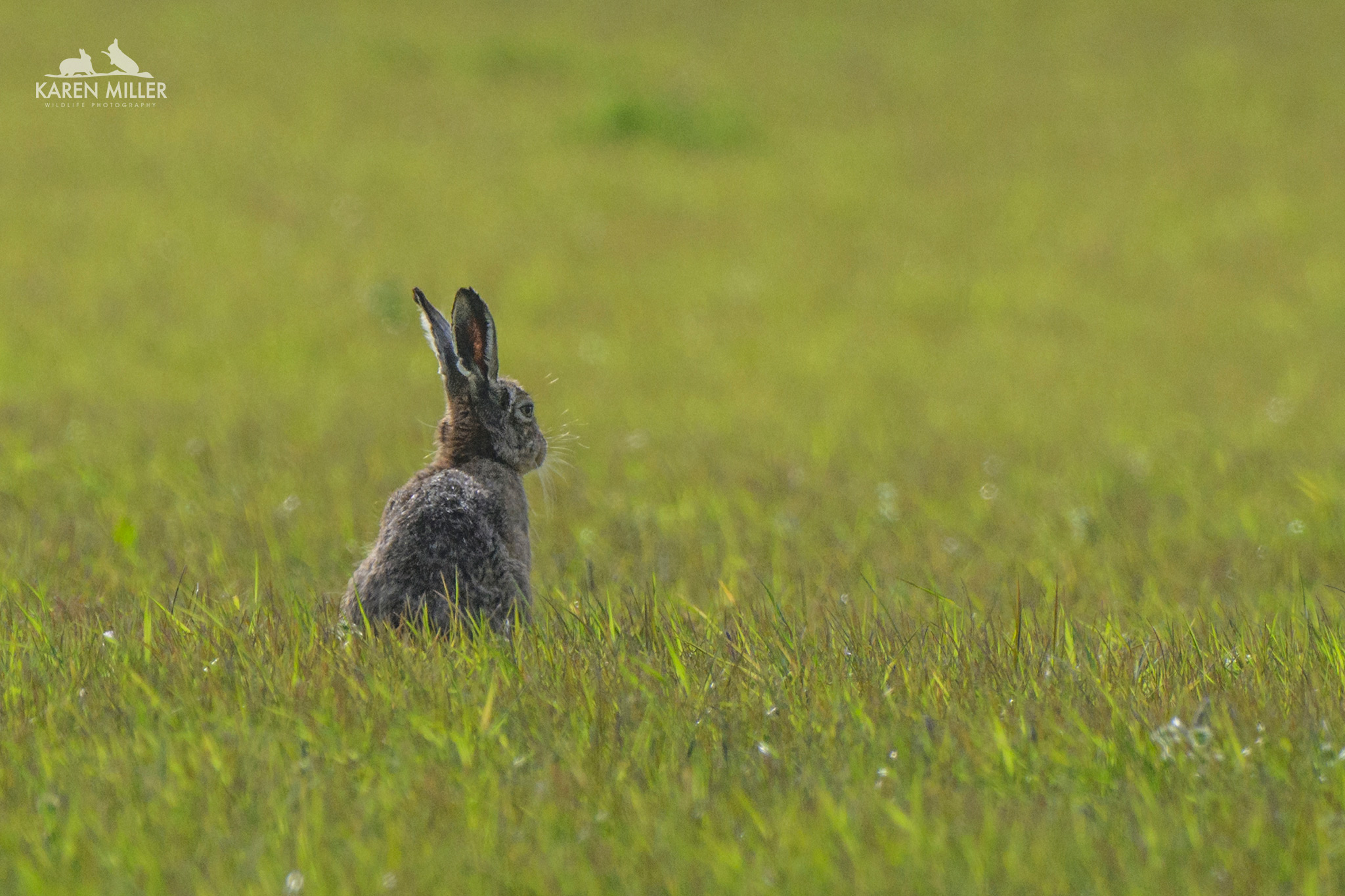
My favourite thing about this location however was the brown hares. They were in all the surrounding fields. On my first early morning visit I noticed that there were a number of them running around the closest field. So I went down and sat just behind the fence. Because they were so active, although spooked by my appearance, they soon returned. I had a fabulous hour with them! My best brown hare experience ever! Frustratingly on my next two visits I wasn’t able to replicate this, as one one it was very windy and the other, there were other people around and a poorly timed visit from a tractor spreading something on the field. You’ll notice that all the adult hares and rabbits are currently moulting and looking a little shaggy.
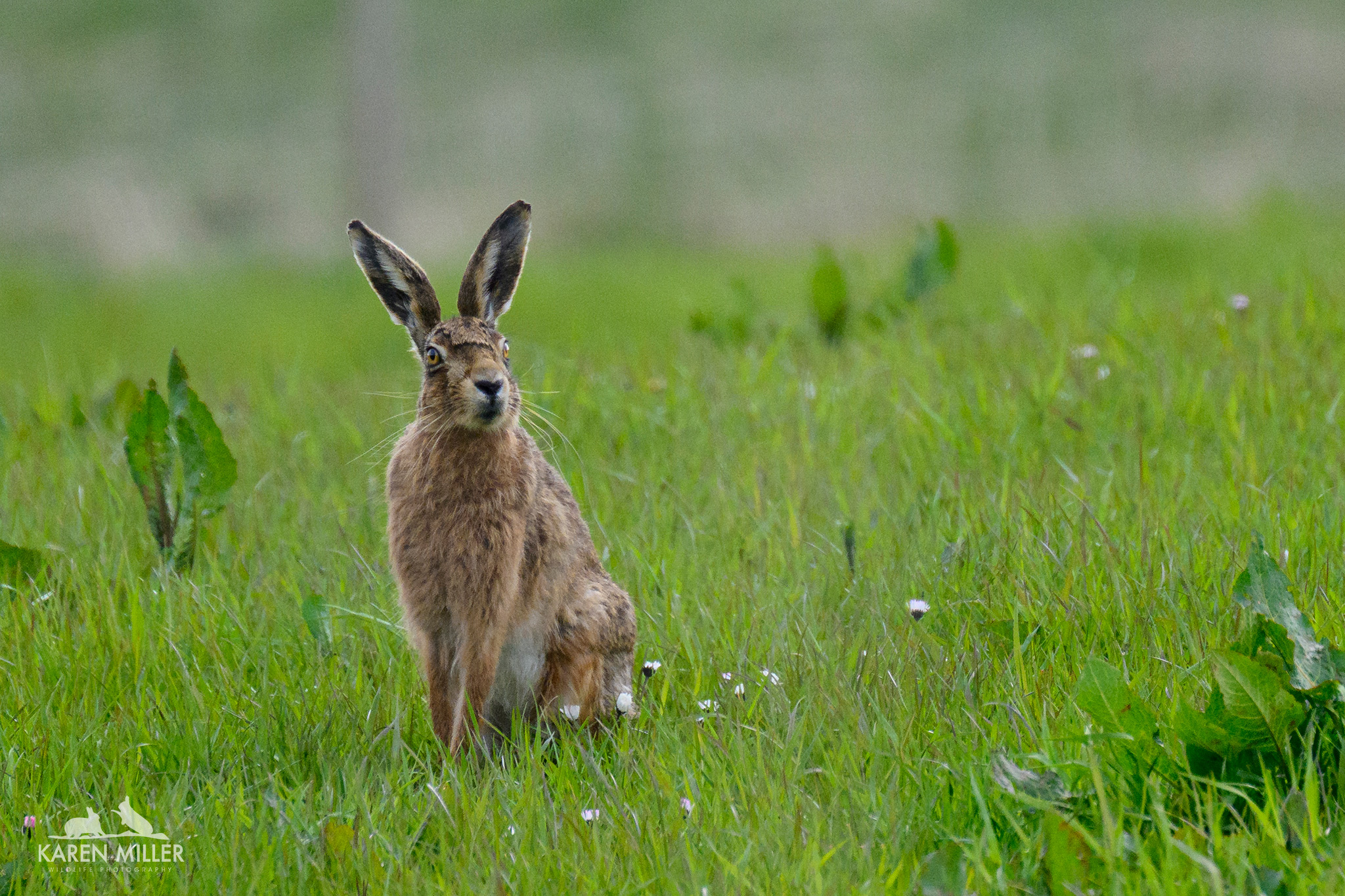
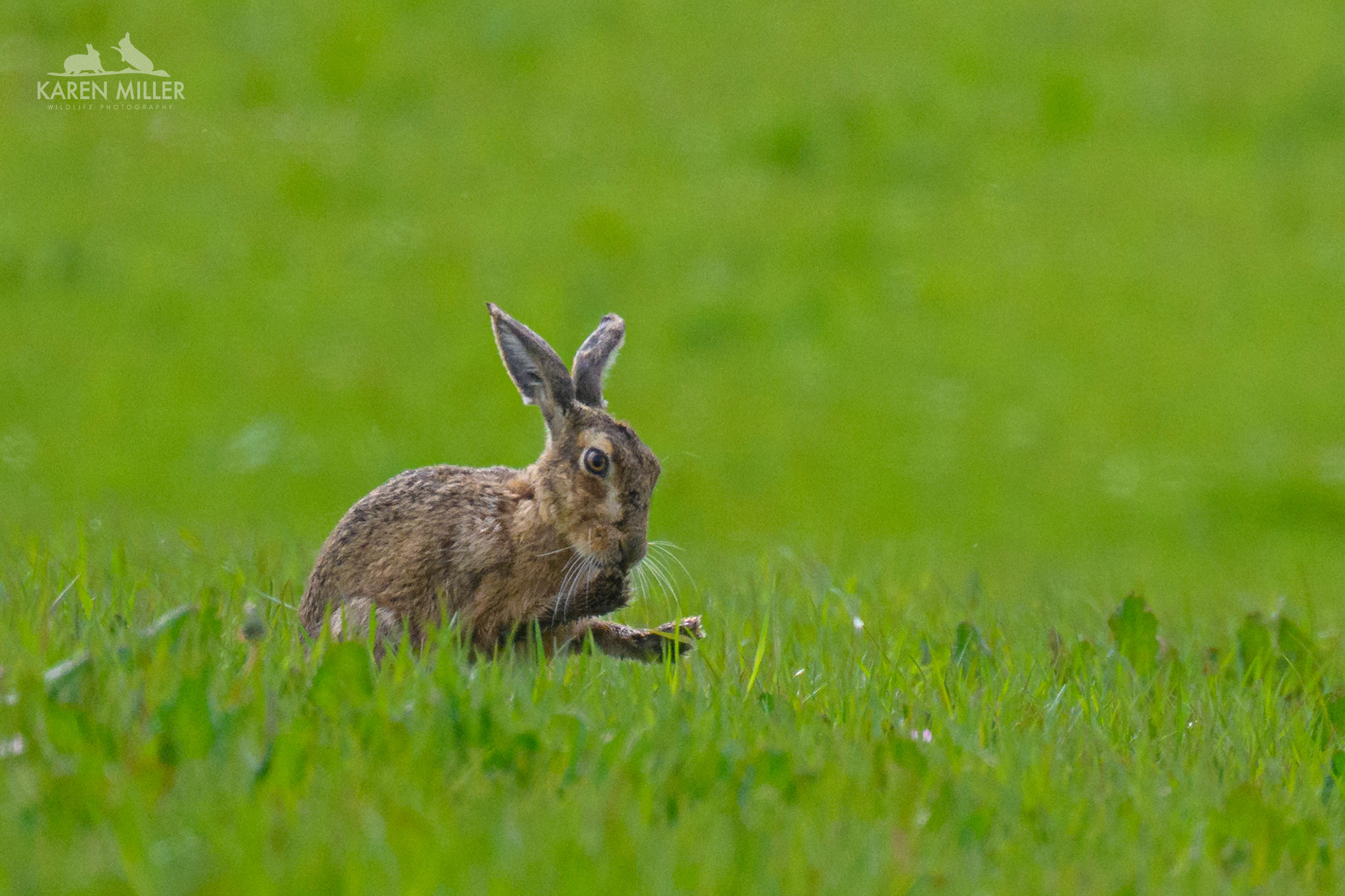
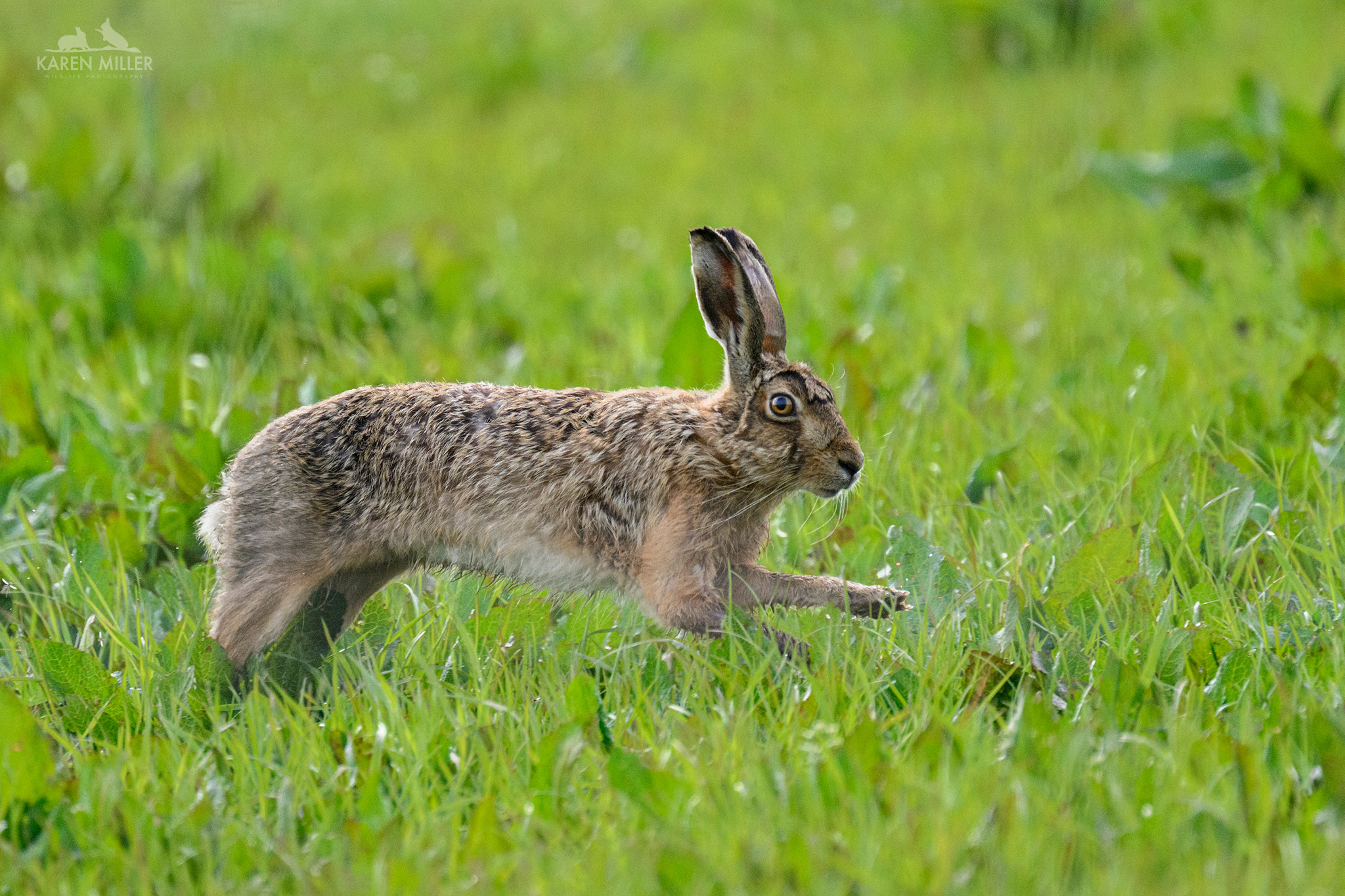
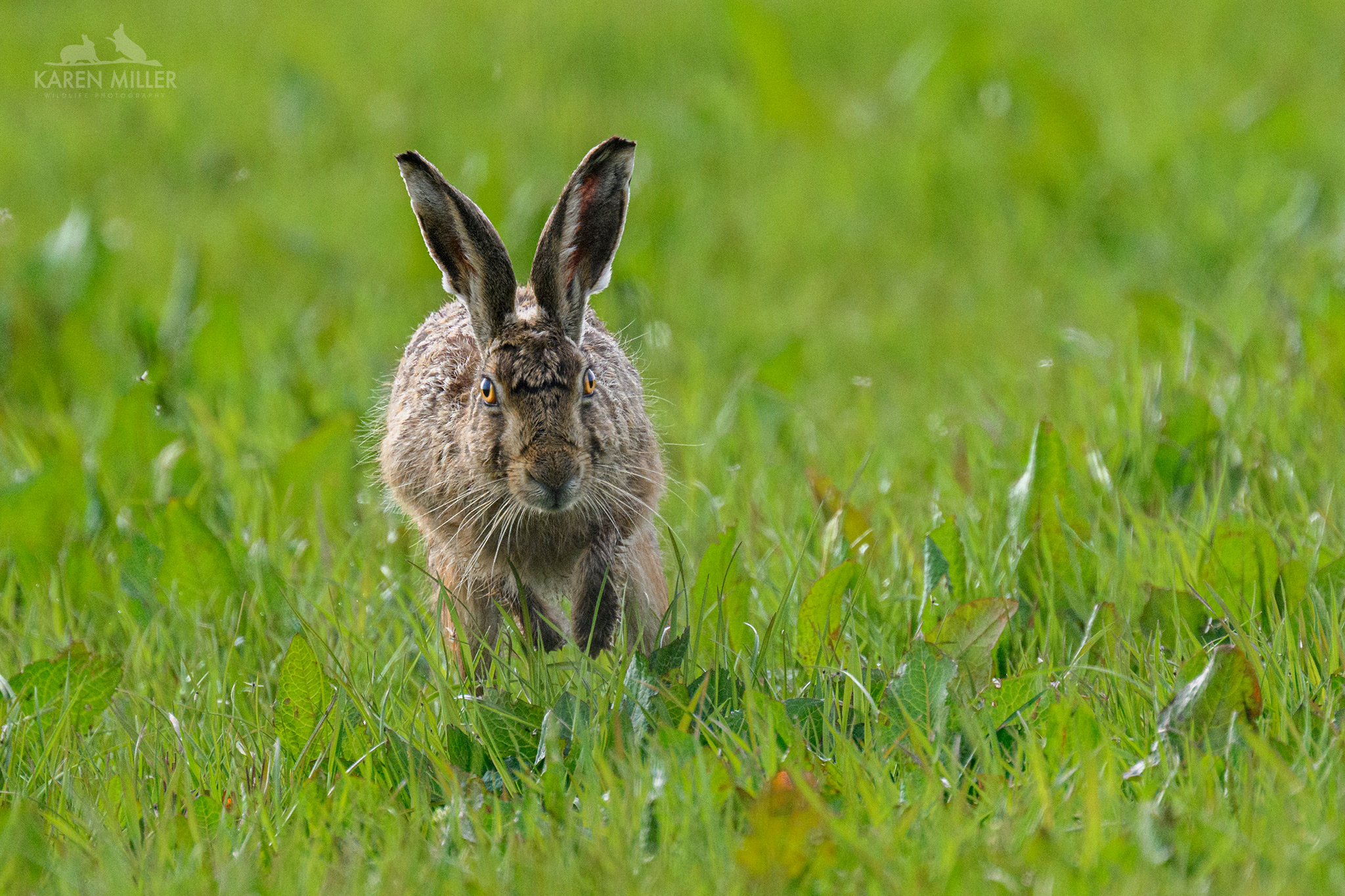
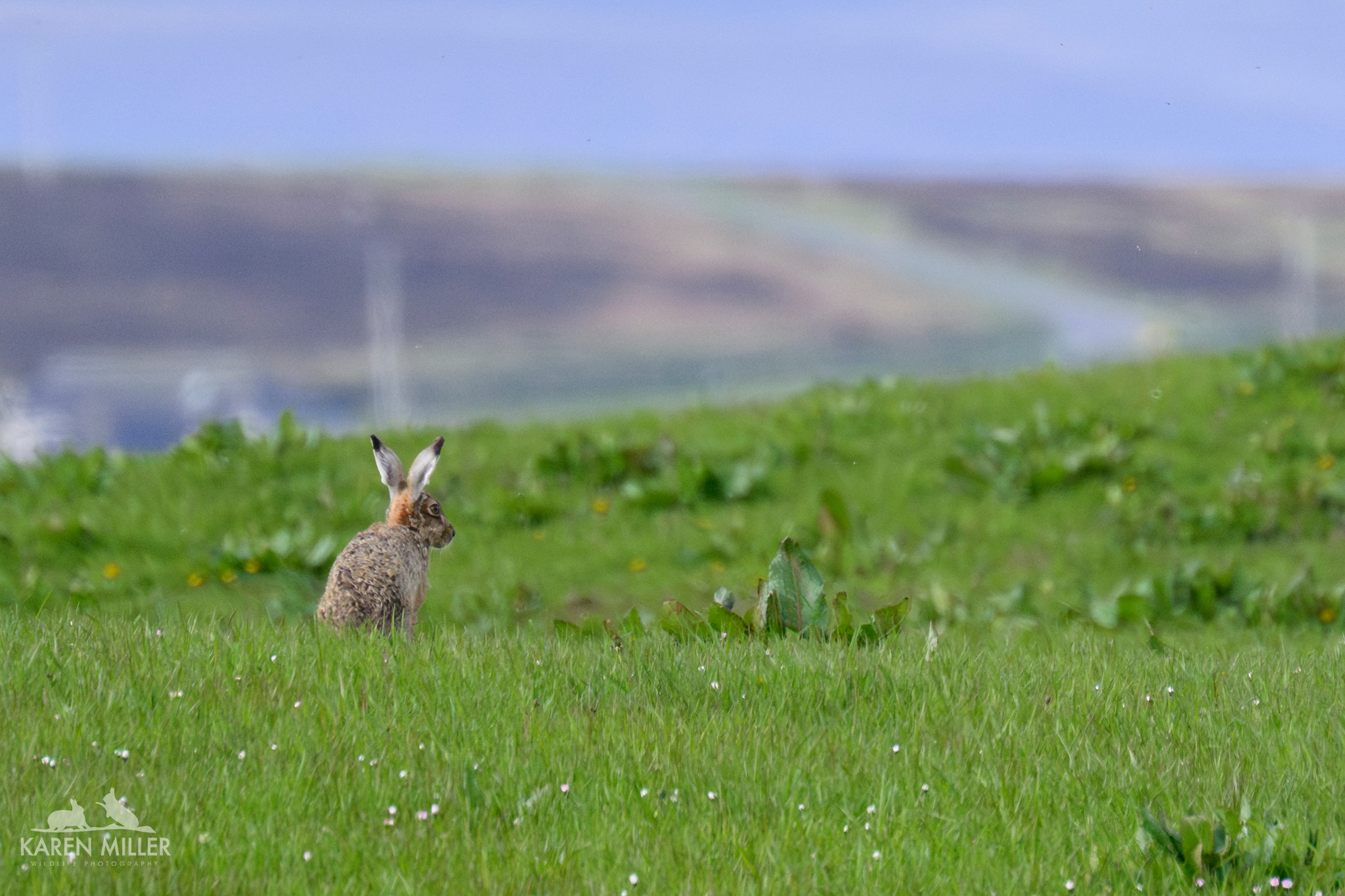
I saw a lot of hares during my two weeks. We actually had some in the field closest to our accommodation. Frustratingly they always sat in the furthest away half. As I drove passed early in the morning I would always stop and try to photograph them, but without fail they would run off. However, on our very last morning, as we packed the cars, there were 8 in the field. I crept down from our cottage and hid behind a wall and was able to remain undetected. Although a little distant I was able to photograph them.
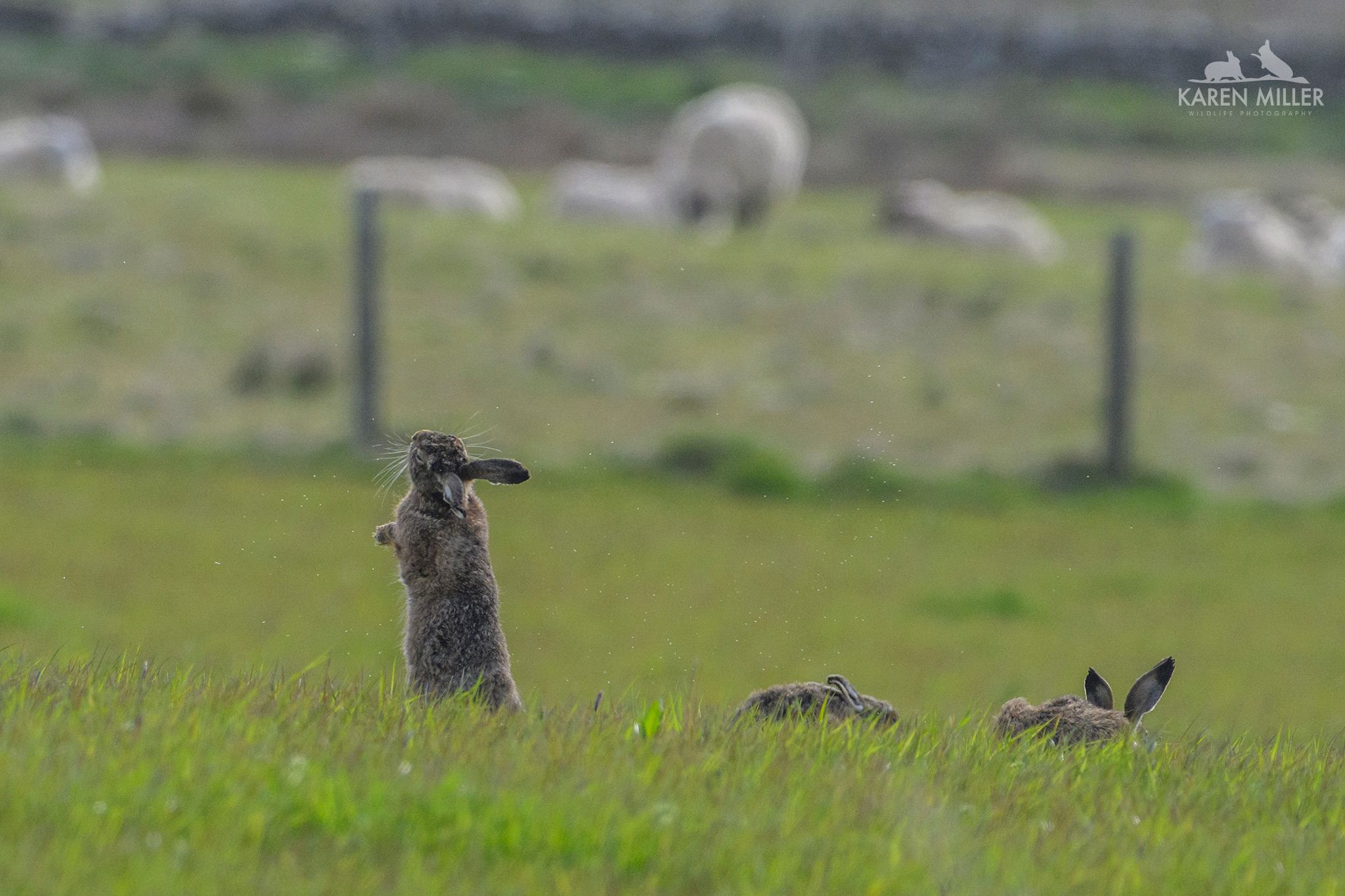
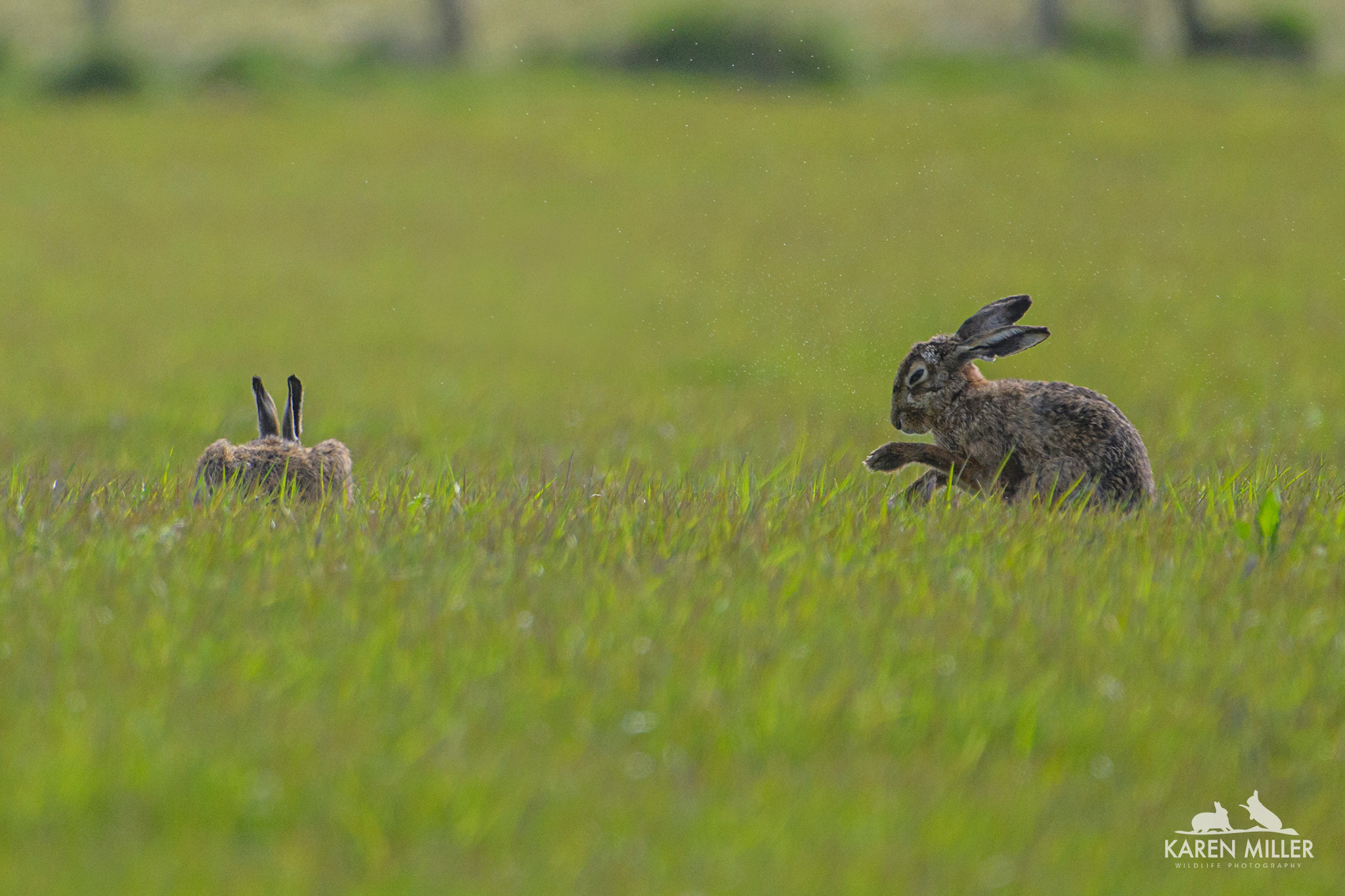
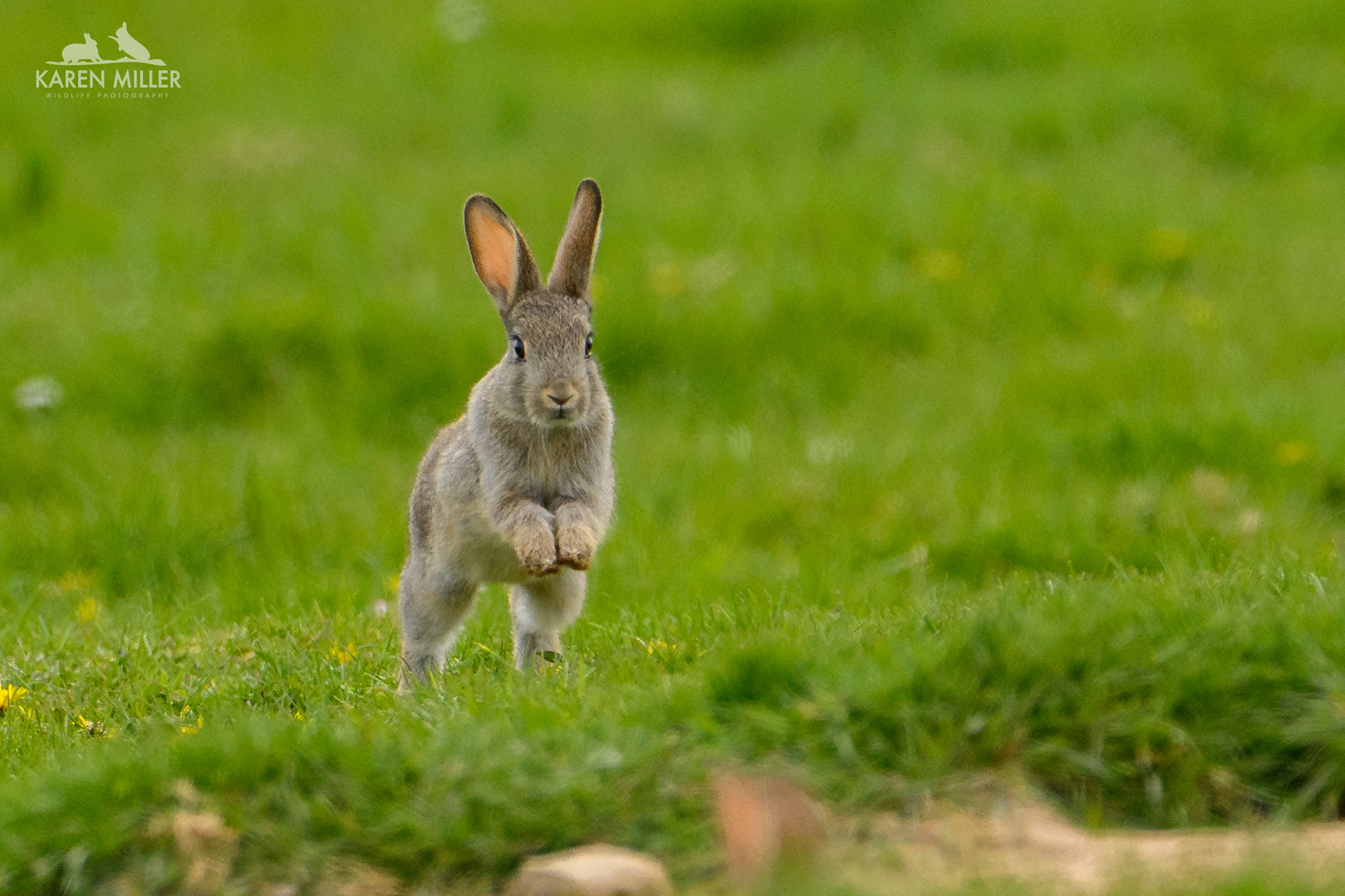
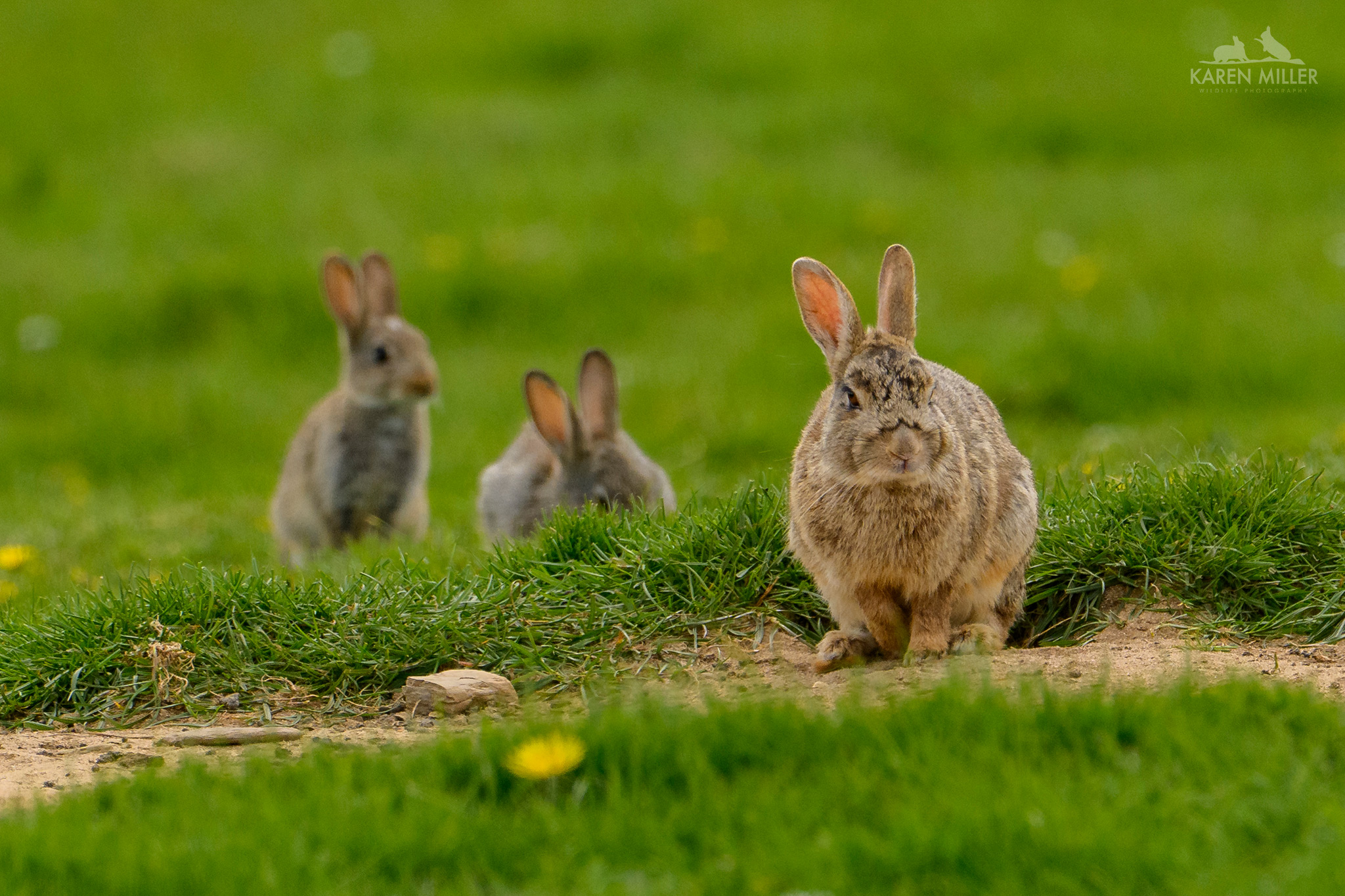
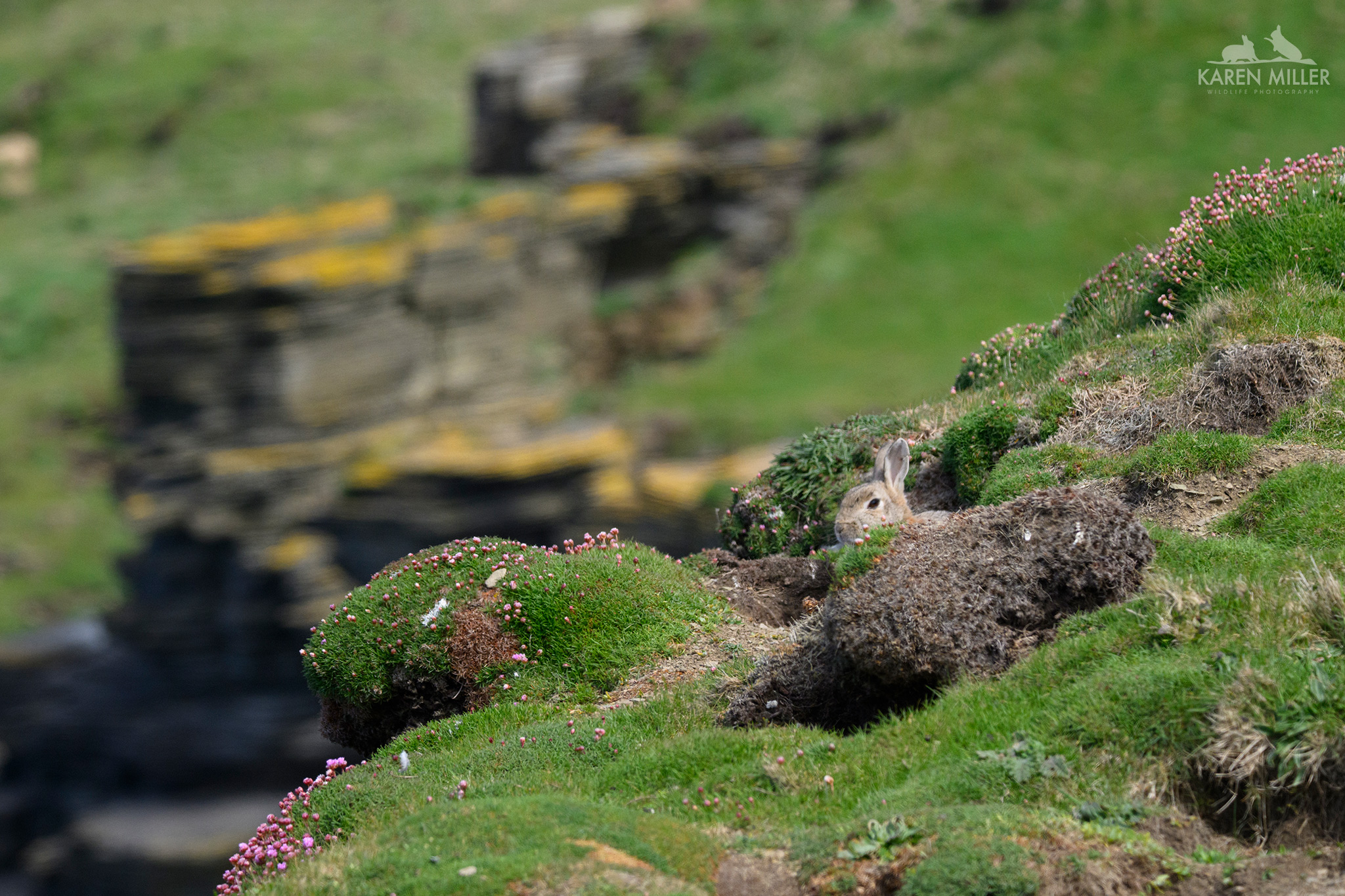
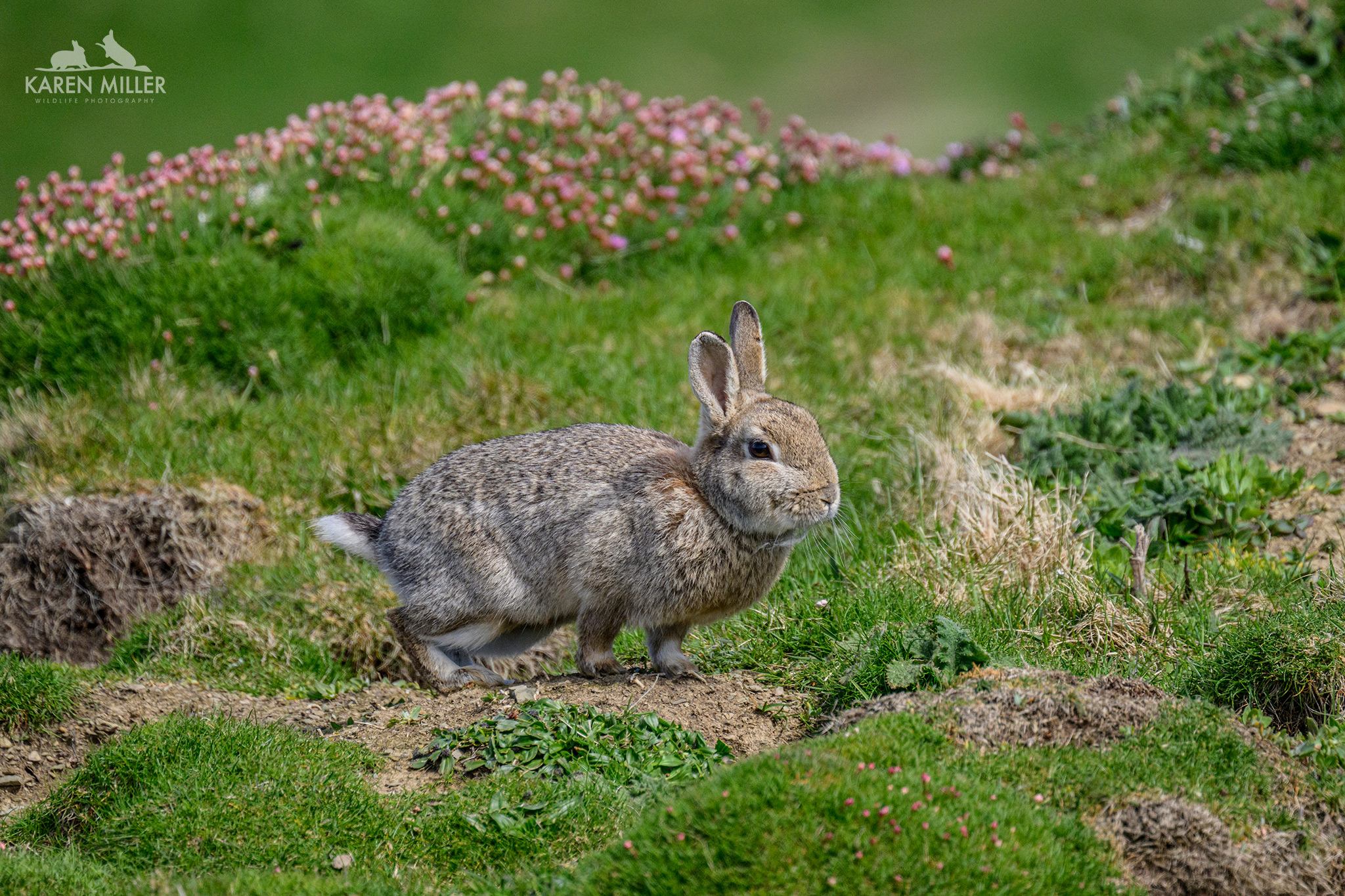
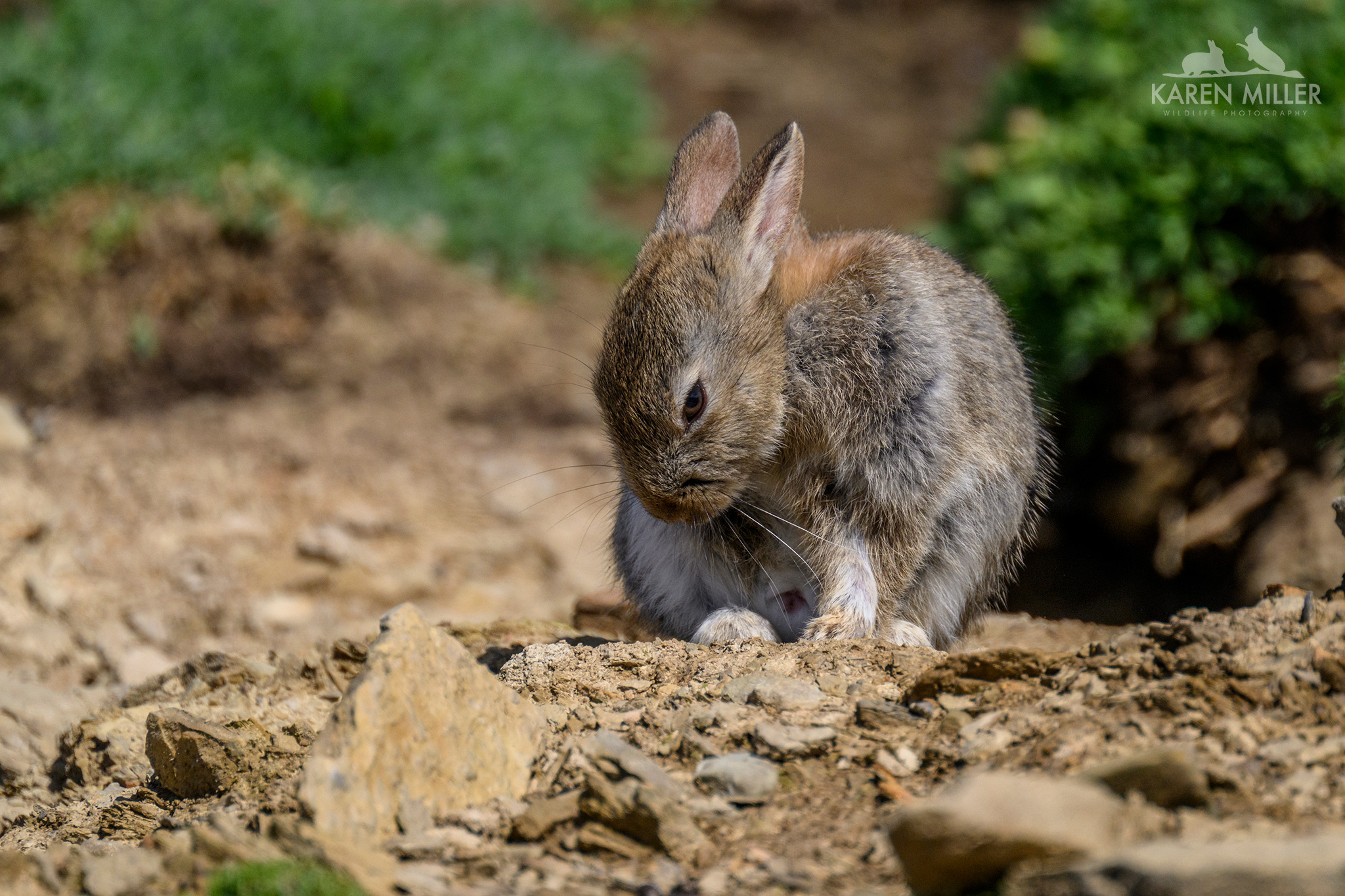
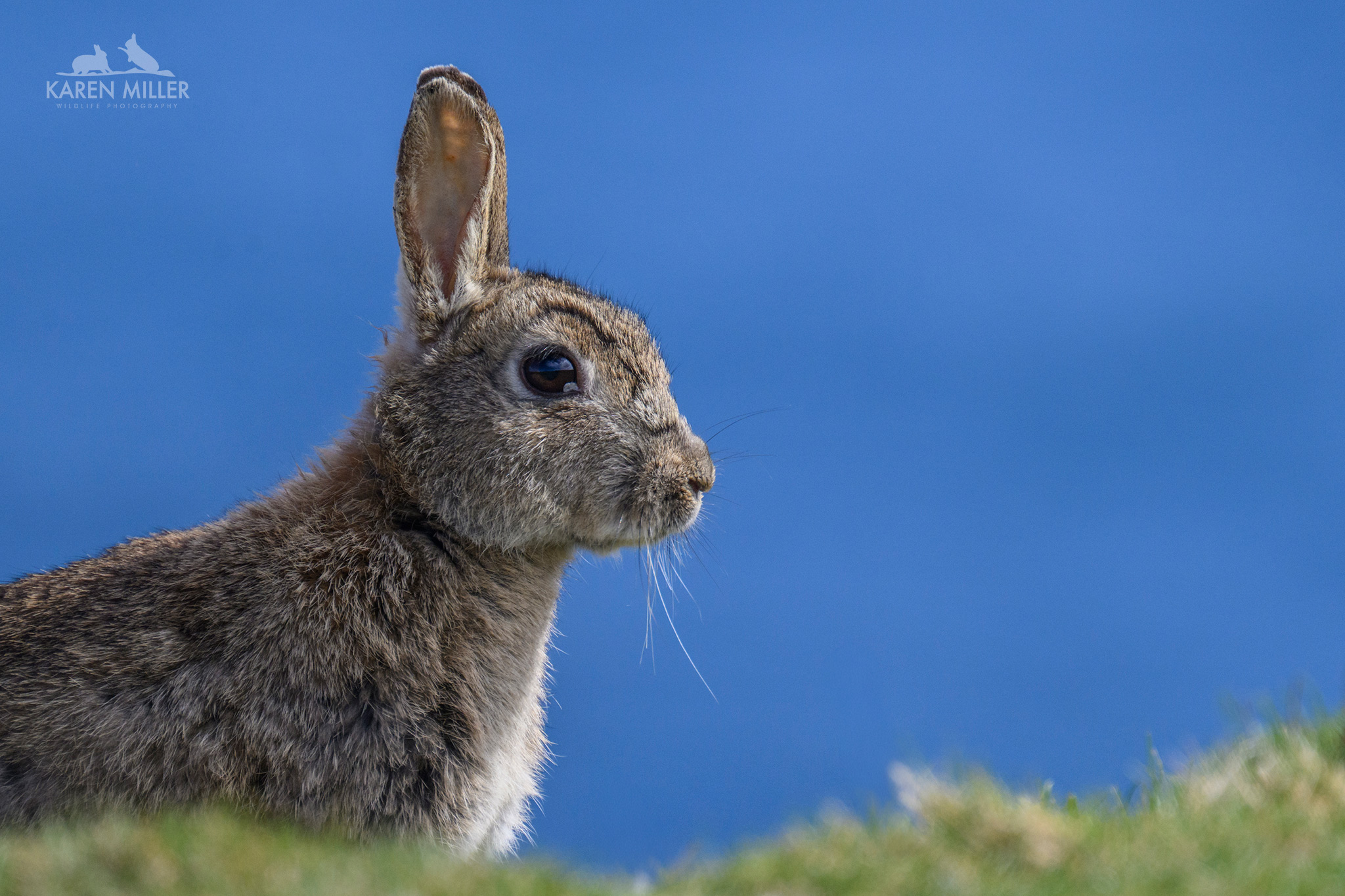
Rabbits were also plentiful. At the Ring of Brogdar we must have seen over 1000! Incredible numbers, and I imagine farmers must hate them. That said, the youngsters were adorable. I also returned to the location of the 2025 golden rabbit kittens. Sadly this year I only spotted a golden adult, however there were still plenty of brown youngsters, and if I sat quietly, they would pop out from their warrens and sit quite close by.
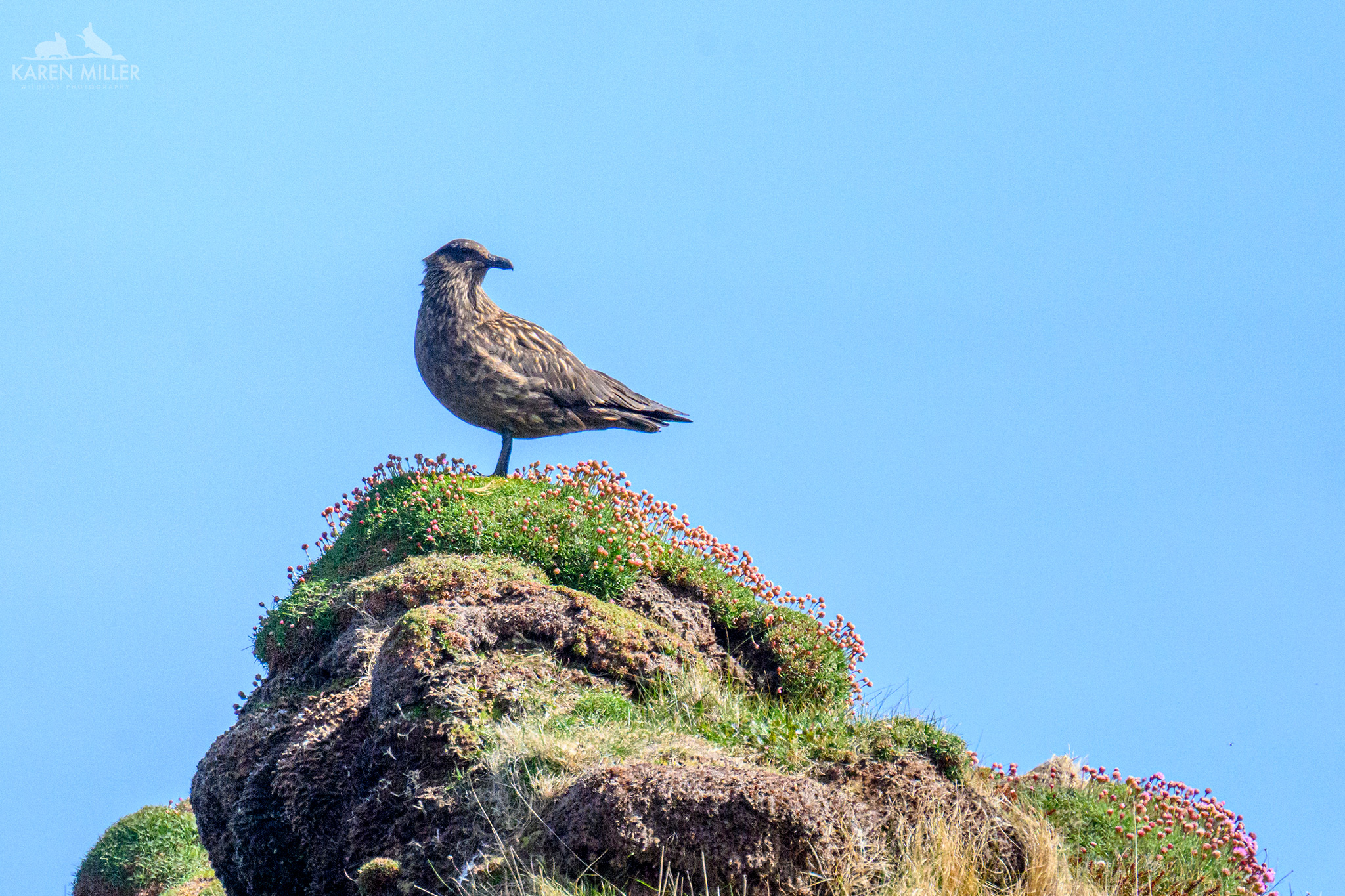
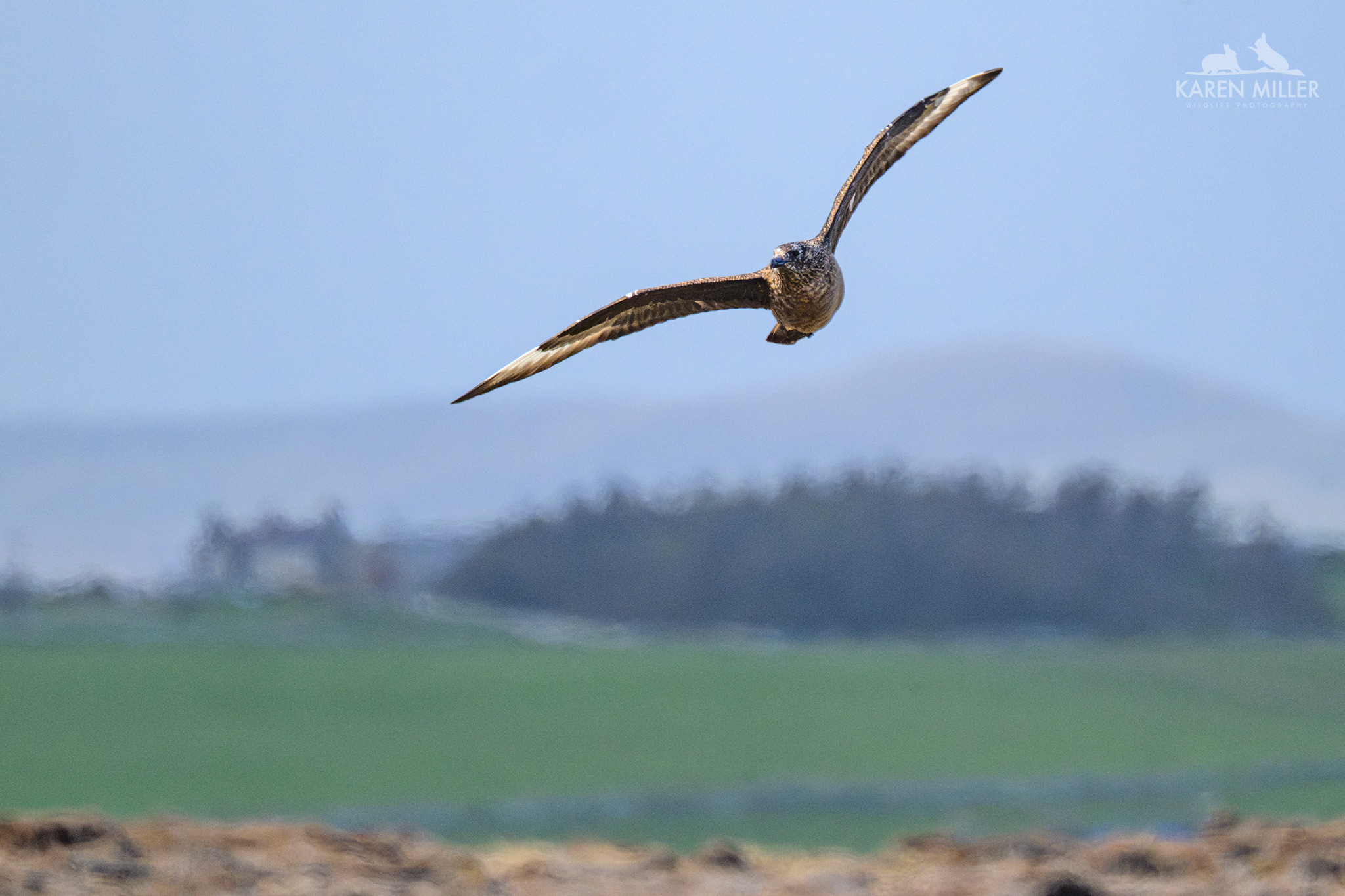
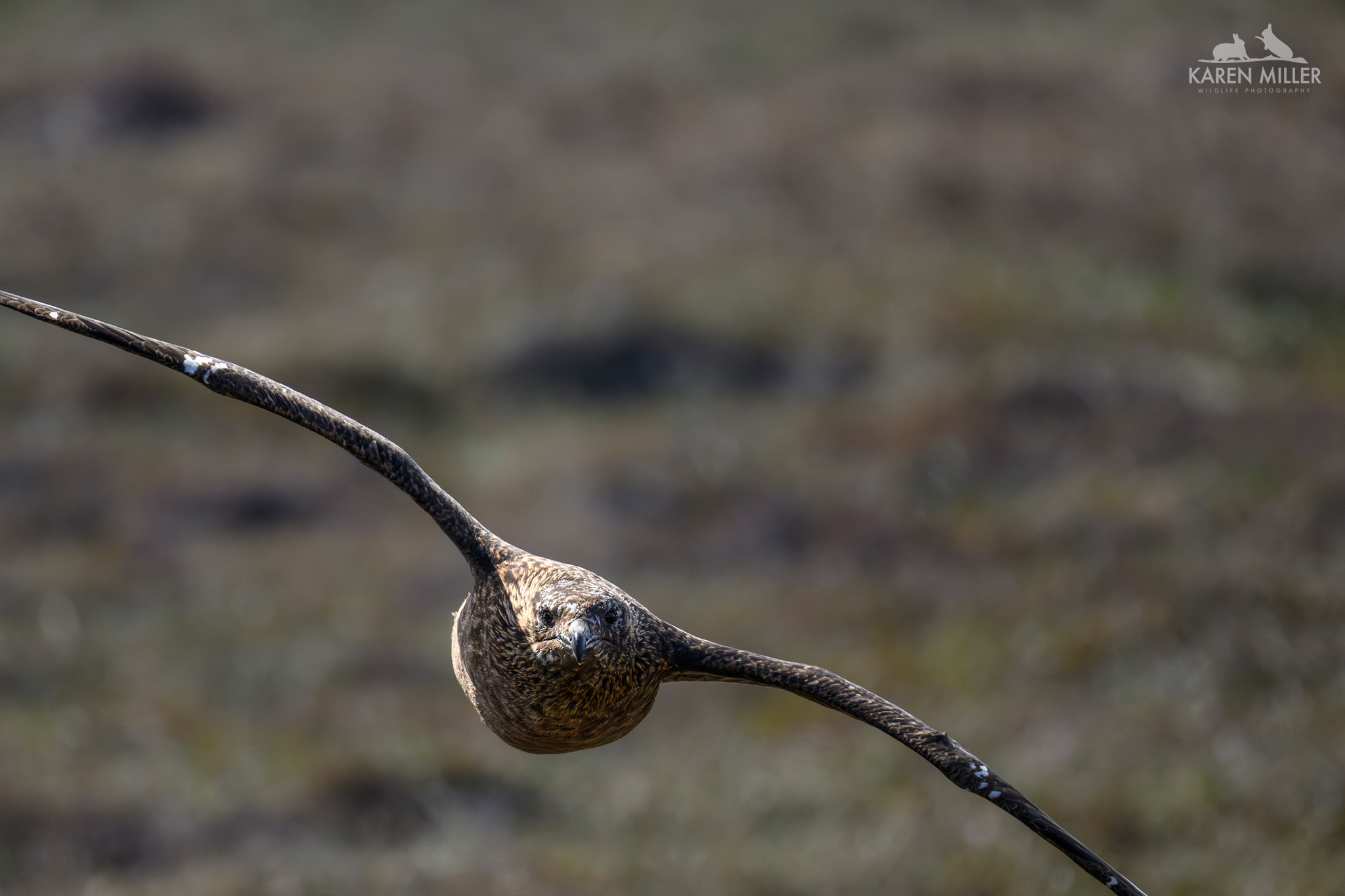
I only visited one of the outlying islands this time around – Shapinsay. Fortunately my Dad was driving as we had to reverse onto the ferry – I’d never have managed, I’m useless at reversing in a straight line! It was a beautiful day (horrible for photography as there was a lot of heat haze) and a lovely place to see. Many of the beaches and locations involve a walk to reach – it’s more suitable for bikes than cars. I abandoned my parents and went a walk along to the cliffs. On my outward journey I spotted a great skua perched on a small hillock, so took a few photographs. It then flew further up onto the moorland, where it dropped down. The cliffs themselves were a little underwhelming. The only seabirds I saw were a few razorbills and some fulmars. Returning the way I had come I noticed that there were now two bonxies. One of them took offence at my presence and started flying low across the moorland directly towards me – more than a little intimidating. I took some photos of it approaching and as you’ll see in the 3rd of these images (which is uncropped) at 560mm focal distance I couldn’t fit the whole bird in, it came so close before veering off – terrifiying! I walked quickly on… I don’t know where they were nesting but it must have been close by. Intimidating as it was, it is great to know that they are breeding given the reduction in numbers.
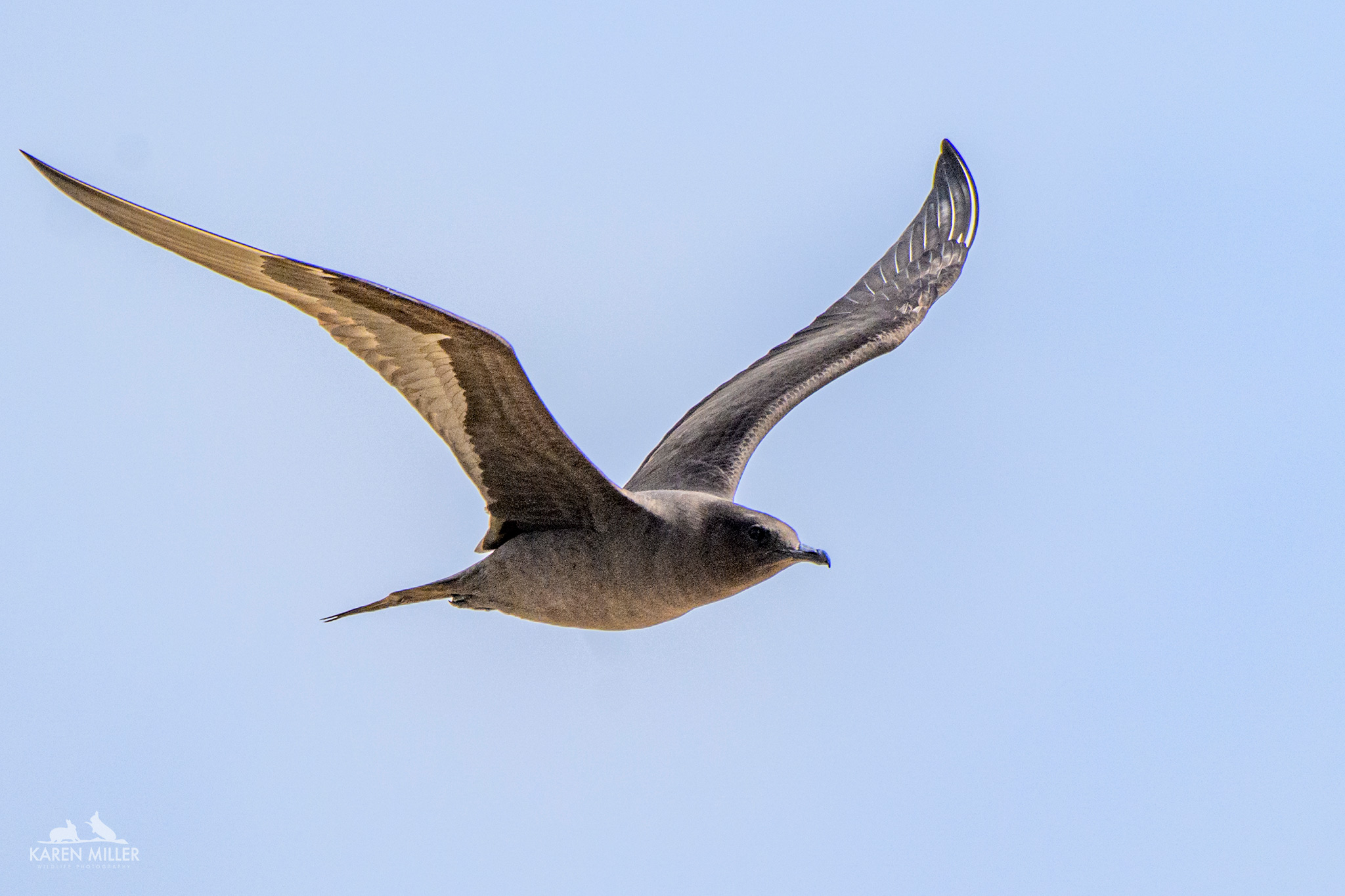
I also saw one arctic skua on another beach. It wasn’t interested in me fortunately but was being harassed by the terns.
All in all it was another fantastic two weeks. Having now been in both July and May, I have concluded that June is probably the optimum month. I know the mainland at least, well now, and am going to run one or two tours there next year for a maximim of 3 guests at a time. If you’d like to join me I’ll be posting information on my website very soon, or you can email me. Mainland Orkney is very compact and easy to drive around. There are numerous locations and some fantastic scenery and history to boot. The days will be long, so we’ll be out early and late, having a break during the peak of the day – there’s certainly something for everyone!
I’ll leave you with a short video featuring some of the wildlife I saw on this occasion. Enjoy!


Delightful and enchanting as always, Karen. I no longer visit Facebook, preferring to frequent Bluesky, so I miss your posting there. I hope that your business is going well in the current economic situation. Take care, best wishes.
LikeLike
Thanks Nigel. All good thanks! Hope you’re well too.
LikeLike