
Our time in Kuching is now over. In retrospect we possibly stayed a day or two too many but it has been interesting to explore the city, sample the local cuisine and visit some of the close by wildlife hot spots. You can read about the first few days in this blog.
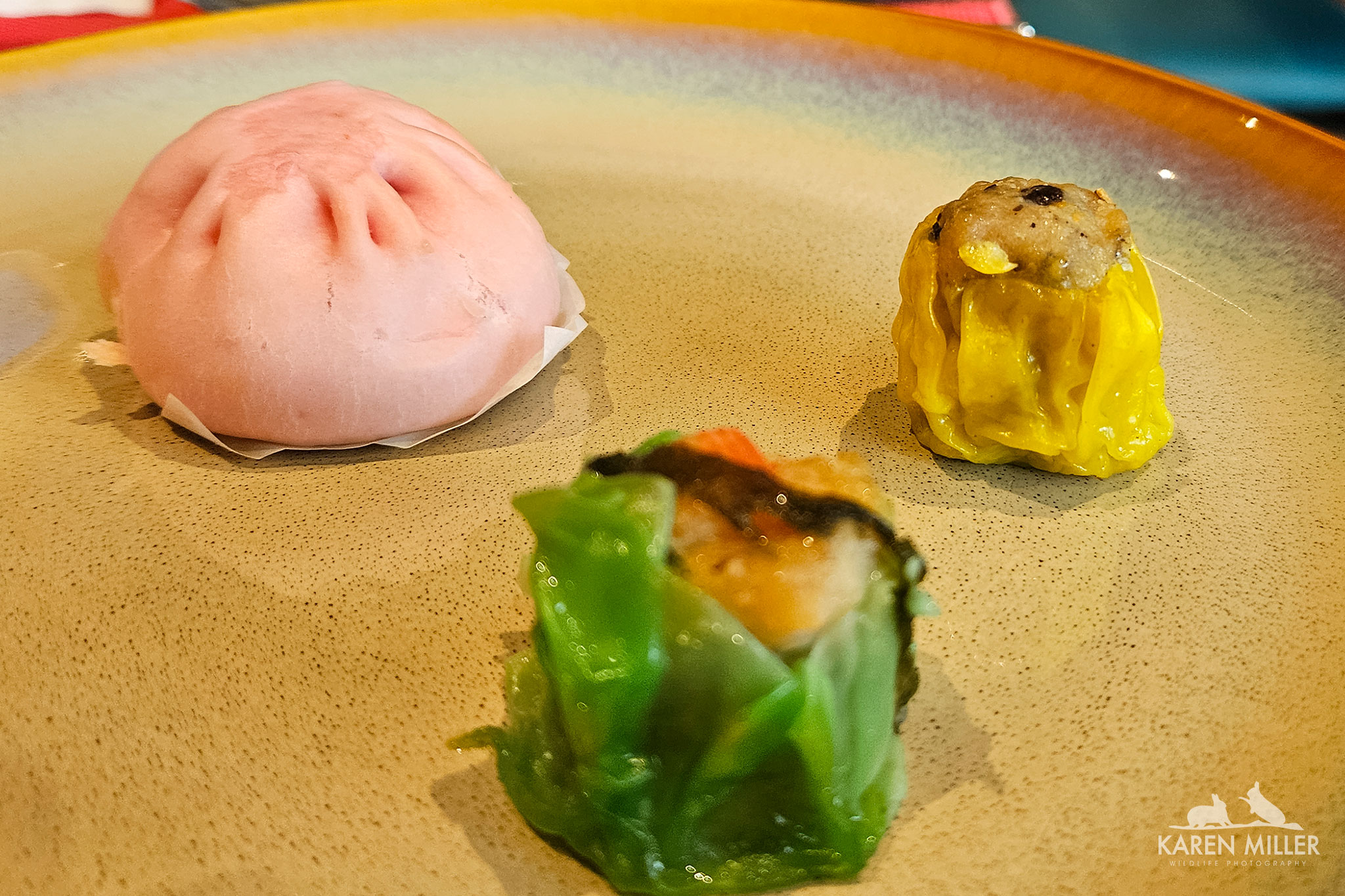
More Kuching / Borneo observations first though. I mentioned that people here eat curries and Malayan dishes for breakfast. I tried a curry puff but my stomach wasn’t happy with this at 9am! The dim sum were a bit better
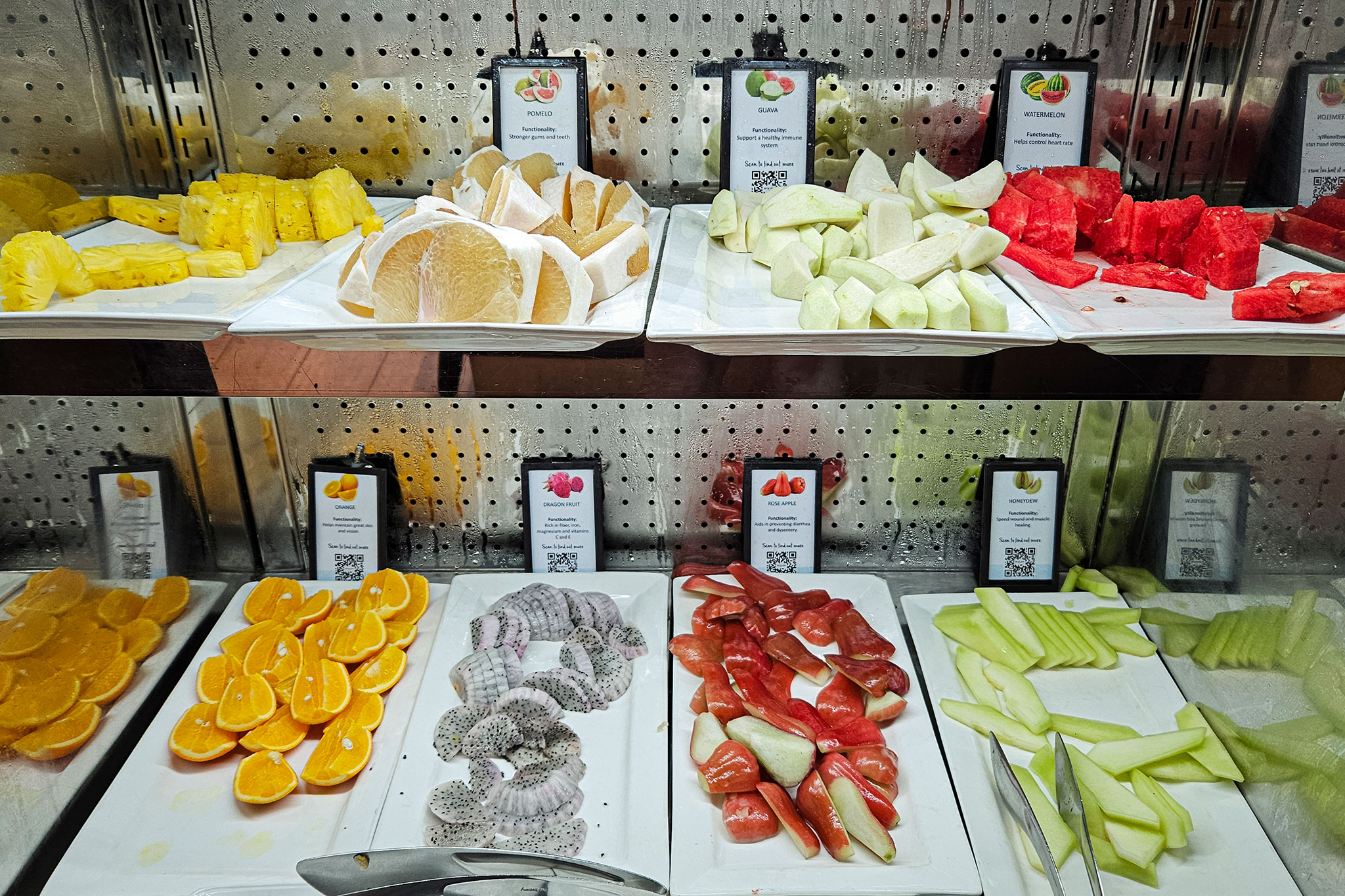
and I did enjoy the local fruit juices, choosing guava most mornings. There were many exotic fruits on offer, the honeydew melon was some of the nicest I’ve tasted…
I am enjoying Malaysian food at other times of the day however. The satay pork on Carpenter Street was delicious and a butter chicken nasi goreng was very tasty too. They do eat an awful lot of rice here!
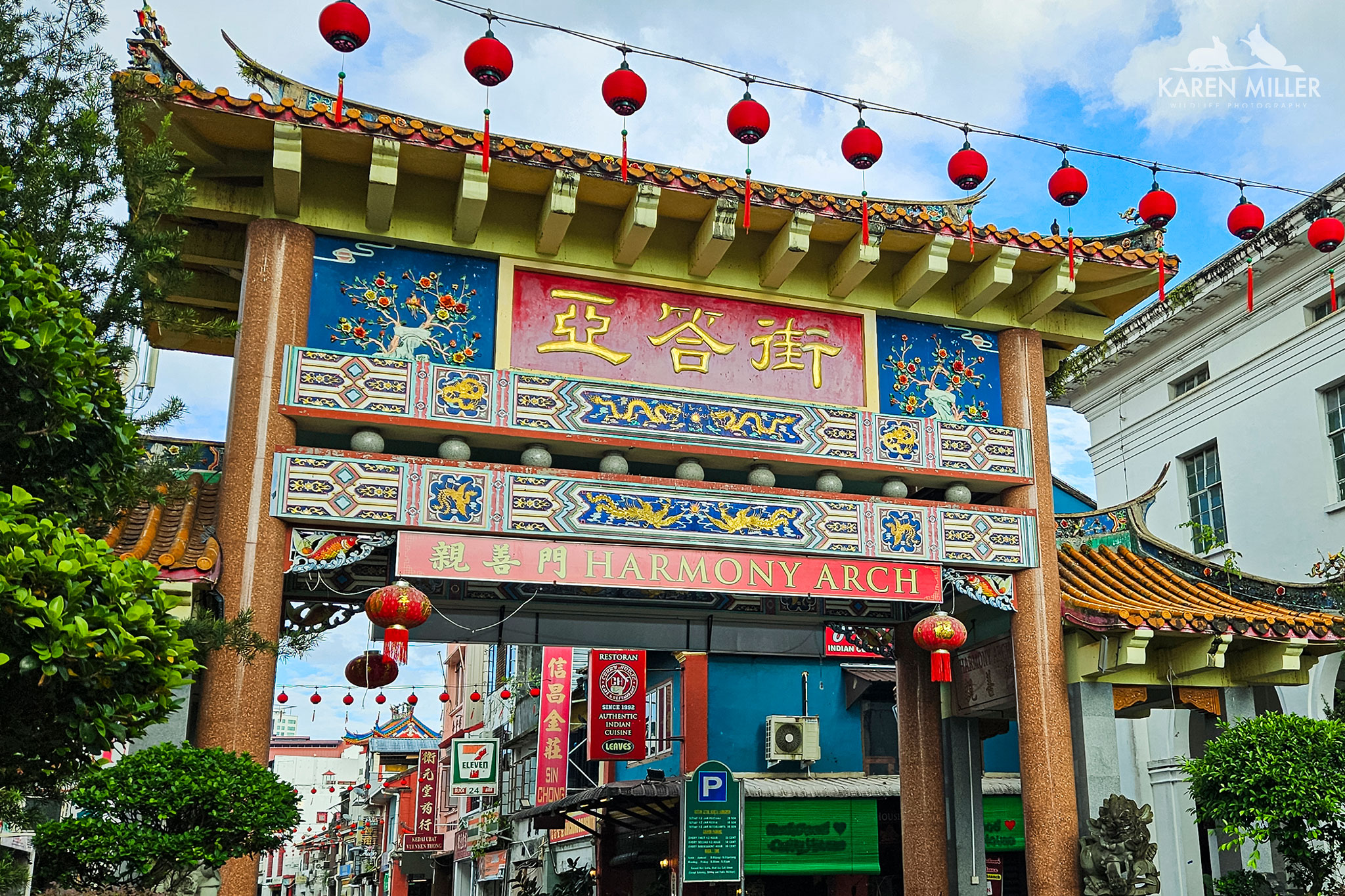
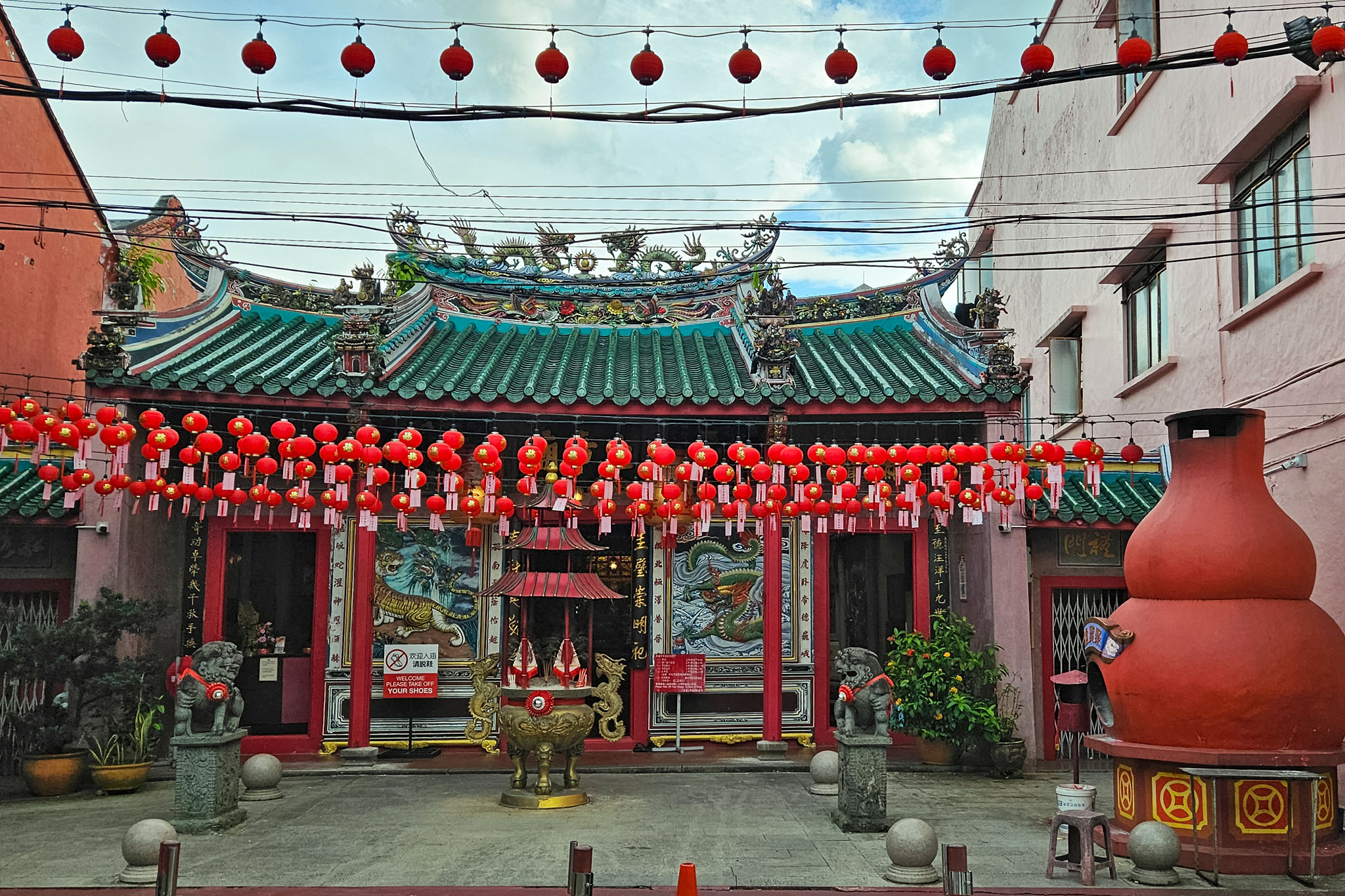
Carpenter Street was quite vibrant with interesting shops and buildings.
Malaysia has a system similar to a combination of Uber and Just Eat called Grab. Through the app you can order taxis, take-out and even your shopping! A grab cab to the airport cost only 12 ringits which is £2.09! Incredible when compared to what is charged for airport transfers back home. In fact, you can’t even get into a taxi for that amount these days in the UK! We also ordered take out from a recommended restaurant one evening which arrived early (again, unlike the UK).
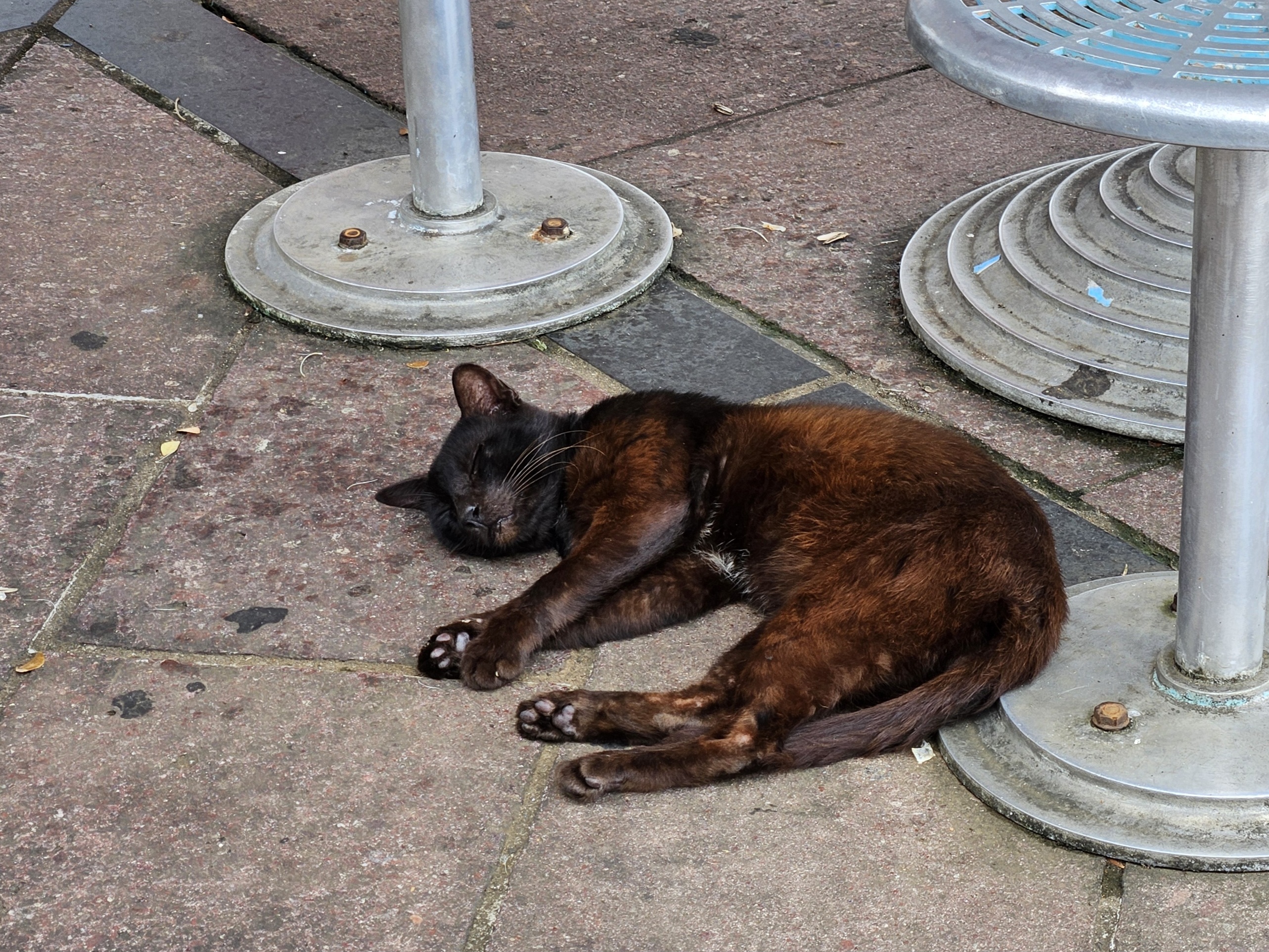
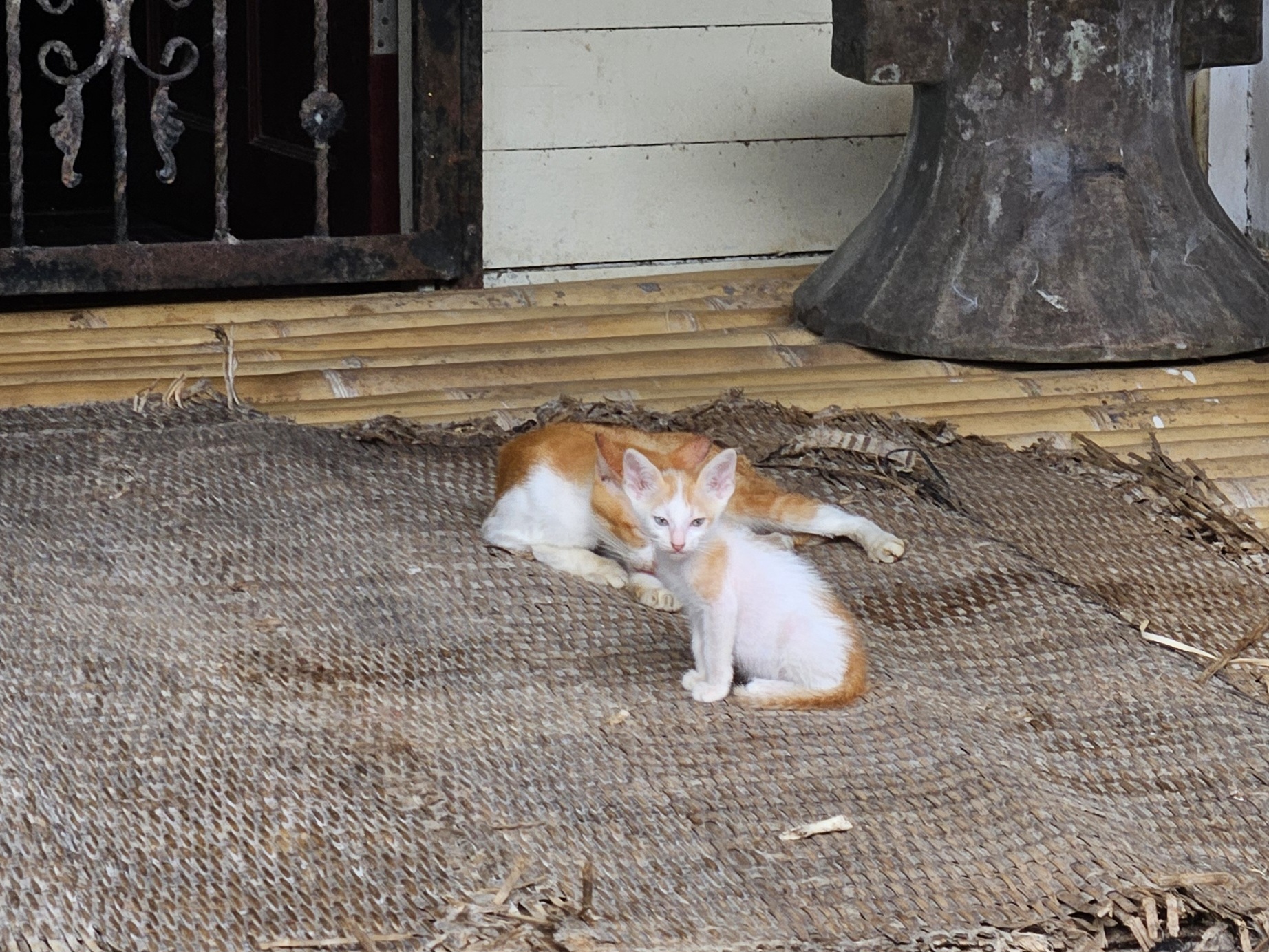
Kuching is cat city, there are cat statues, murals and actual cats everywhere. There’s even a cat museum. We didn’t visit it though.
I haven’t yet mentioned camera gear or how to deal with it in such a humid environment. I took my Nikon Z8 with Z50 as back-up. The two lenses I chose were my new (to me) Nikkor Z 400mm f4.5 which is a lovely lens, and a friend’s Nikkor Z 70-200mm (thanks Peter!). I brought my 1.4tc too. It was a bit of a gamble choosing the fixed focal length of the 400mm over my z 100-400mm but it’s a much better lens and lighter too. [please note: the above are Amazon Affiliate links]. As it happened, for the most part I chose the right lens each time, or took both! I didn’t bother with tripod, monopod or bean bag as my suitcase was bursting at the seams (should have bought a large, not medium one), but didn’t miss them and I’m pretty good at hand holding in most situations. The humidity was a concern especially as all the accommodations were air conditioned and therefore much cooler and drier than outside. When we had a balcony we could put equipment out there for a while before/after venturing outside, but this wasn’t always the case. In those situations we had to accept that for the first 10 minutes or more the camera/lens would keep steaming up. Quite annoying but expected. If you go to a humid country do remember plenty of lens cloths. On returning I would place the camera in a sealed dry bag with silicon gel sachets (large 50g ones) and not open the bag for at least an hour. This did seem to work pretty well which was a relief. As for bag, I purchased the new Cotton Carrier hykker sling bag for the trip. It was a good size and comfortable to wear. I did run into an issue however. Due to the high humidity the camera attachment which locks the camera into the harness kept unscrewing. I had forgotten to bring the allen key so could only tighten by hand. On three occasions it fell off, fortunately not whilst the camera was in the harness. At this point I decided not to risk either hurting the camera or losing the attachment so took it off and packed away. The bag still worked well though and my camera did fit inside it with all the other essentials such as sun cream, water, fan and insect repellent.
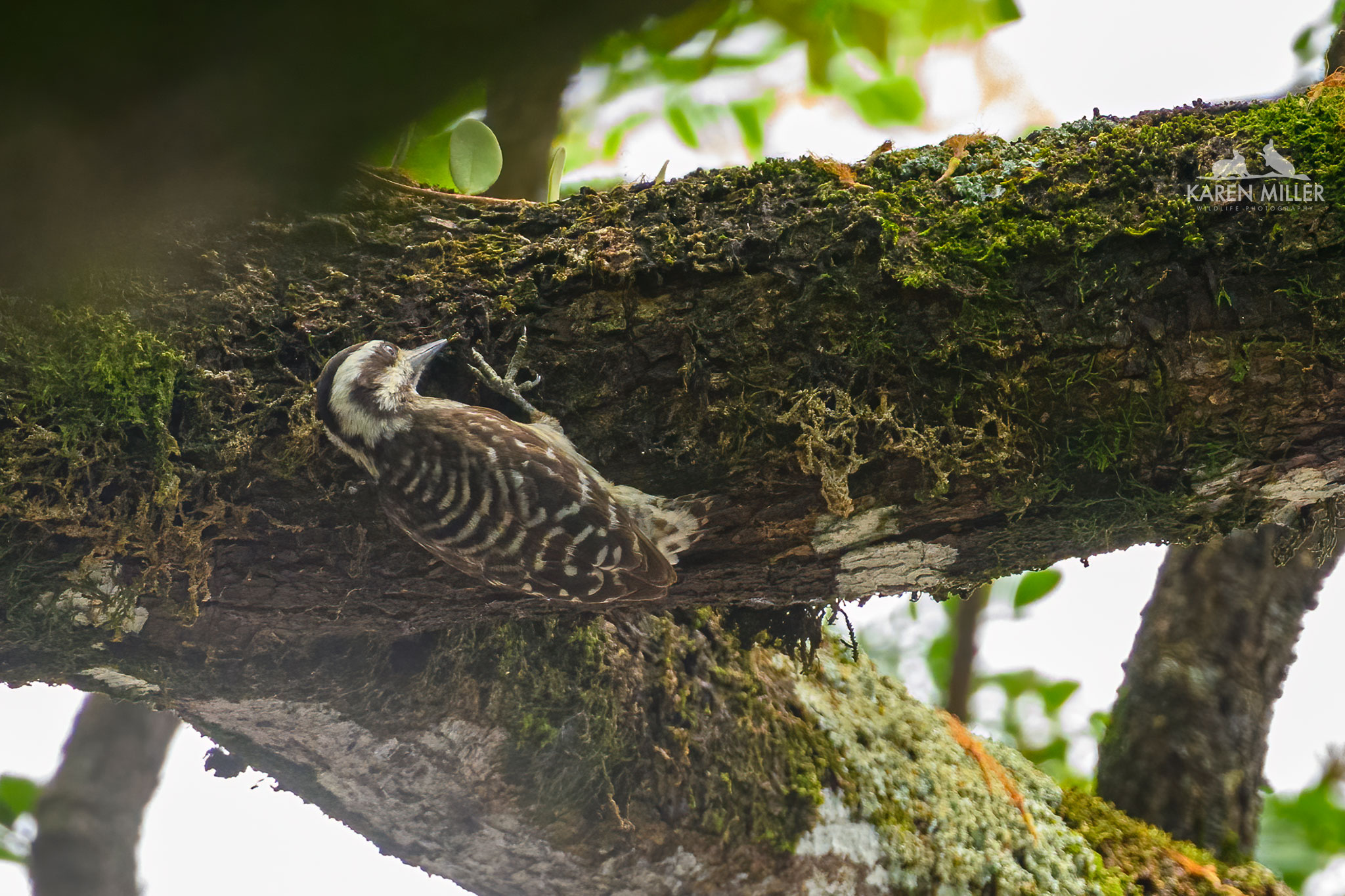
Most days we braved the humidity to wander slowly along the Kuching waterfront watching and photographing the birds. I had a brief sighting of a woodpecker. I think it’s a brown-capped woodpecker but only managed a couple of poor photographs.
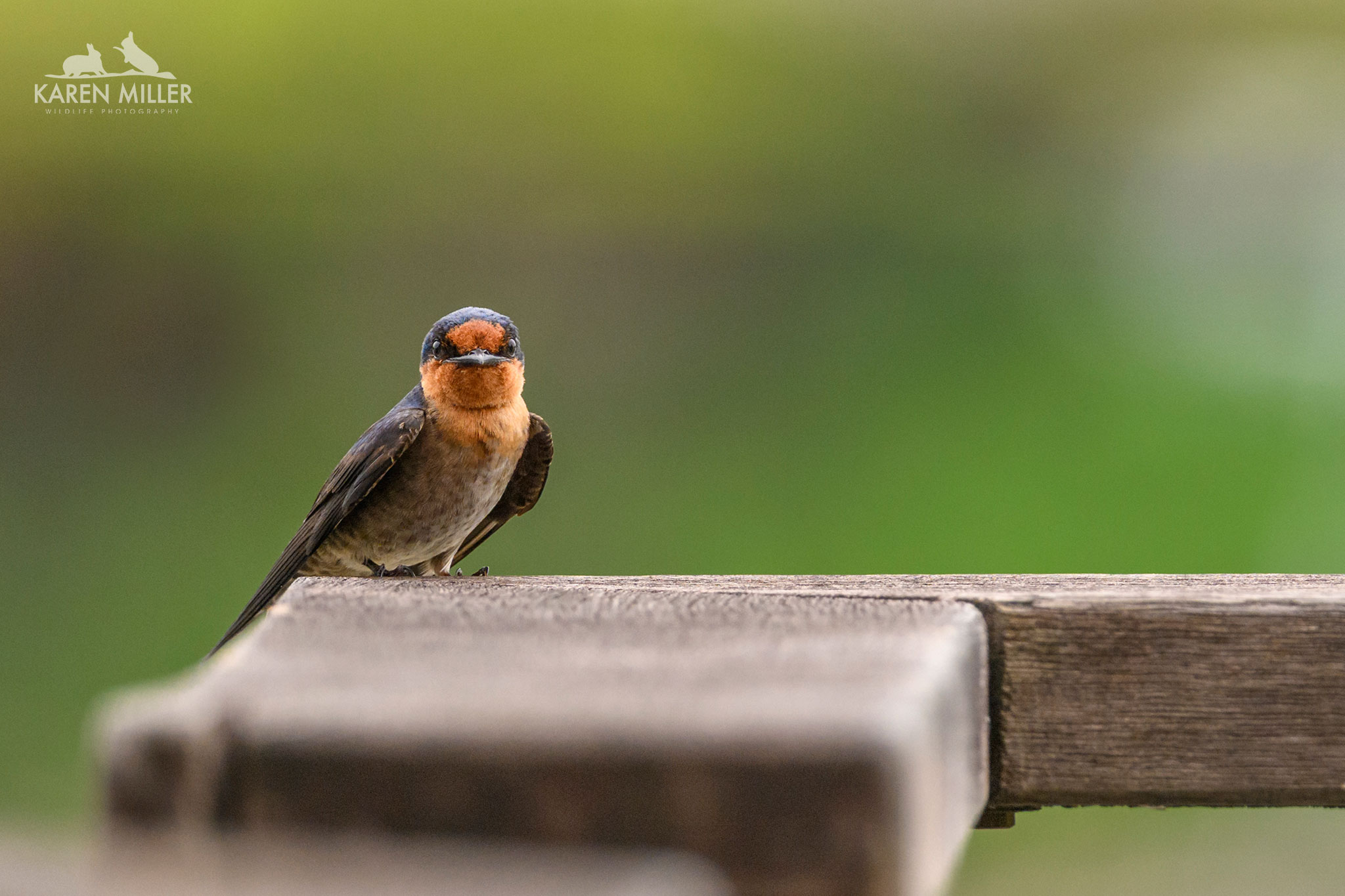
One of the local swallows (pacific swallow I think) who were zipping about everywhere did stop for a breather and it was good to see it close up. Quite similar to our barn swallow.
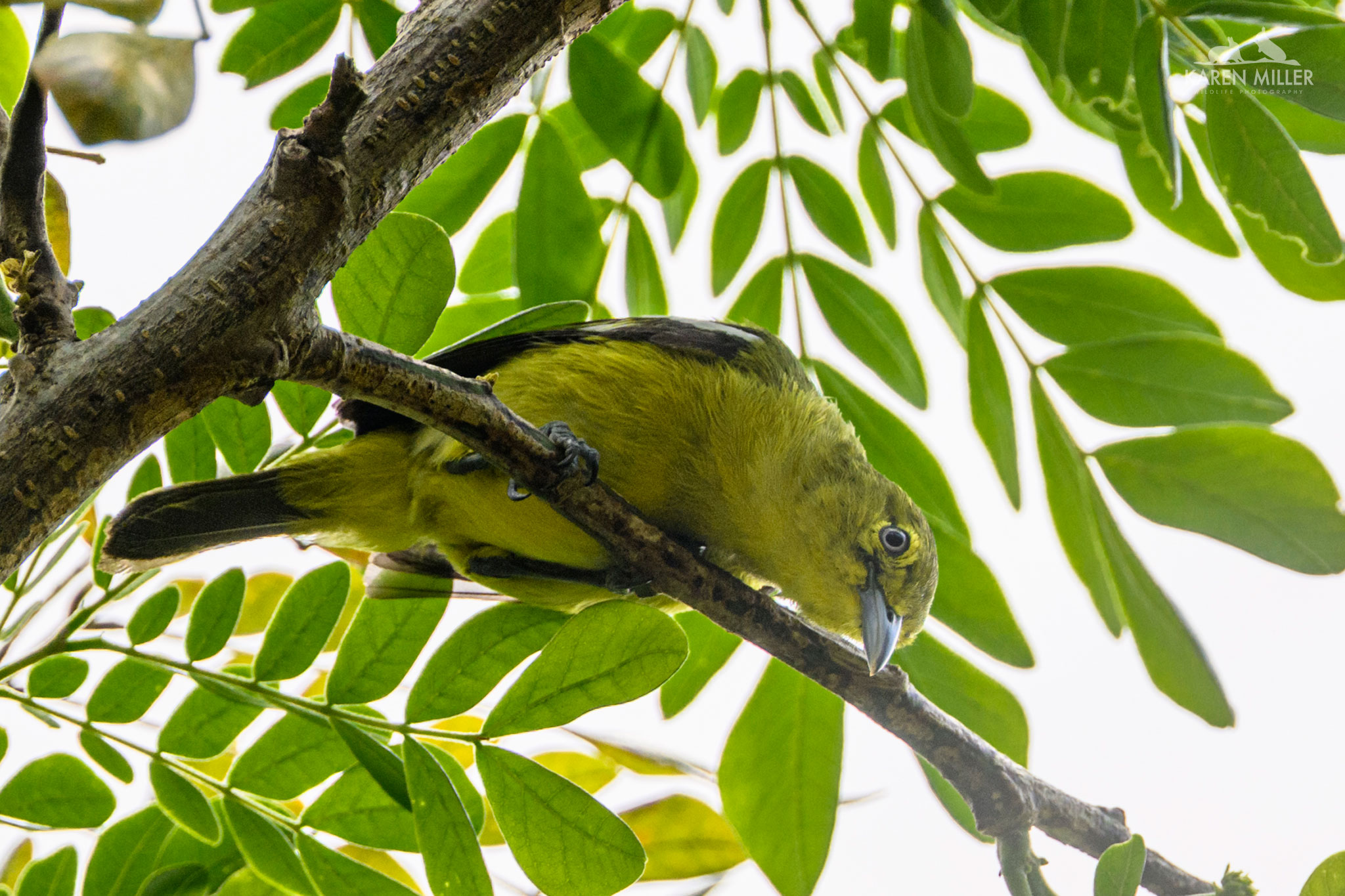
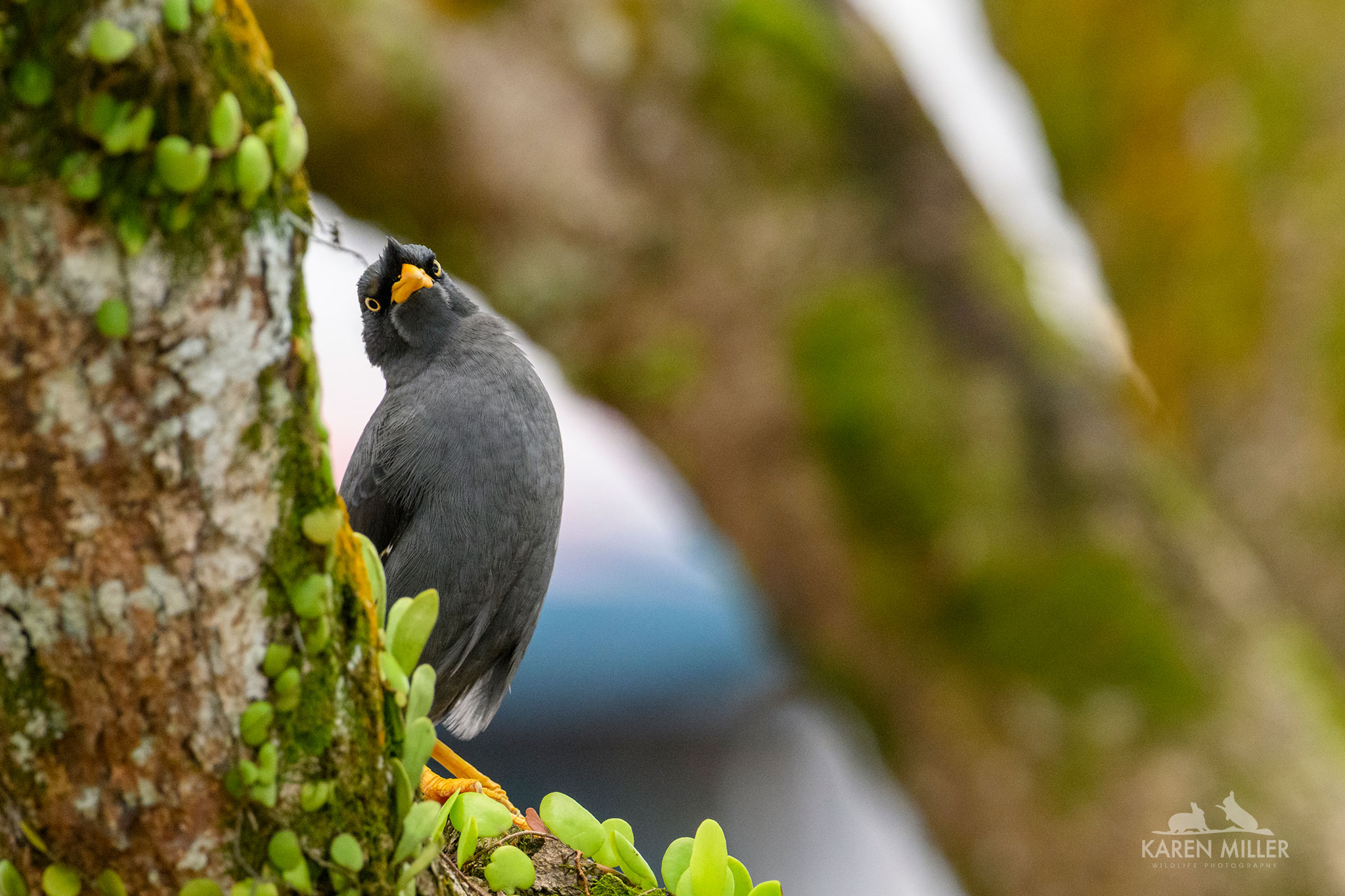
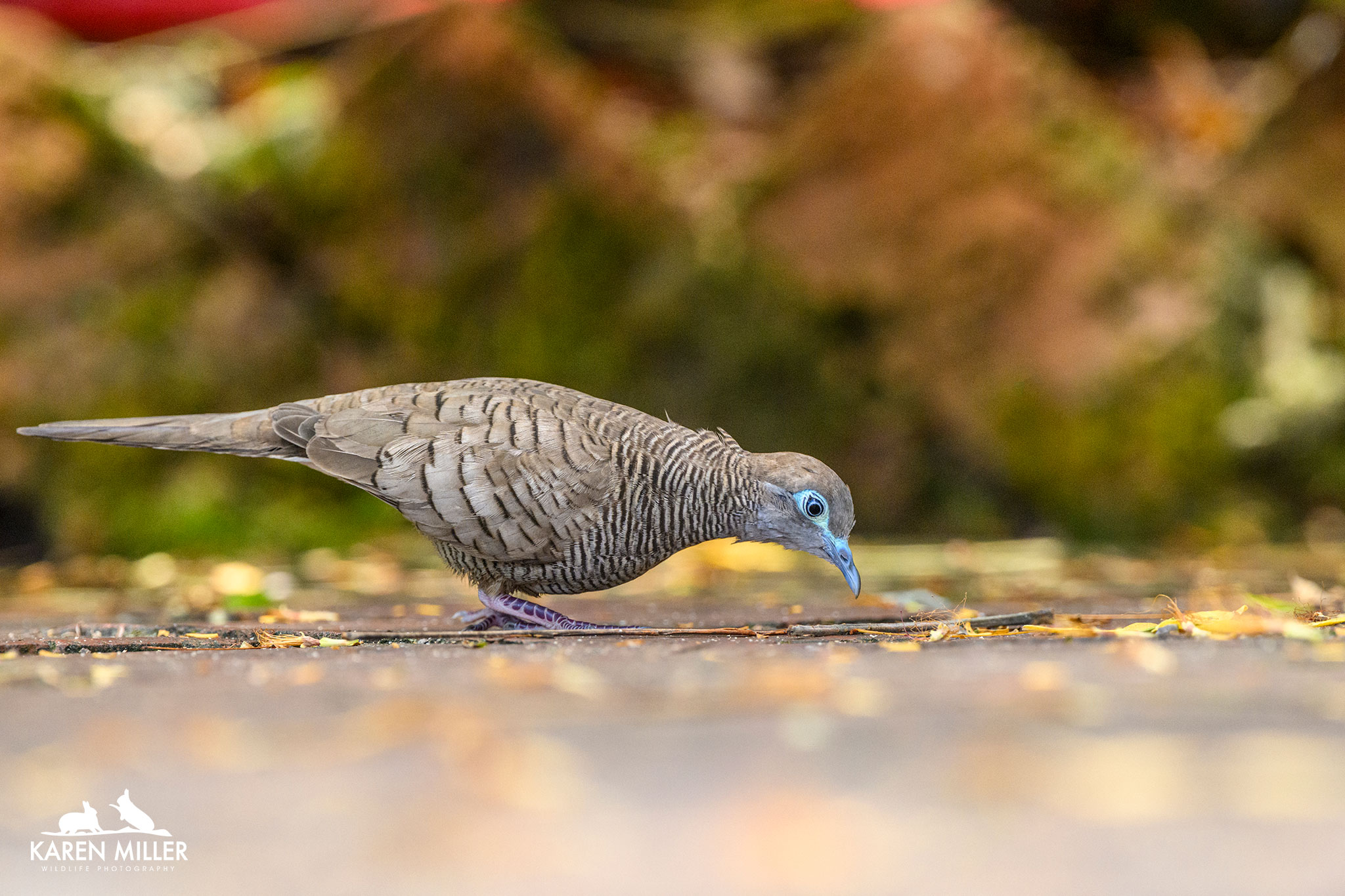
Here are a few more images of the local bird life. The glossy starlings, myna birds (not shown), yellow-vented bulbul (not shown) and zebra dove were all very common but great to see nonetheless. Also shown here a common iora (the yellow bird).
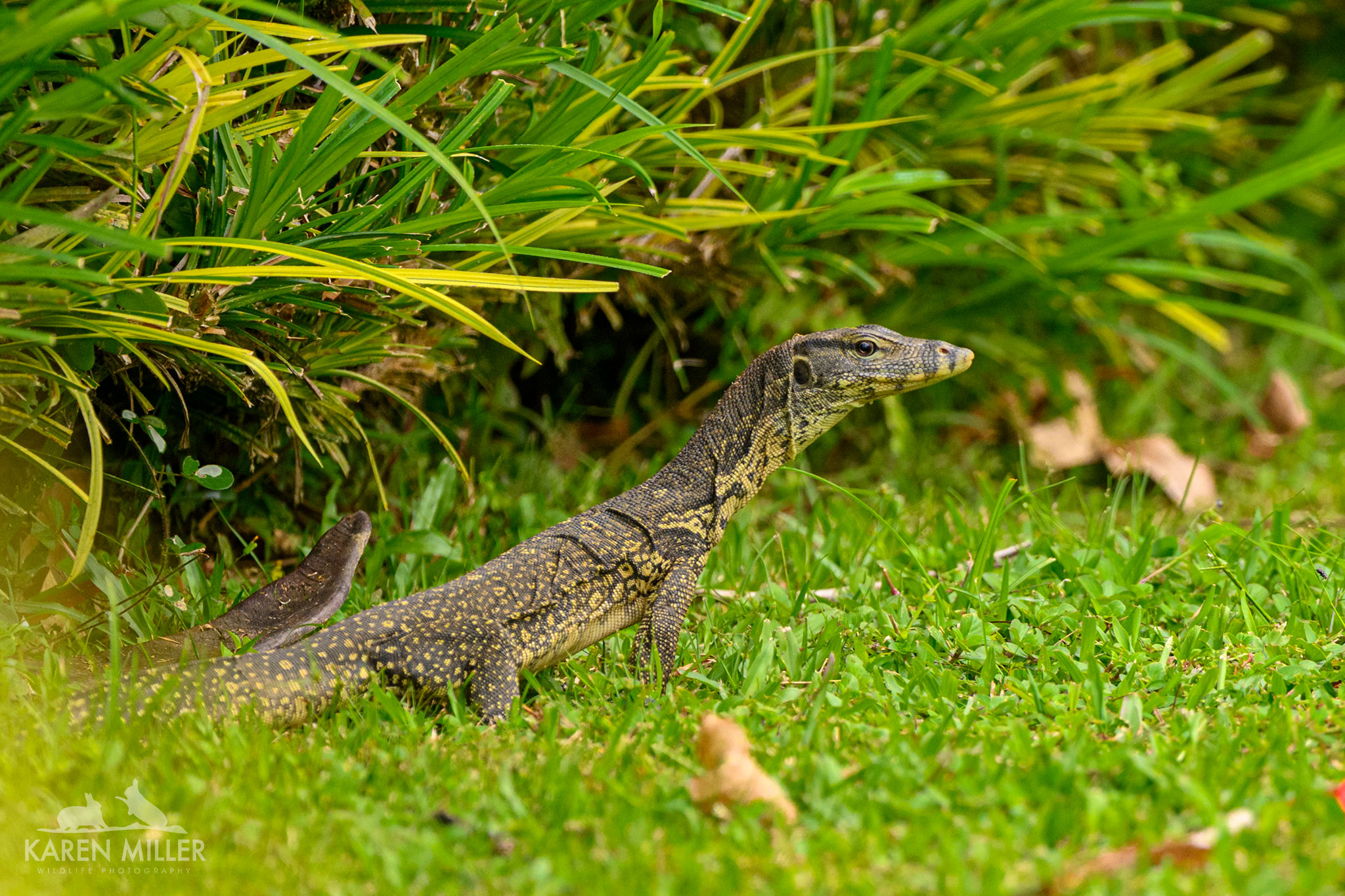
The most interesting species we saw was a relatively small water monitor lizard. When I saw small I don’t mean small like our common lizards, it was approximately 50cm in length. It liked the grassy area close to our hotel where it would hunt for insects. Fascinating. I do love lizards!
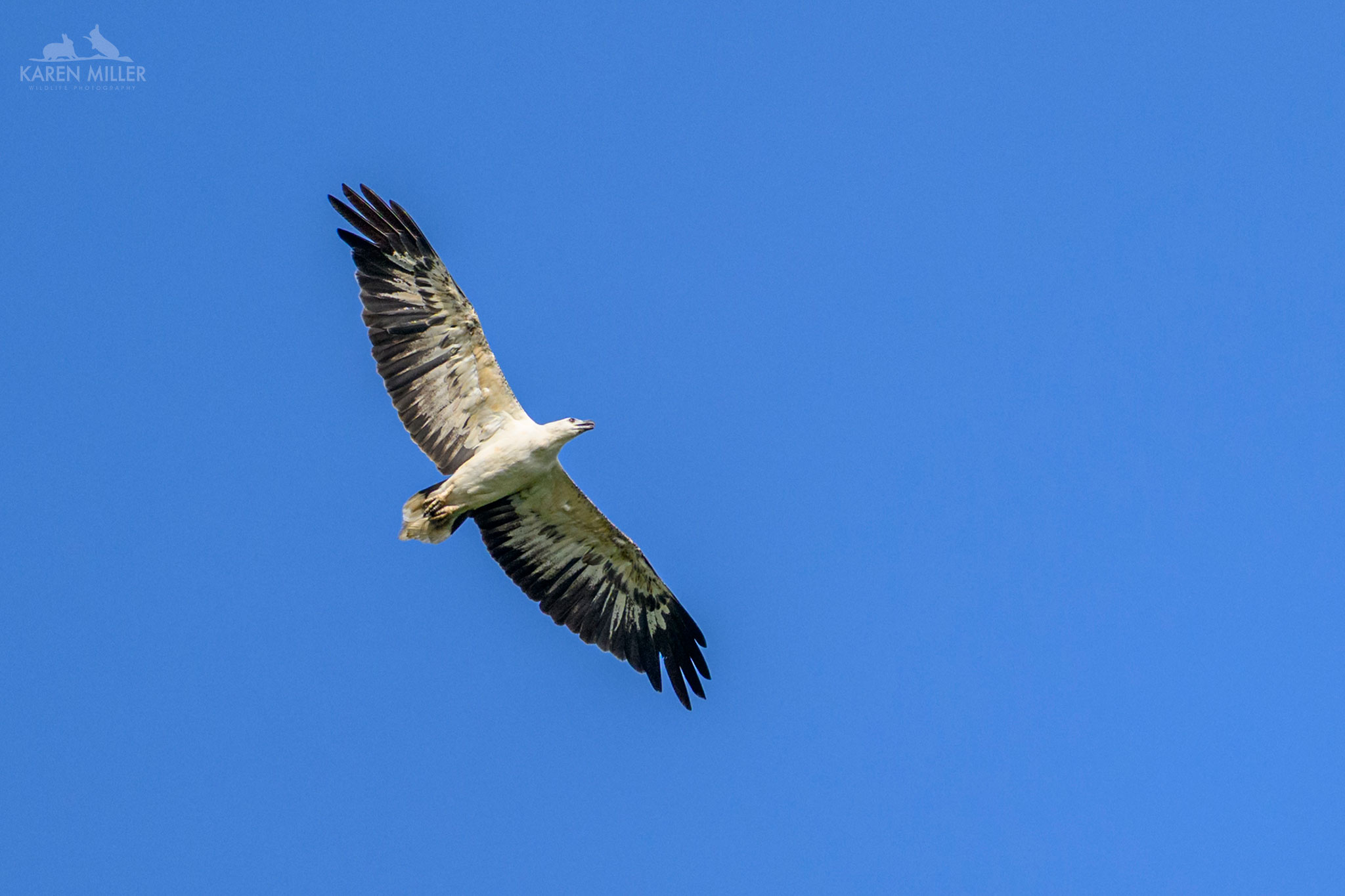
We went on three more wildlife excursions all booked through Borneo Adventure. Two of those were to the Santubong mangroves to view wildlife from a boat. These two were actually sub-contracted to CPH Travel who are an older tour company. Their vehicles were a bit older but the guides and boat pilots were excellent. They even gave us water, cakes and fresh pineapple which was lovely! The first of these the “Santubong Wildlife Cruise” was an afternoon departure and it started brilliantly with two brahminy kites and a white- bellied sea eagle flying close to the boat.

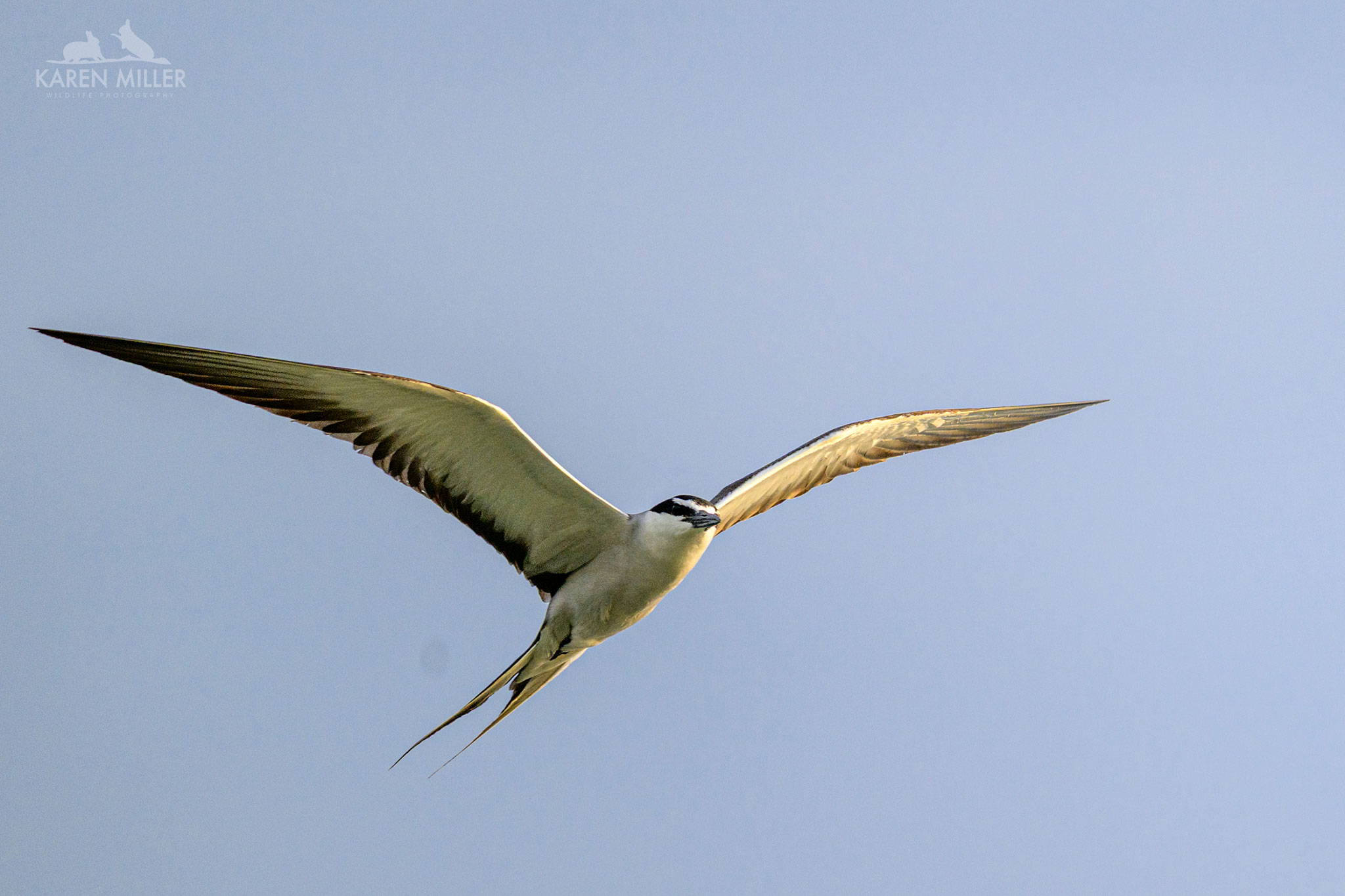
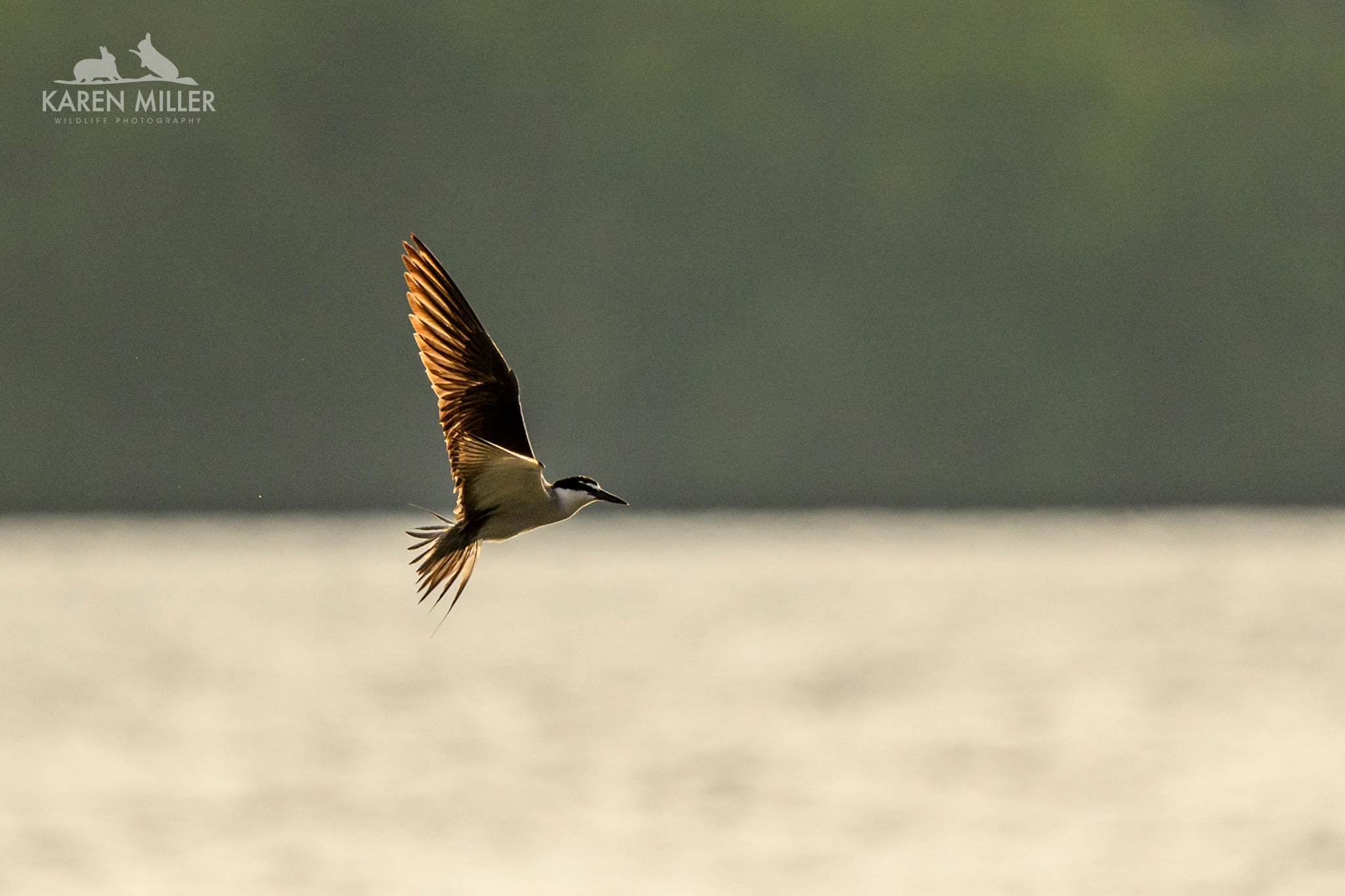
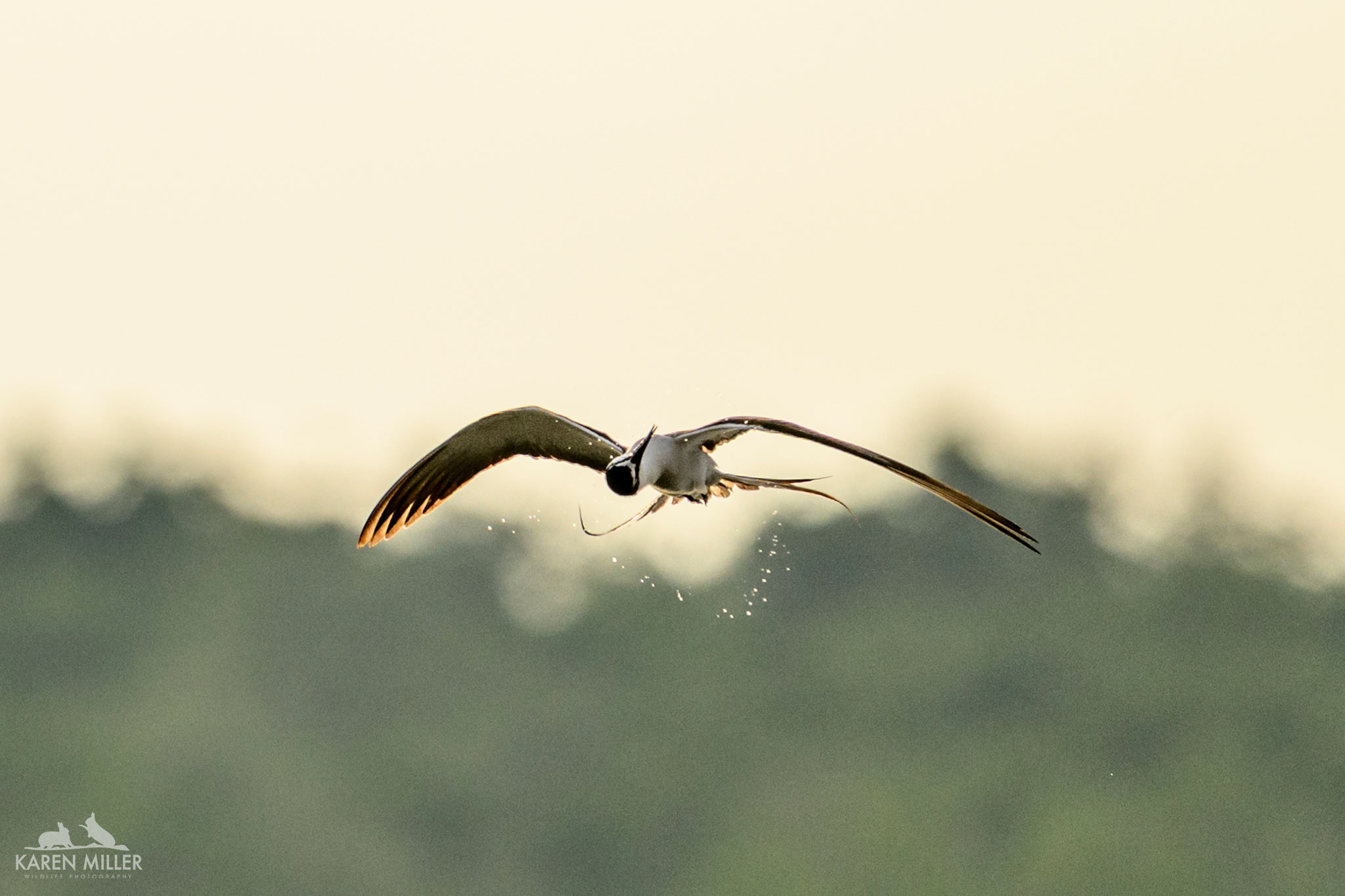
There were two different terns, one small which I wasn’t able to photograph and the other much larger than ours. These were bridled terns and quite beautiful.
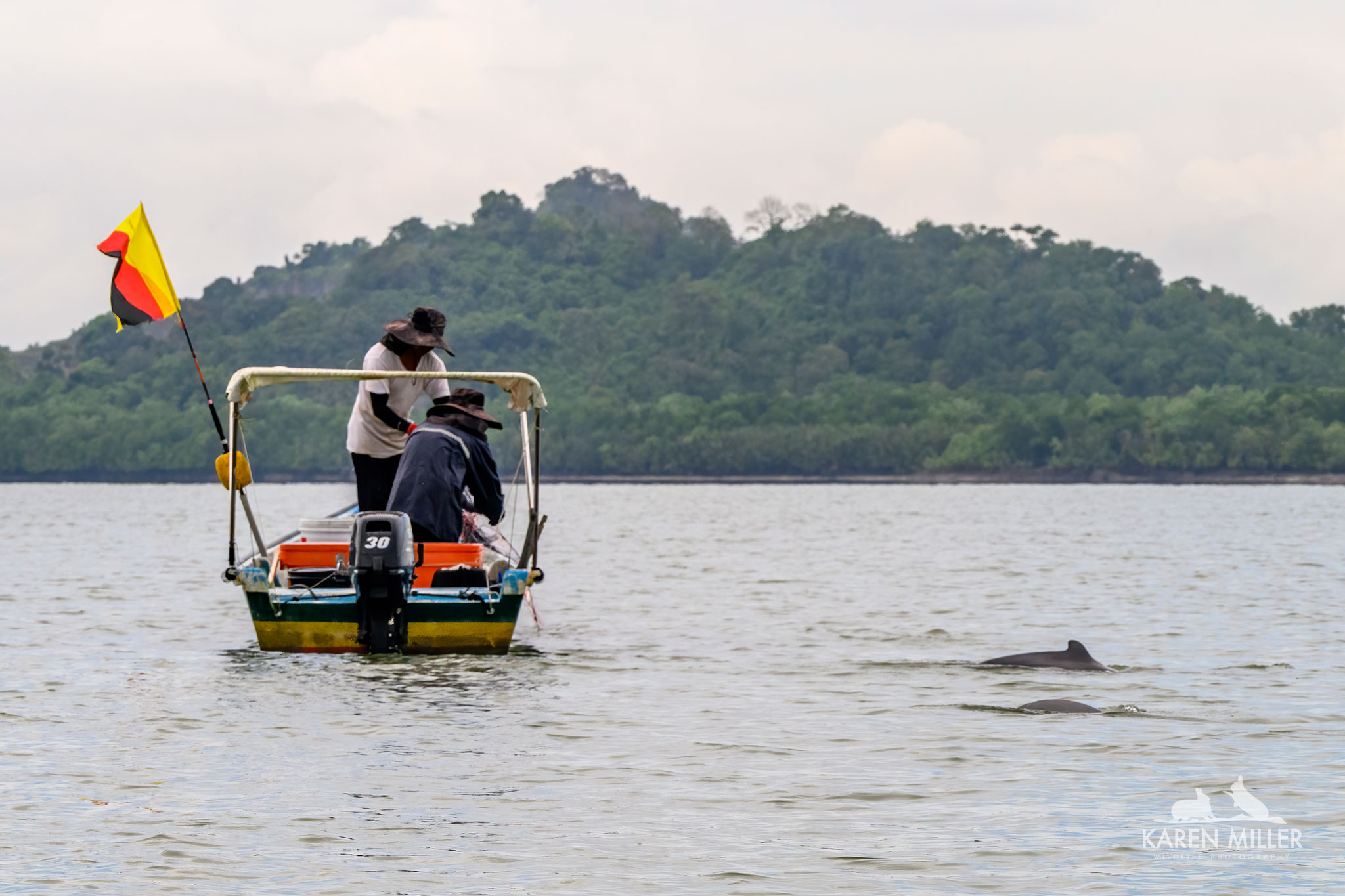
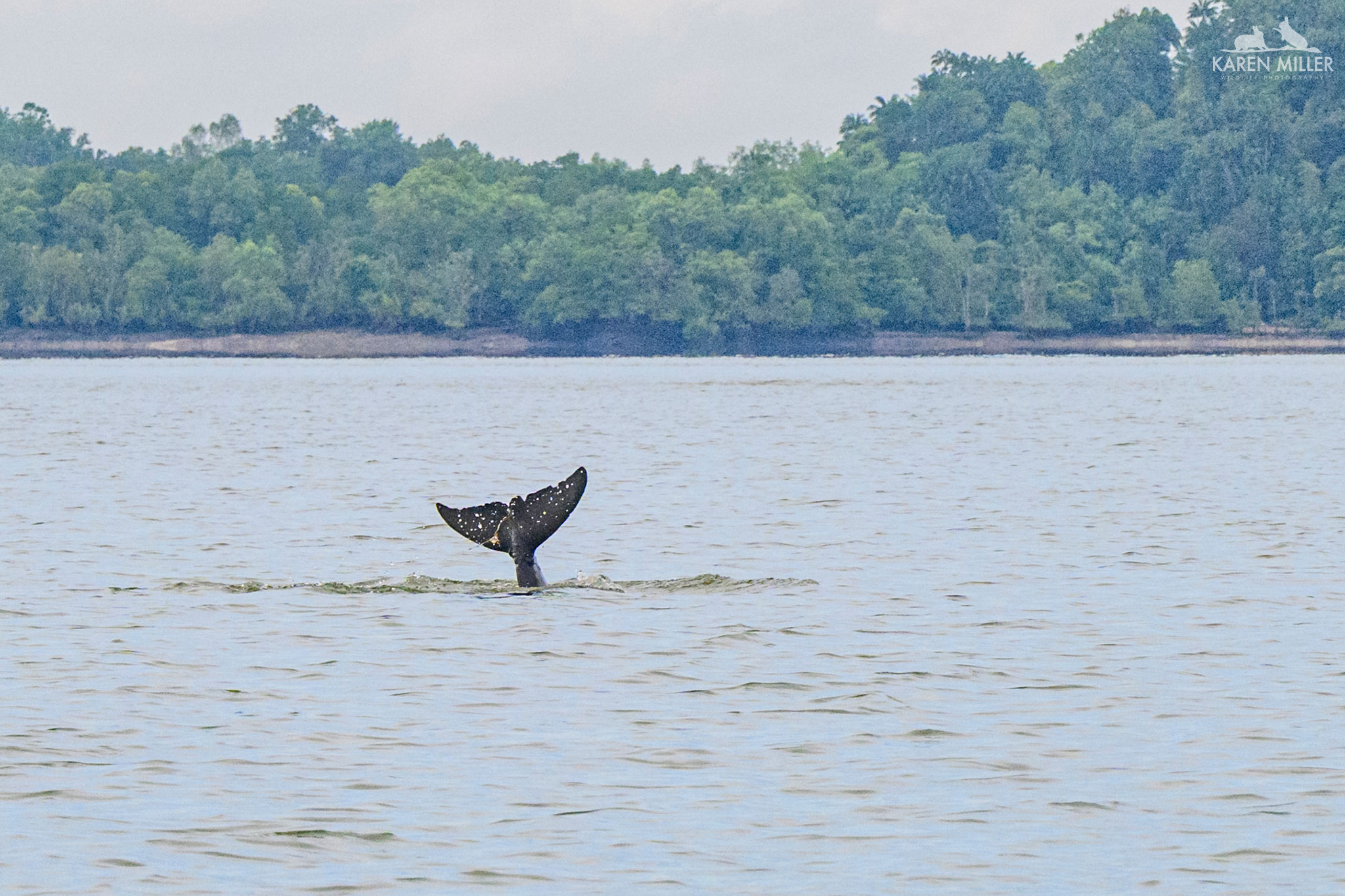
One of the target species were the irrawaddy dolphins. These aren’t very common and are quite small. Similar in size to harbour porpoise. They tend to stay close to the fishing boats where they feed on the rejected catch. To be honest they weren’t hugely exciting, we’re spoilt in the Highlands with the bottle-nosed and common dolphins. The irrawaddy dolphins don’t breach and all you really see is the body and tail for a brief moment. We didn’t see any spy hop sadly. Still… good to have come across them.
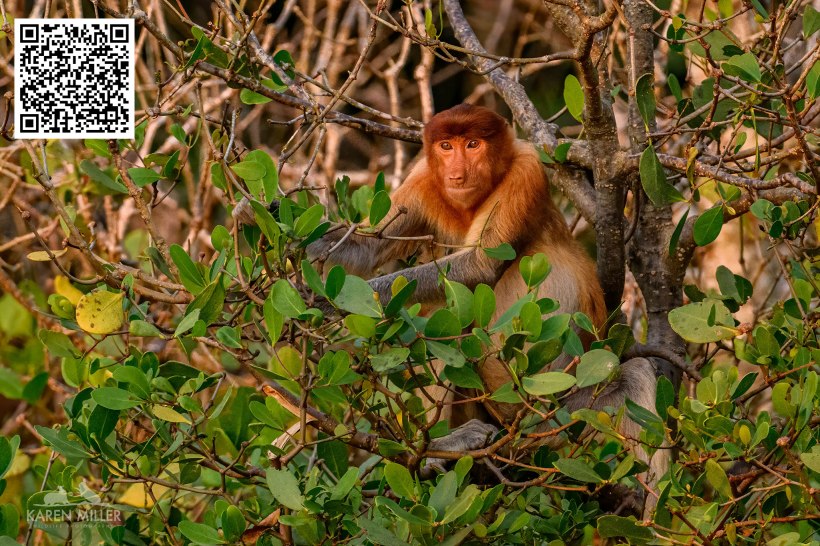
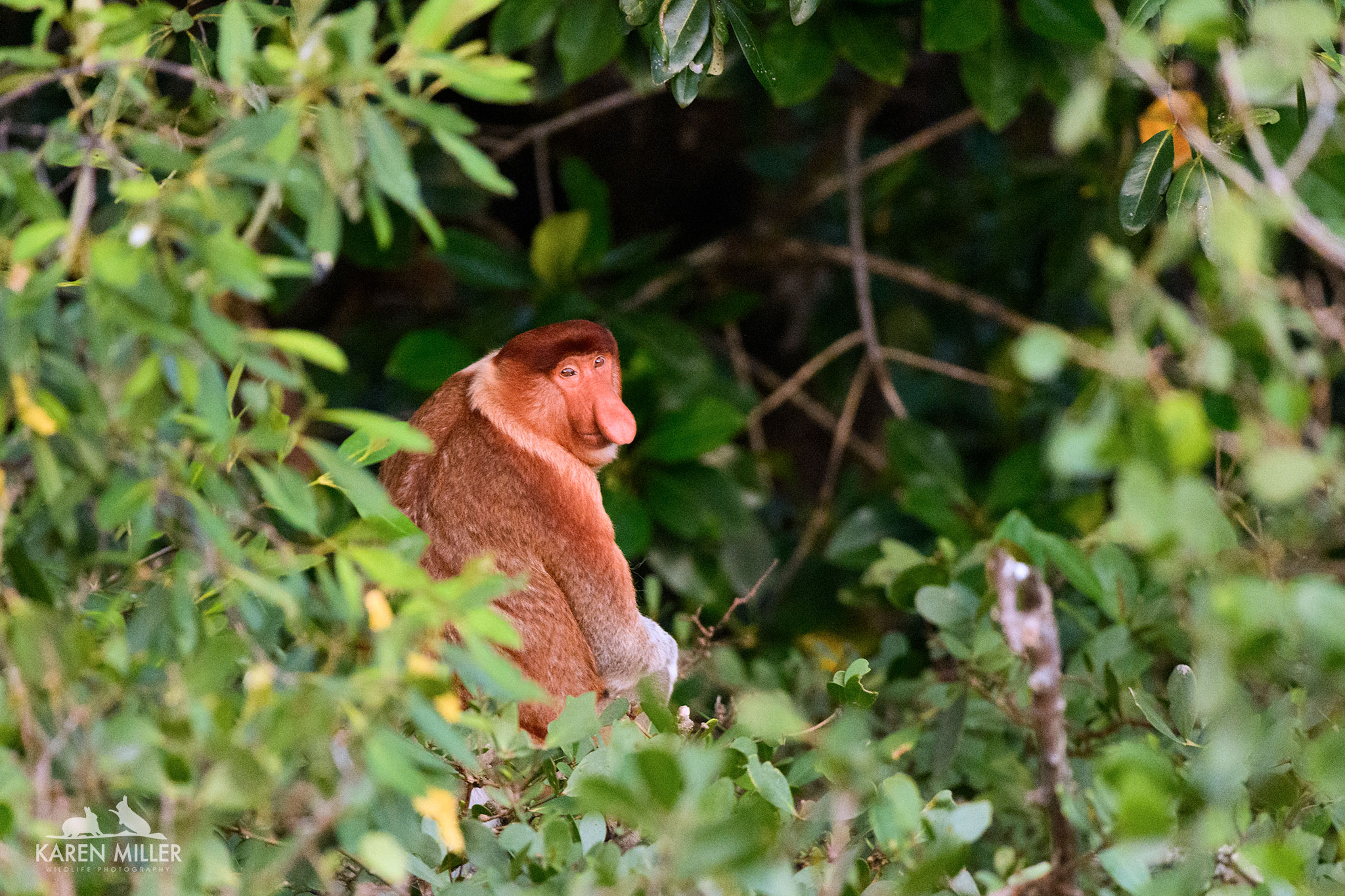
The highlight of this first boat trip was undoubtedly the proboscis monkeys. These were 100% wild and lived in the mangroves at the side of the river. They show best at dusk when they return to the waterside trees from the jungle interior, so the light was failing but it was such a thrill to watch them. They are a species only found in Borneo and therefore high up on my wish list of animals I hoped to see here. I’ll tell you more about them in my next (Sepilok) blog. The first one we spotted was a large male, recognisable by his long nose.
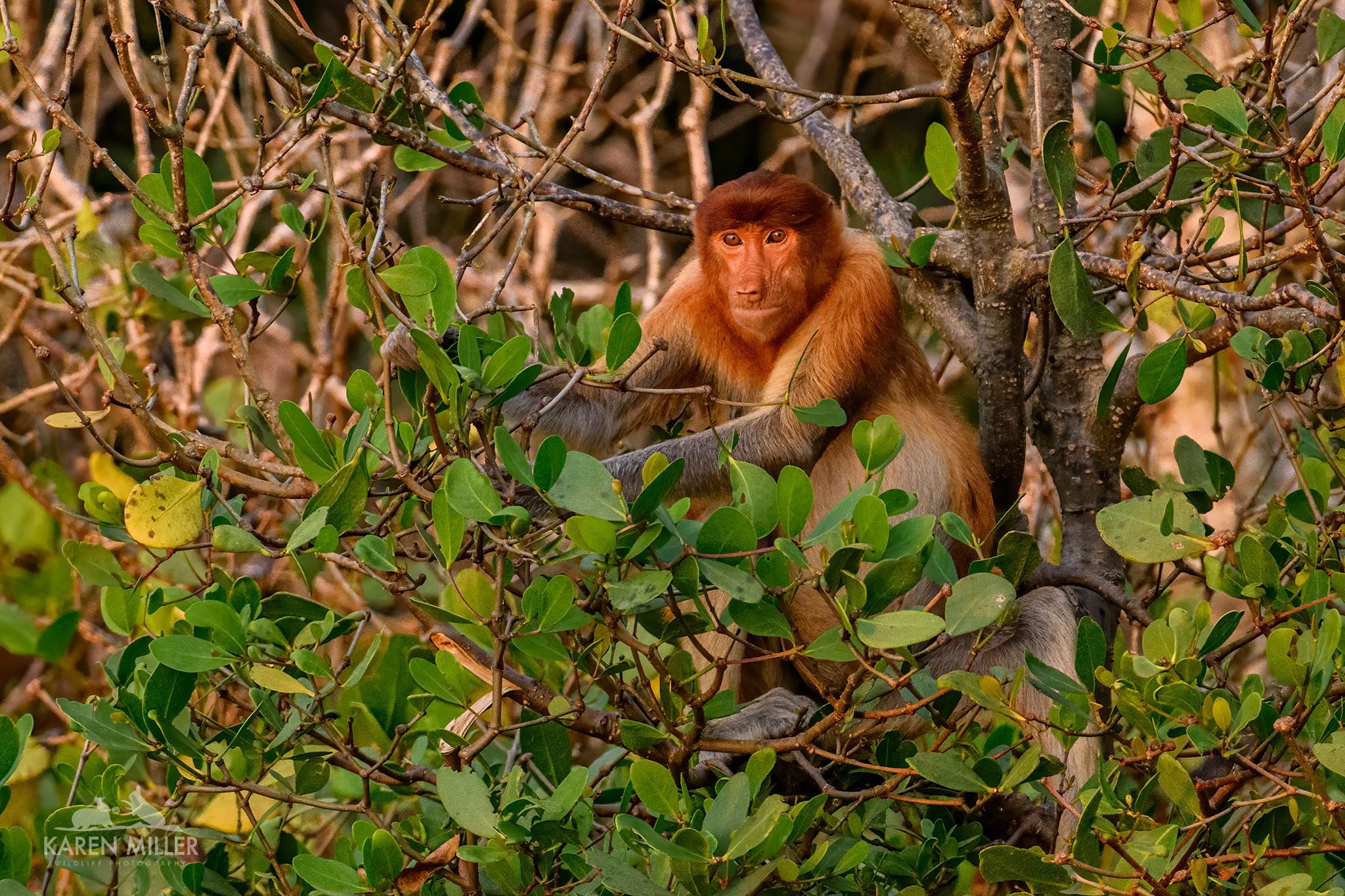
Then movement a little lower down attracted our attention – it was three youngsters chasing each other through the trees, a joy to watch!
Shown best by this video.
There were plenty more too: a mother with a young baby clutching her chest, other males and females, I could have stayed for so much longer, but the light was fading fast and we had fireflies to see!
By this time it was very dark and the fireflies looked like Christmas tree lights in the trees. Lovely! Our final sighting of the evening, spotted by its eyes, captured by torchlight, was a small crocodile. All in all a very enjoyable evening.
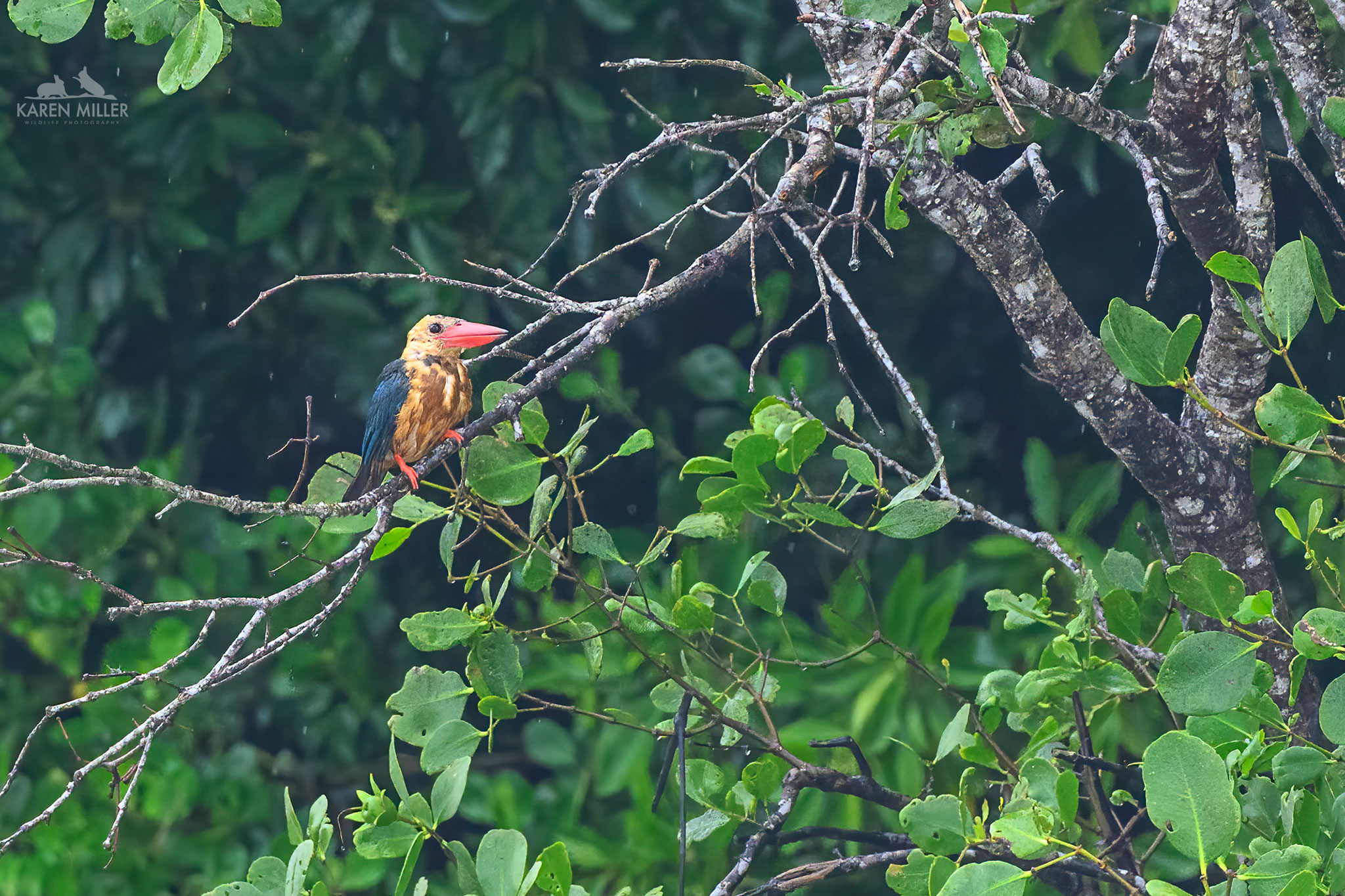
The following day was a religious holiday and almost nothing was open, but the day after we booked two trips. The first was a similar boat experience to the previous one except it primarily focused on the dolphins. We experienced our first torrential shower en route which lessened fortunately but probably meant we saw more than had it been a hot, sunny morning. Early sightings included two stork-billed kingfishers… quite different and much larger than our common kingfishers. In fact this is the largest species in Borneo. Not a looker, but very impressive!
A saltwater crocodile swam slowly passed the boat heading towards the far shore, unperturbed by our presence.
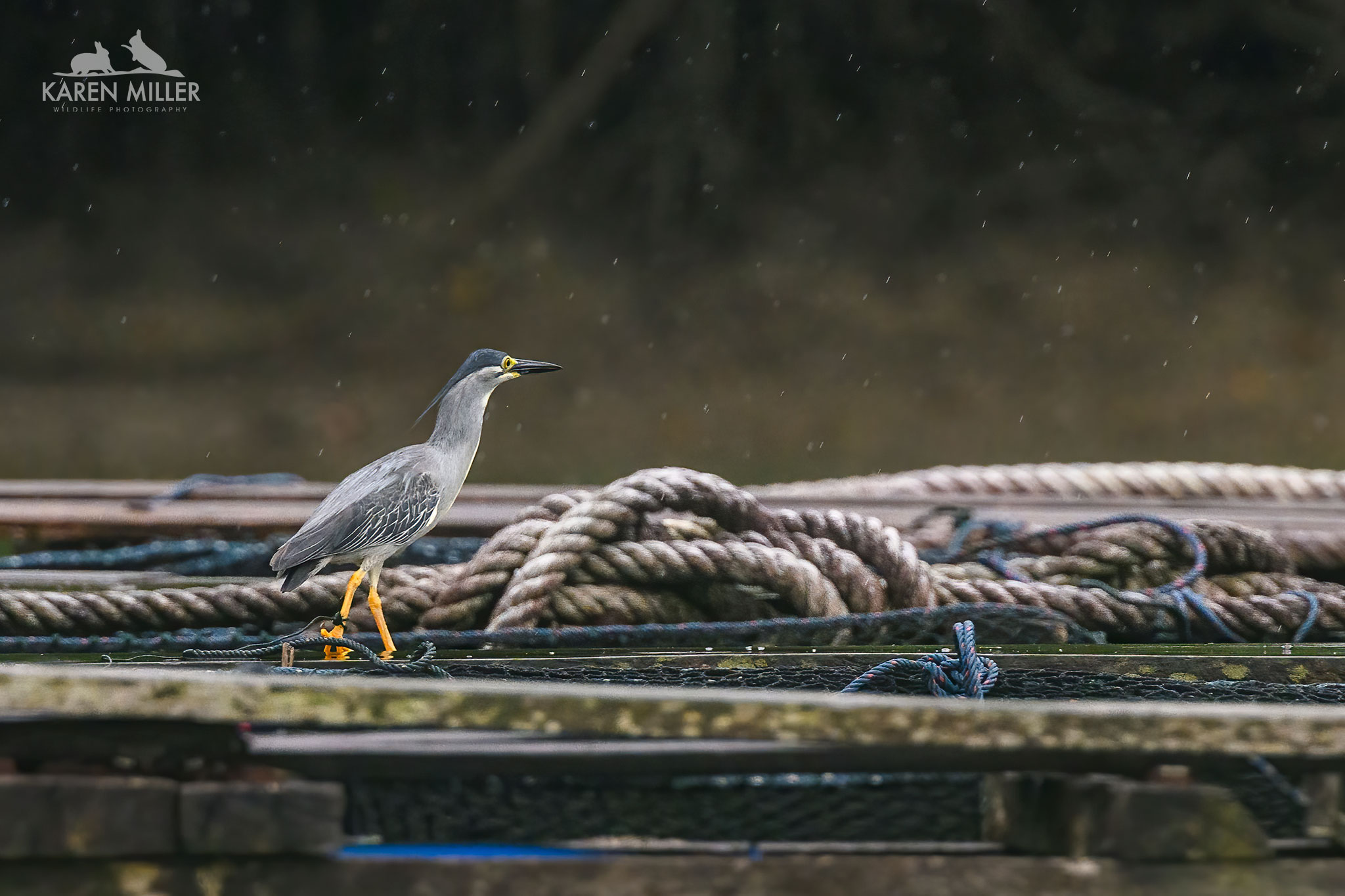
There were quite a few herons. These little striated herons looked like a cross between our bitterns, and grey herons.
And an egret.
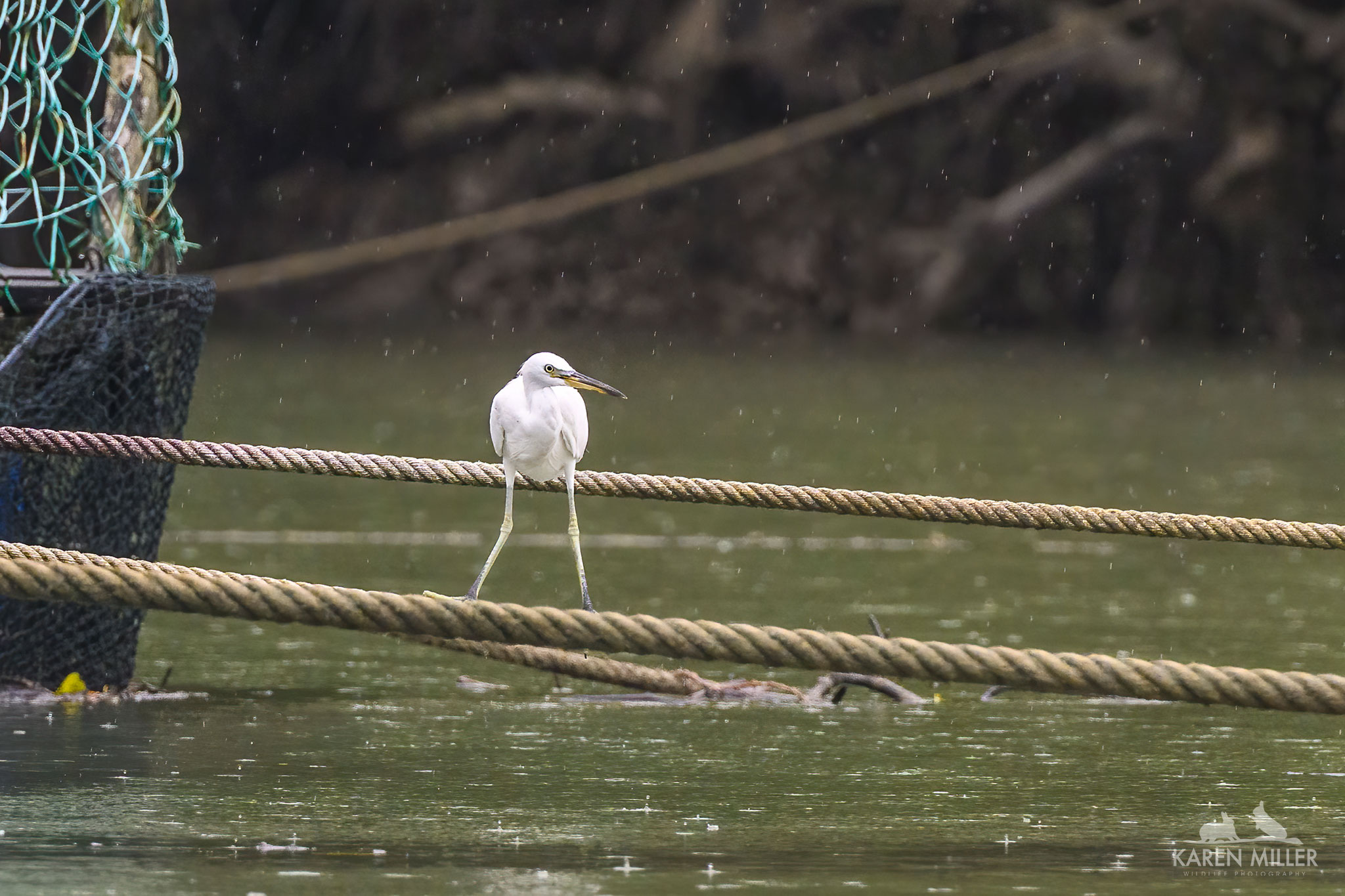
We saw both the above birds at a sea bass fishing station. Apparently they have problems with the crocs here, who clamber on board to steal the fish!
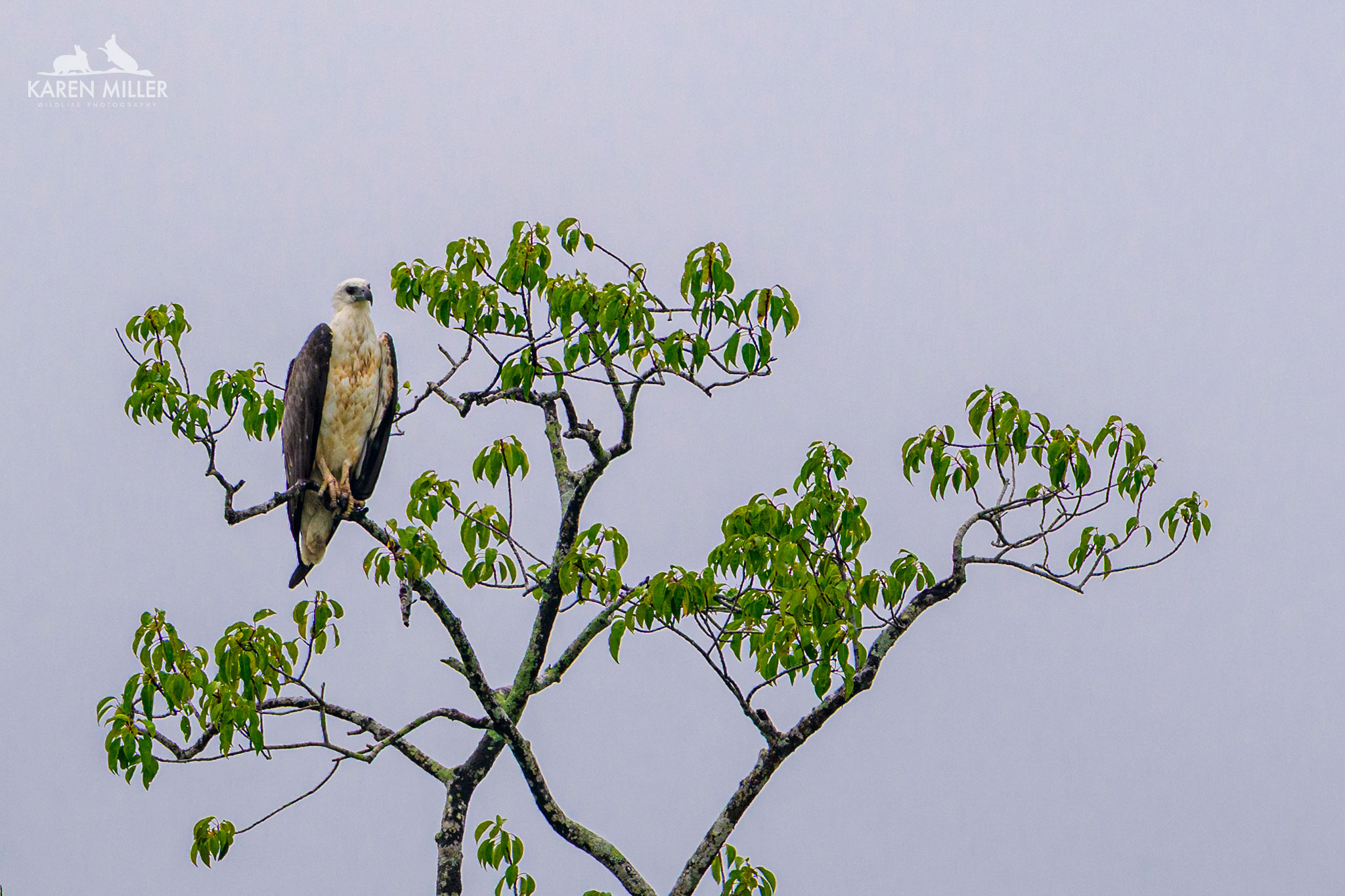
The white-bellied sea eagle made another appearance, perched in the trees.
We found the dolphins by the fishermen again. Difficult to photograph, this was the best I managed
… so I concentrated on the fishermen themselves as they pulled up their nets.
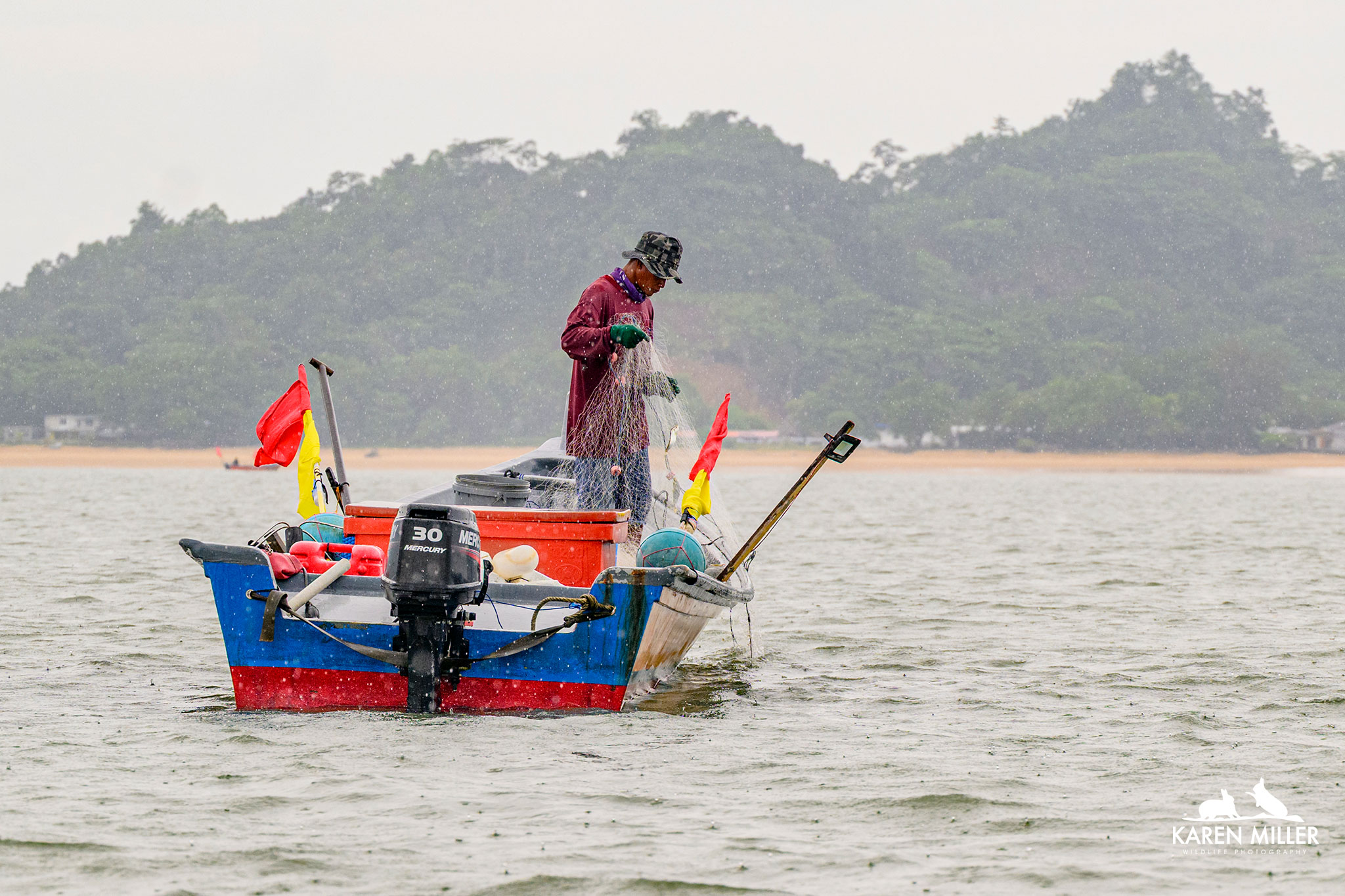
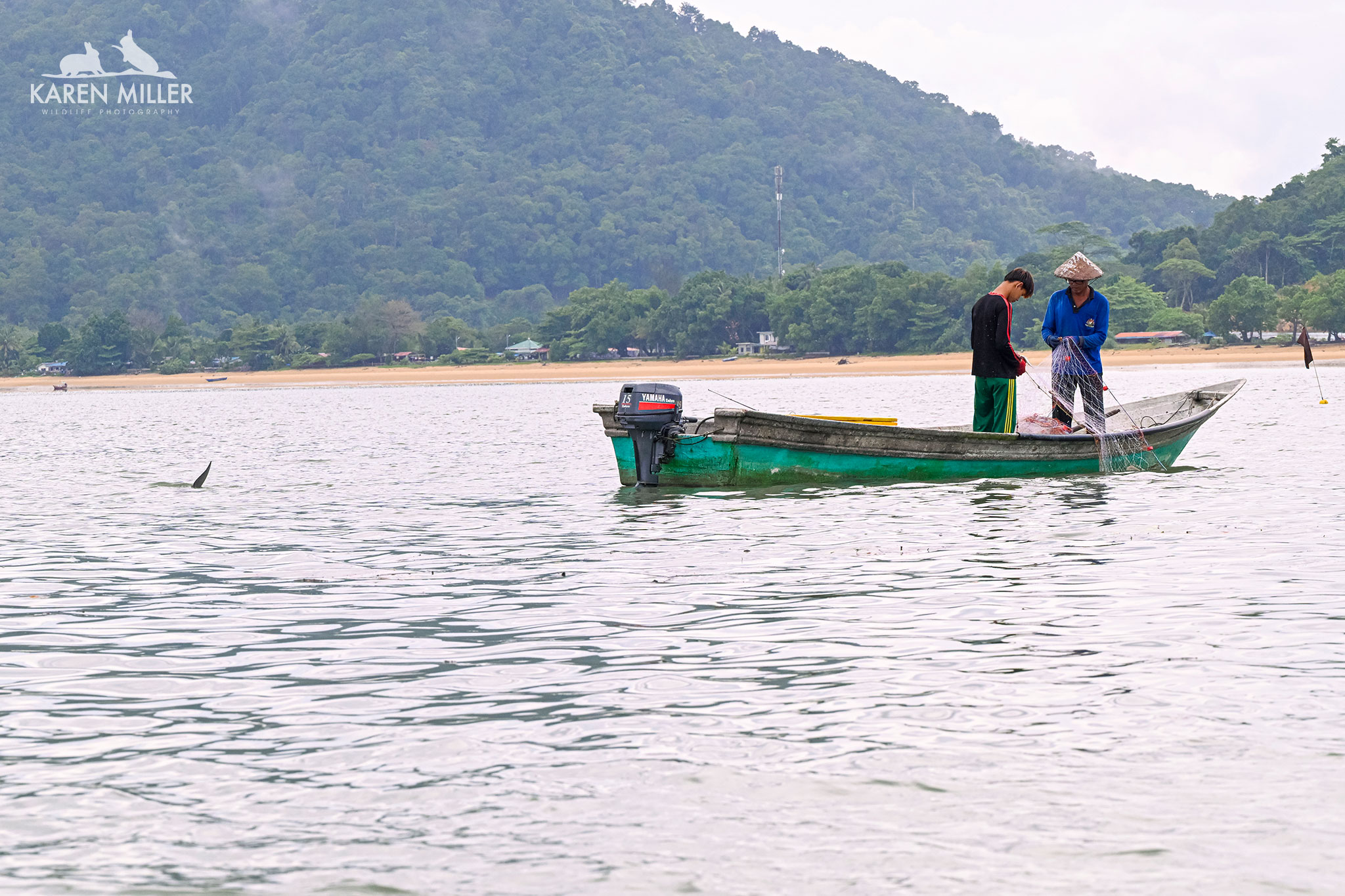
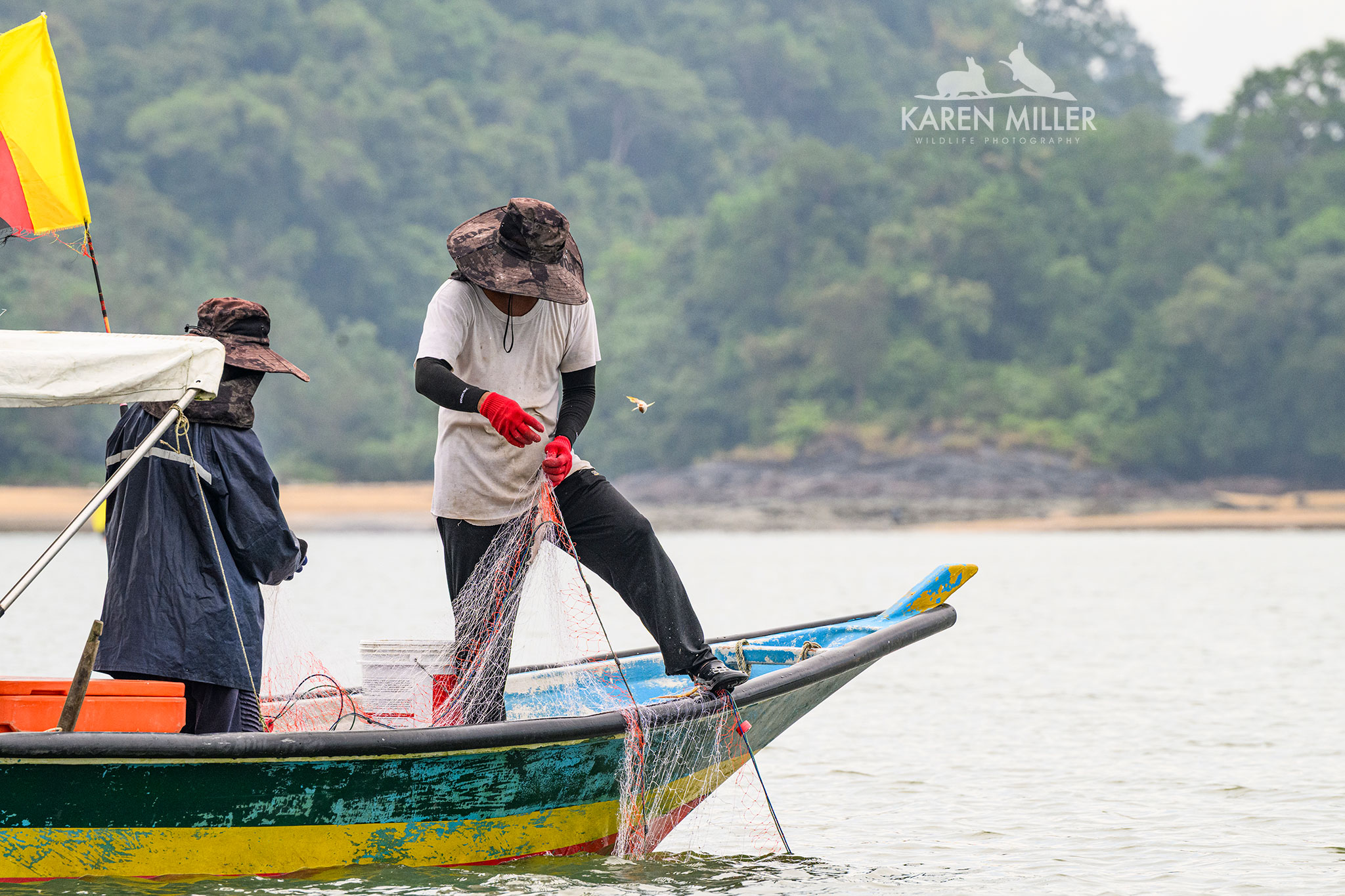
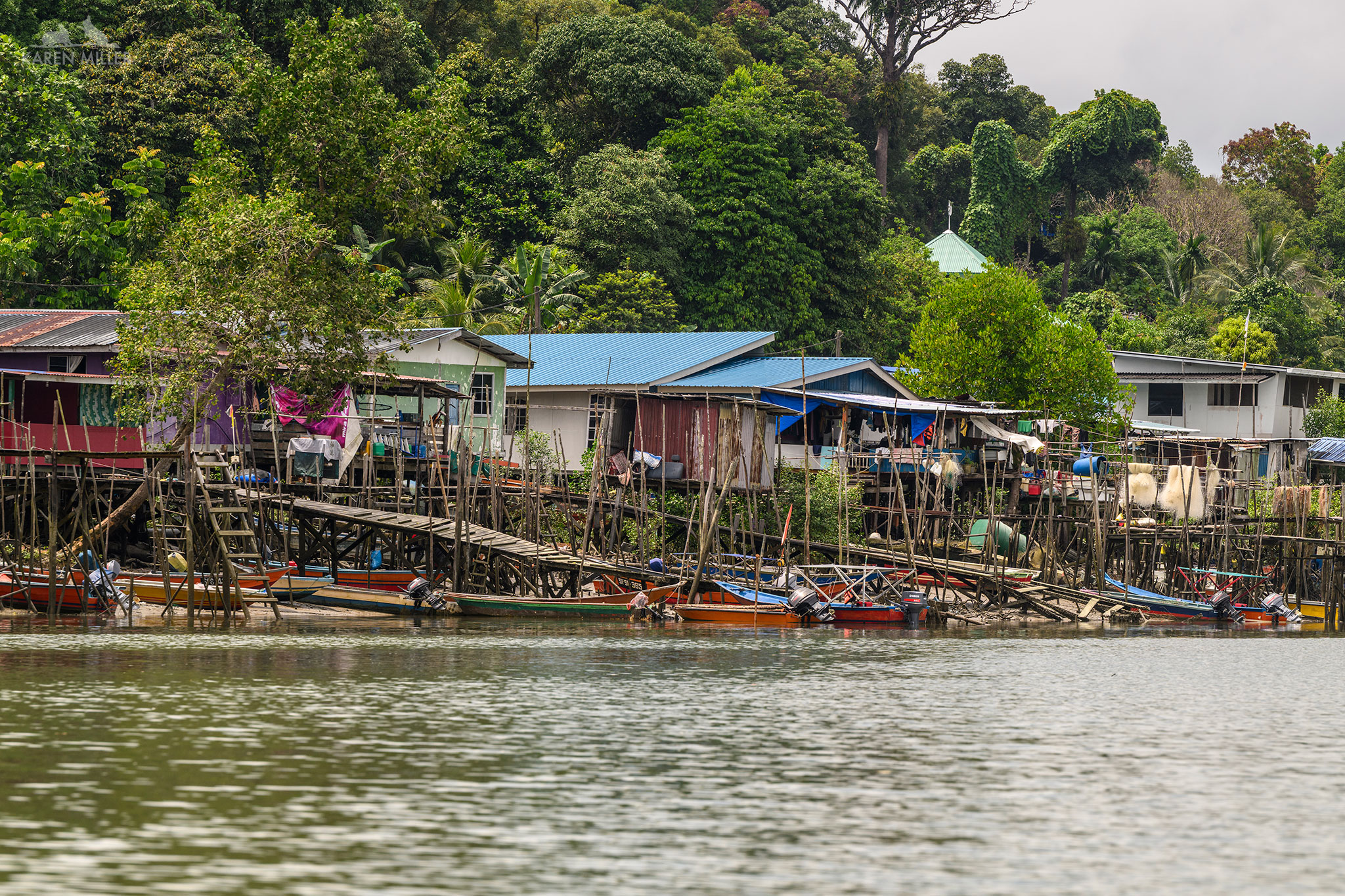
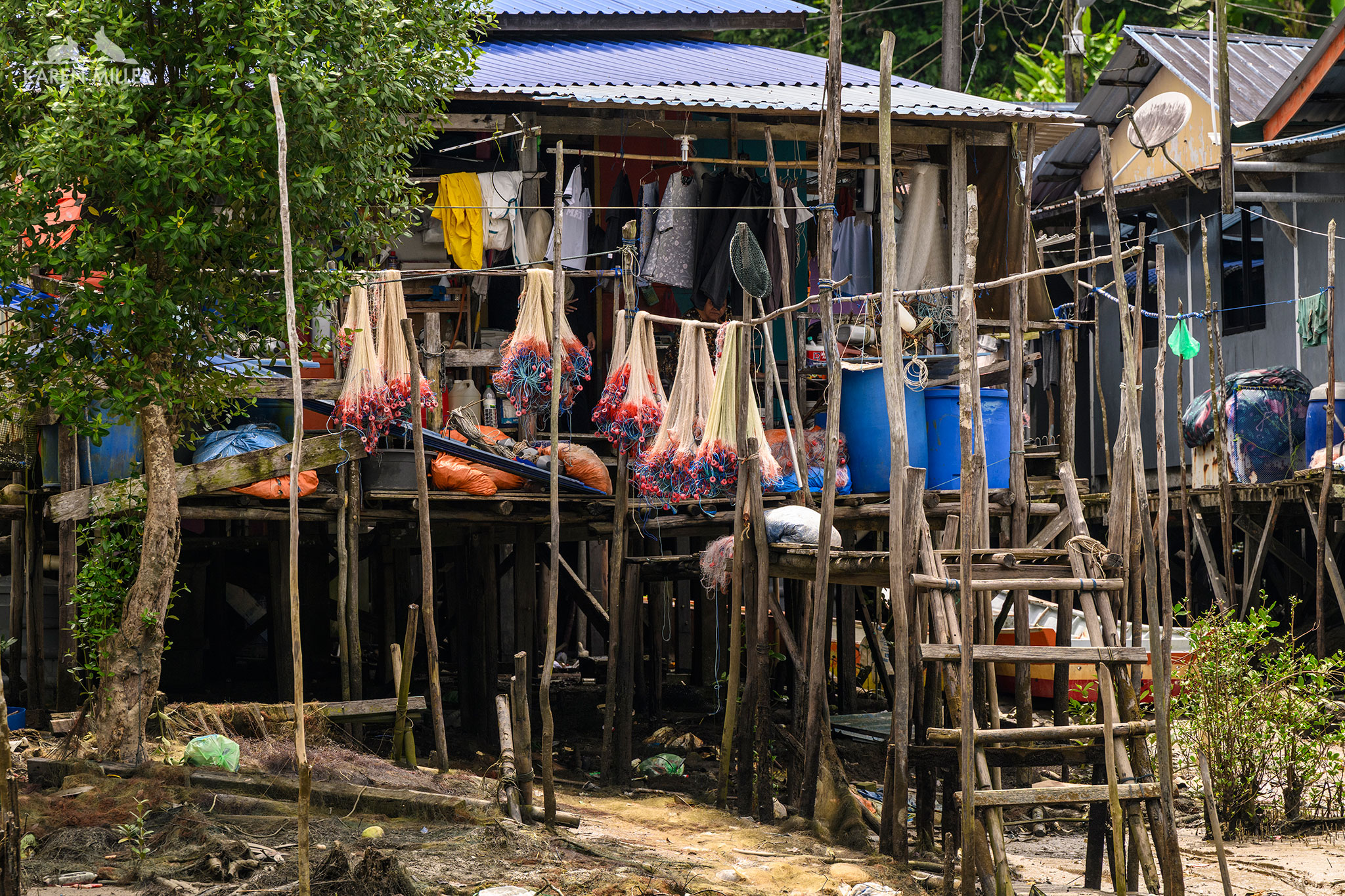
We passed close by the houses of the fisherman, all at the water’s edge on stilts.
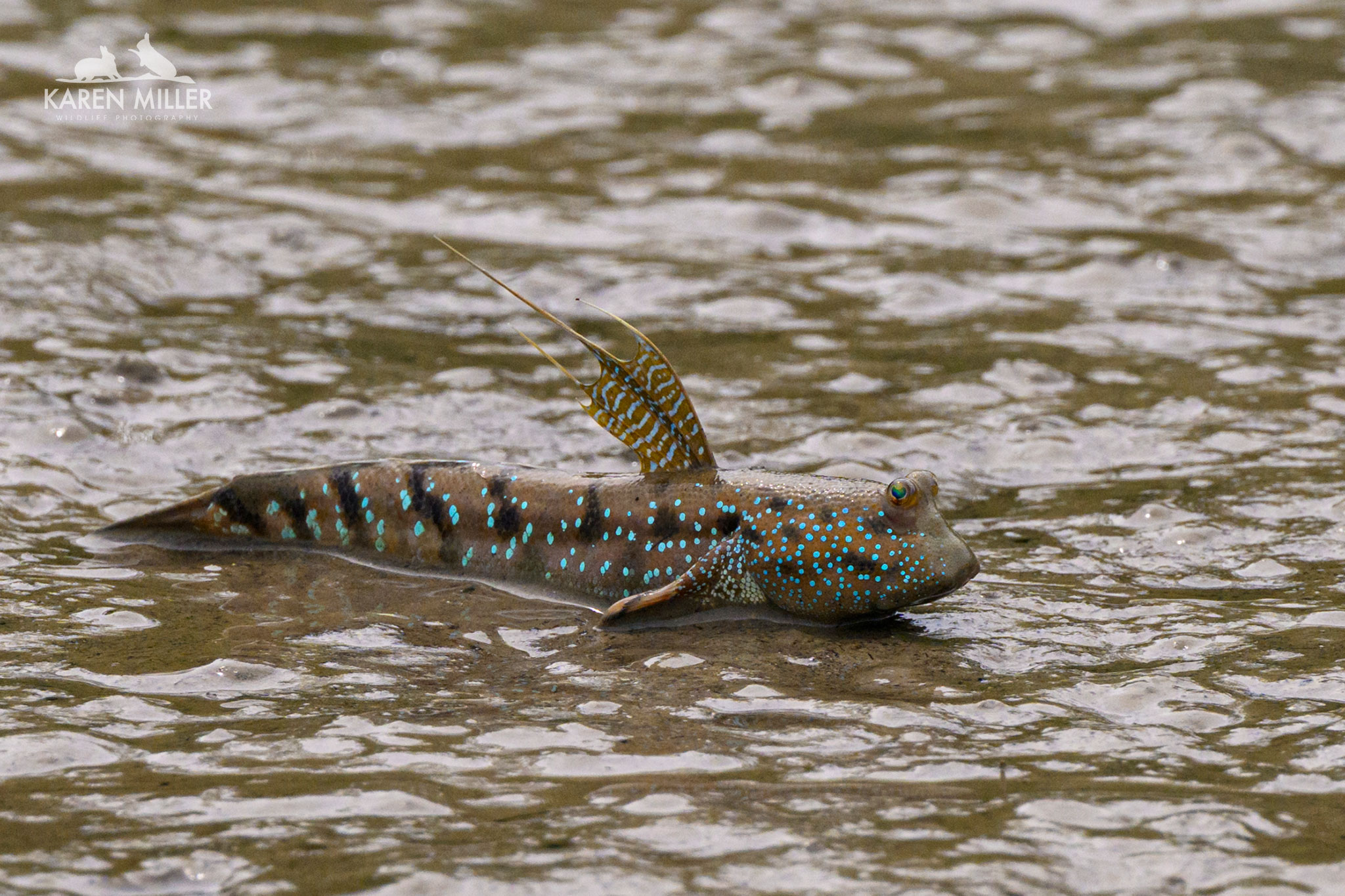
Afterwards we cruised close to the bank of the mangroves. As the tide was out there was a fair bit of muddy shoreline visible and it was very entertaining to watch the mud skippers. They would be almost static and camouflaged until suddenly they would scoot off. Frustratingly every time I tried to film them, they sat very still!
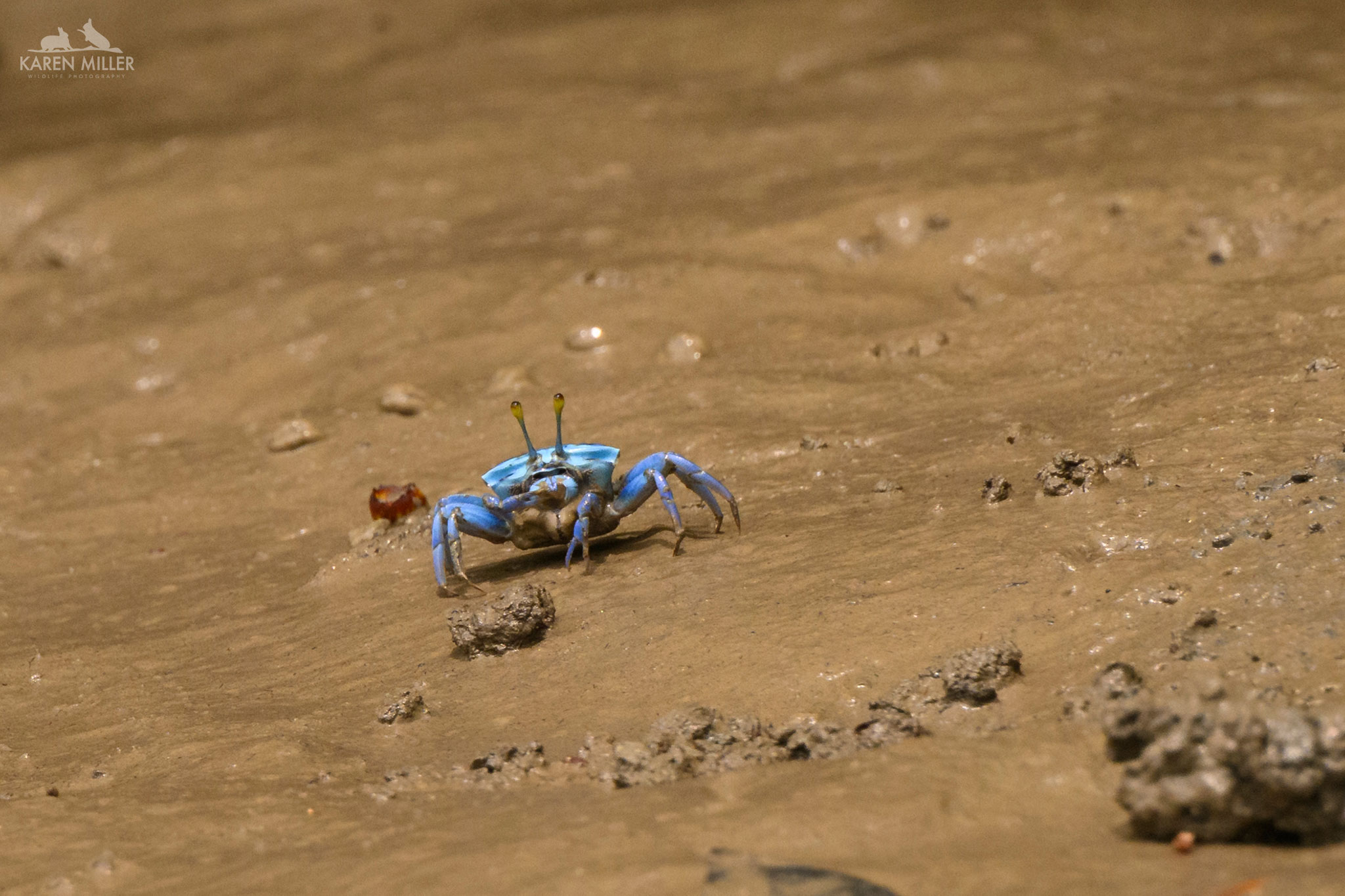
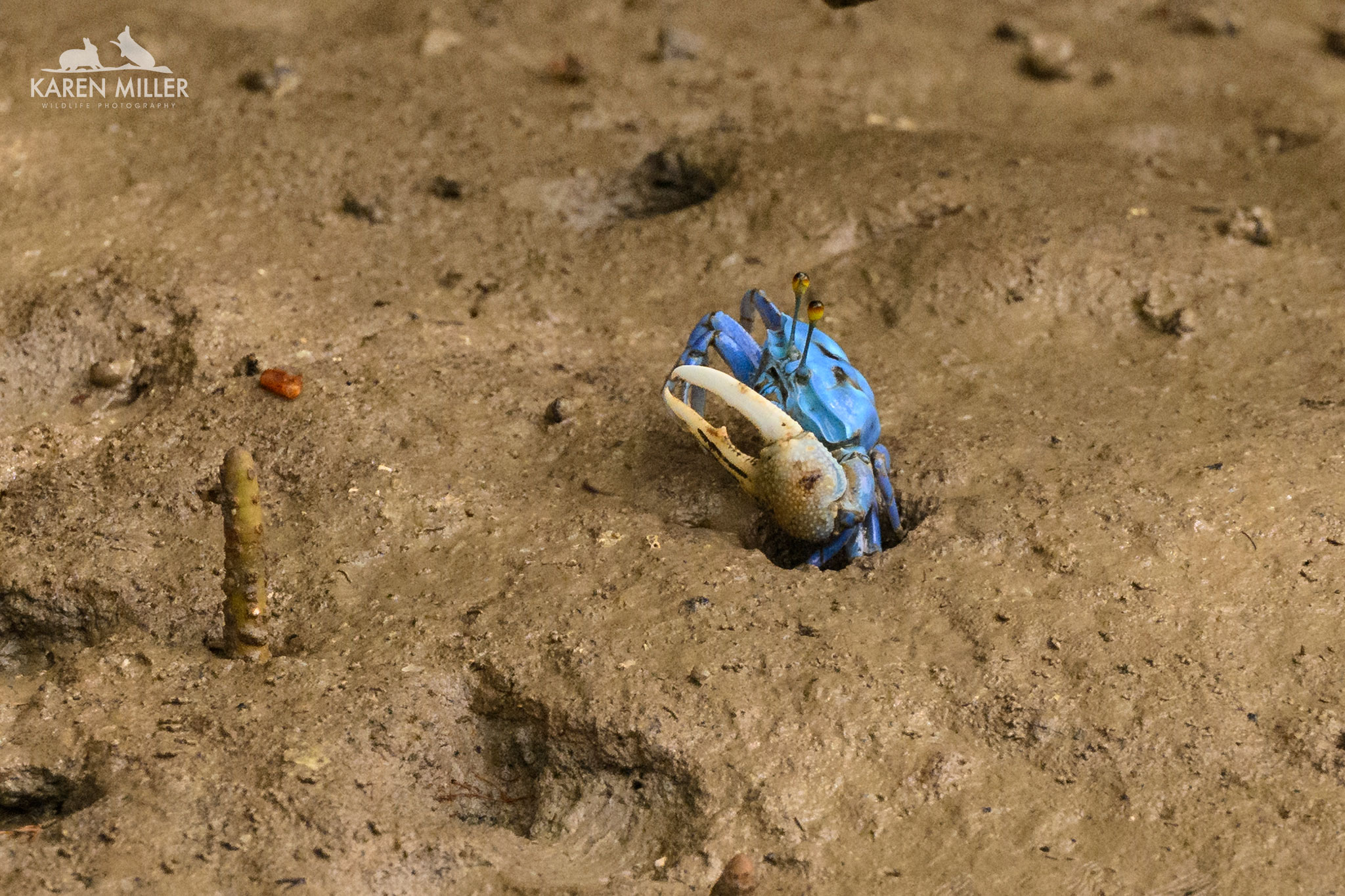
There were also small, bright blue crabs scuttling across the mud.
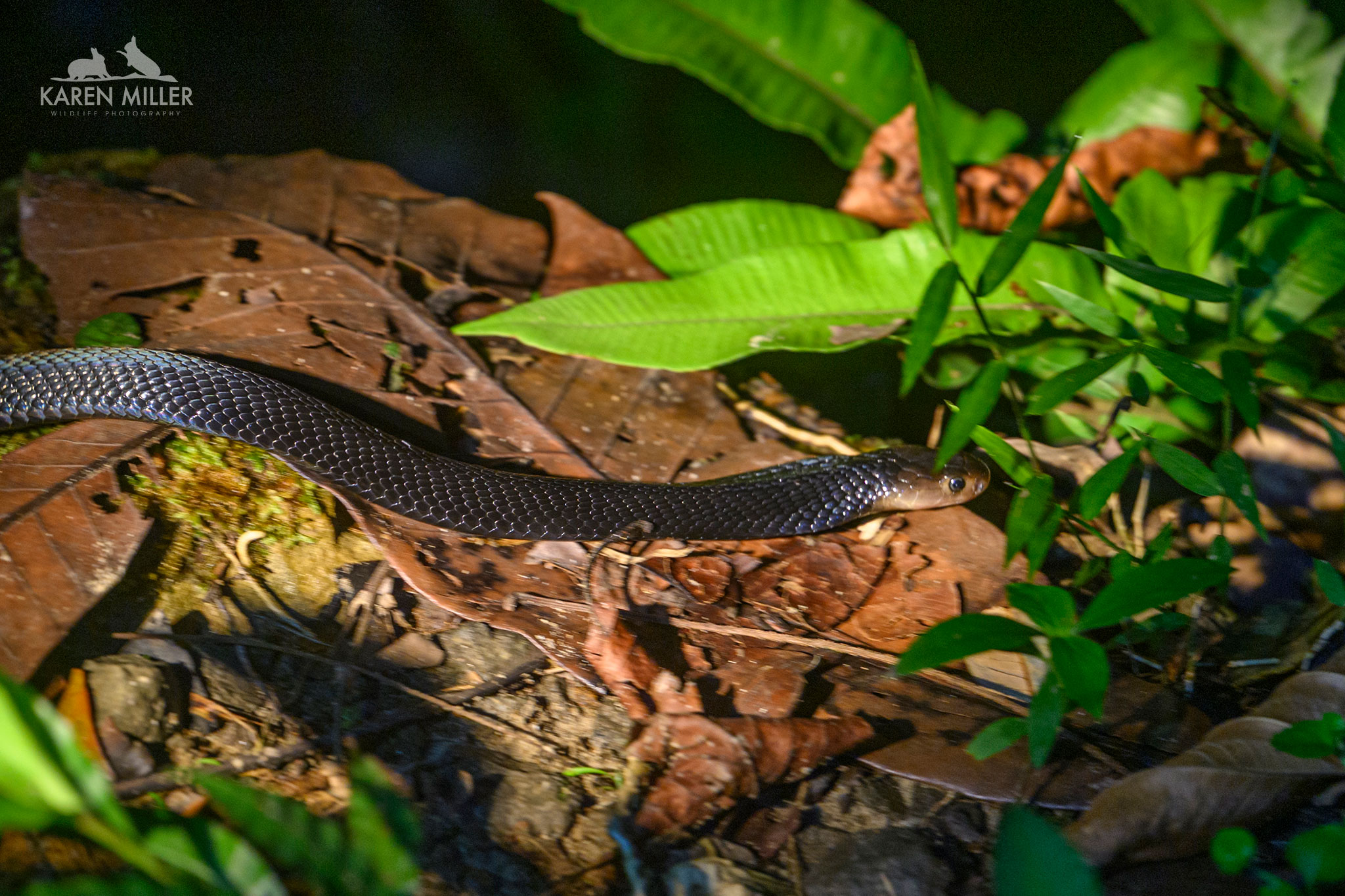
Our final excursion was to Kubah National Park at night to search primarily for frogs but also anything else that caught the attention of our guide and his flashlight. The eyes of the spiders shone bright everywhere… who knew there were quite so many out there (I kind of wish I hadn’t known, not being much of a fan…). As with all our night excursions, all these images were taken with just torchlight and the Nikkor Z 70-200mm lens. The sounds of the jungle were awesome, an orchestra of frogs, crickets, grasshoppers and nocturnal birds. There’s a soundscape clip on this page if you want an idea of what we heard.
Our first spot wasn’t a frog, but a snake slithering through the undergrowth.
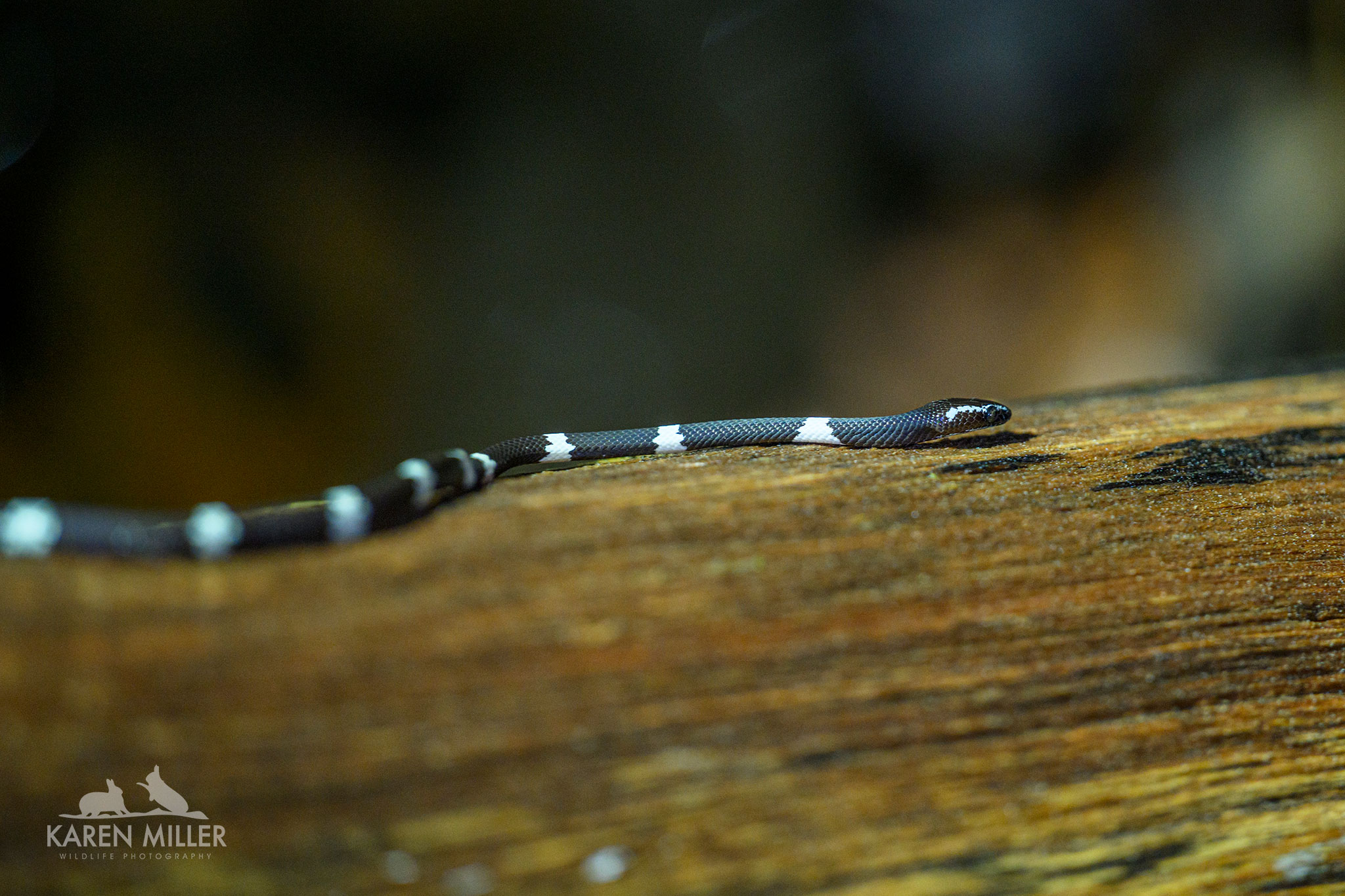
We saw this one, a juvenile common wolf snake, a bit later.
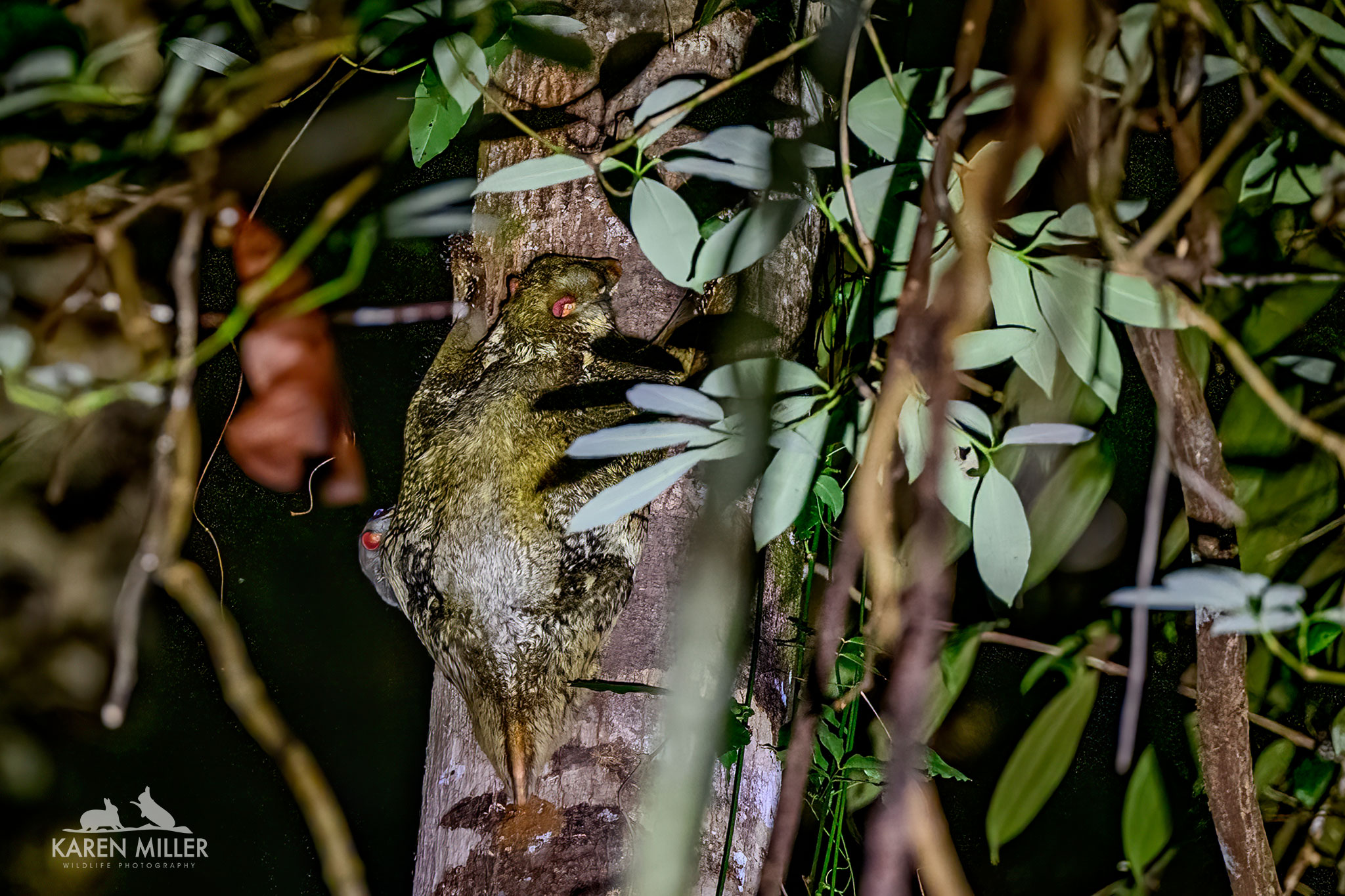
The next sighting was a flying lemur with a baby. I have to confess I just couldn’t see it, she was so well camouflaged against the tree trunk. Fortunately, with guidance, I pointed my camera in the right direction and did manage to photograph her!
We saw quite a few different frogs and toads although not the horned frog and the 2nd smallest frog (Matang narrow mouth frog) but that didn’t really matter. The guide was adept at locating them merely by the reflections of their eyes. I am not even going to try and guess which varieties these are!
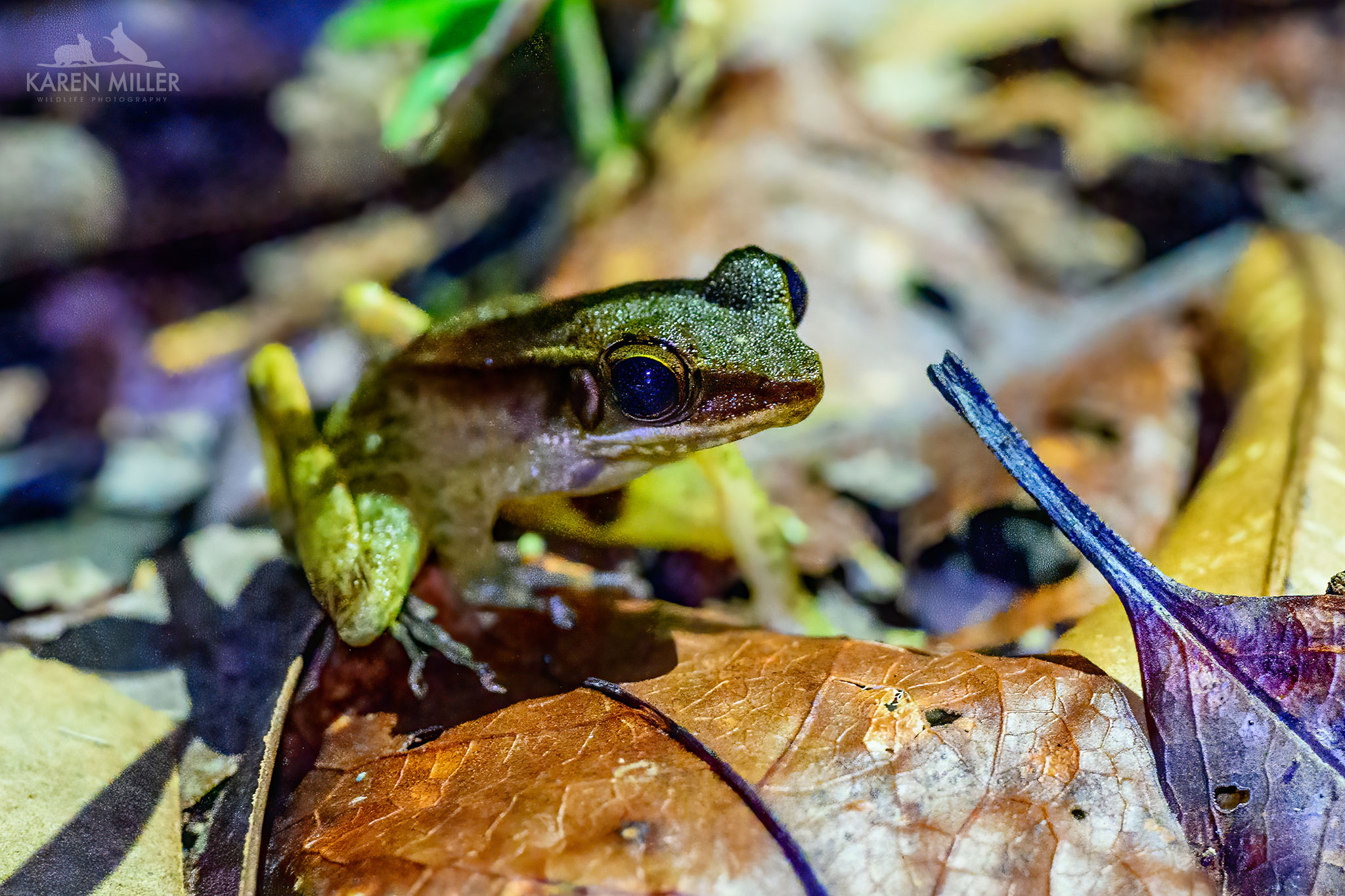
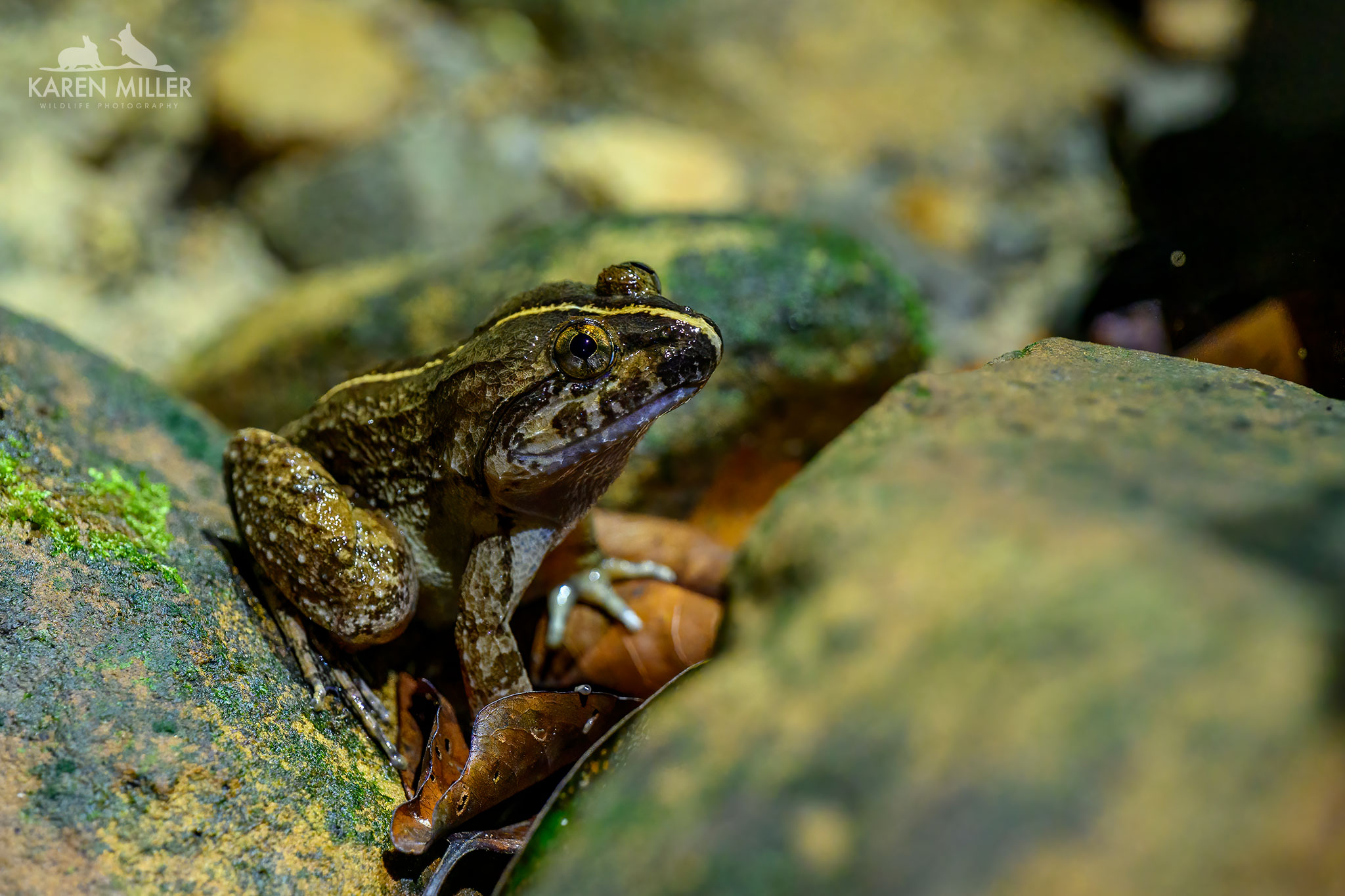
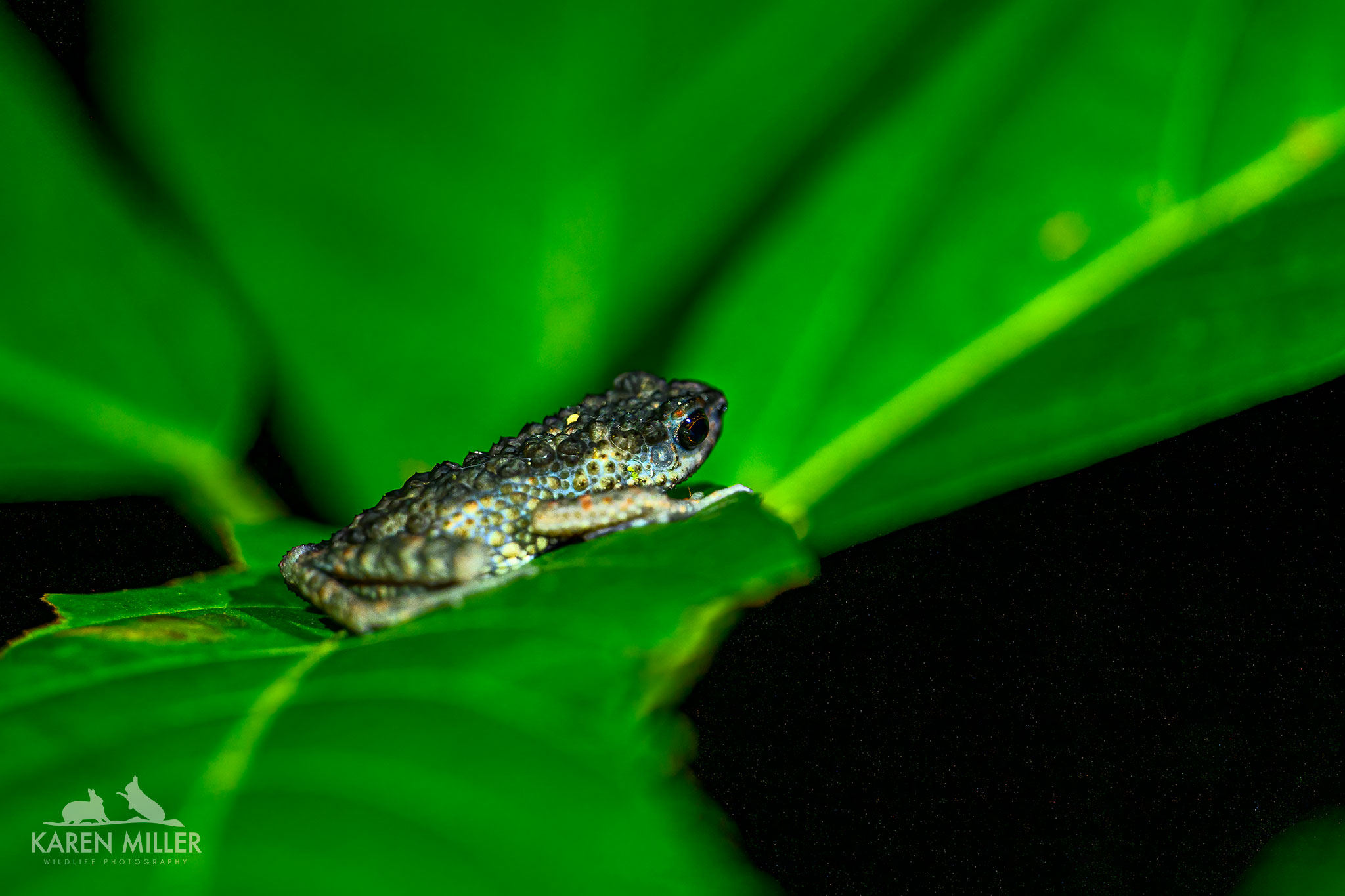
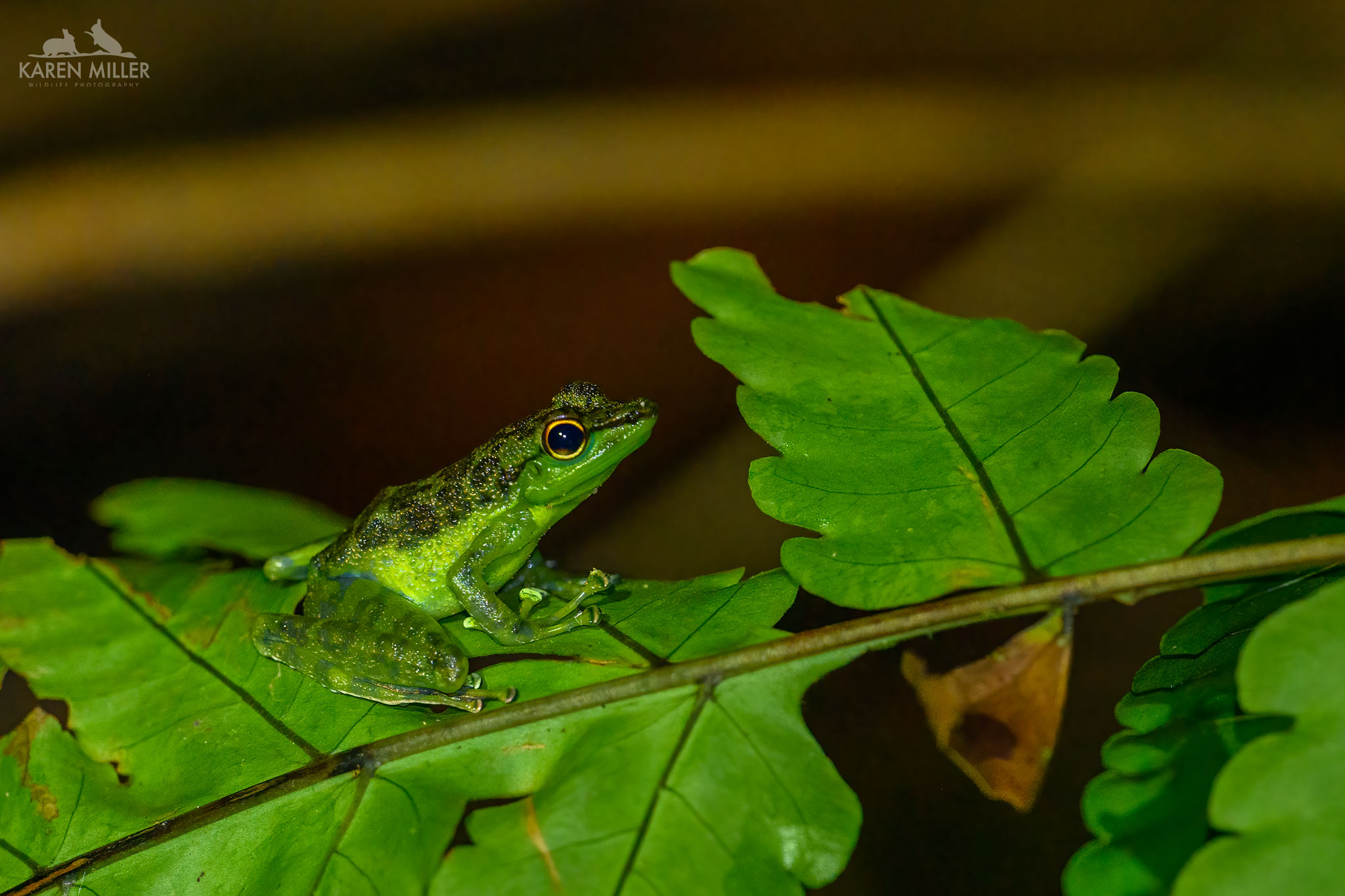
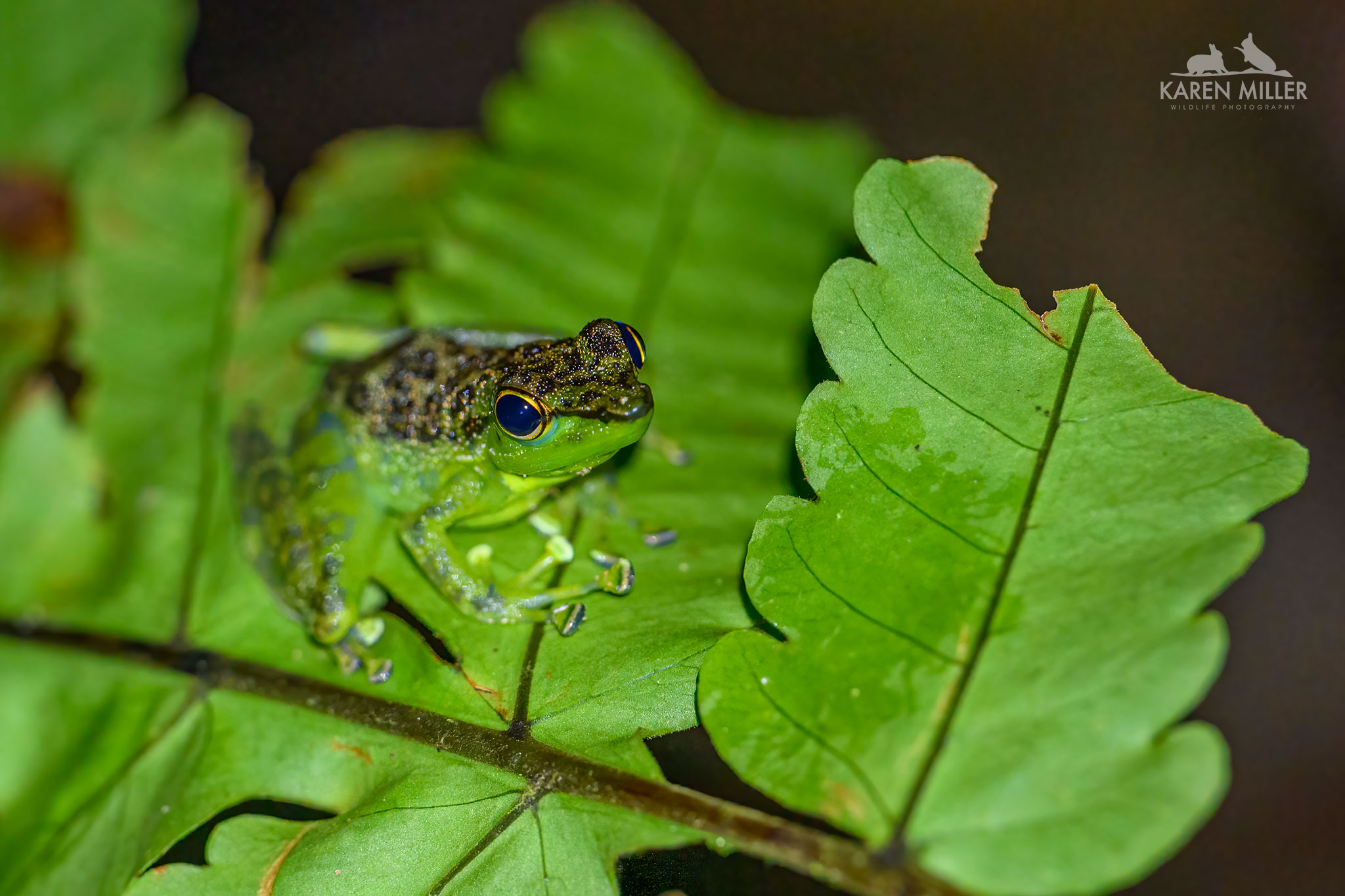
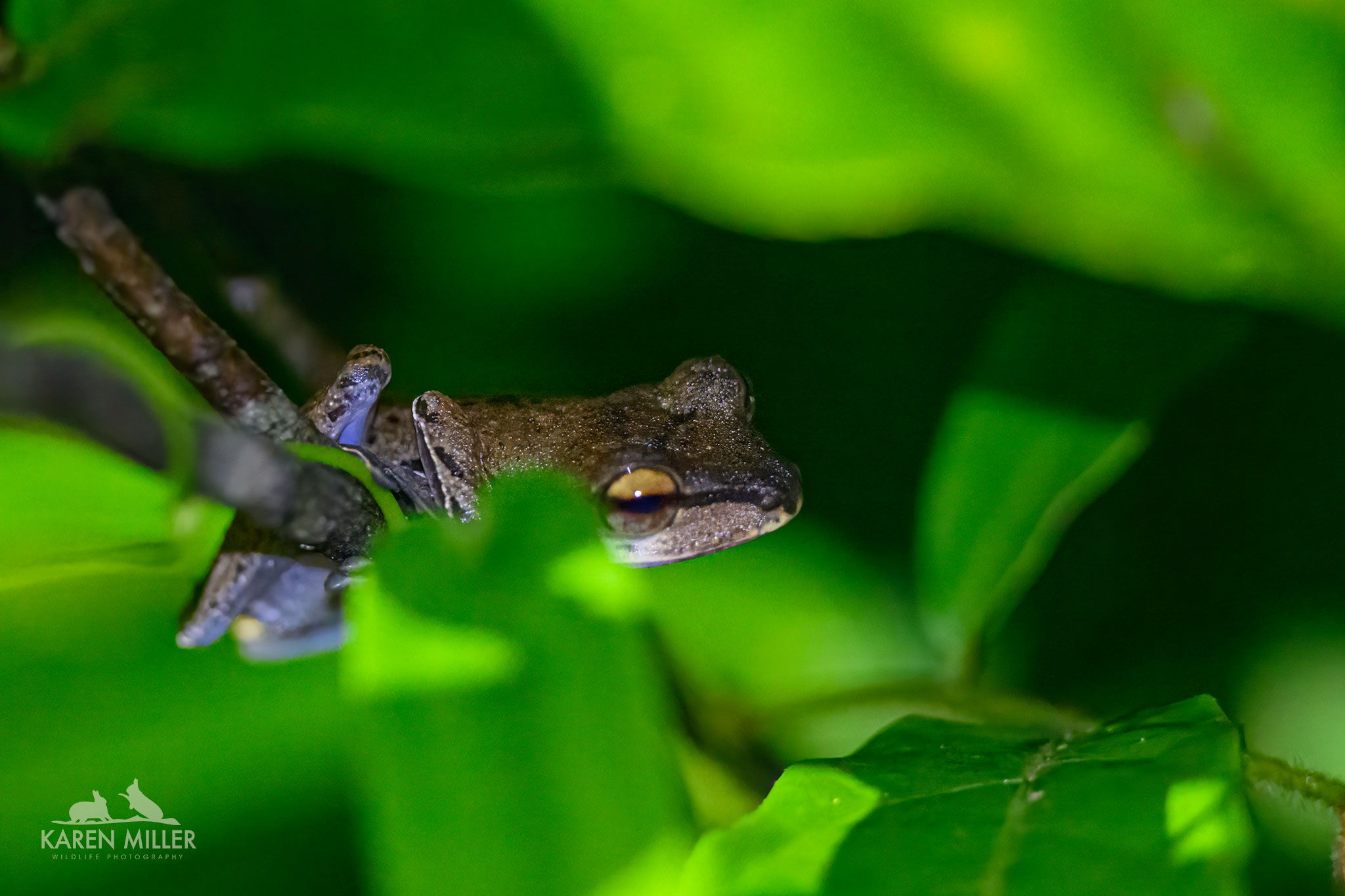
The road wound its way up hill, hard work given the humidity, culminating at a pool. The description had led me to believe it would be a natural pond surrounded by picturesque rocks etc, but not quite… it was an area of water around which there was a slippy and somewhat decrepit boardwalk. Still… there were frogs to be seen
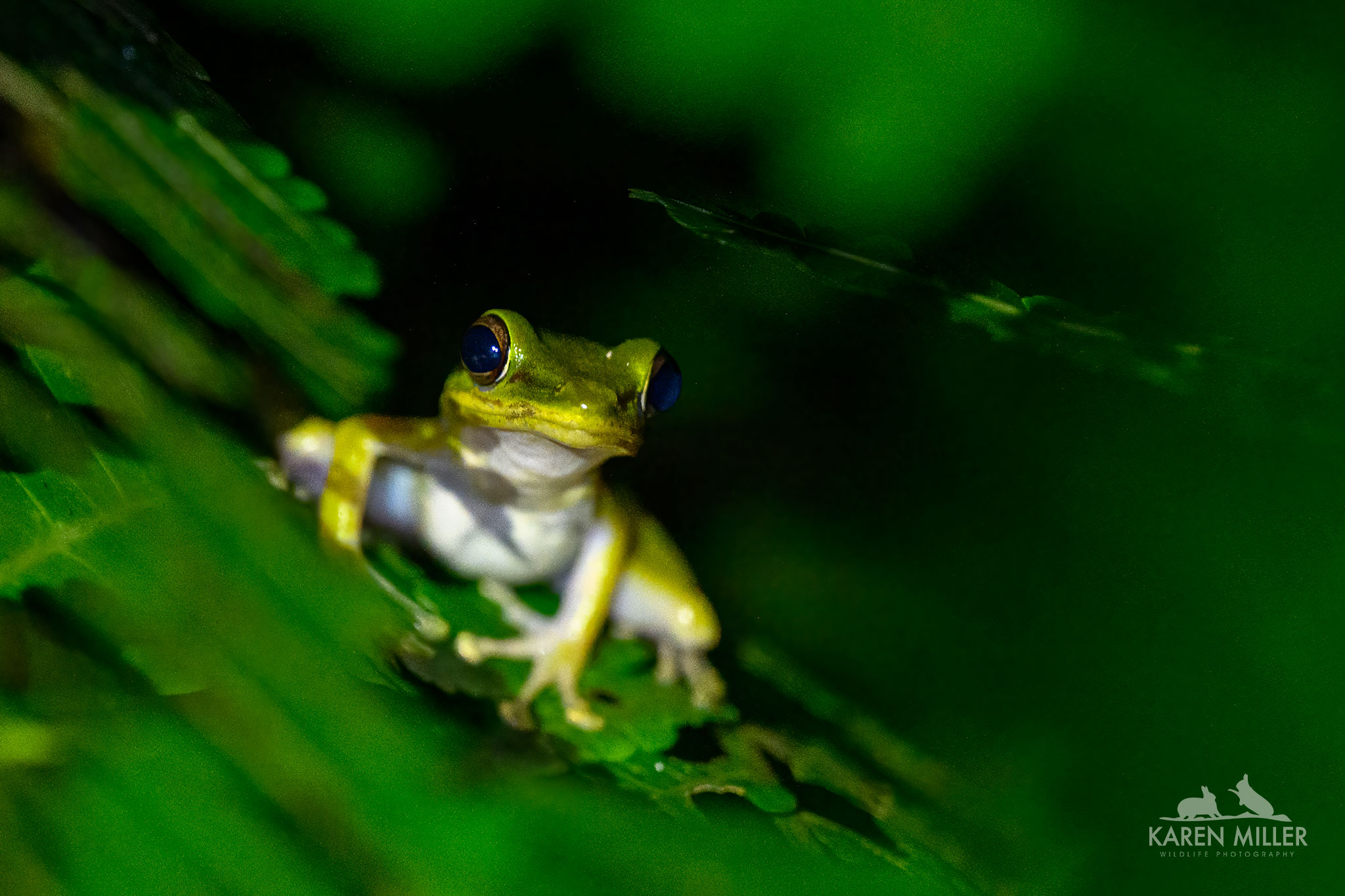
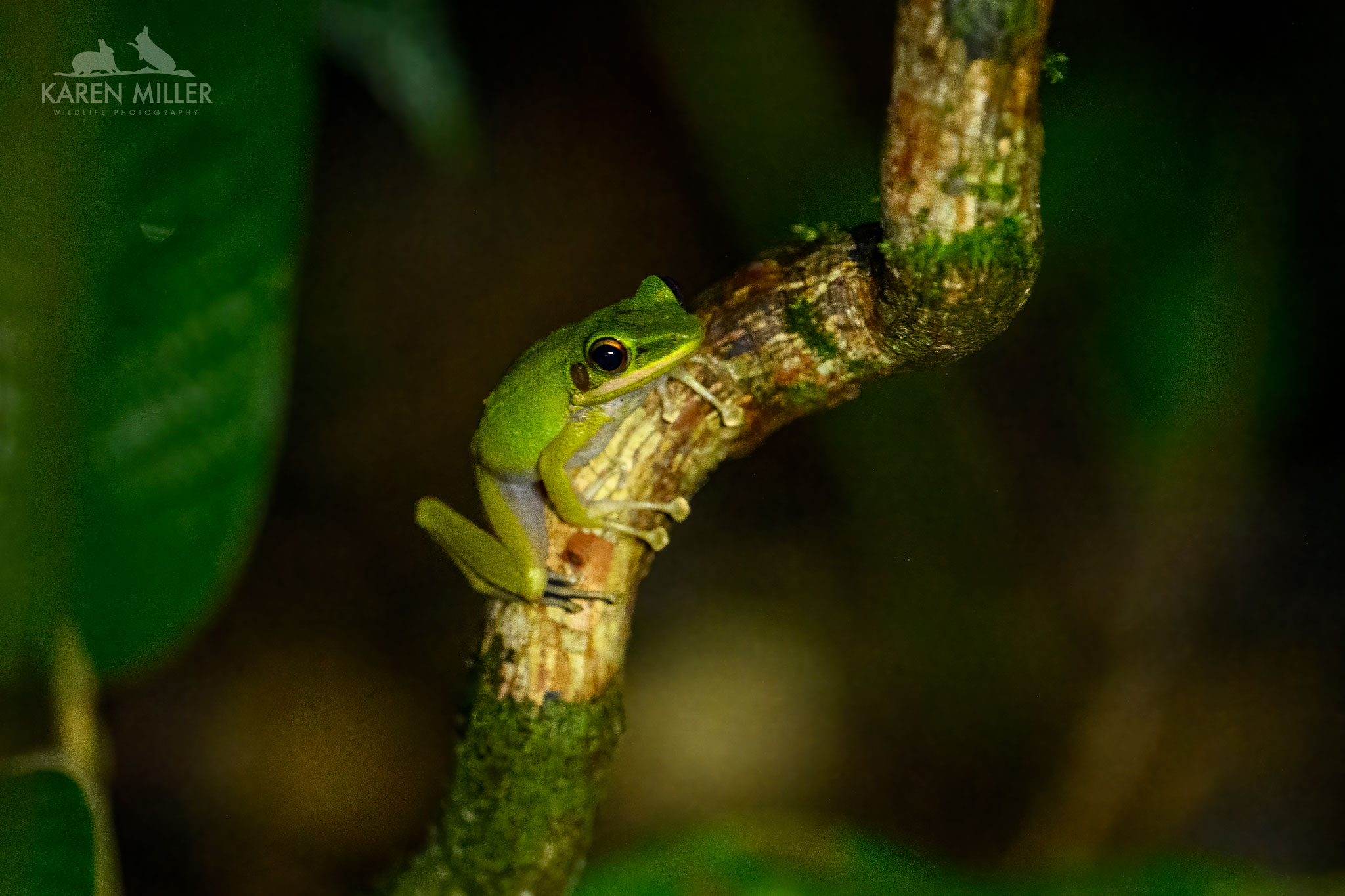
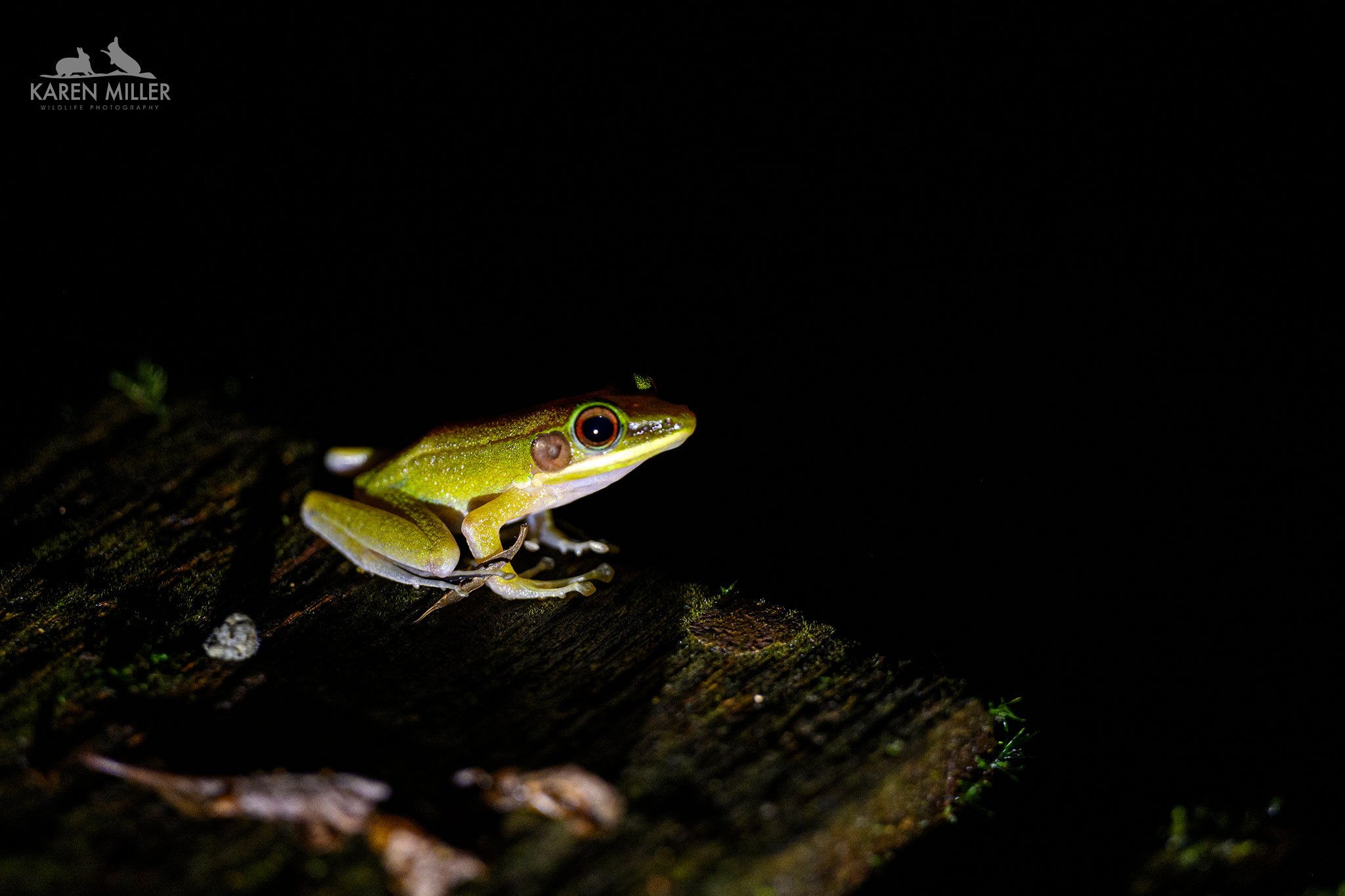
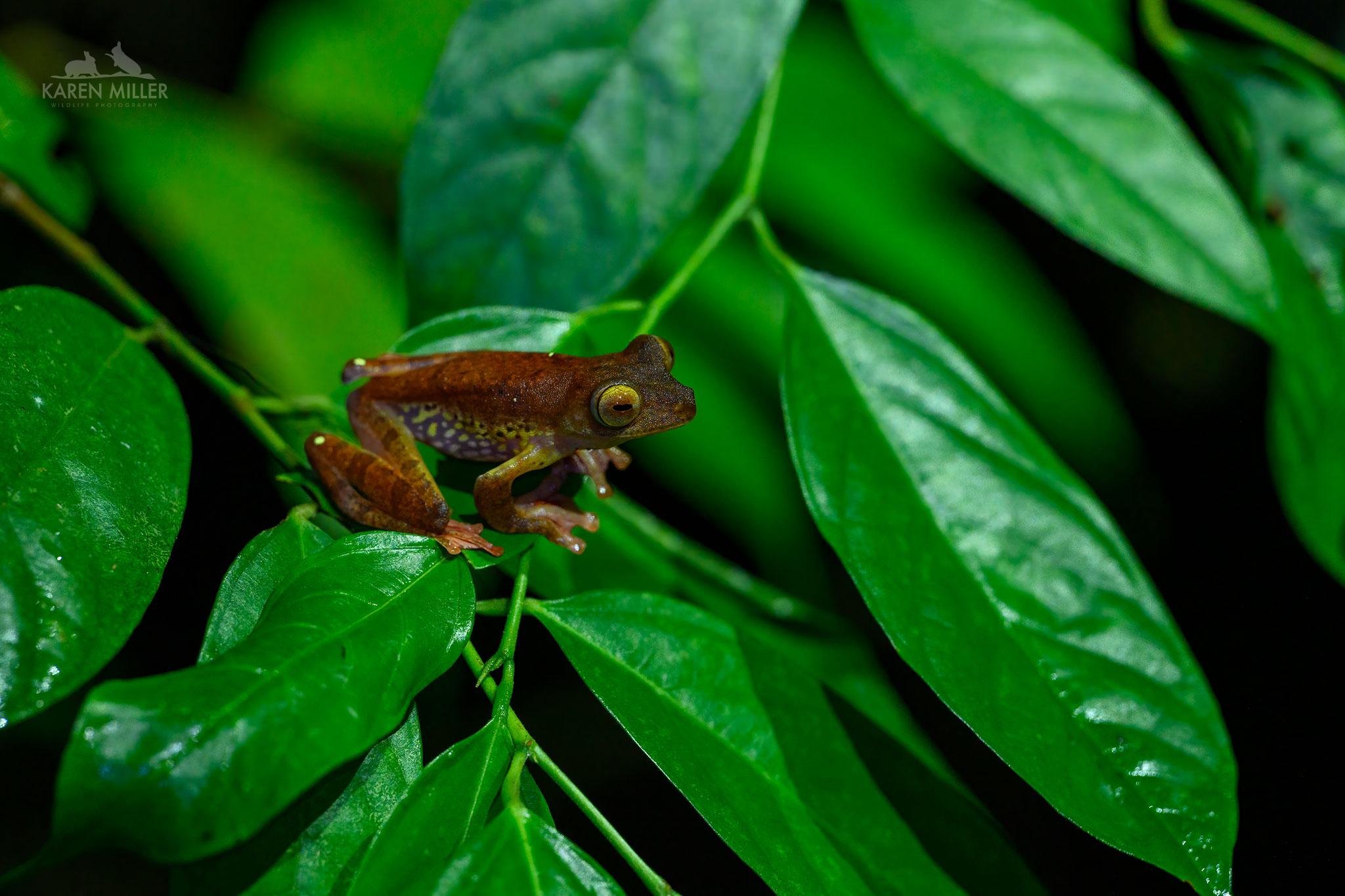
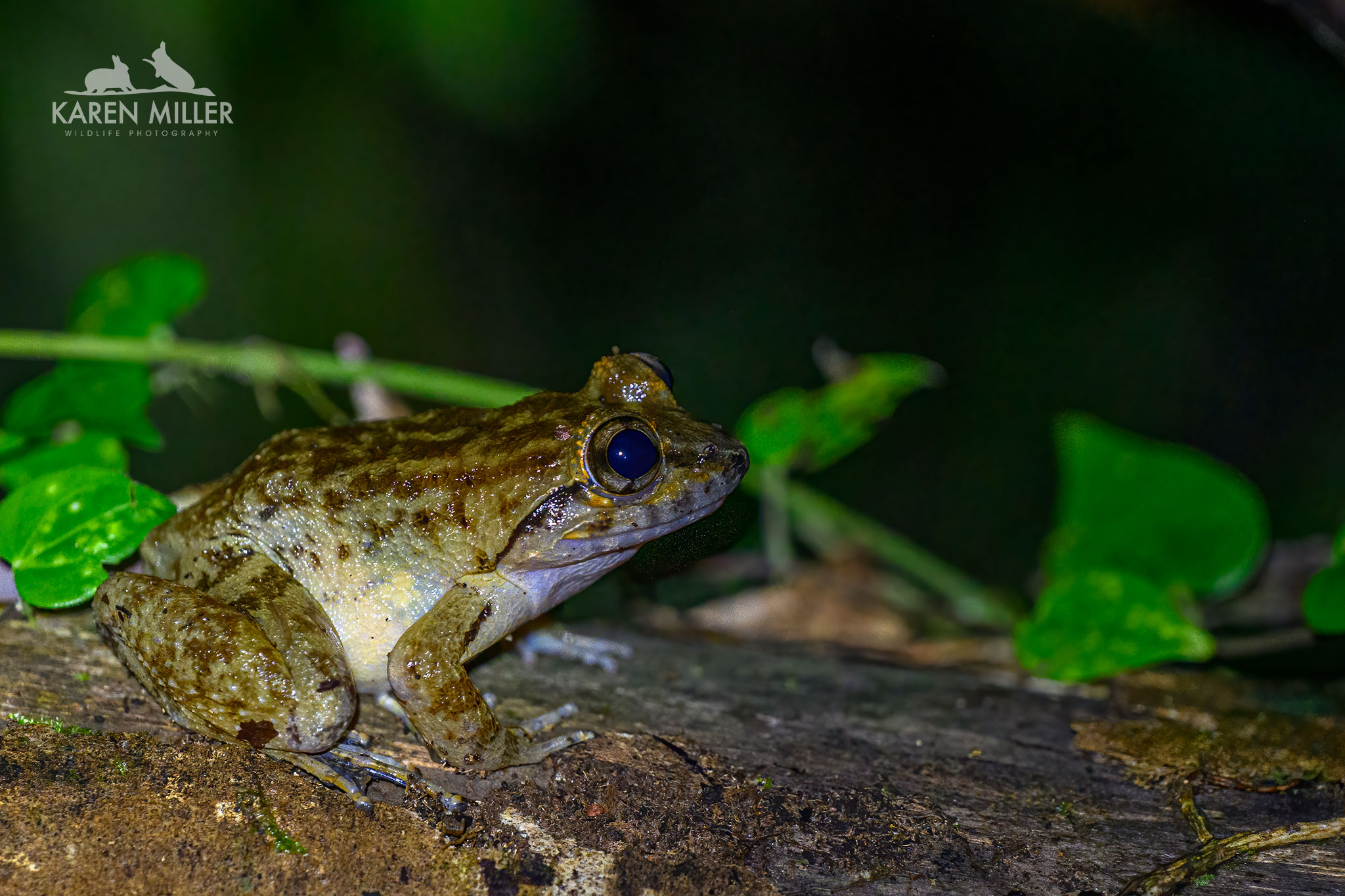
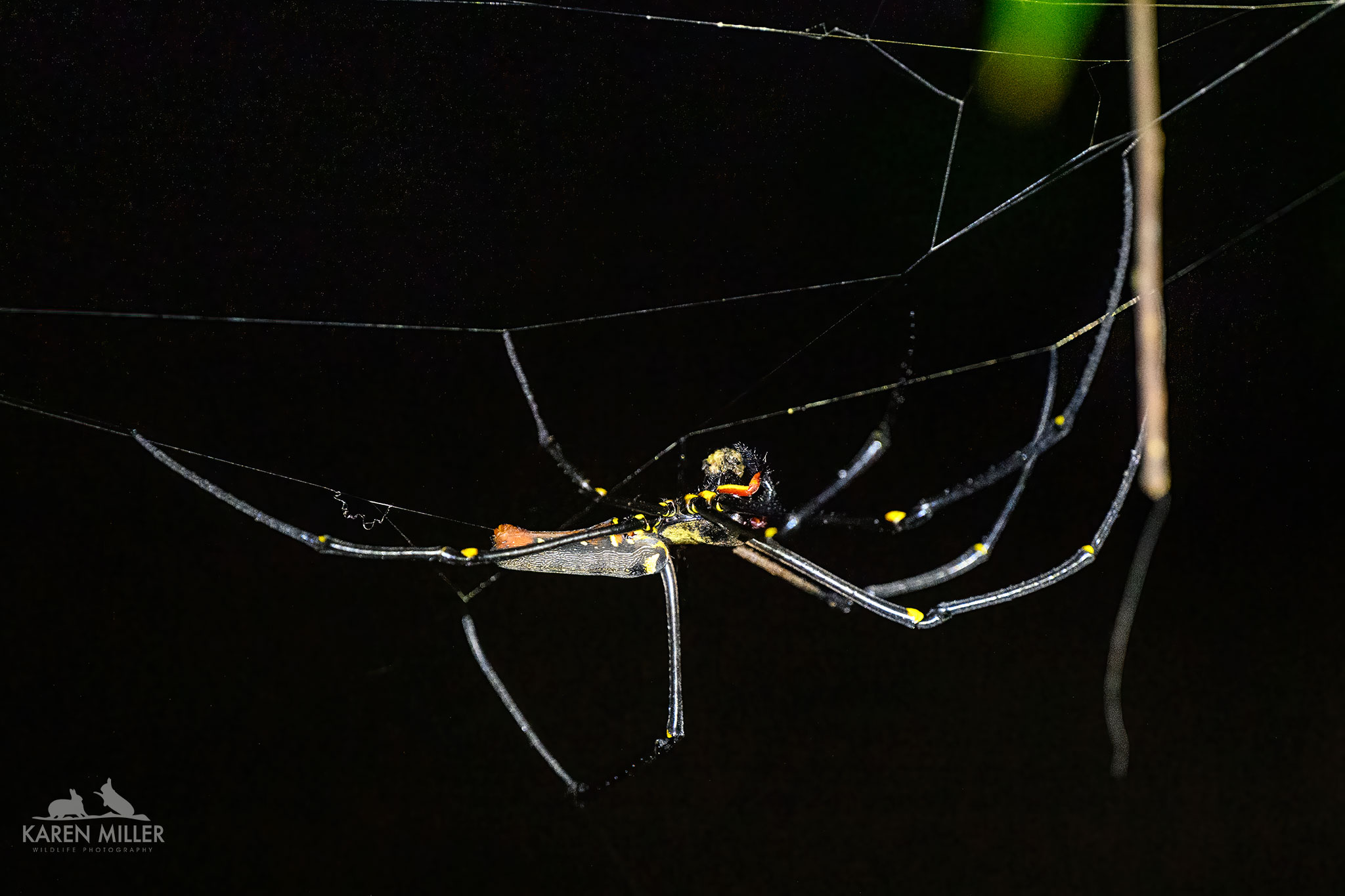
As well as this huge spider!
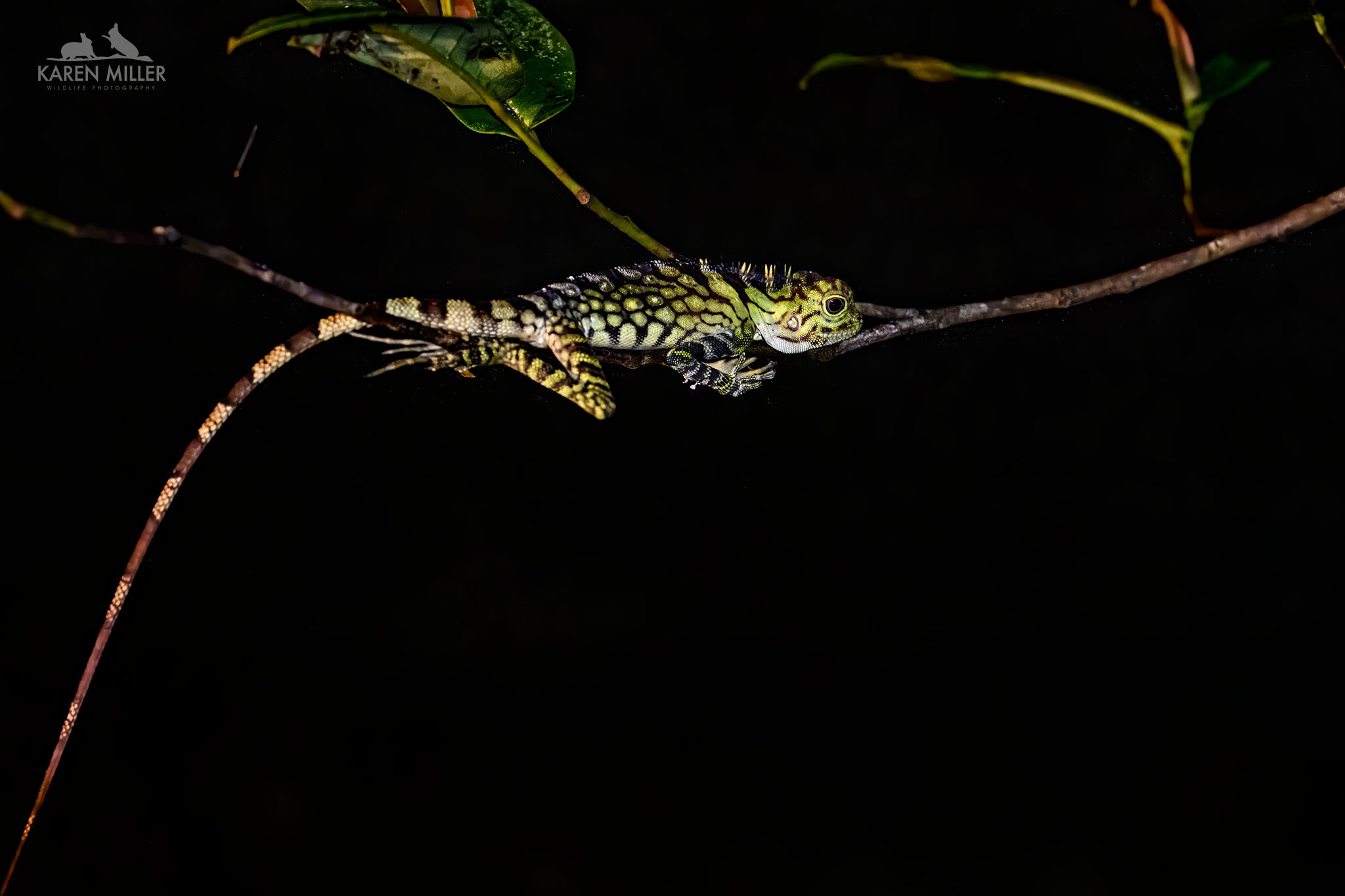
And en route back this gorgeous lizard.
That was pretty much it for Kuching. I enjoyed my time here, but was definitely ready to move on. I would miss the luxury of the Hilton hotel as well as their breakfasts and mango smoothies, but there were more adventures ahead and some memorable wild encounters.
In my next blog I’ll cover Sepilok, where we spent three nights at the MY Nature Resort – we visited orangutan, sun bear and proboscis monkey sanctuaries which provided fantastic opportunities to see these iconic species’ up close.

 Karen Miller's Wildlife photography blog
Hello Karen,
….thanks a lot for your beatiful images…!
….
regards,
Nico.
LikeLike
Thanks Nico
LikeLike
Fabulous opportunity – so sad to think that so many of these wonderful species are doomed if the leaders of this planet don’t get their act together ☹️. I ended up by buying the track of the nature sounds – I find natural night sounds to be very soothing, probably because I was brought up in South Africa, on the edge of Pretoria, and so could always hear crickets & frogs at night. But no fireflies? 😁 – I know, they’re real buggers to catch on film, and you’d need a hour or two to get satisfactory video…
LikeLike
I miss the sounds of the jungle, one of my favourite things about the whole trip. Especially the night sounds. I do have a phone video of the fireflies but it almost looks like static, so I didn’t include.
LikeLiked by 1 person