
After over a week in Kuching in Sarawak (see previous blogs for more on this: Part 1, Part 2), it was time for our wildlife adventure to officially get underway when my friend Gemma and I headed to Sabah for 10 days, staying for 3 nights in 3 different locations.
This section of our trip was organised for us by Wildlife World Travel, who not only organise guided photography holidays but also put together bespoke packages. We tweaked the original suggestions a bit to spend more time in just the three resorts to maximise wildlife sighting opportunities and minimise travel, but other than that, we left it to them which made it far more relaxing! It all went very smoothly and I’d have no hesitation in recommending them if you wish a bespoke trip like this. Everything was organised for us from internal flights, transfers, accommodation and excursions so we had nothing at all to worry about.
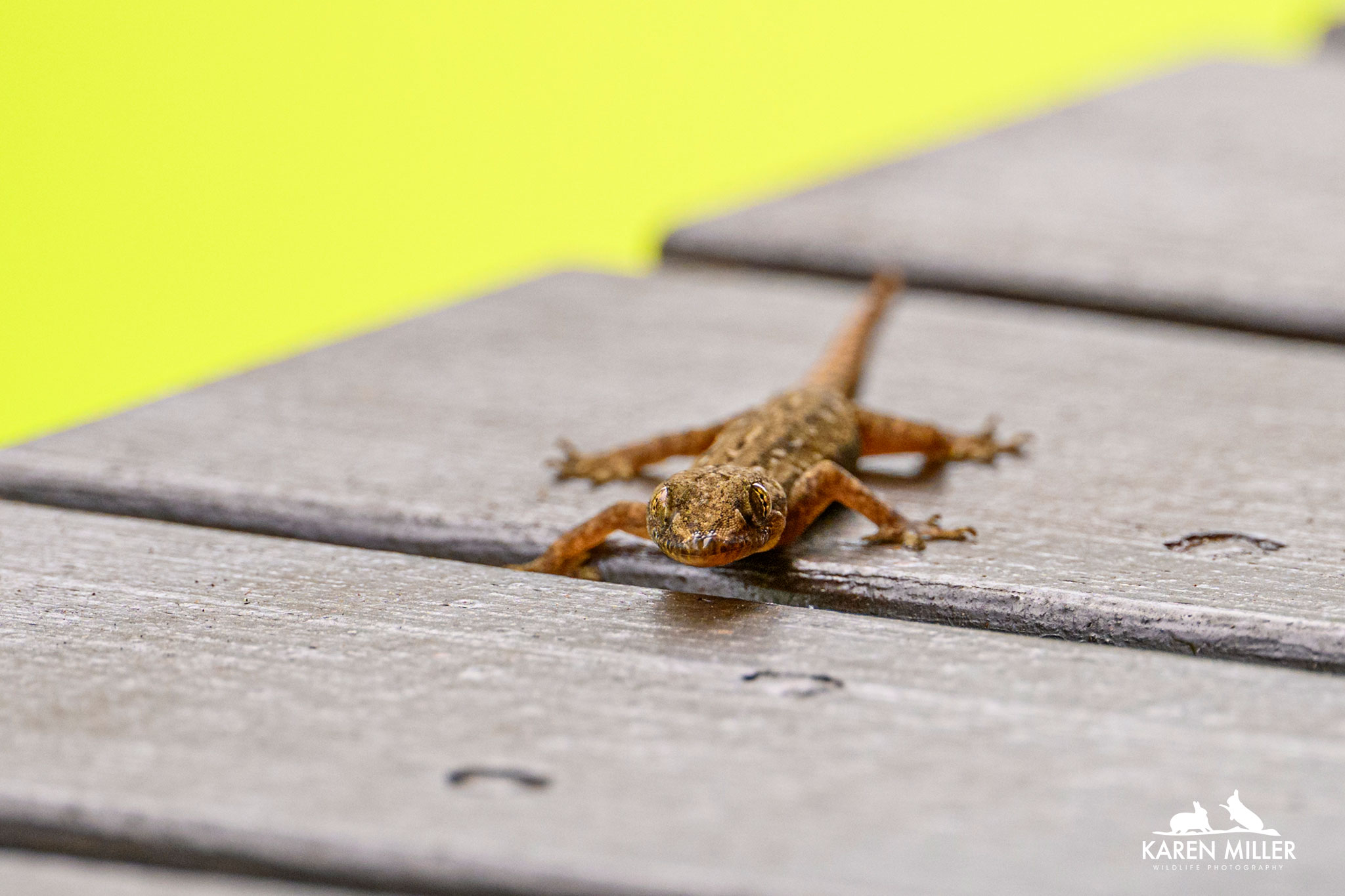
Our first stop was in Sepilok, a short transfer from Sandakan. This resort, My Nature, and the next one we were to stay at are owned and operated by SI Tours. It was the most modern and pretty of the three from an accommodation perspective. Our cabin had a large balcony with two comfy recliners which overlooked the jungle. We did have a resident gecko in the cabin which was fine and they visited the decking too, but I wasn’t so keen on the tiny ants that decided to make my bed their home!
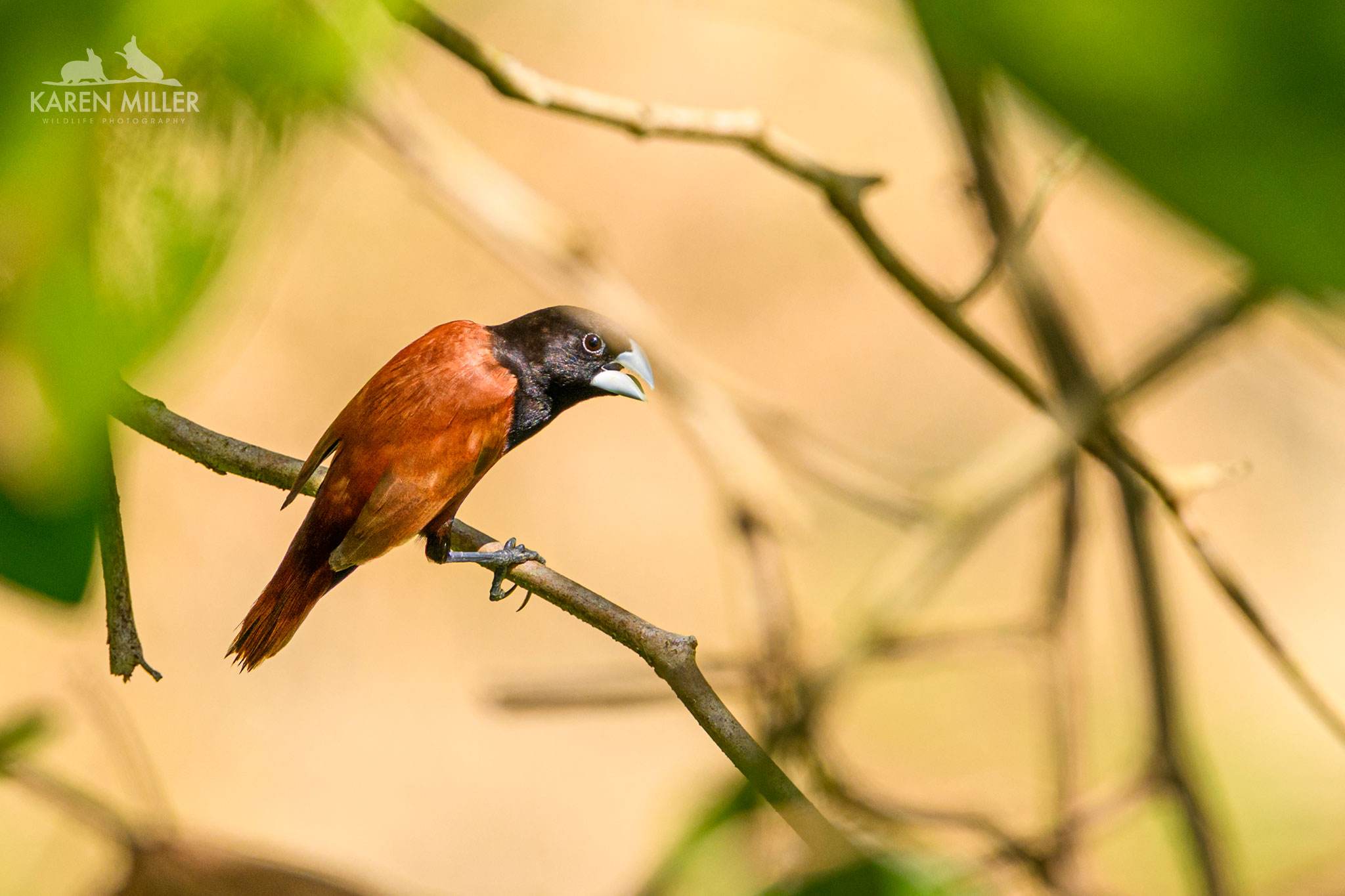
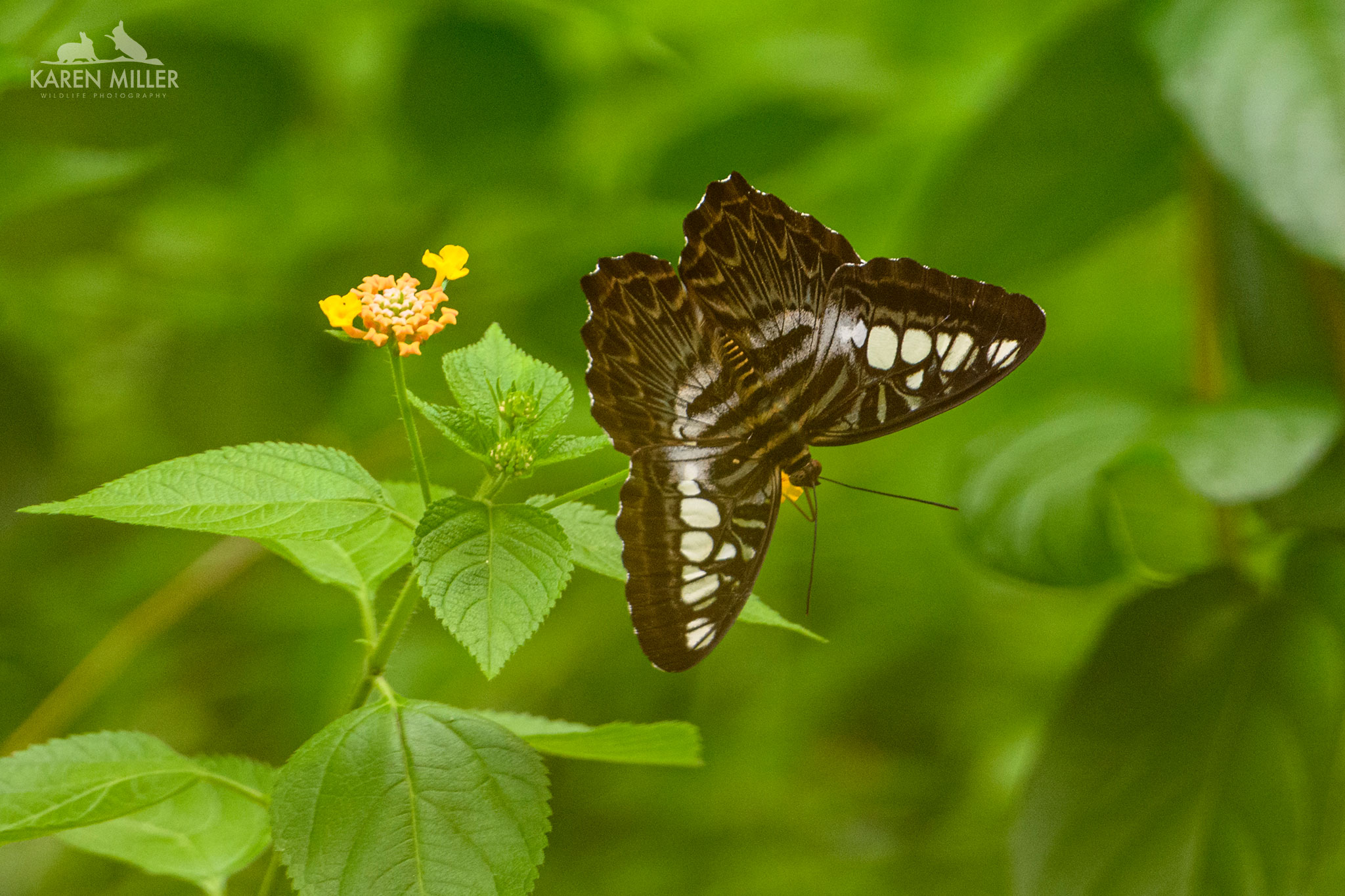
There were plenty of trees and shrubs which were enjoyed by birds, butterflies and dragonflies.
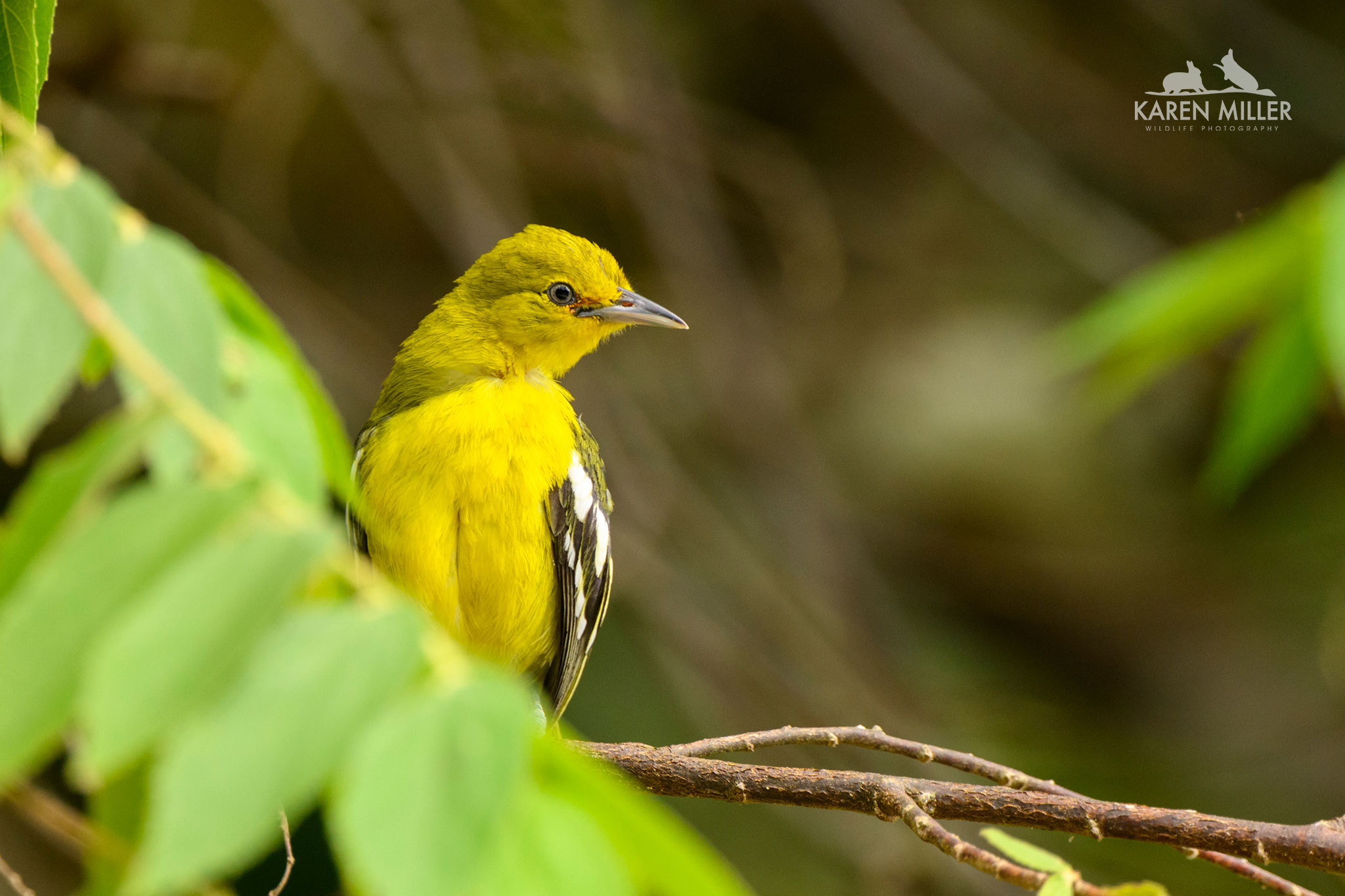
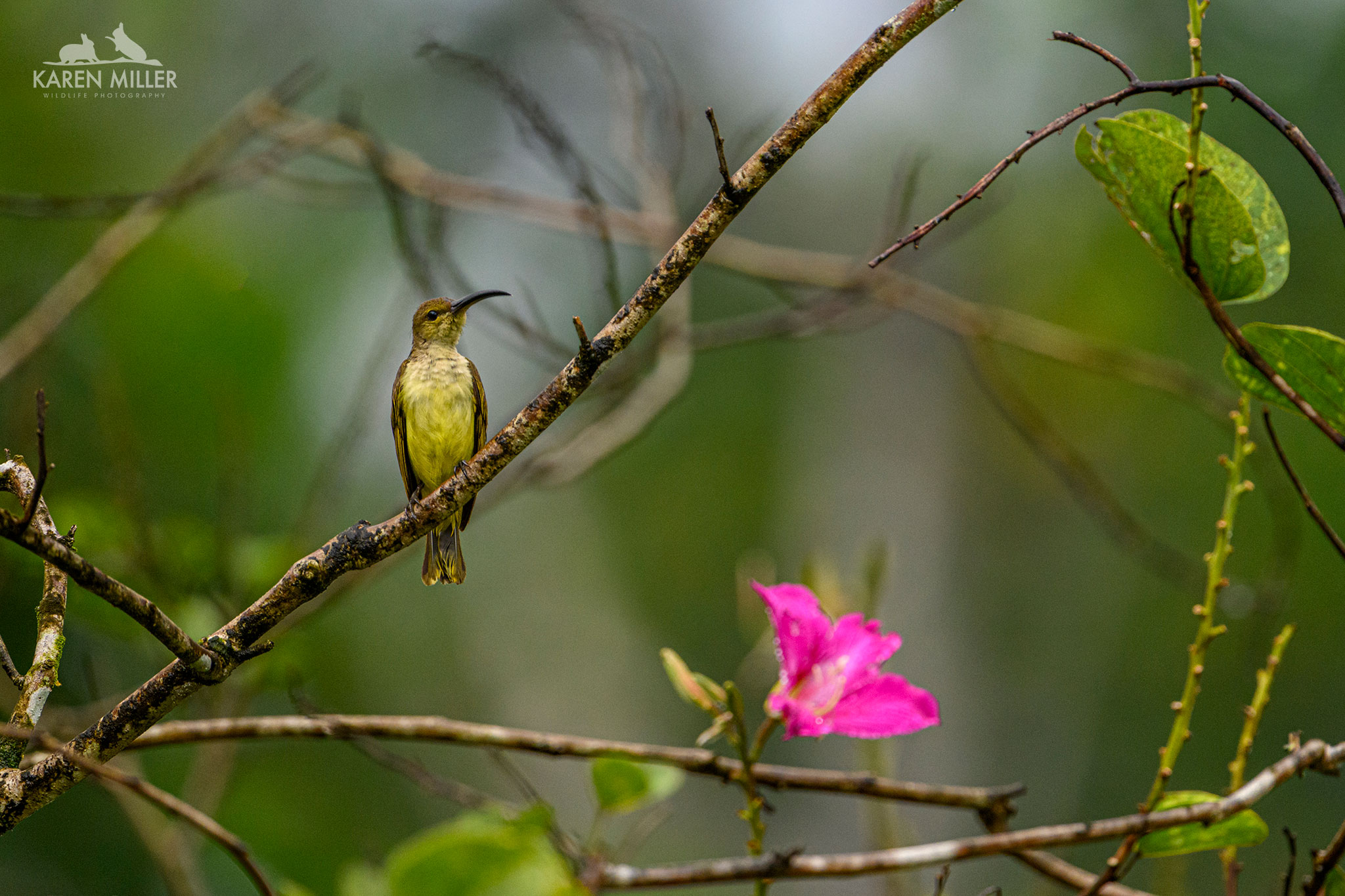
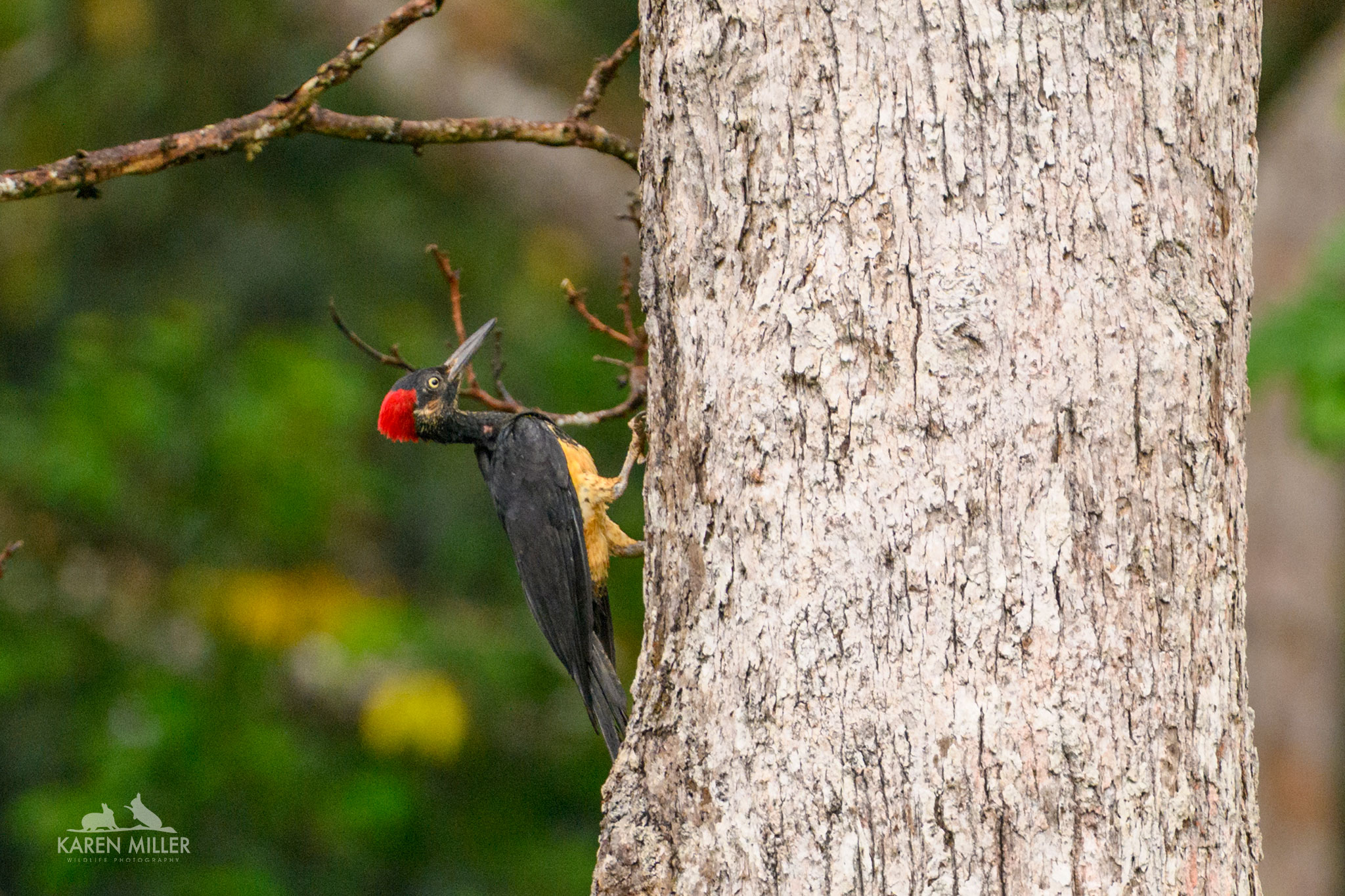
SI Tours are very efficient. I couldn’t fault them at all. We were met by one of the staff members who gave us a introductory briefing, our bags were taken to our accommodation. All members of staff were lovely and couldn’t have been more helpful.
As part of the briefing we were warned about the pig-tailed macaques who hang around the resort generally causing mischief. Each cabin comes with a bamboo stick, not to hit the macaques, but to bang on the ground to spook them and we were advised to carry that with us. We spotted one eating leaves in the trees by the swimming pool when we went out to explore but it kept to itself.
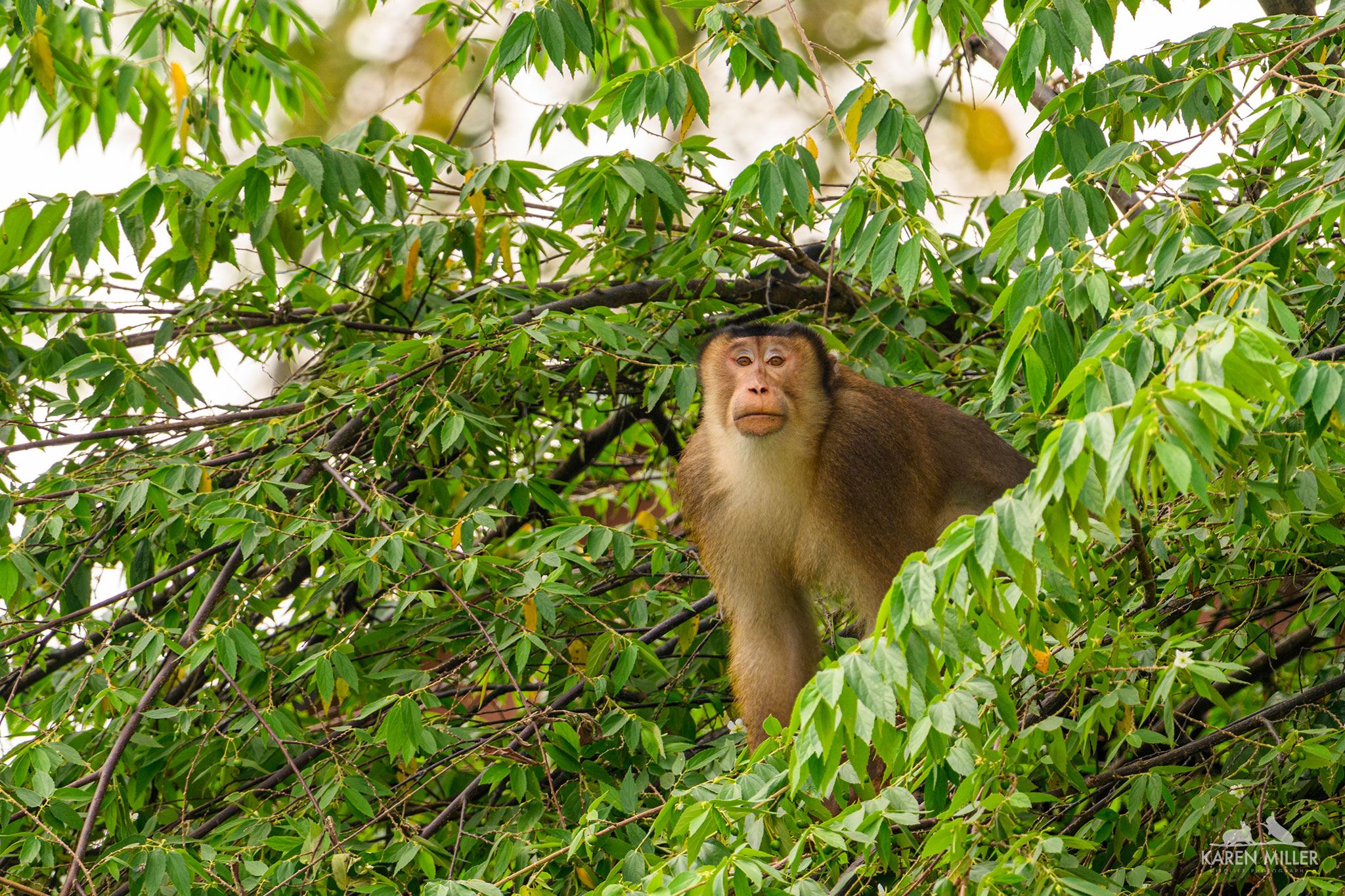
On another occasion a small group were on the ground and then headed to nearby trees

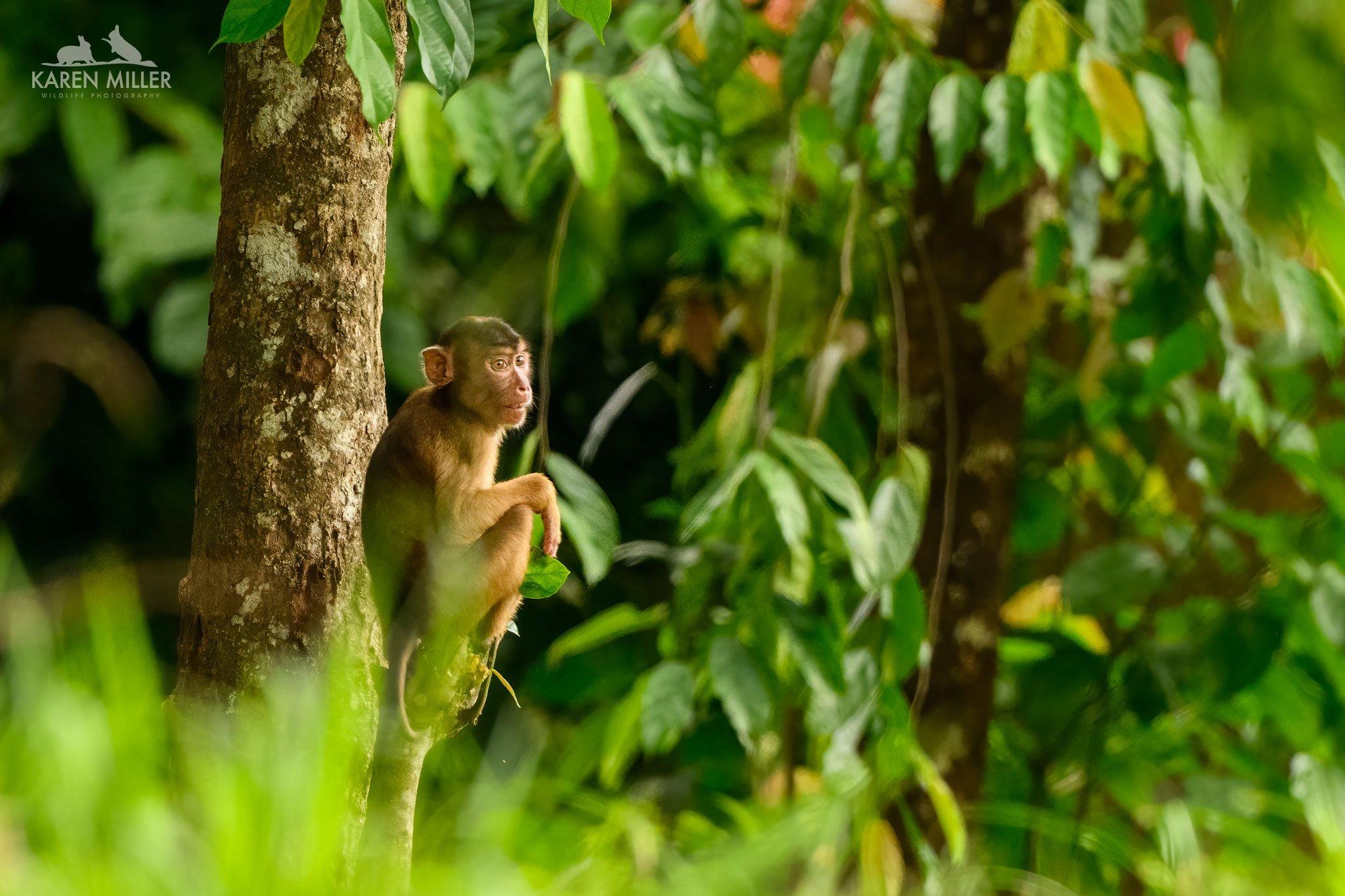


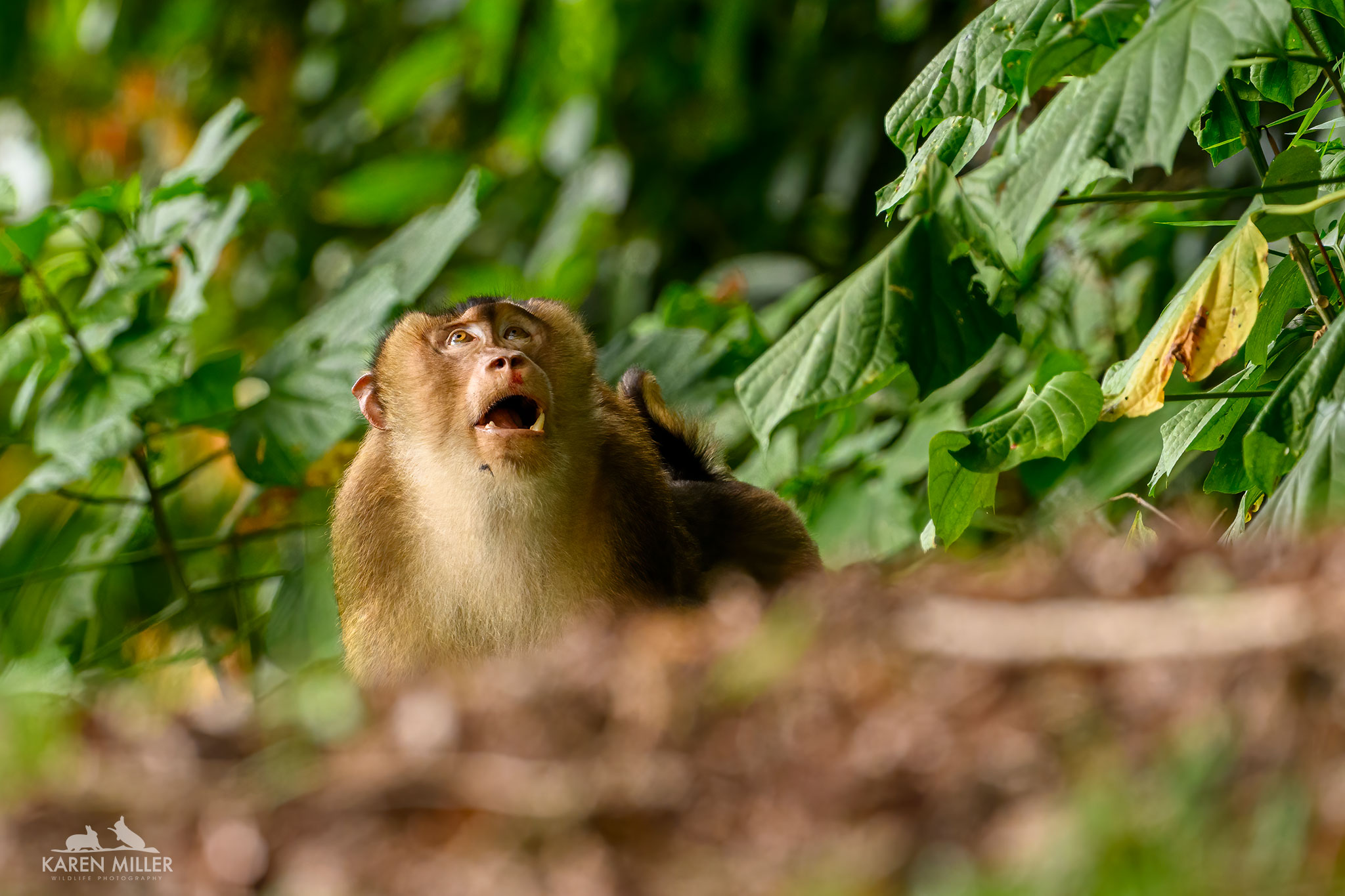
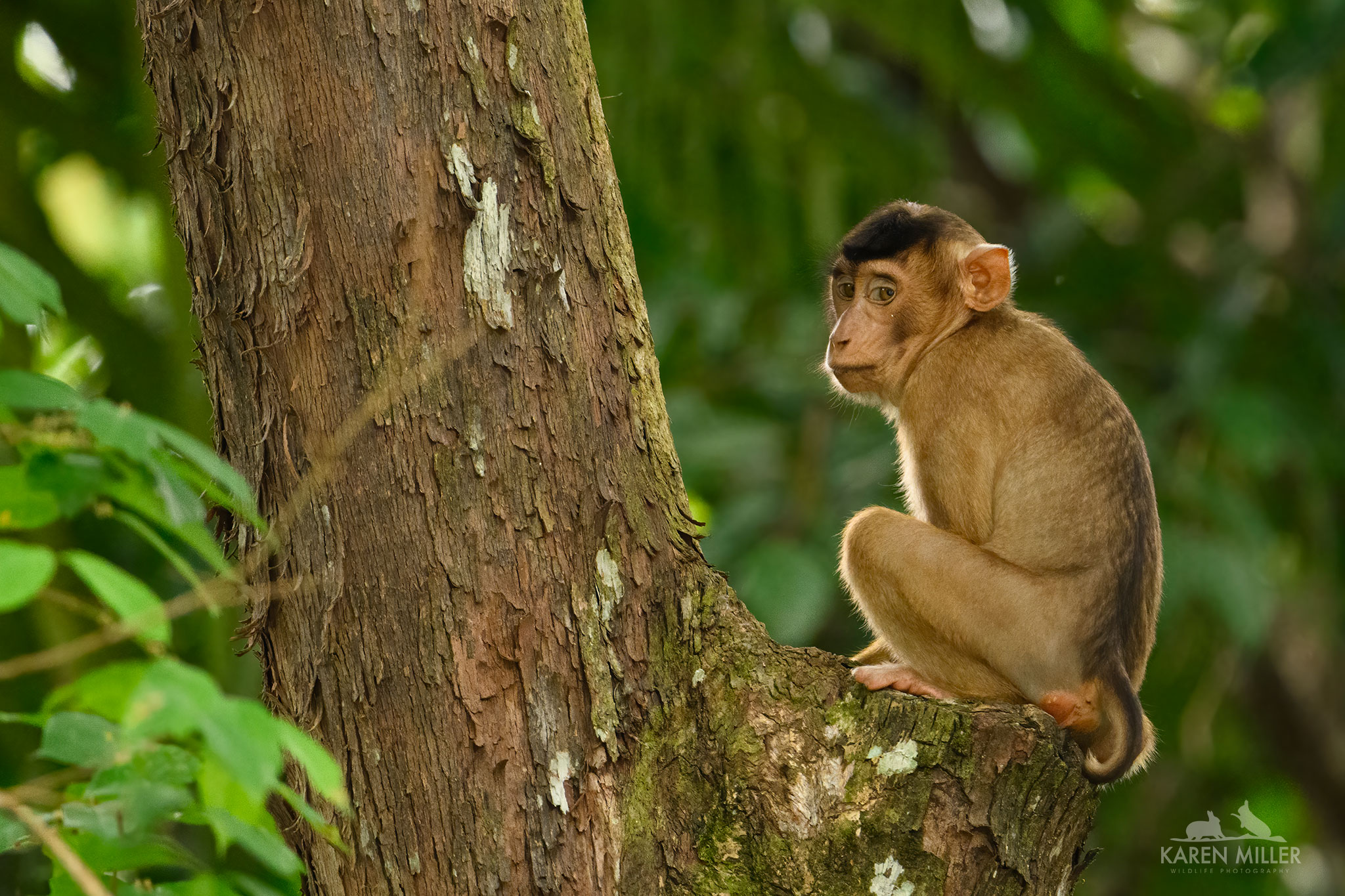
The youngster had the funniest facial expressions
And, finally, on our last morning, whilst walking the boardwalk trail we came across a large group by a small pond. Most ran away but it was a little intimidating! This one had only one arm and sat a short distance away from us for a while.

On our first afternoon we had a pretty intense thunder storm which lasted over an hour. The thunder was directly above us and so loud and the rain very heavy as you can see here:
Most of the guests at MY Nature, were either British or Australian, and it was lovely to chat with them and find out where they’d been and what they’d seen. We tended to see many of the same people at each of the resorts and it was like meeting old friends! For meals we each had our own allocated table, but these were close enough to talk to those at the next table. All the meals were eaten outside on a large veranda. Food was served buffet style with a few choices. Rice came with every meal (as it does everywhere in Malaysia it seems) and there was almost always a chicken dish. Very tasty, but the chunks of meat often came with bones, which made it awkward to eat. Again, we experienced this in every resort. There was also fruit on offer too, always watermelon plus papaya, pineapple and beautiful honeydew melon, plus for dessert a wobbly pudding which tasted nice but if you moved too quickly it flew off the plate!
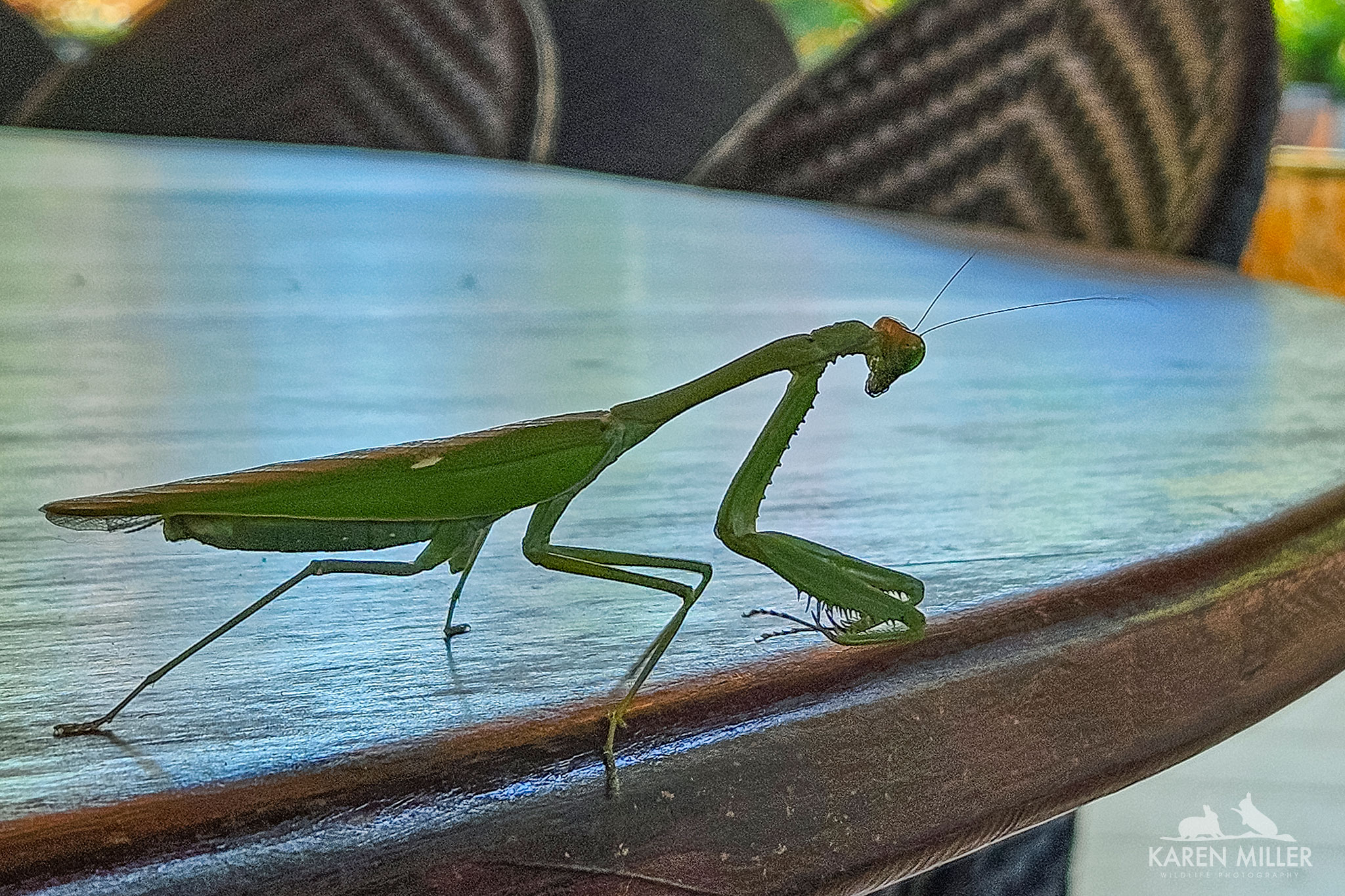
In the evening insects would turn up, some large butterflies/moths and even a couple of praying mantis (phone pic).
The veranda overlooked the jungle too and it was here that we had our first hornbill sightings. Both rhinoceros and oriental-pied hornbills made appearances. Awesome birds that we were to see much more of over the next duration of our stay in Sabah. Pictured here, the rhinoceros hornbill.


Every evening at dusk, giant red flying squirrels would appear, climbing up to the tree tops and gliding off to their chosen location. We had an artificial drey opposite our cabin and this one could regularly be seen poking its head out.
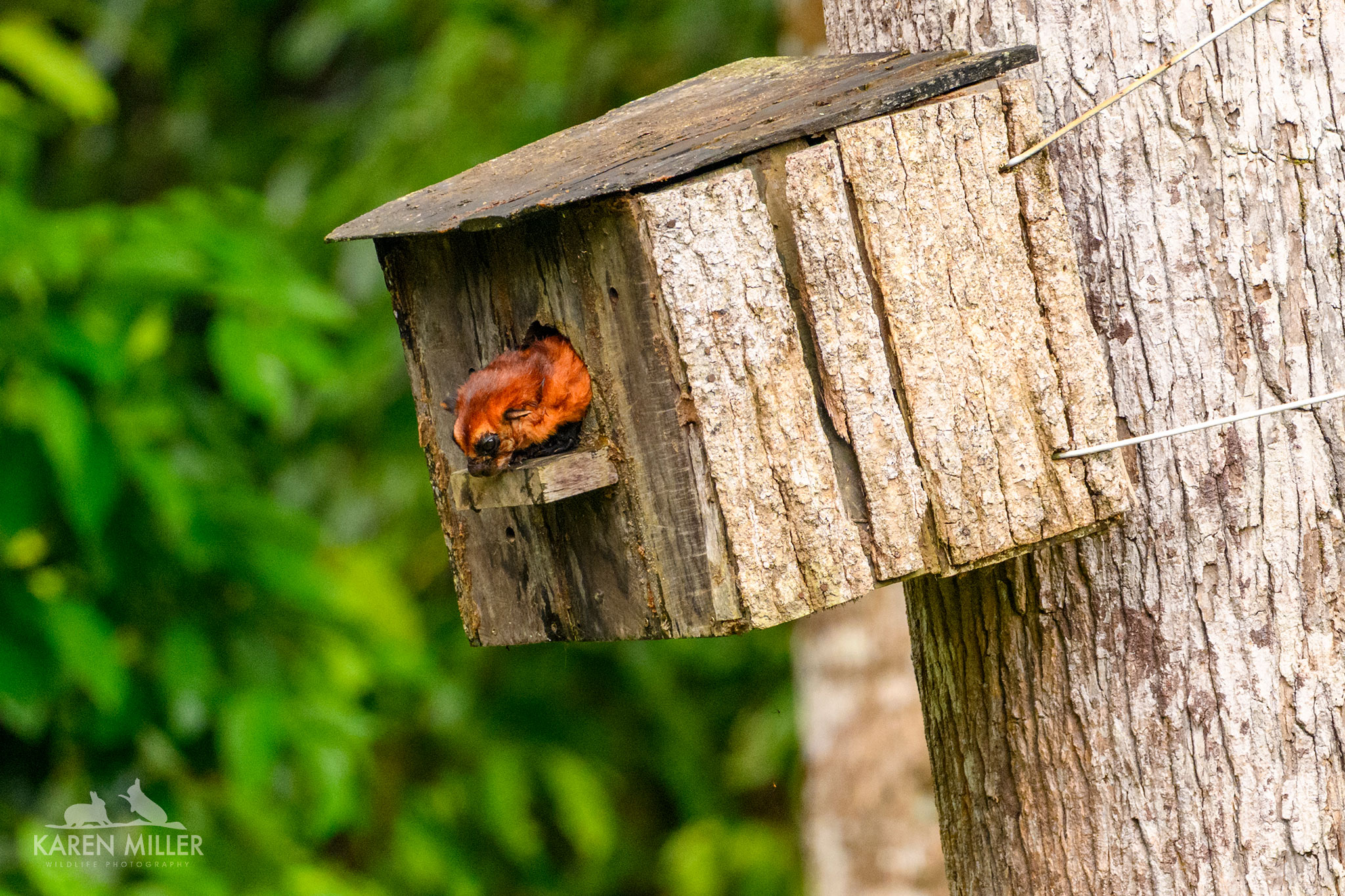
It was too dark to photograph or film them flying, but here’s “our” one shimmying up the tree in very poor light.
We were booked on three excursions whilst we were here as well as being able to take advantage of the courtesy bus to get back and forwards to some of the locations. The first trip we went on was to the Sepilok Orangutan Rehabilitation Centre for the morning orangutan feeding. Here rescued orangutans roam free but are provided with food should they wish it. Around 60 to 80 orangutans live independently in the rainforest reserve and approximately 25 orphaned orangutans are housed and cared for in the nurseries. Many are eventually released back into the wild in Tabin (our third location). A few things to note: there’s a 10MYR fee to take a camera in and it’s not permitted to bring in anything else: bags/water bottles etc must be checked into a locker or left in transport. This is because the orangutans can come over and steal them. The centre is only open for the feeding sessions and is shut in between them. We went with a guide, but to be honest, this really doesn’t add a whole lot (to either the orangutan or sun bear experience). Both can easily, and cheaply be done independently.
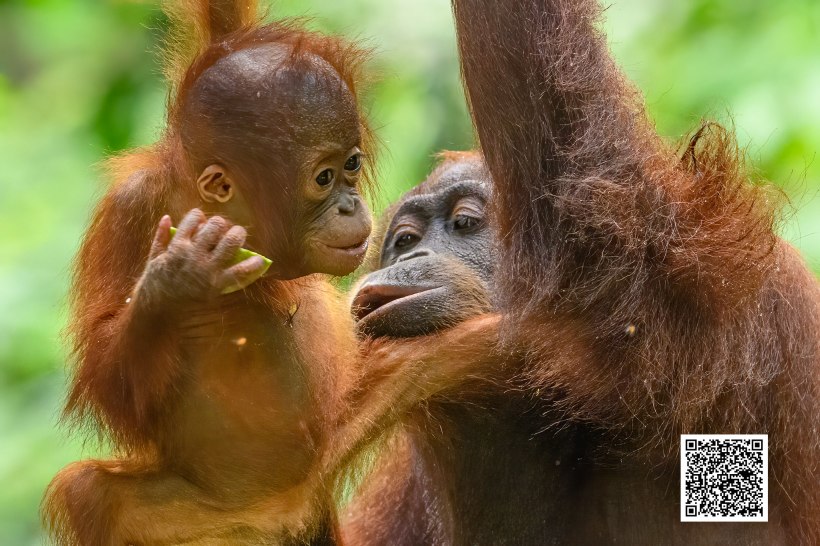
We initially visited the nursery where we sat inside watching a young orangutan and (I presume) its mother. Almost impossible to take photographs but it was a delight to watch the interactions between mother and child and the antics of the youngster.
We then headed to the feeding station. It was really hot and busy, plus the light was horrible, very bright and contrasty, but that didn’t really matter as it was a thrill to be this close to almost wild orangutans. A different mum and an older child turned up for the feeding.

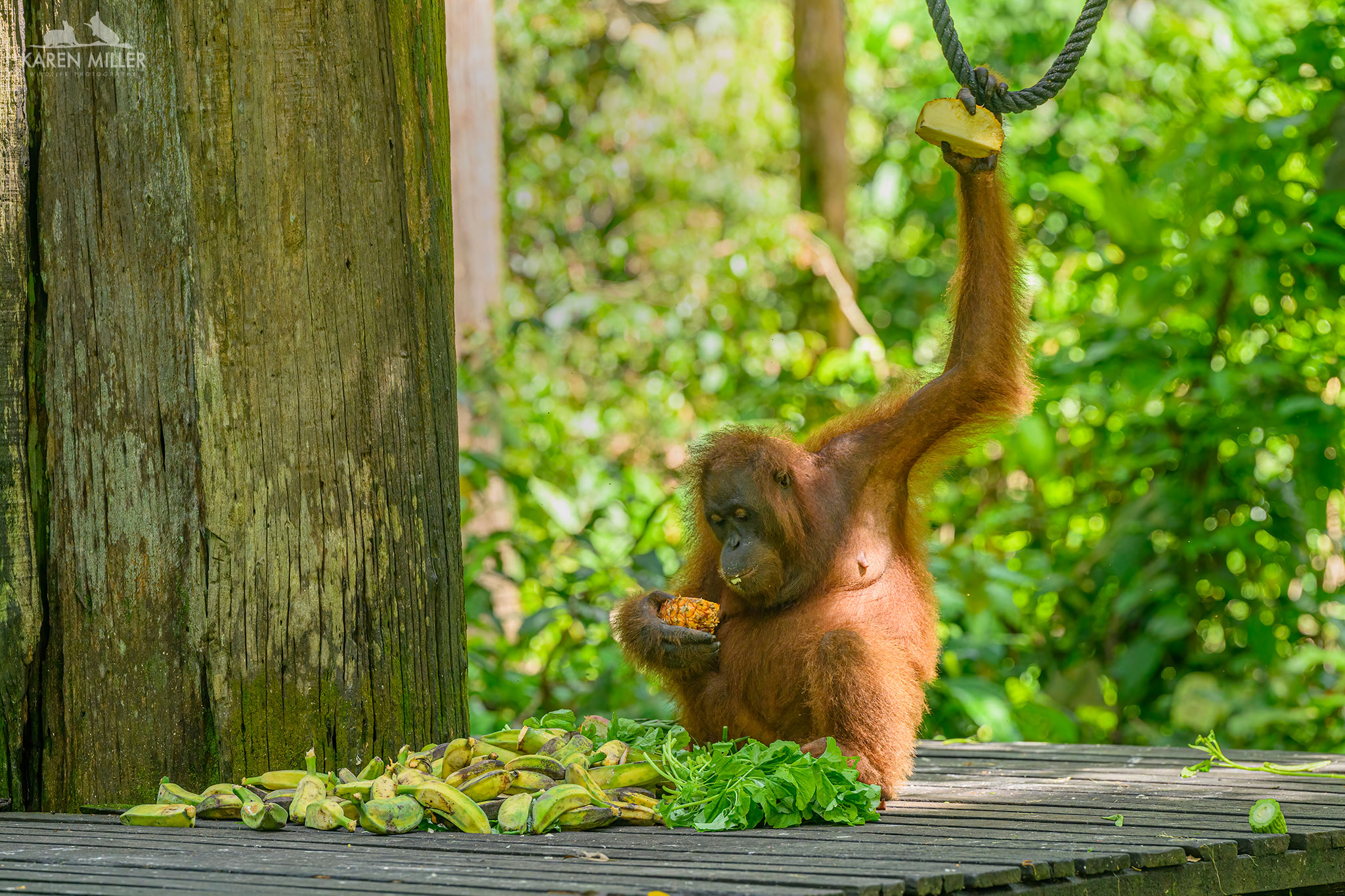
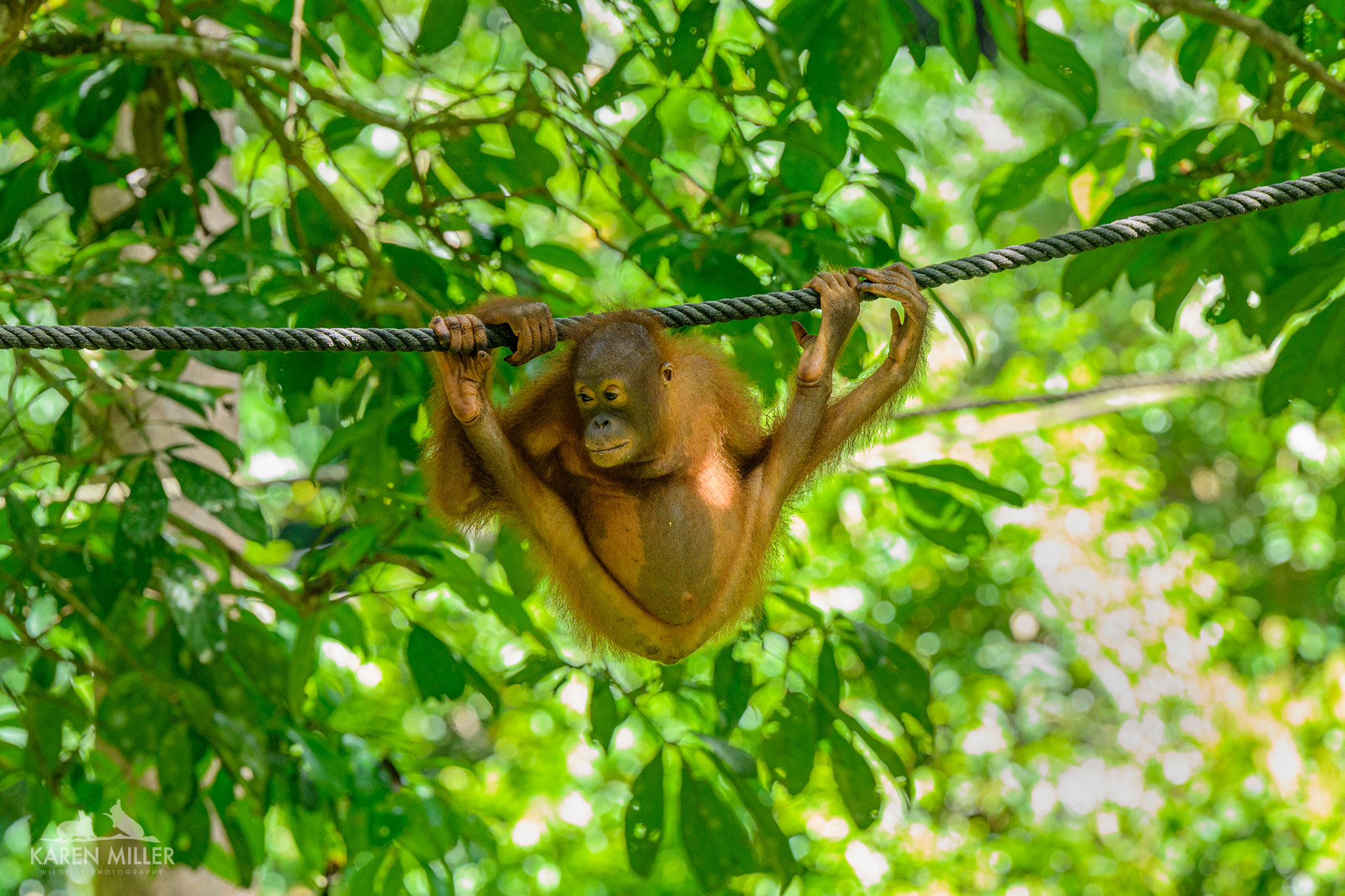
An aggressive pig-tailed macaque also appeared, looking for food. The youngster, quite a feisty wee thing, kept taunting it and scaring itself. Mum pretty much left it to it but was keeping an eye on proceedings.
A 2nd macaque appeared and this one was hilarious. Much less aggressive than the first, it just wanted to eat and stuffed so much fruit into its mouth it looked as though its cheeks were about to burst.
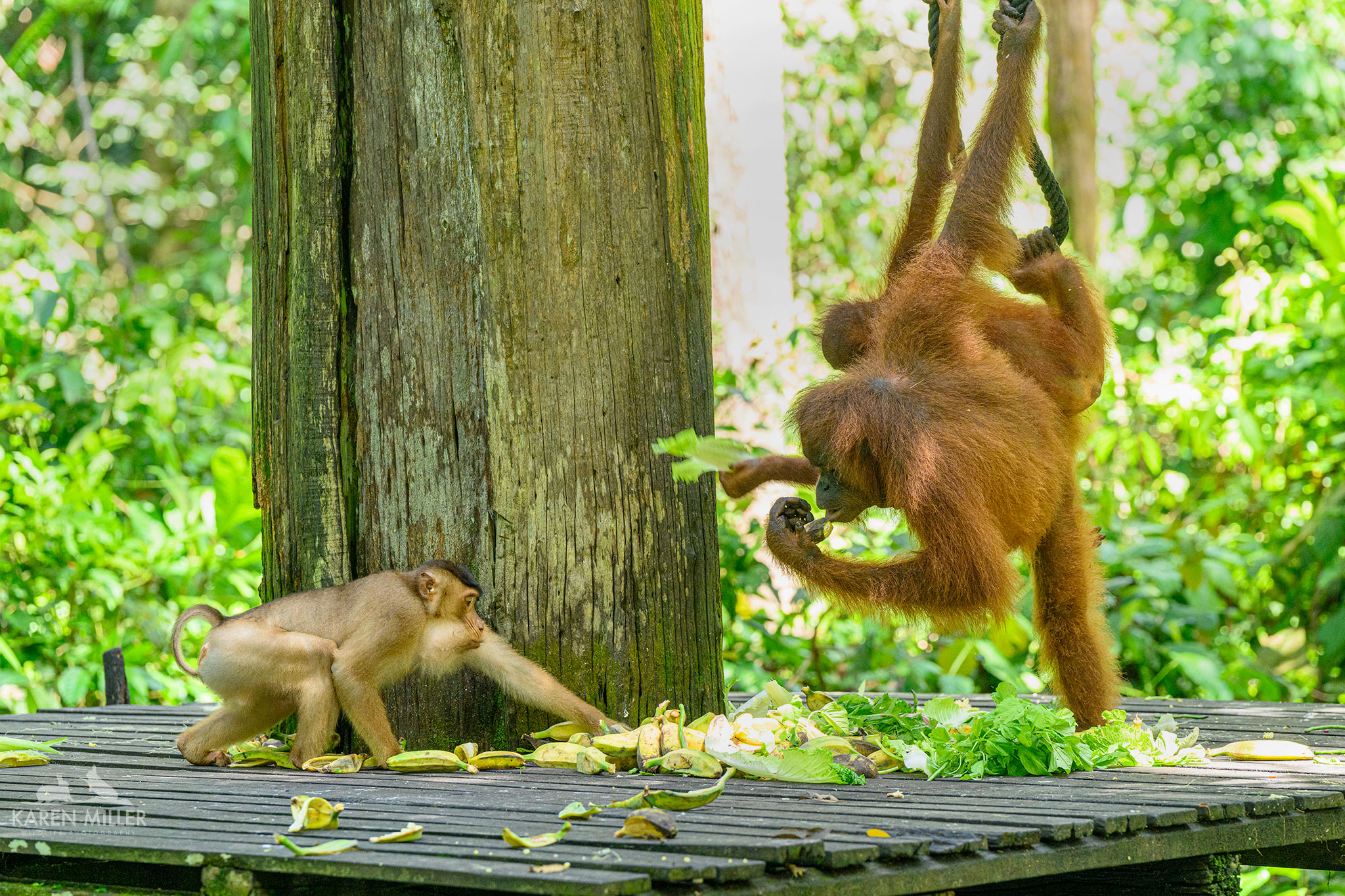
Once the orangutans had had their fill they used the ropes to swing off into the jungle.
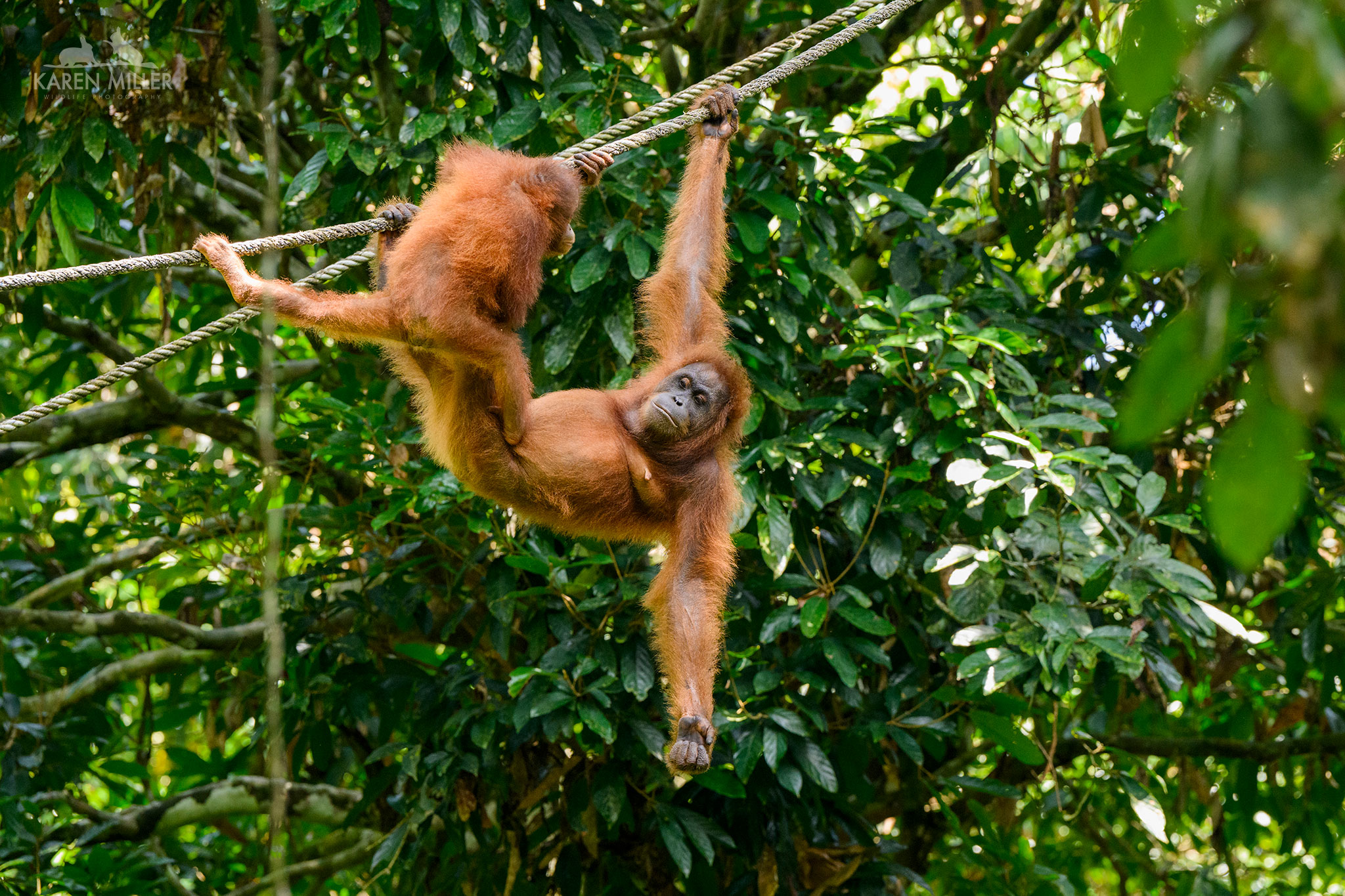
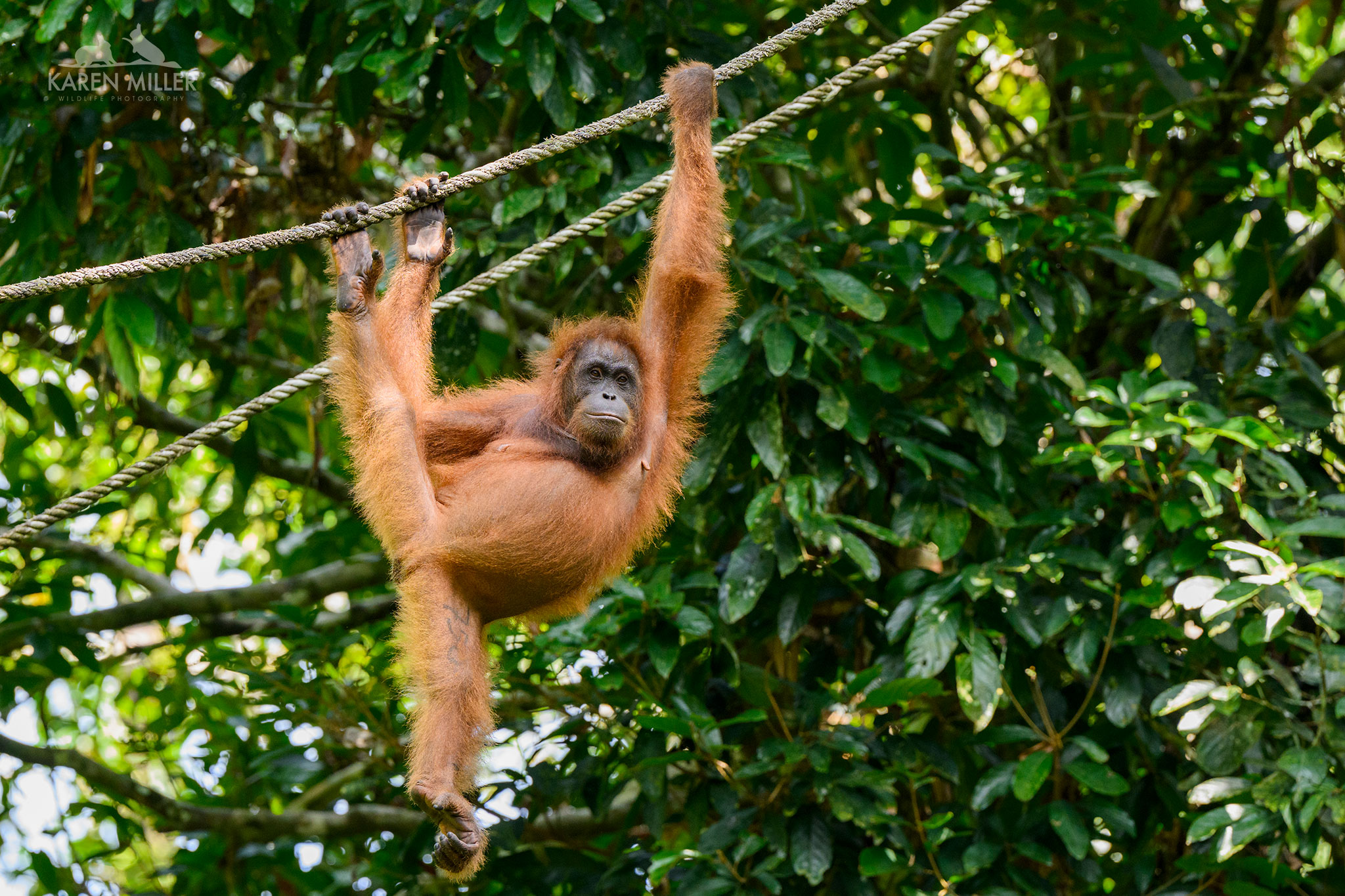
It was awesome to have finally seen some orangutans, a species I absolutely adore. I loved watching them even in the heat and crowds!
Here’s a short film of the morning feeding session including the interactions with the macaques.
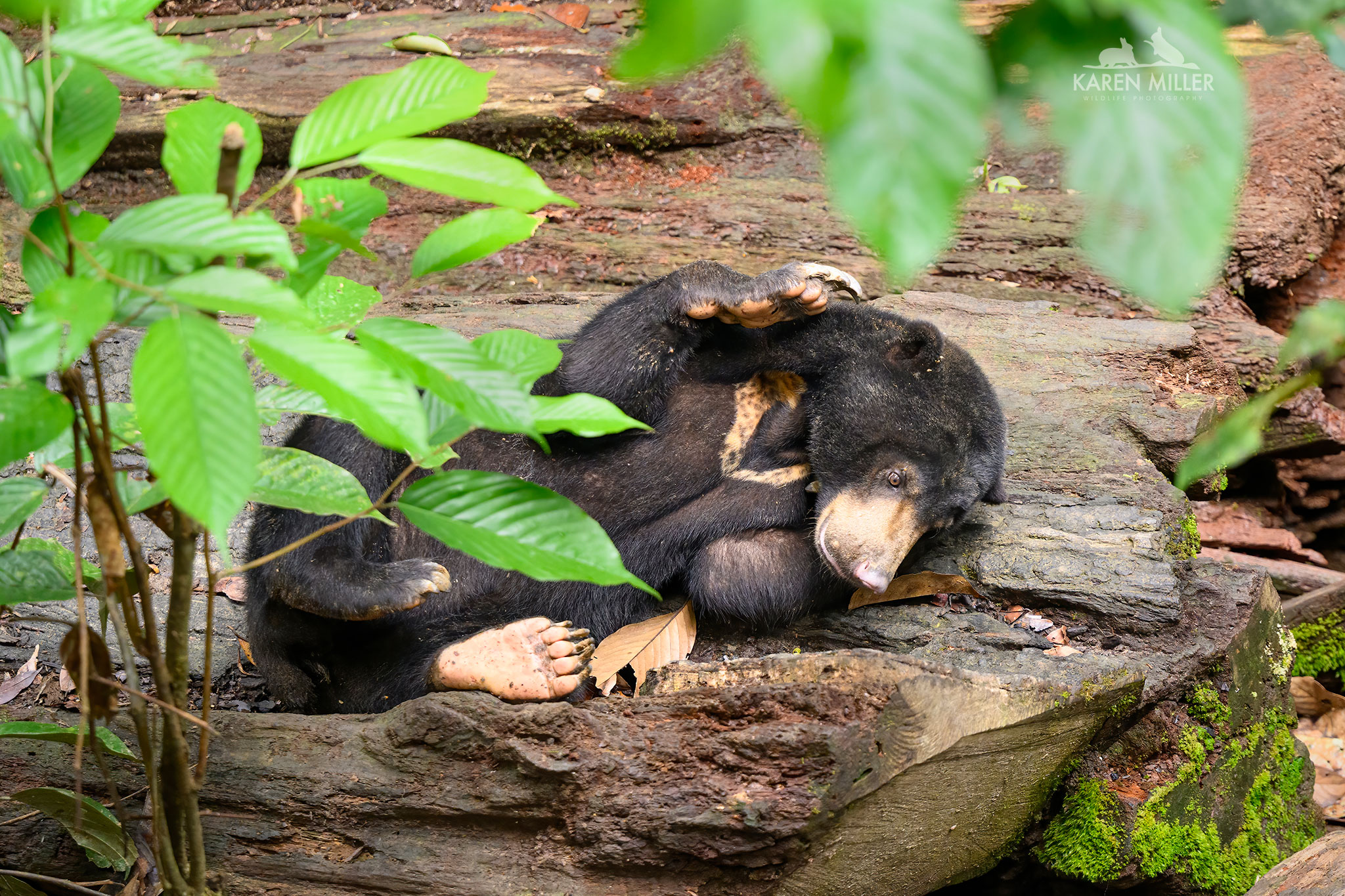
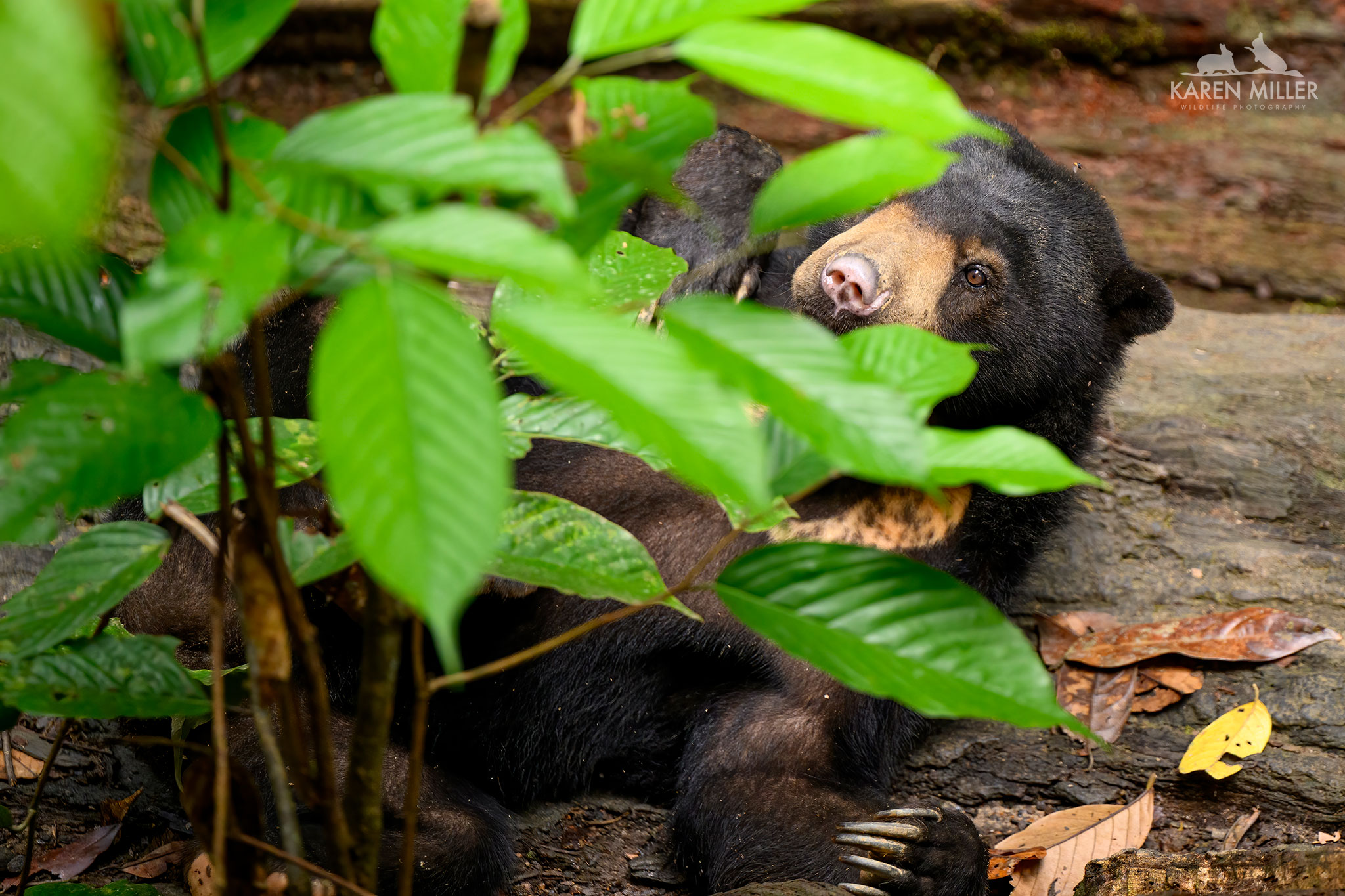
Once we departed the rehabilitation centre, we crossed the road and entered another one, this time for Malaysian Sun Bears who had been rescued from the pet trade. These are the smallest bears and only found in Malaysia. You can read more about them on this webpage. Unlike the orangutans, the bears are in enclosures, each one holding two or three bears. The aspiration is to release as many as possible back into the wild, again, at Tabin, but some are too damaged to allow this to happen sadly. Three of the enclosures are open to public viewing and we arrived during the feeding sessions. The bears are lovely. I’ve seen them before at Edinburgh Zoo many years ago, but to see them in their native country was a privilege. The centre is doing a fantastic job in helping these bears and educating both malaysians and tourists about them and their plight.
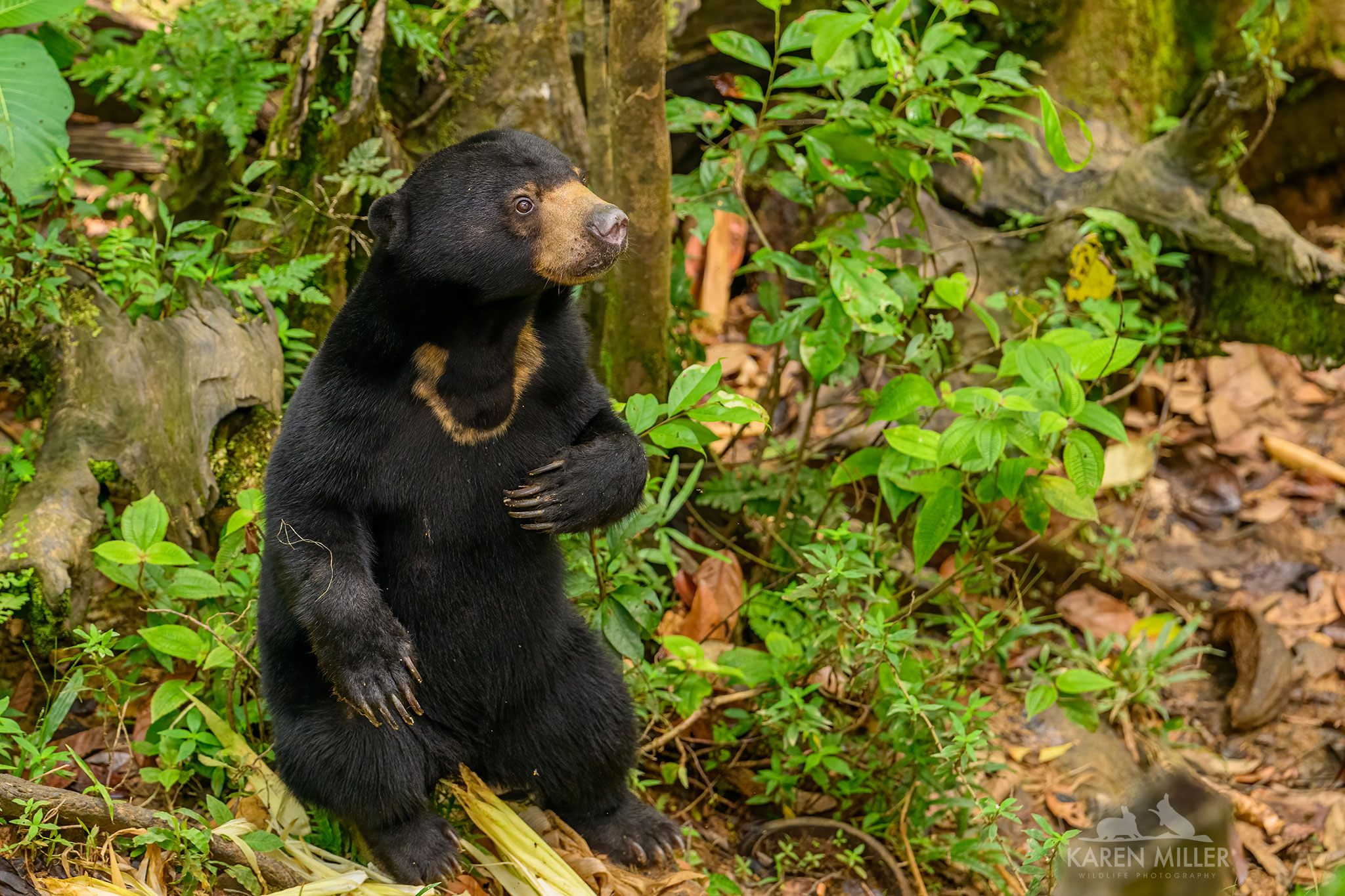
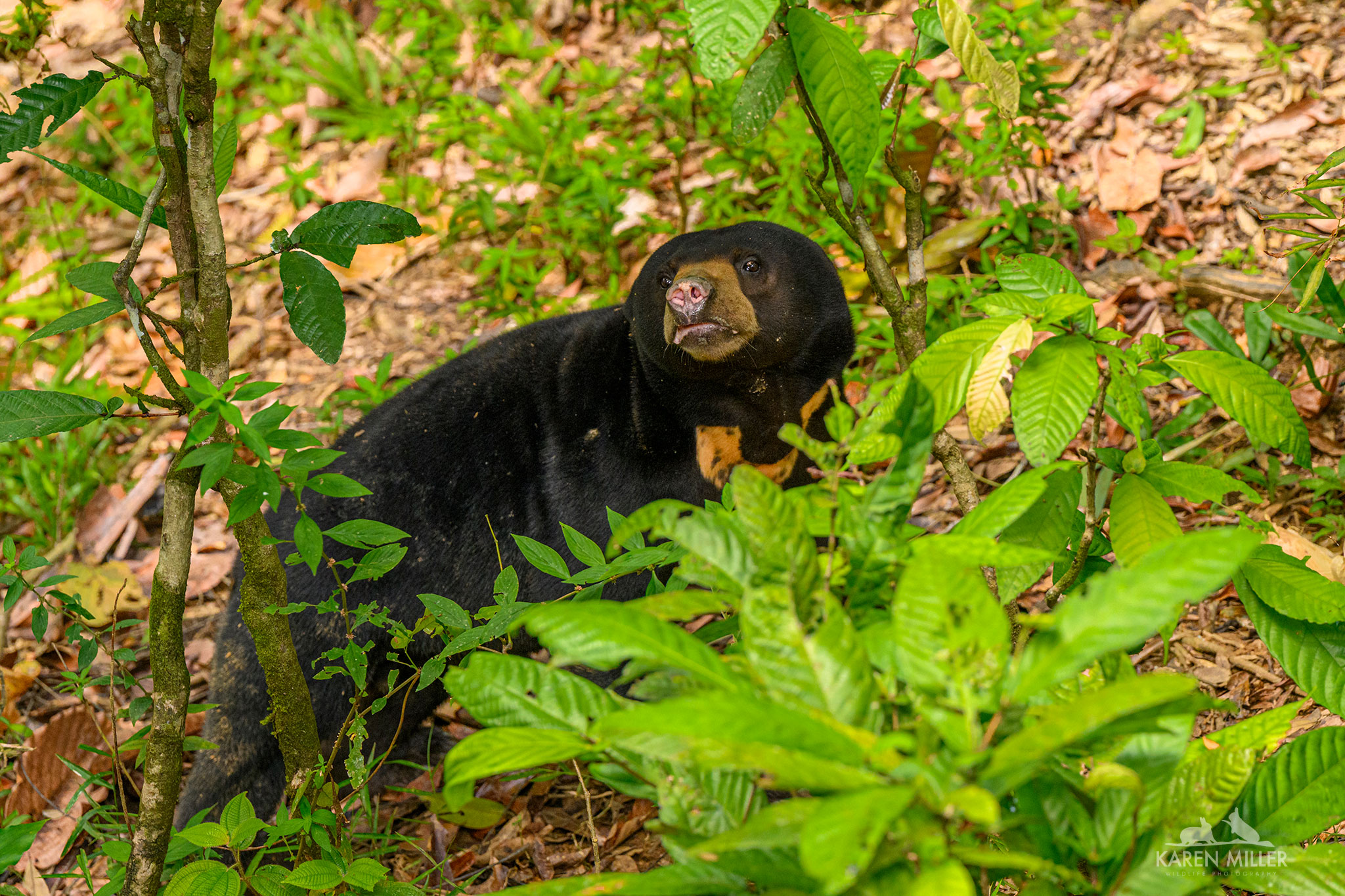
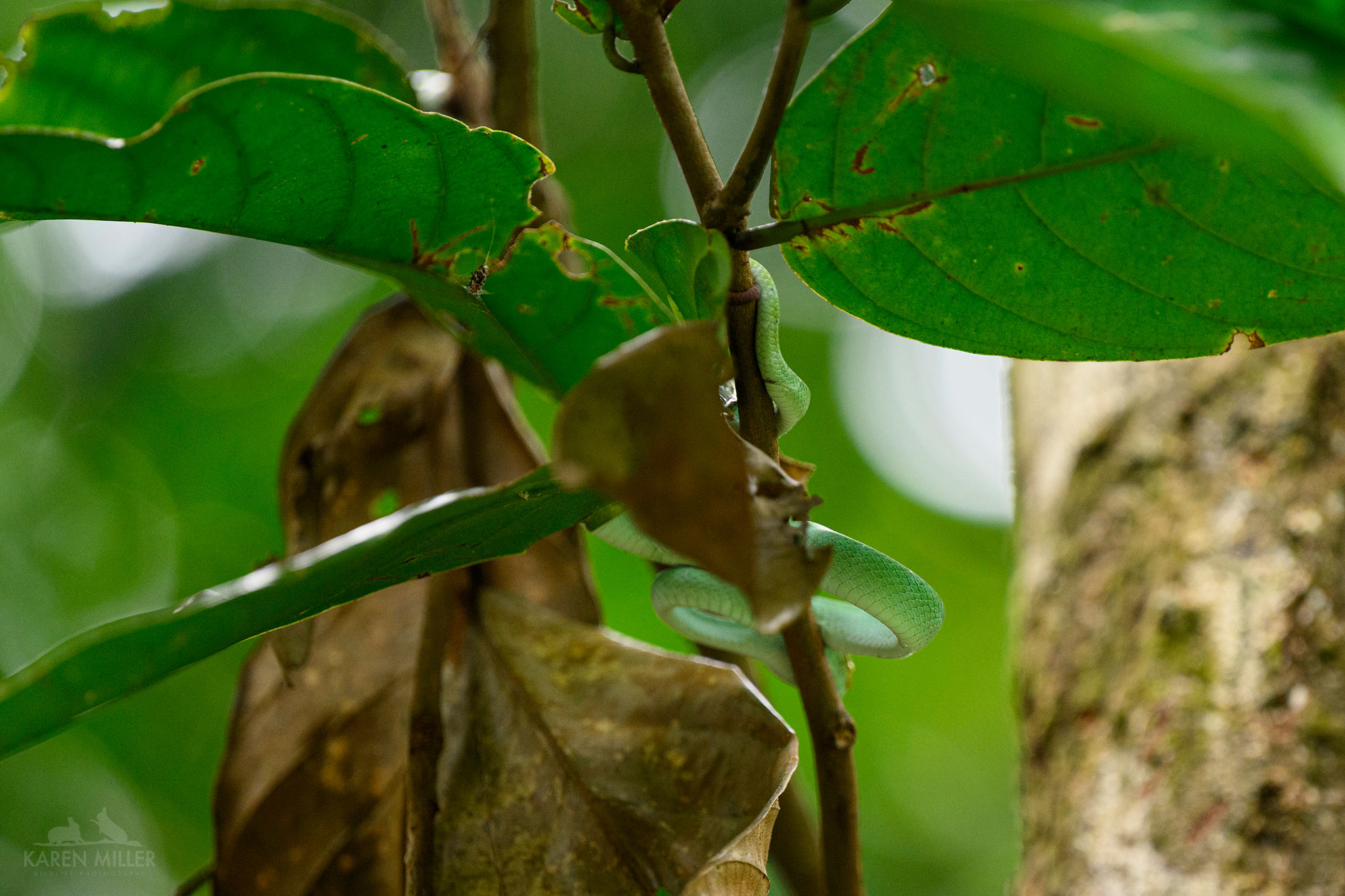
There was great excitement next to one of the bear enclosures when a snake (Bornean Keeled Green Pit Viper) was spotted!
The issue with doing places like this with a guide (or using the complimentary bus from MY Nature) is that you aren’t really able to hang around, but are ushered out after a specific period of time. I found this a little frustrating as I was more than happy just watching the bears, but we had to be back for lunch!
We had a free afternoon so took advantage of the complimentary bus to return to the orangutans for the 3pm feed. The morning ticket was valid for the afternoon session too so there was nothing to pay. The afternoon was much better. Fewer people, better light and more orangutans. If you’re doing it independently and only want to visit once then I’d strongly recommend choosing this over the morning session.
We began at the nursery again. As we arrived, before entering the building we noticed movement in one of the trees to the right, it was an orangutan. I took advantage of the natural, rope/platform free setting to take a few photos.
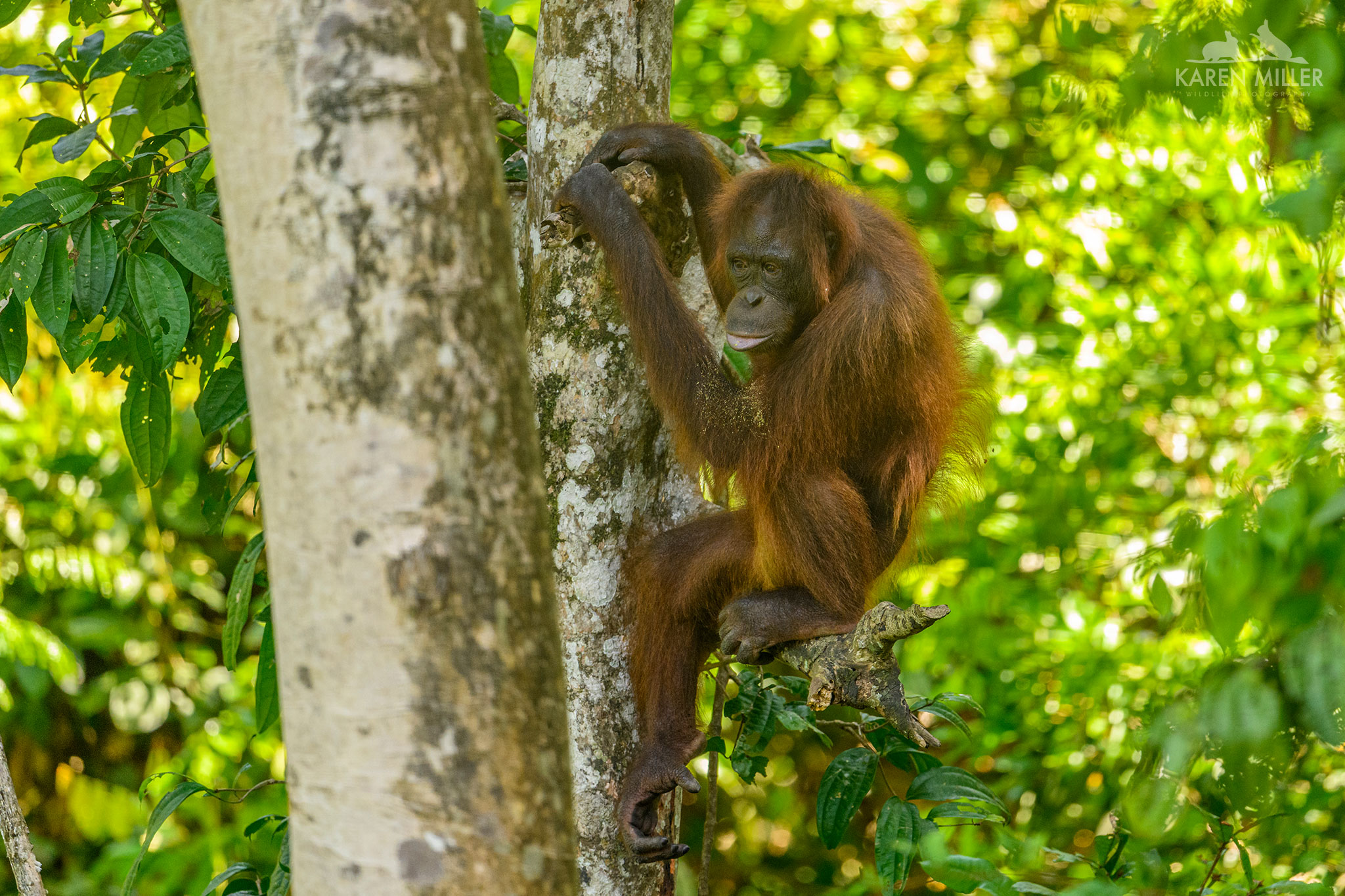
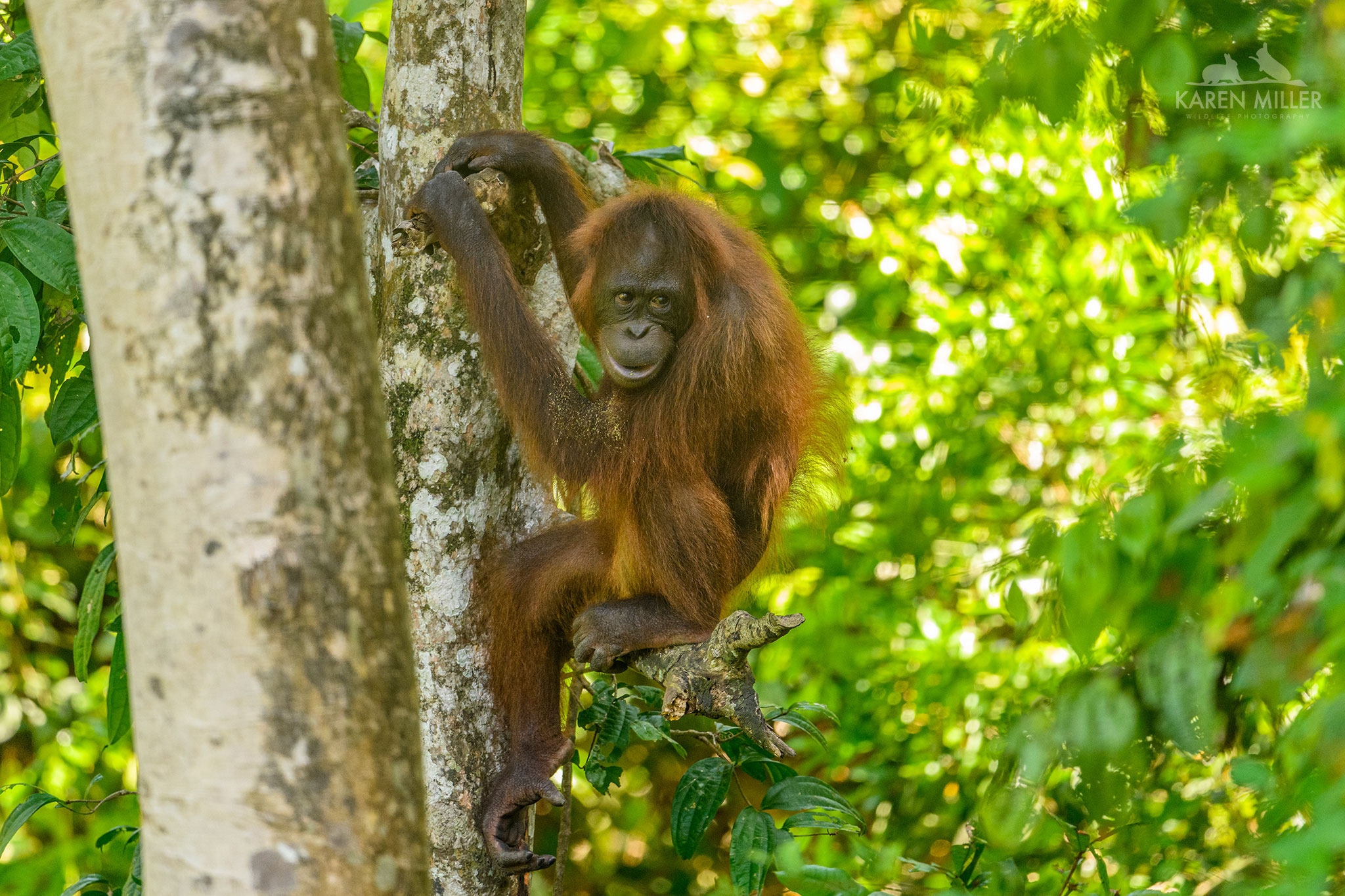
The orangutan then descended the tree and disappeared for a moment… and then she started to cross the grassy area and come directly towards us! I managed to overcome my surprise and excitement to grab a couple of images.
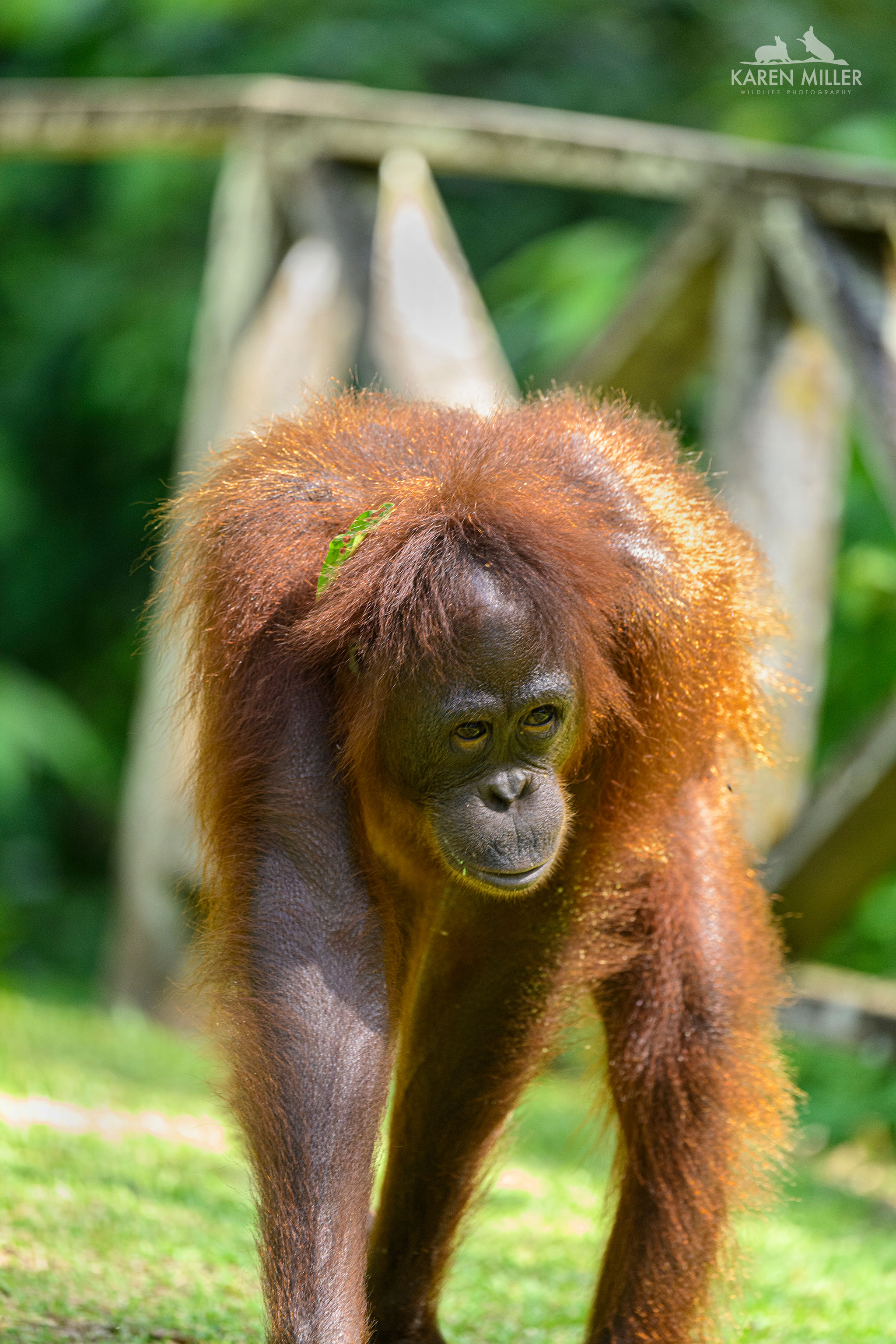
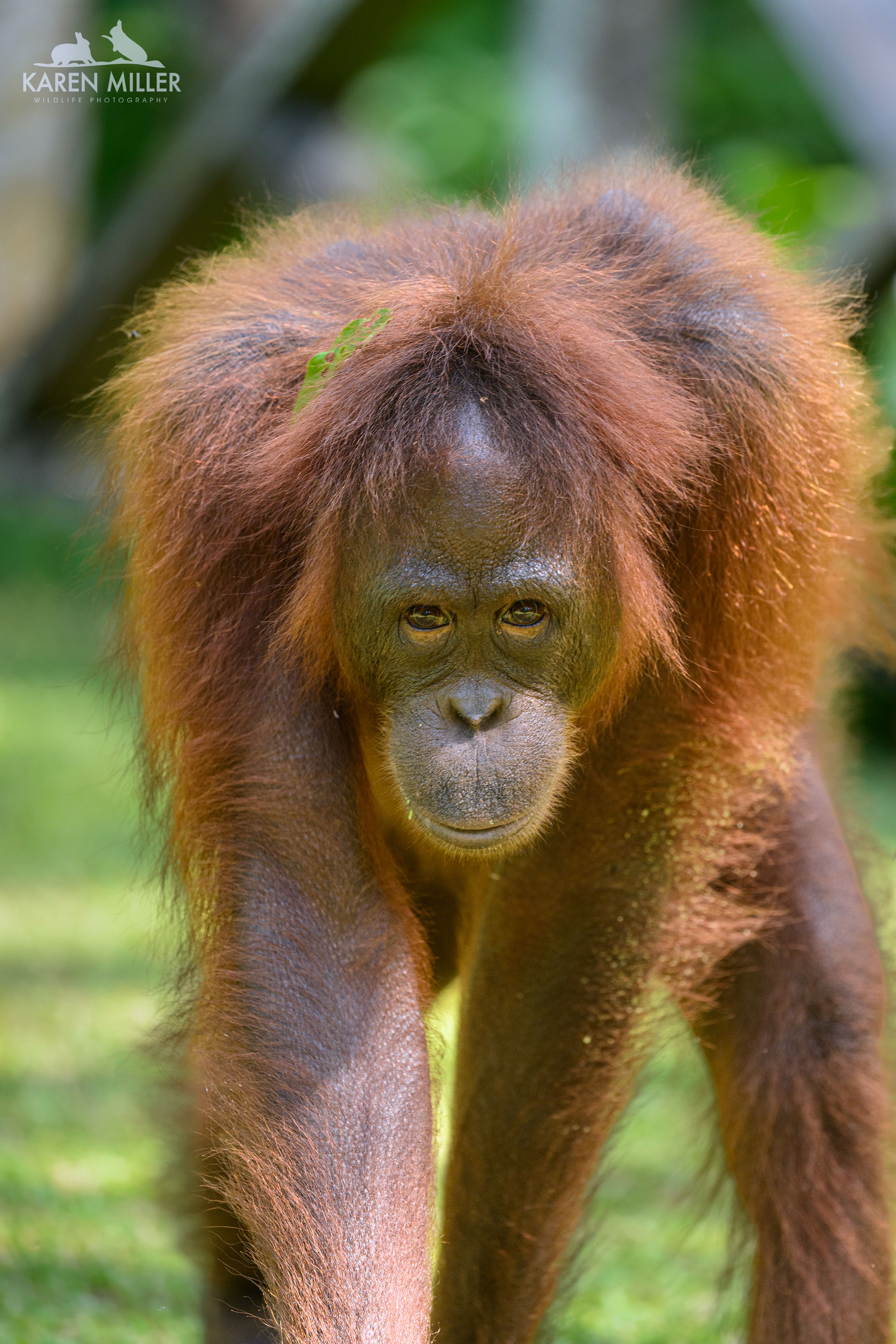
After this excitement we watched an adorable youngster at the nursery before heading to the feeding station.
This time a different mum and child appeared. The latter was much younger than the one who visited in the morning and was totally adorable. If I could have stolen any orangutan (not that I’d ever do that obviously) this was the one. Lots of photos here…
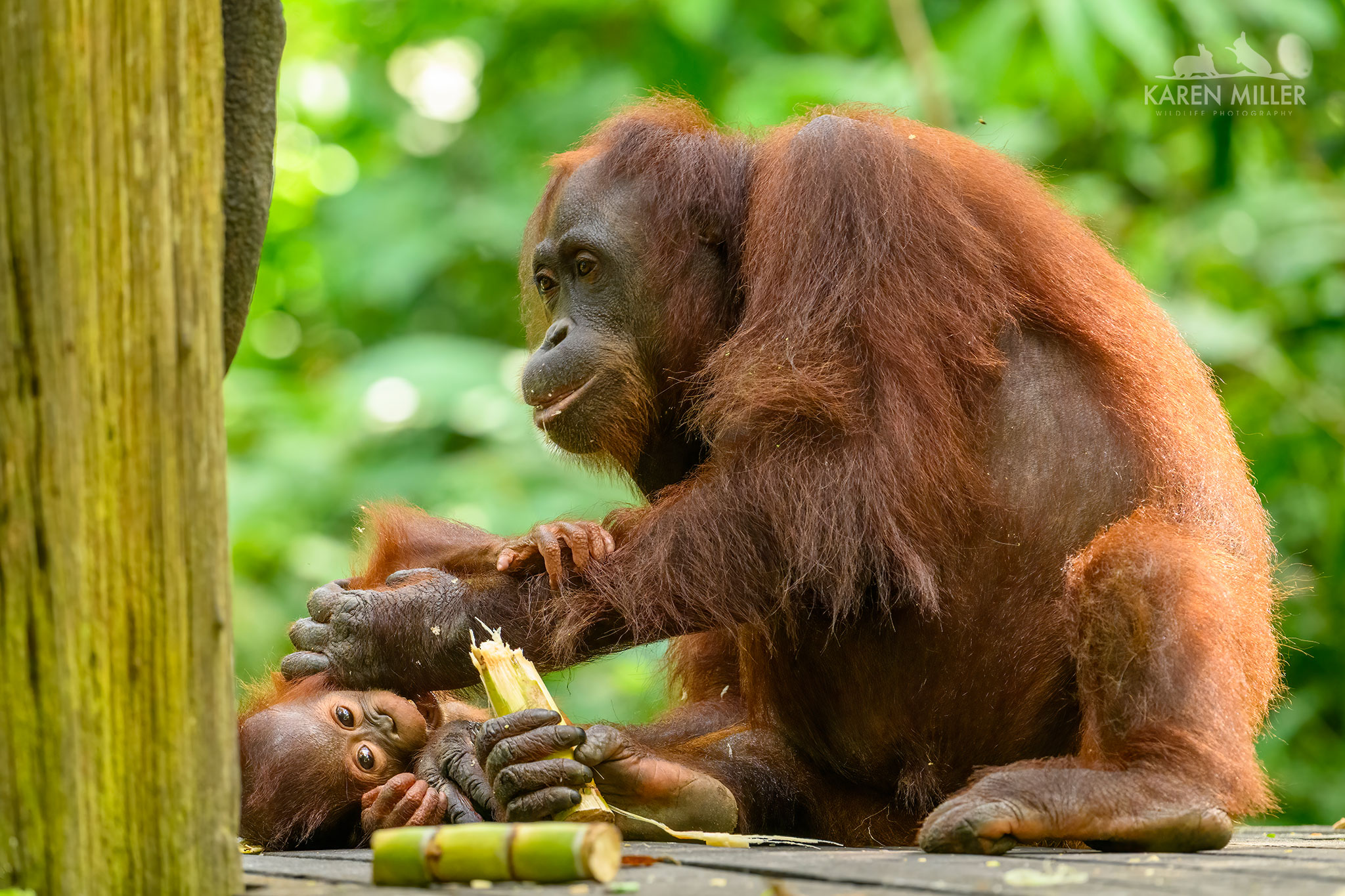

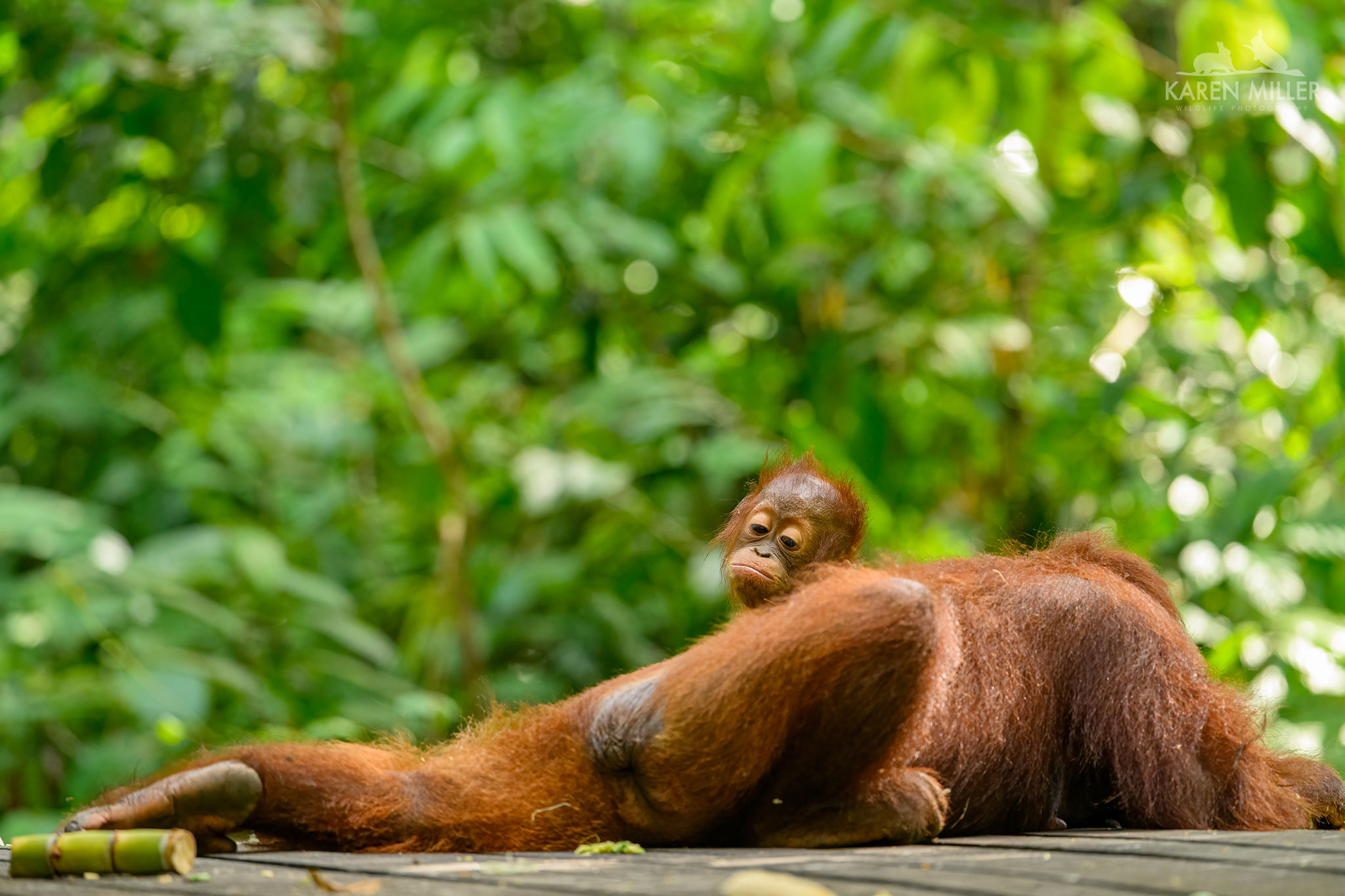
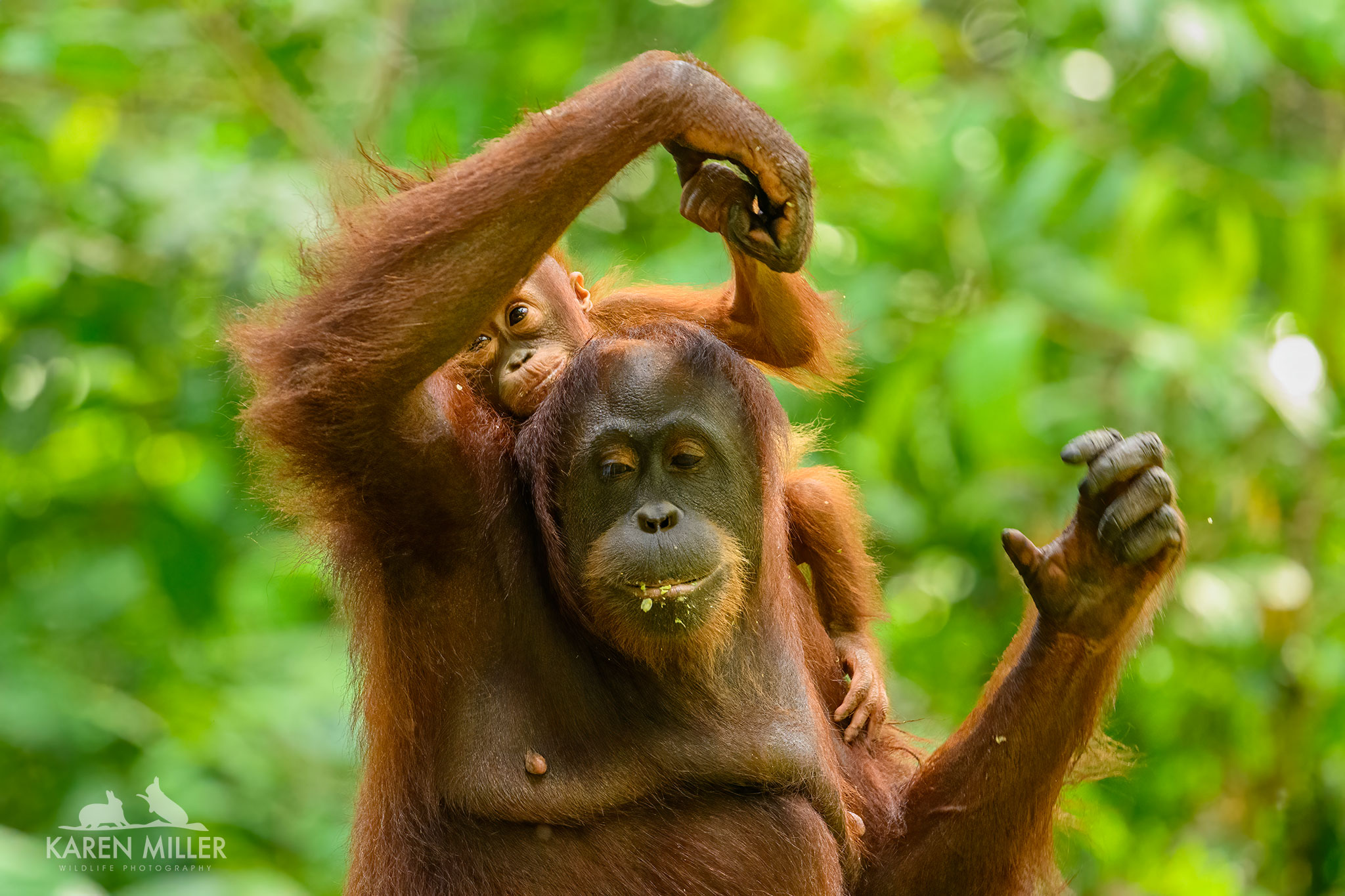
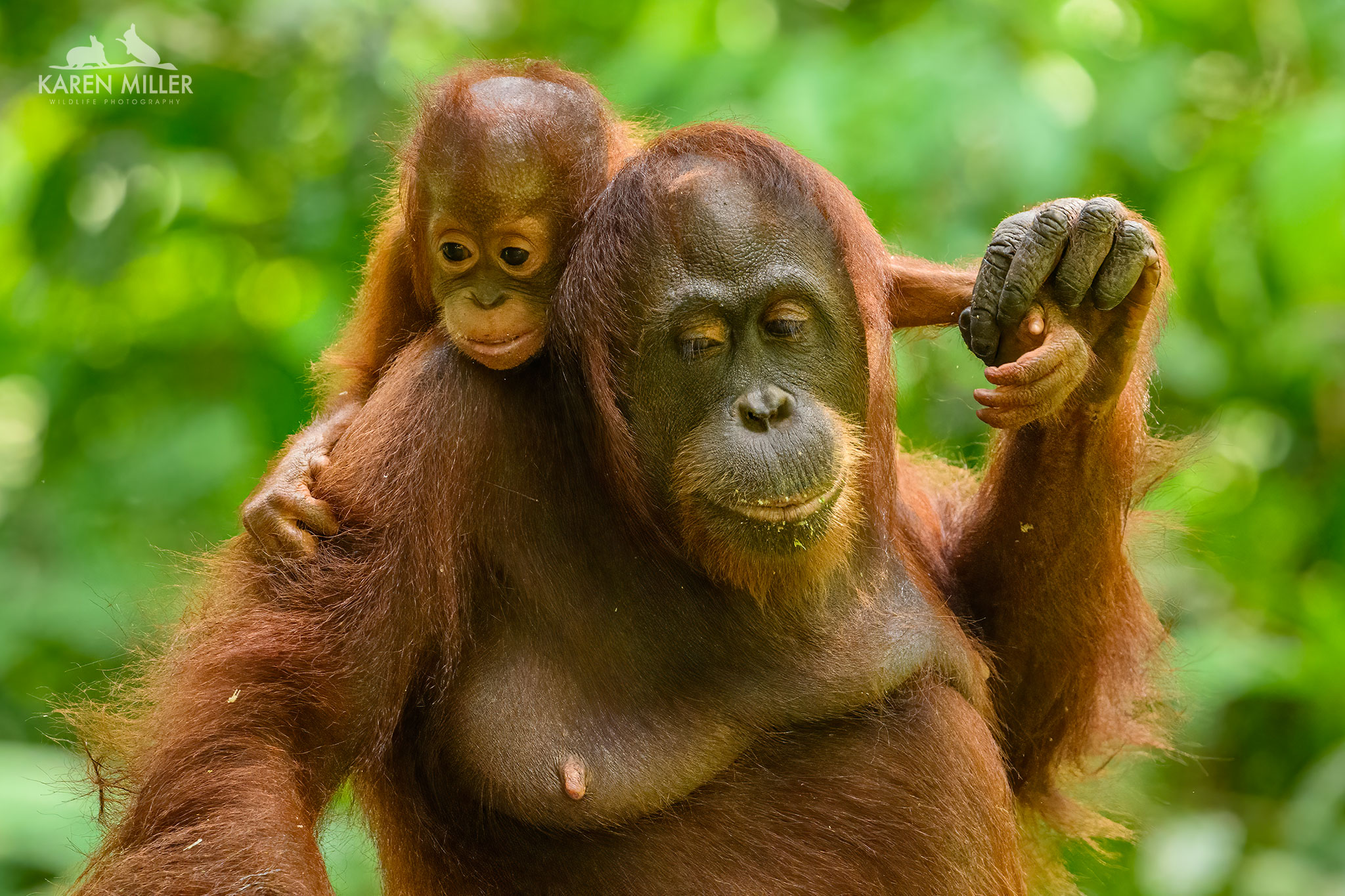
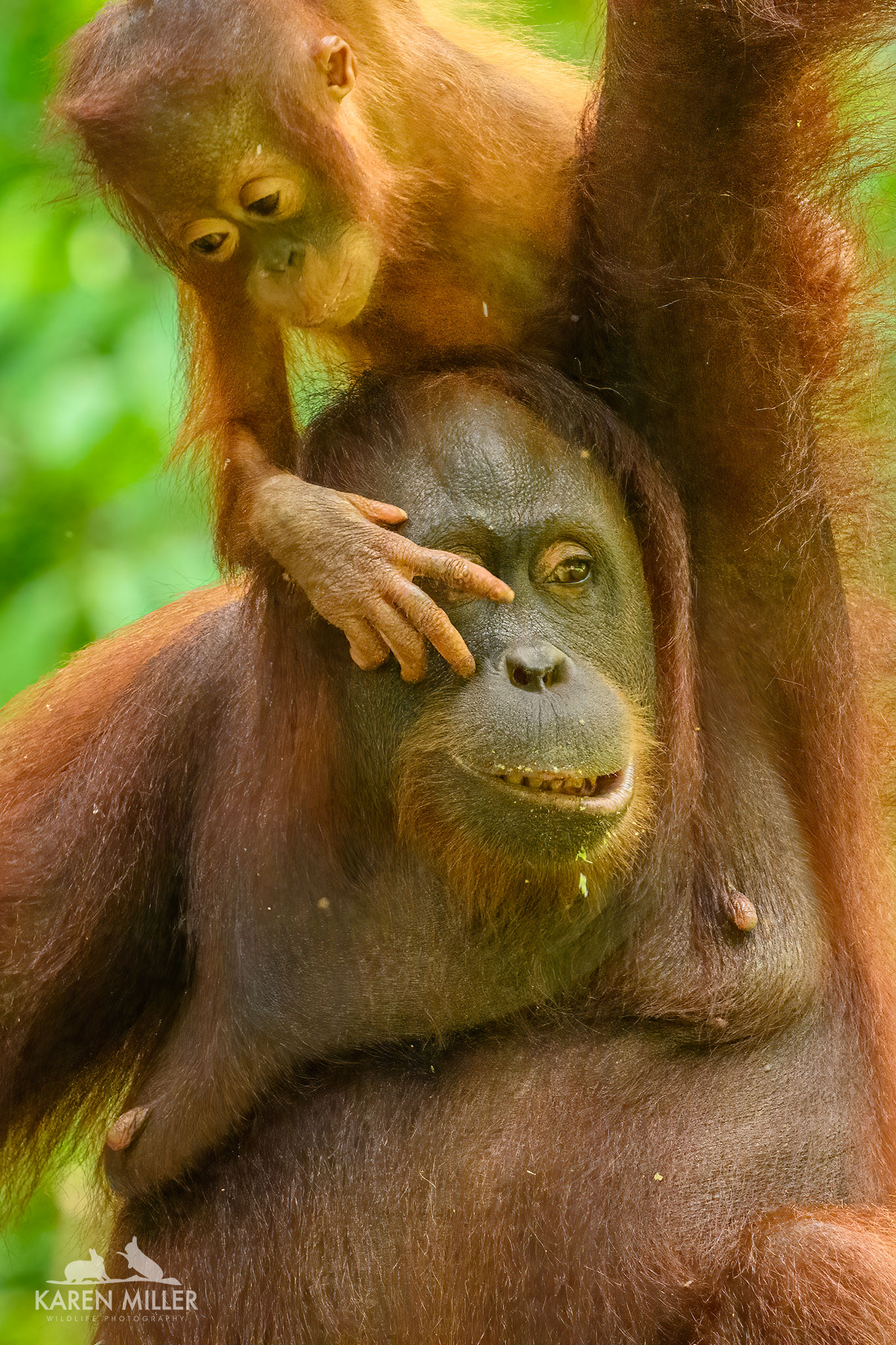
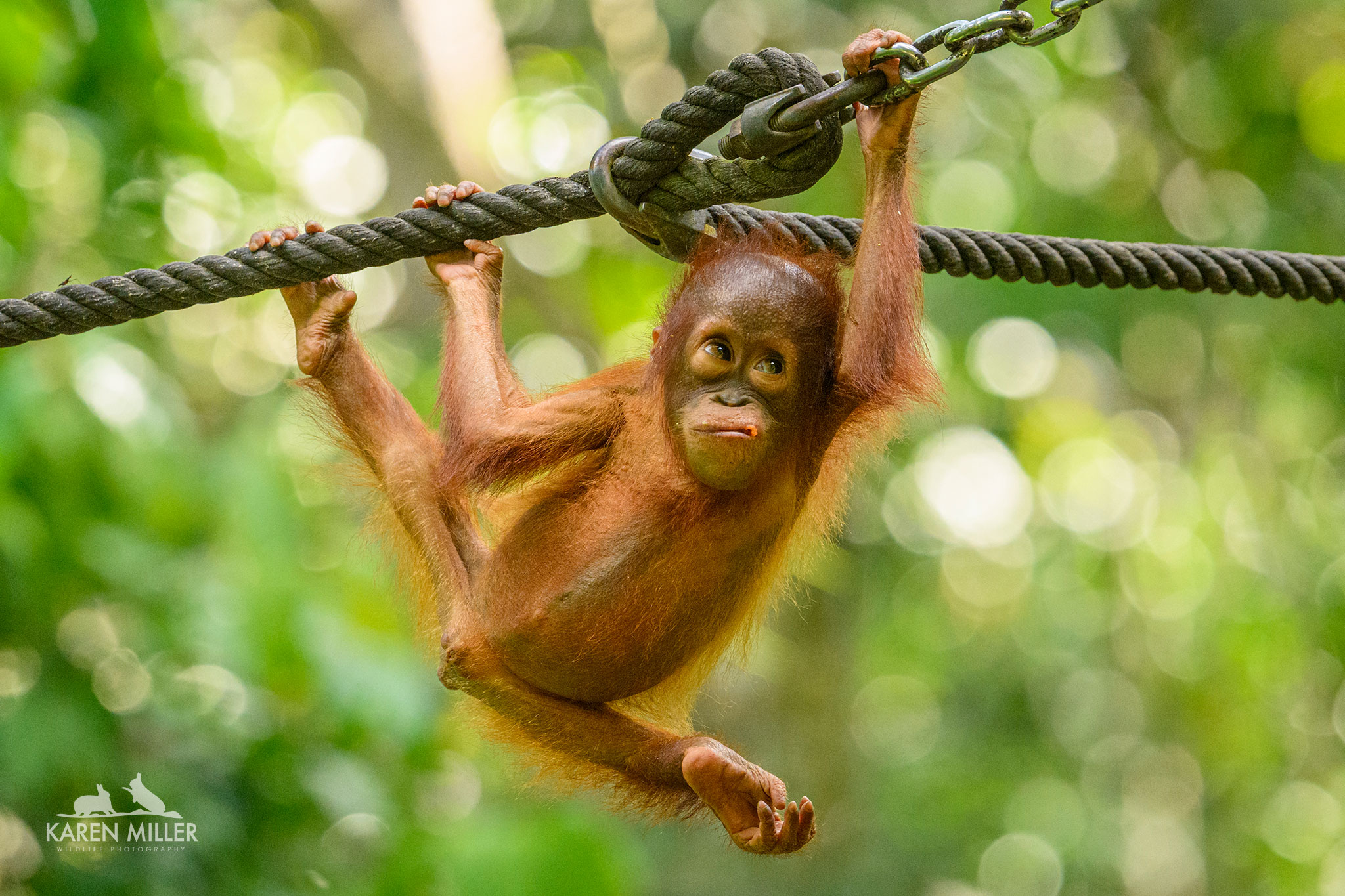


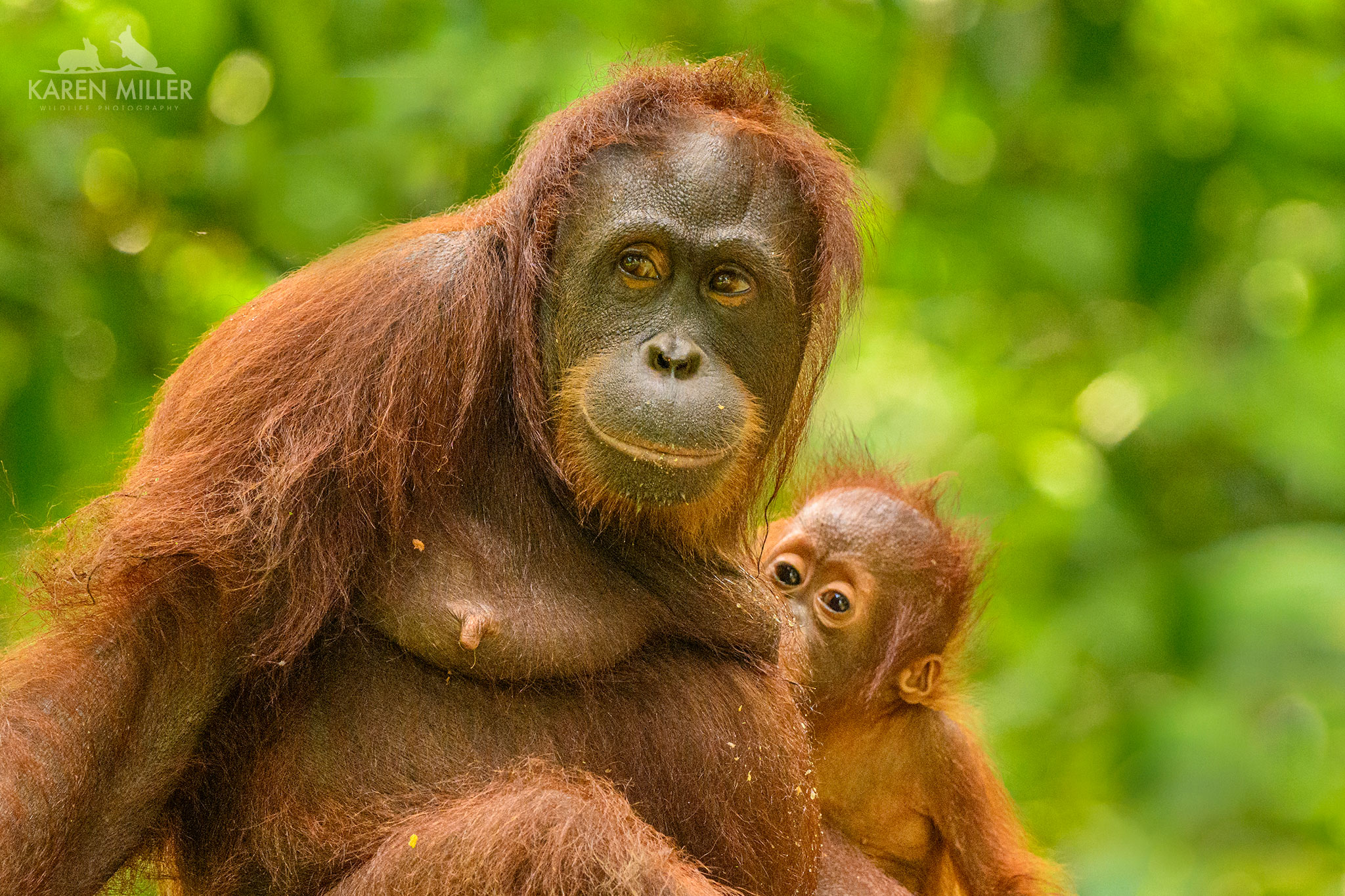
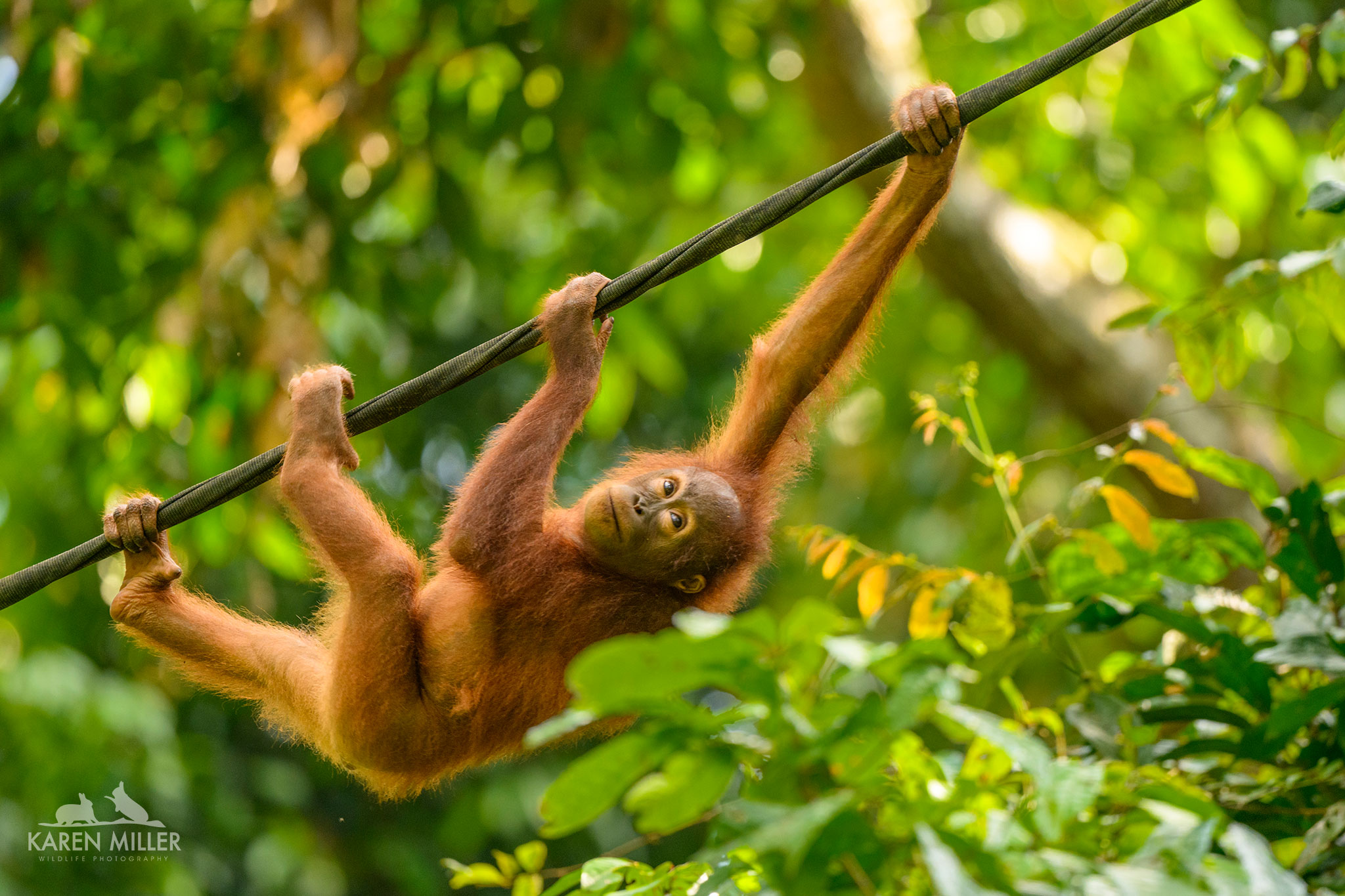
And here’s a film of the afternoon feeding session:
Black squirrels dashed down the trees to steal food too. There are many varieties of squirrel in Borneo, we saw a small selection, none of whom were anywhere near as lovely as our red squirrels, but it was still a delight to see them. This is a prevost’s squirrel I think (Edinburgh zoo now have two of these apparently).
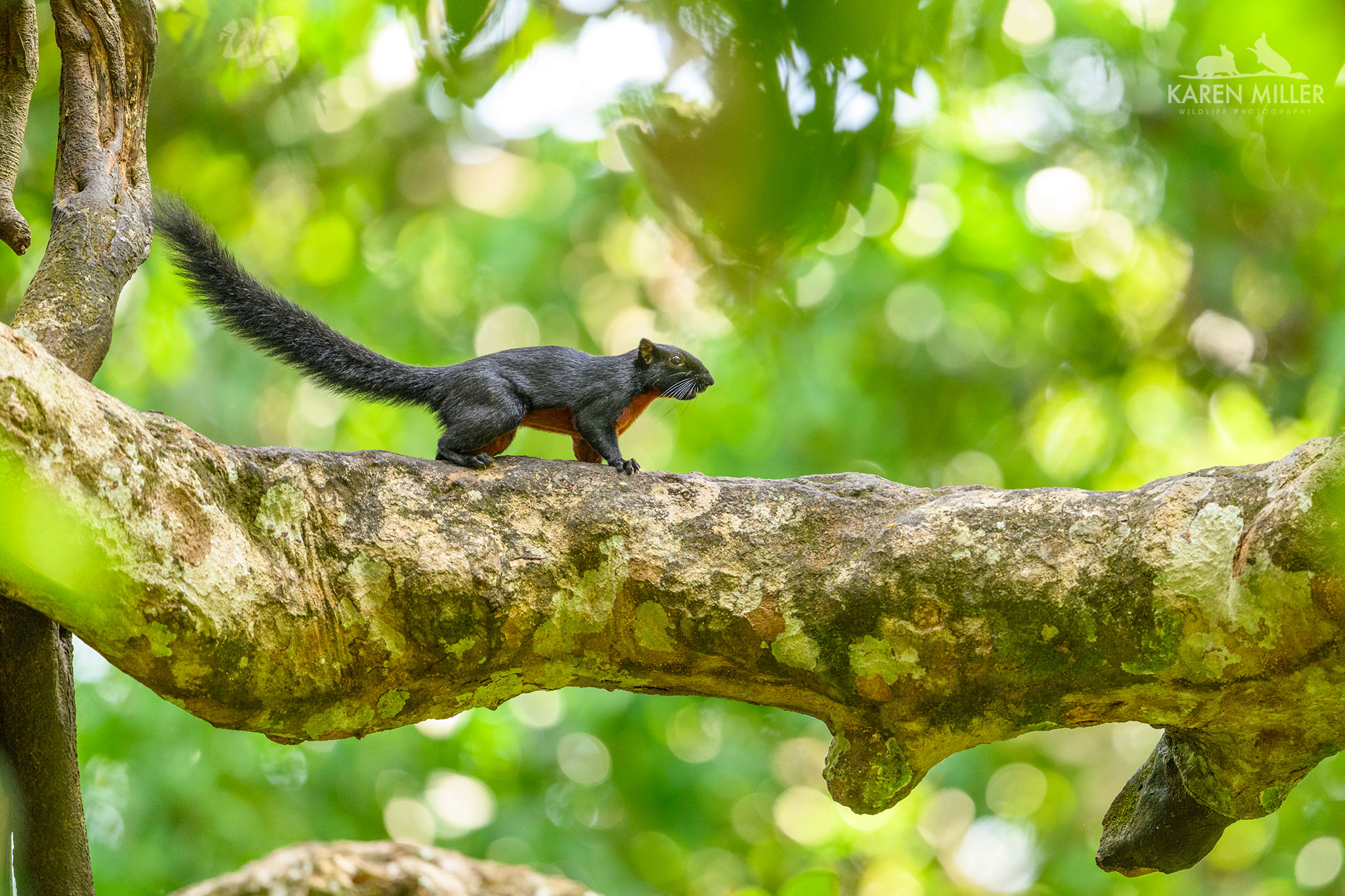
I’m so pleased we returned in the afternoon, it was brilliant.
The following morning we took the courtesy bus to the Rainforest Discovery Centre. There are a number of trails through the jungle, one high in the canopy, plus observation towers. I didn’t see a whole lot to be honest and it was very hot! Worth noting: they do a night walk which we didn’t go on, but other guests who did said it was great and they saw tarsiers which we failed to see in Kuching.
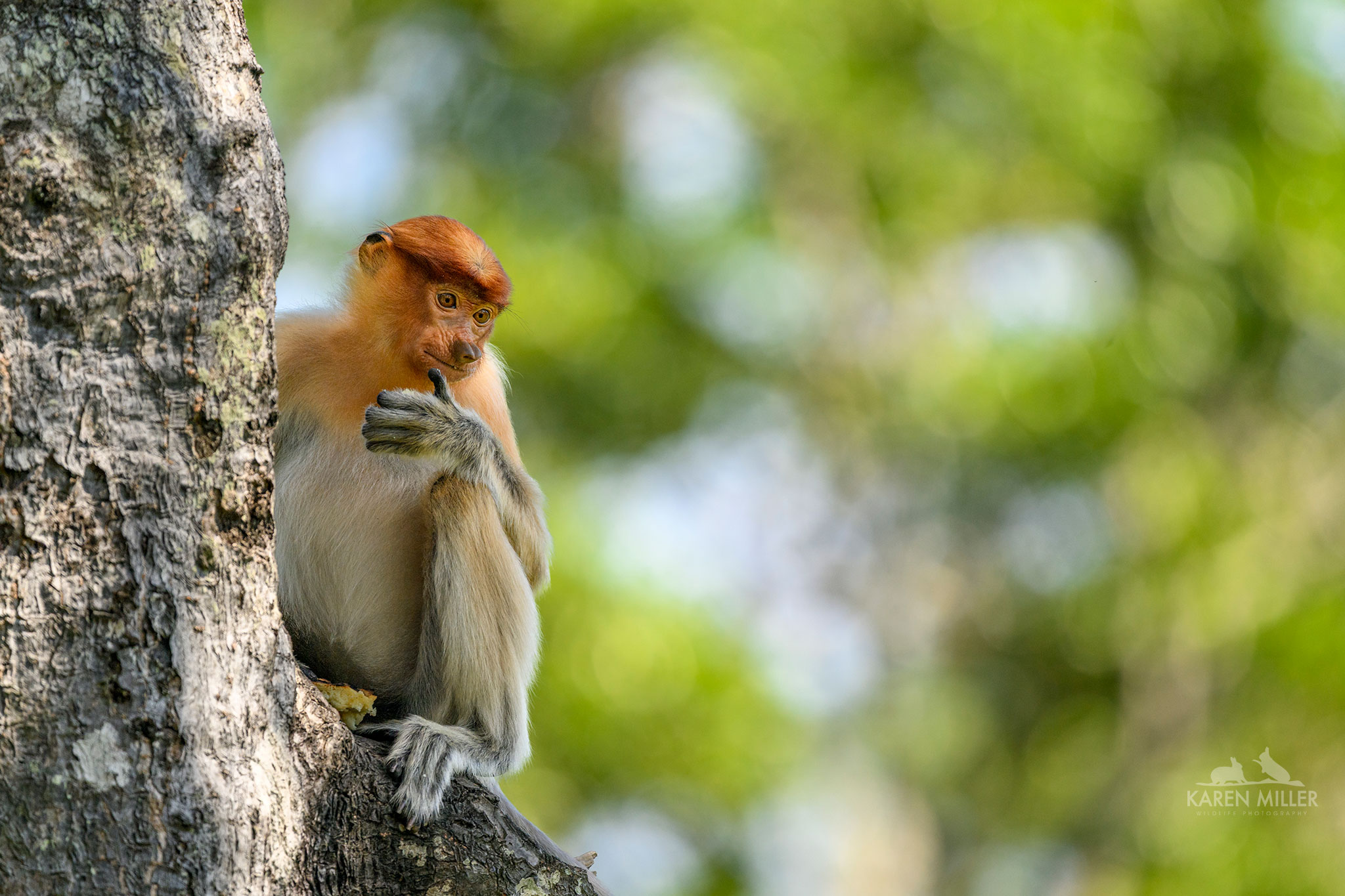
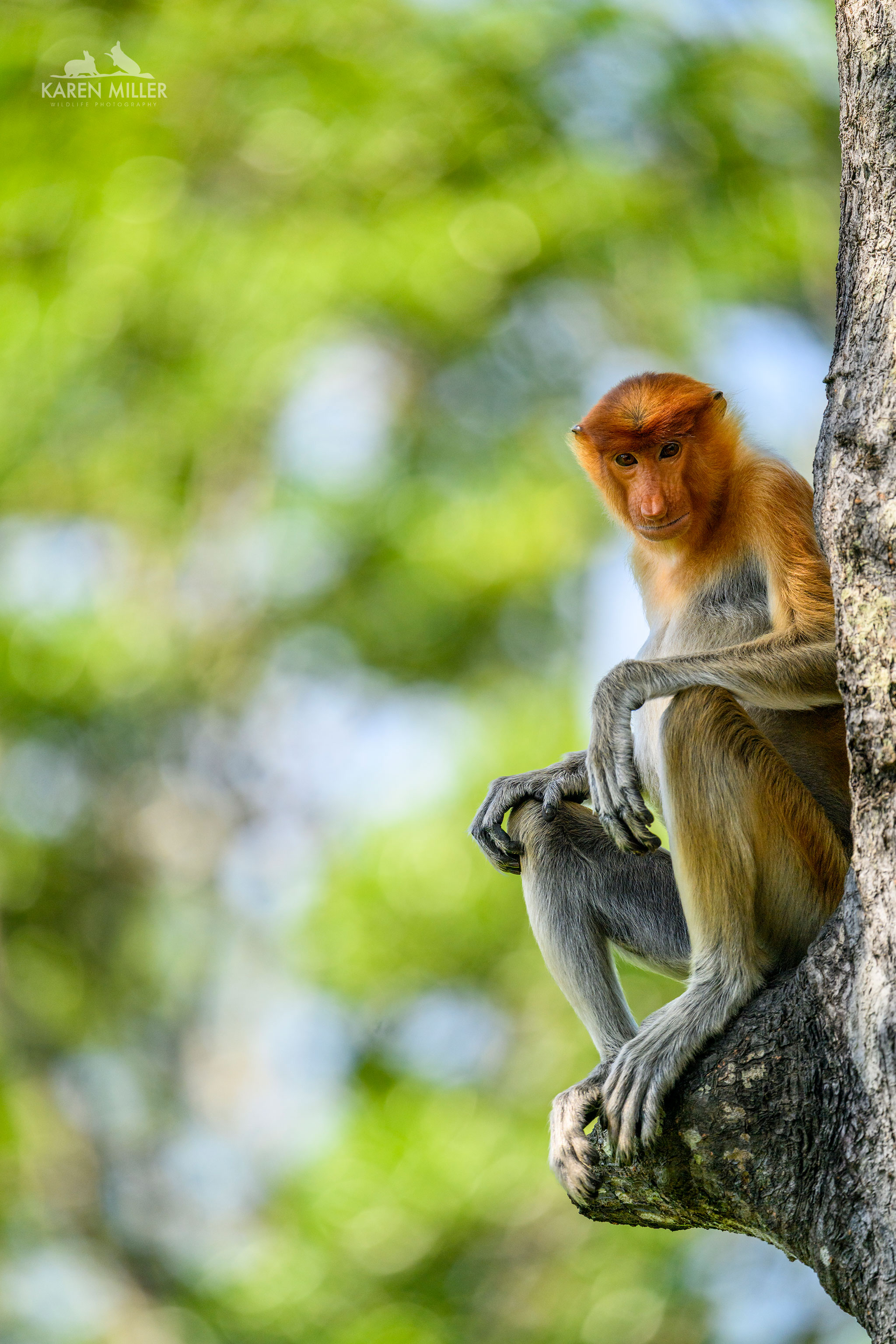
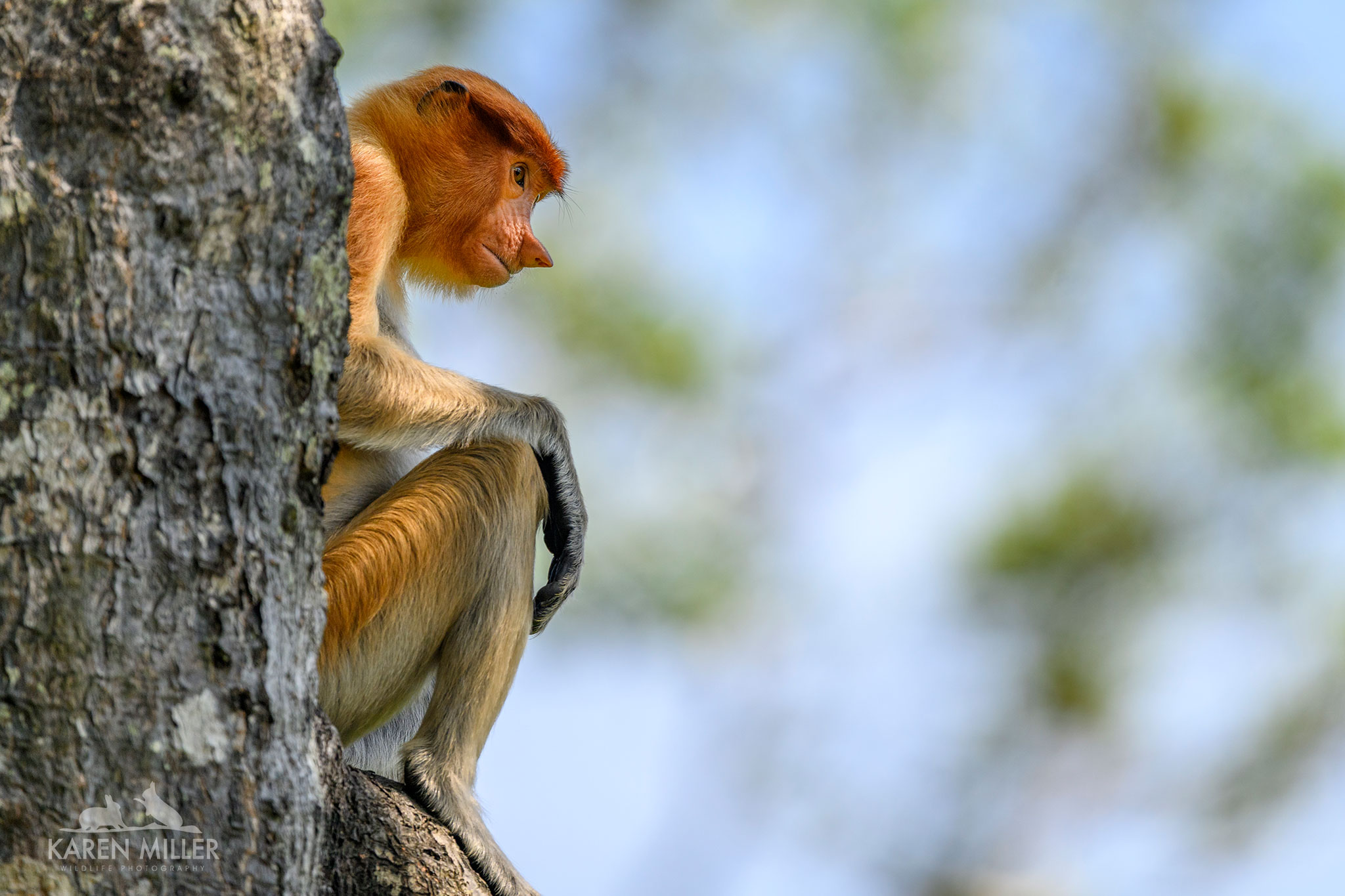
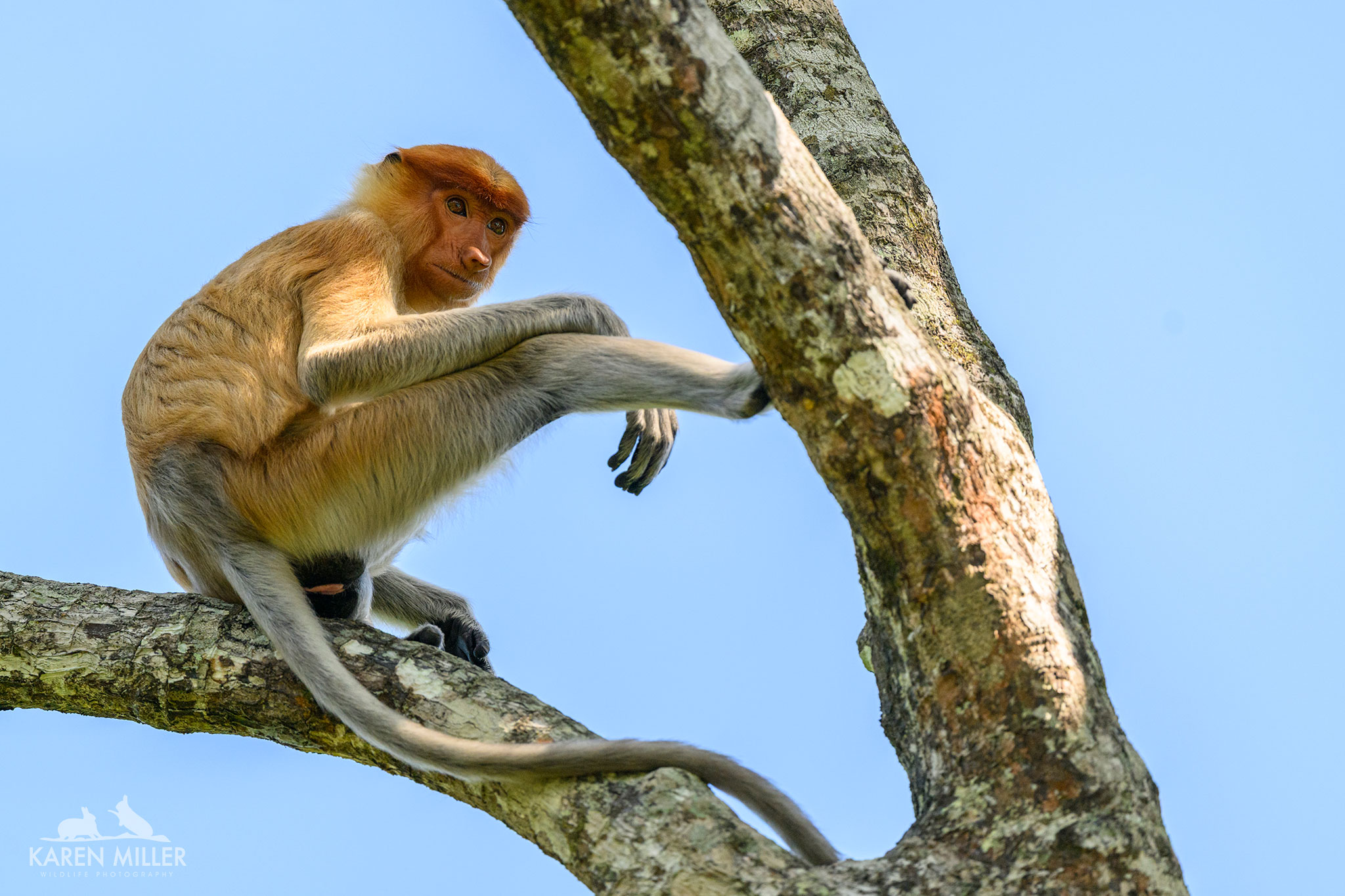
In the afternoon we had another organised trip, this time to the Labuk Proboscis Monkey Sanctuary. This is a privately owned endeavour, and is in the middle of a palm oil plantation. It’s a little controversial, because the monkeys are there because they’ve lost their habitat, and now the owners are making money out of them – not great. But, that said, there are a lot of infants and youngsters so they must be healthy and content and at least they haven’t been slaughtered. Anyway, it’s another place where there’s a camera fee but bags are permitted.
The first monkey we saw wasn’t a proboscis monkey, but a silver-leafed one. They moved so fast through the trees we couldn’t really get a good look, but exciting to see nonetheless and we’d have more opportunities to watch this species in Kinabatangan.
There are two afternoon feedings here and we were at the first. I confess I’d have preferred the later one (which we were originally scheduled to do) because the light would have been slightly less harsh, but that said it was a very enjoyable hour. Two separate family groups came down to two different platforms. They are such amazing monkeys and a delight to watch.
One of the dominant males was sitting in a tree very close to the boardwalk when we arrived. These males (often called by the guides “Big Daddy” have prominent noses and permanent erections (can’t miss it). They are chunky beasts! Females and the other males don’t have the long nose, but shorter pointy ones.
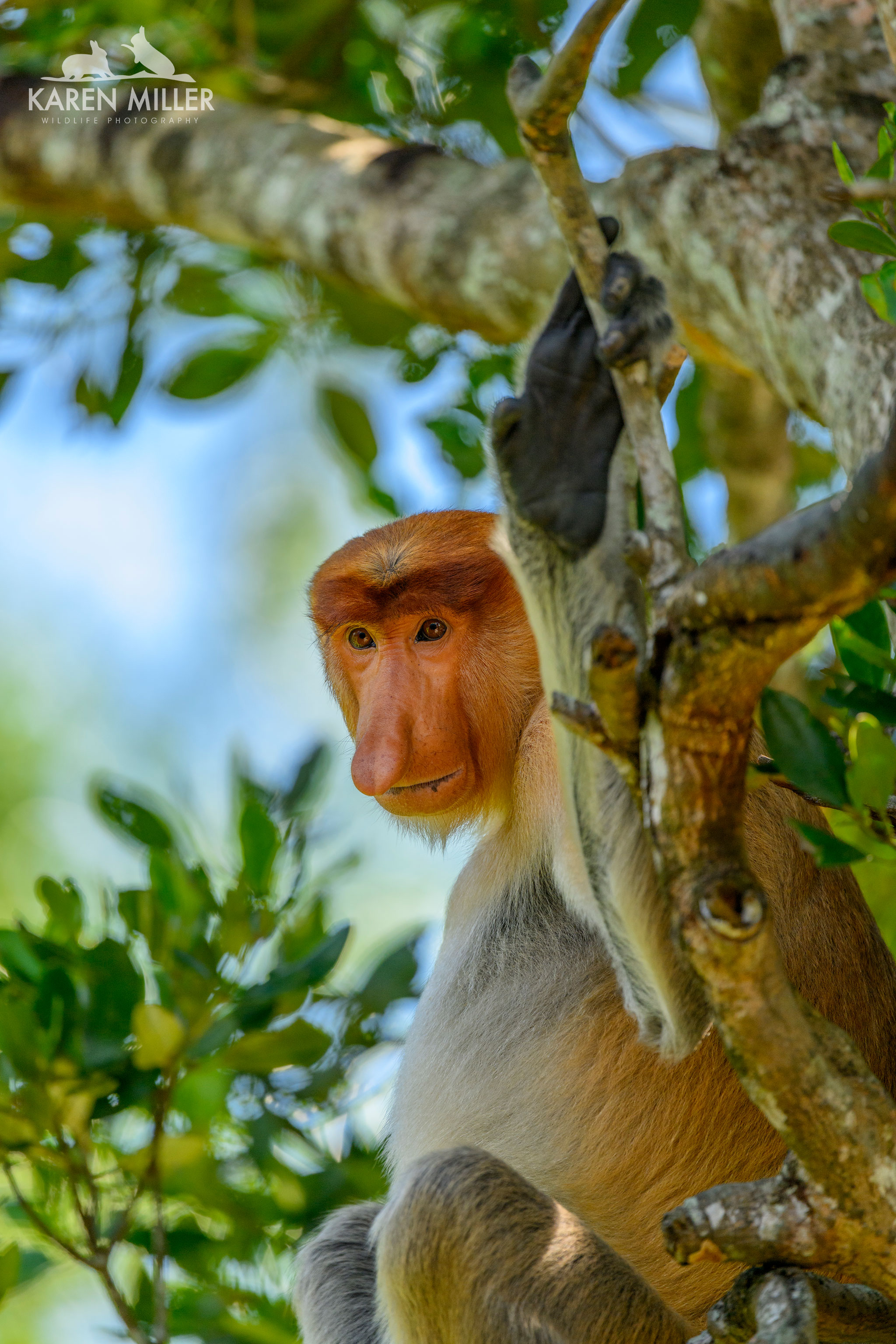
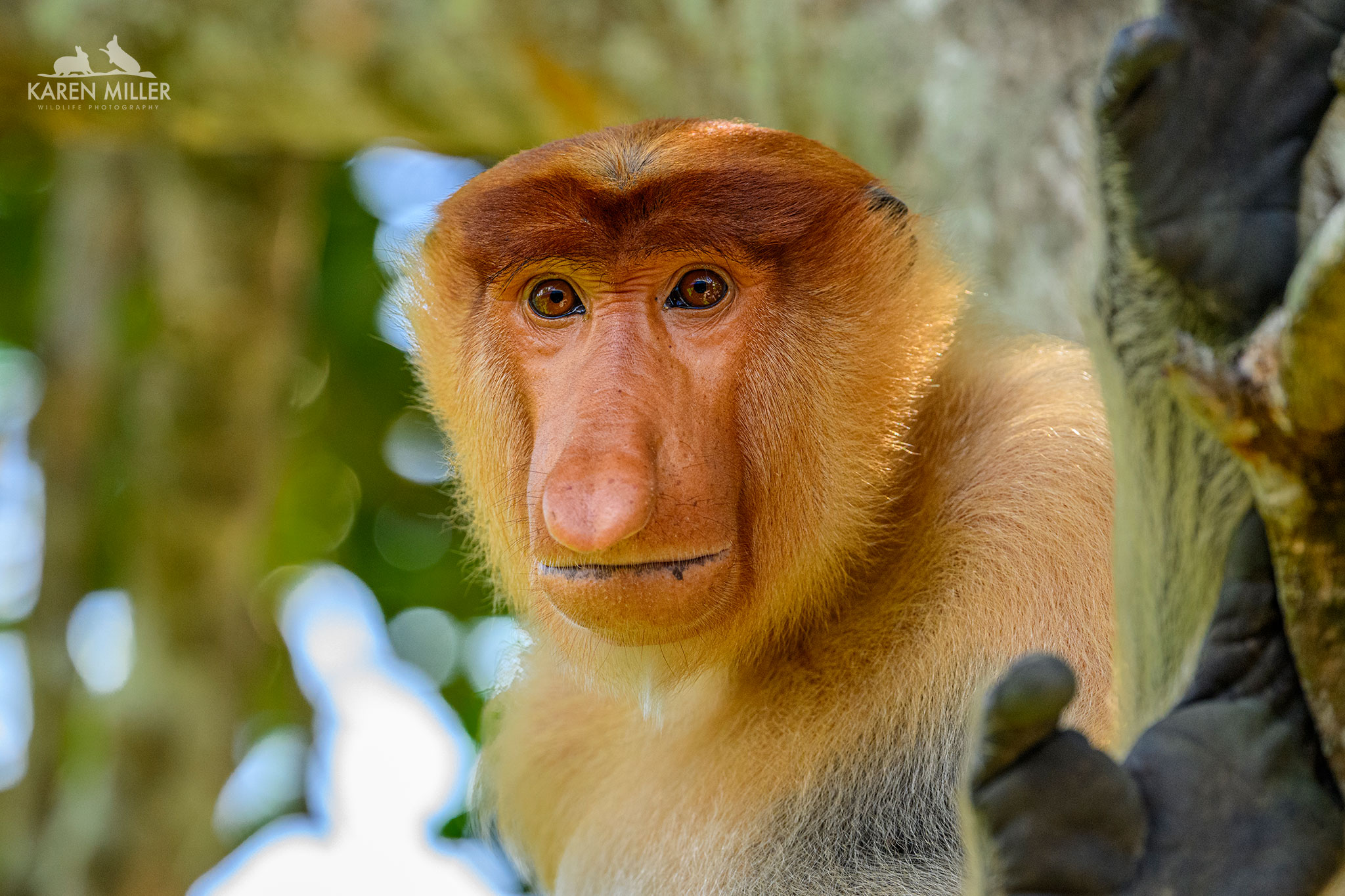
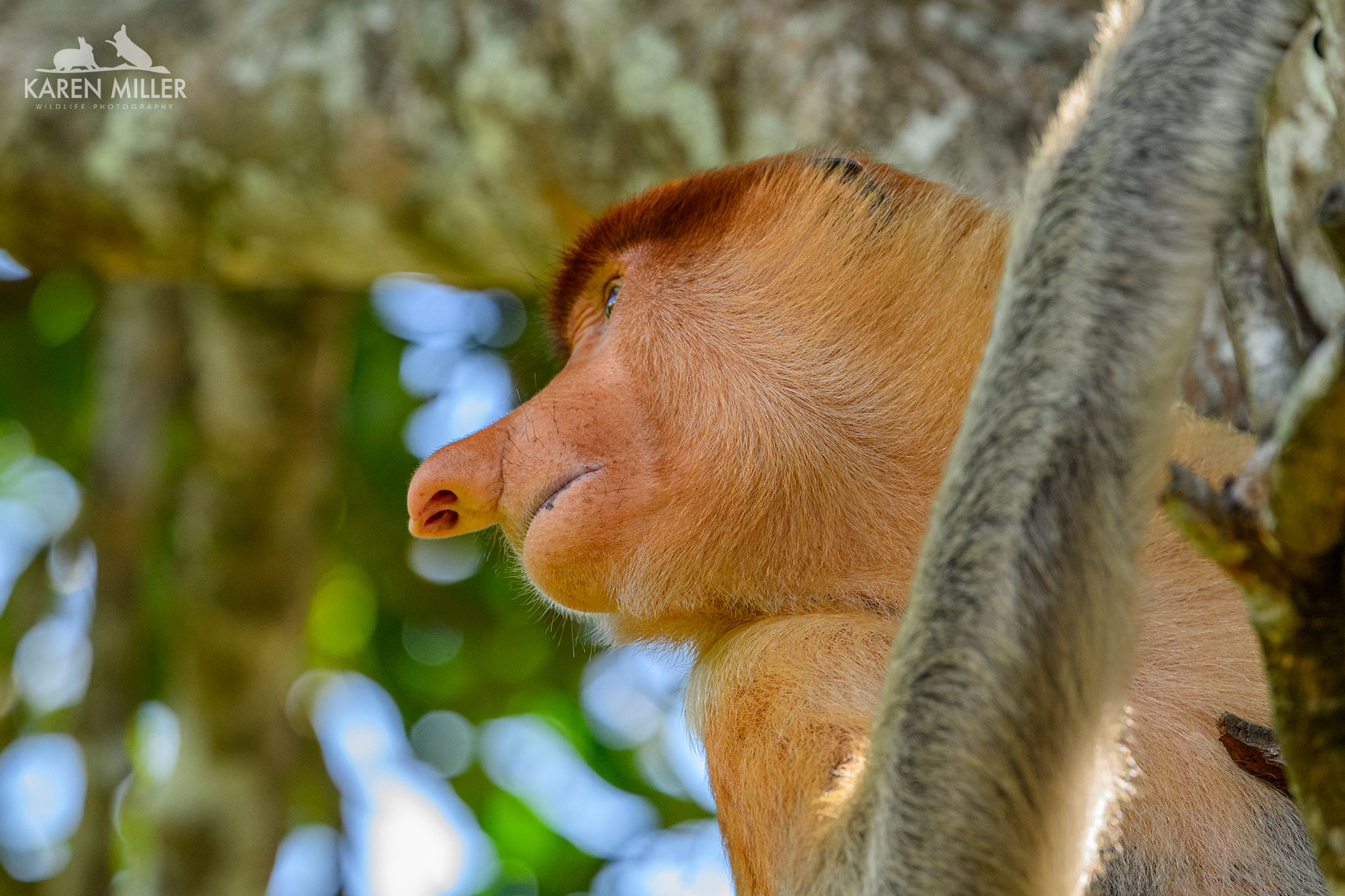
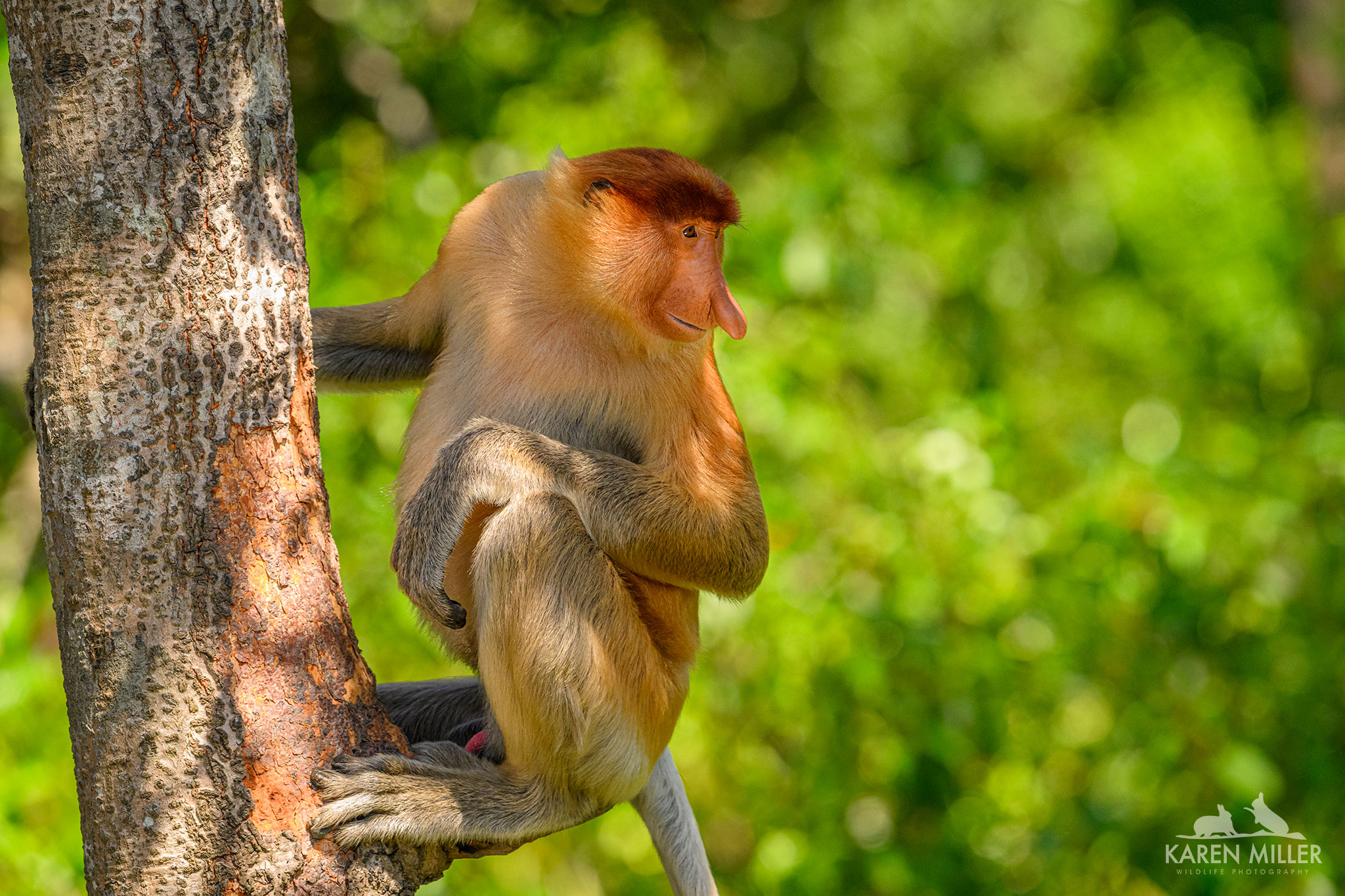
Once the food was put out monkeys of all ages appeared from everywhere, would grab something to eat and often climb a tree to eat in peace. The mum and little baby were my favourites, the obvious bond between them was really special to behold.


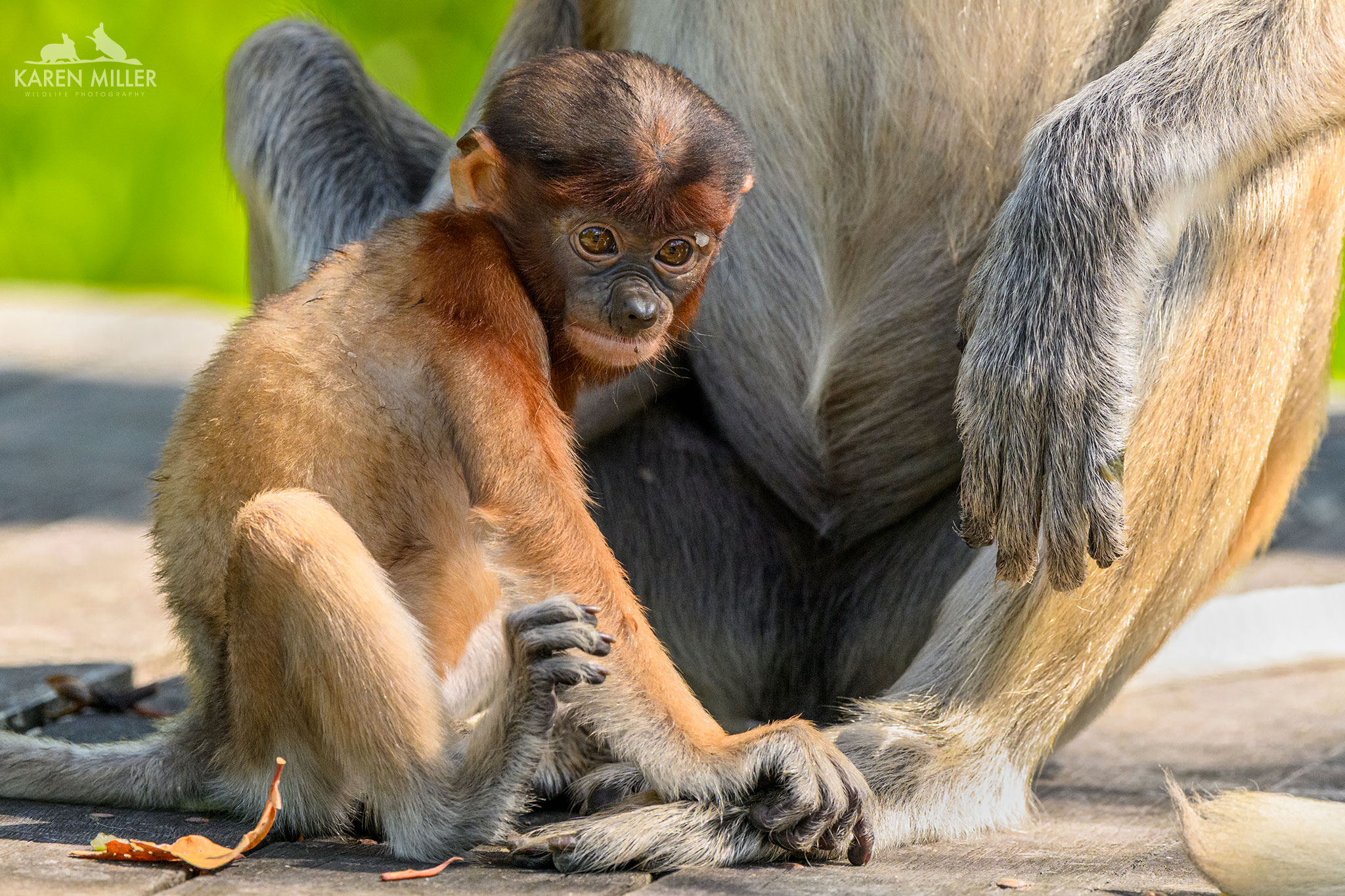


And, yes, I filmed this too!
Squirrels made an appearance here too, brown ones this time, keen to share in the spoils. This one is possibly a plantain squirrel.
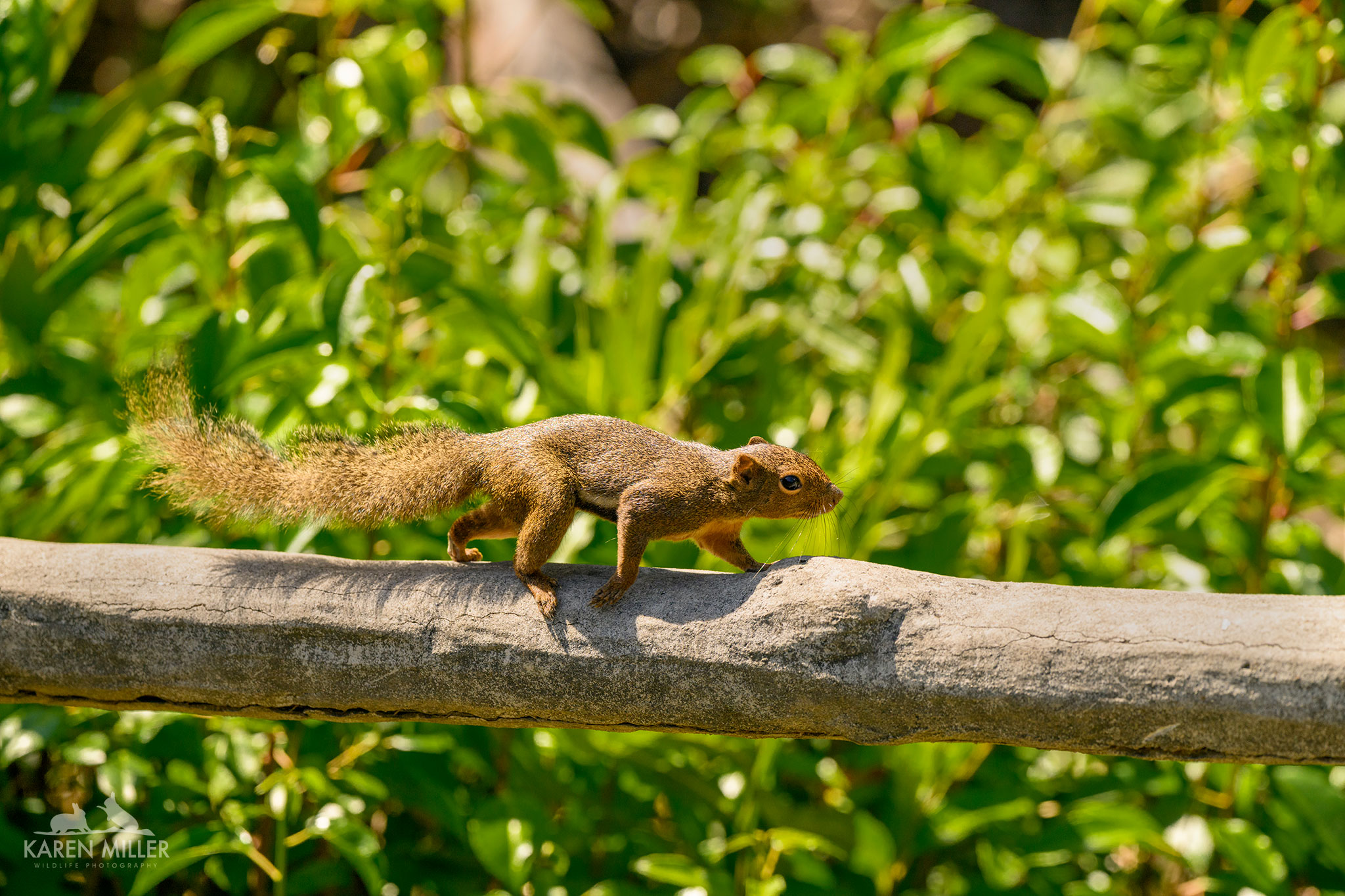
We were to have many proboscis monkey sightings at Kinabatangan, and seeing truly wild ones was obviously so much more rewarding, however, this very close encounter was wonderful. They are amazing animals.
That was almost it for Sepilok. On the final morning we explored the boardwalk through the forest (before the macaques made us divert). Plenty of insects on show. I’m not going to even try and figure out the species’ of dragonfly as I still stuggle with identifying local ones at times!
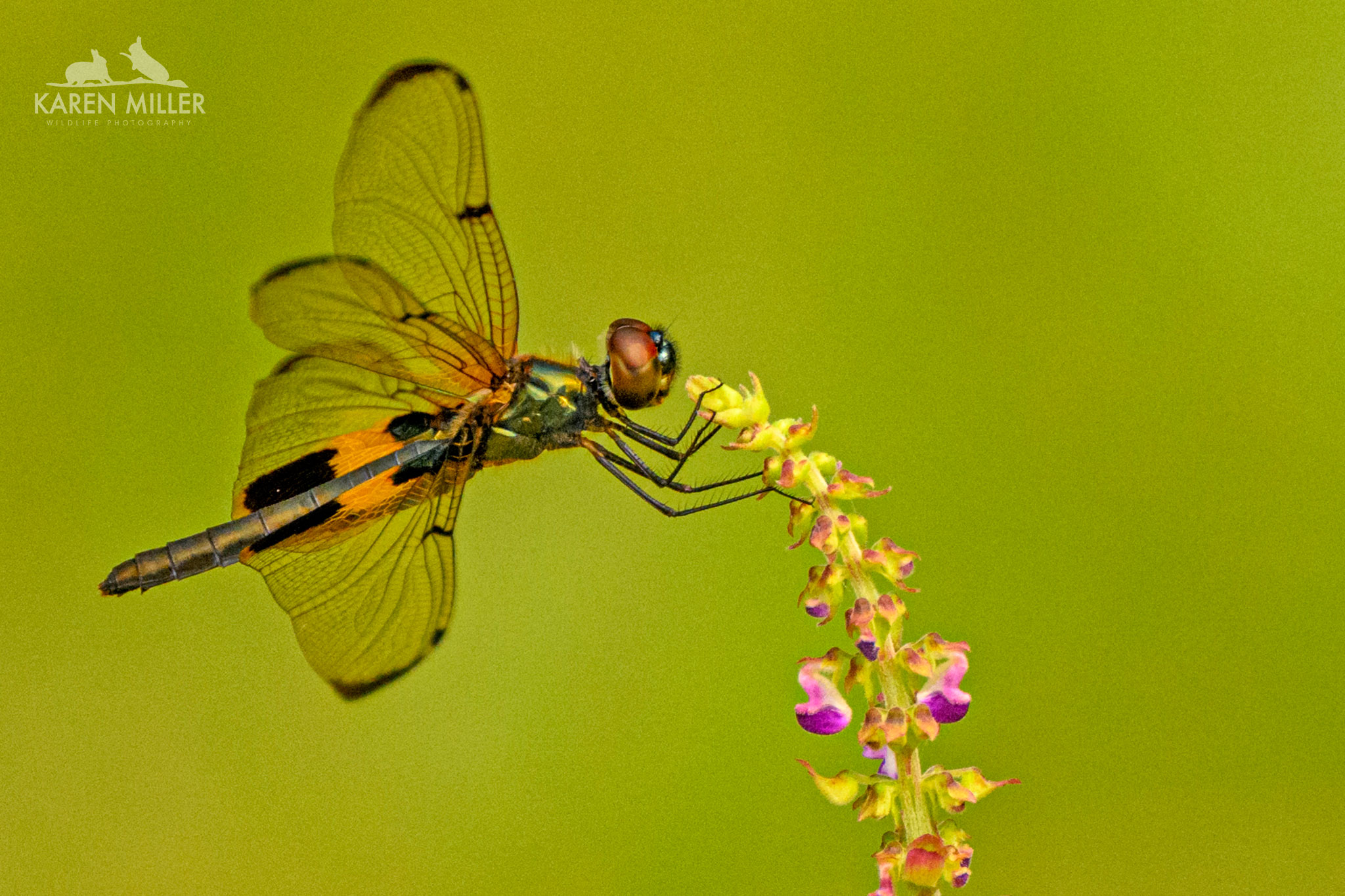
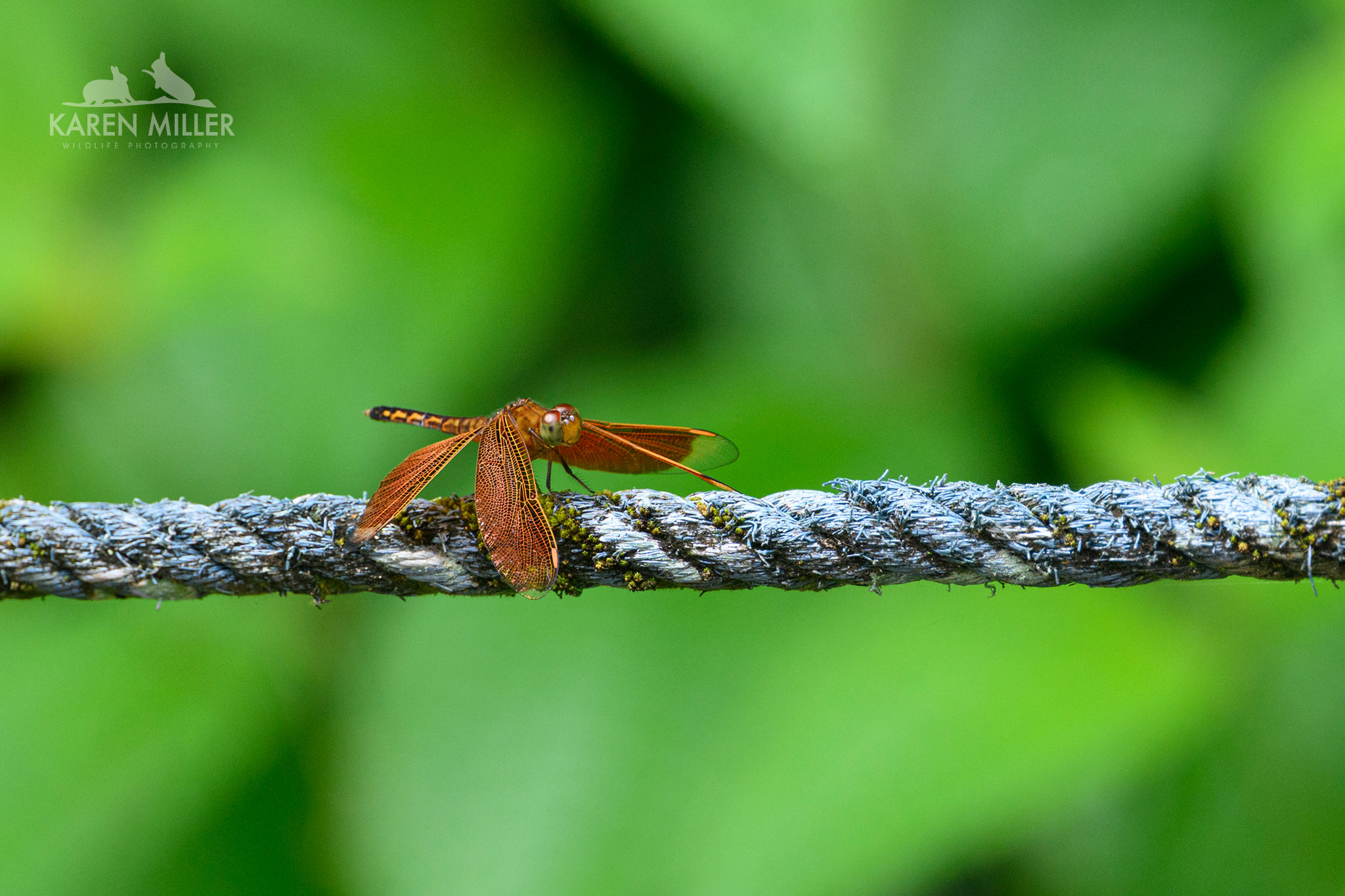
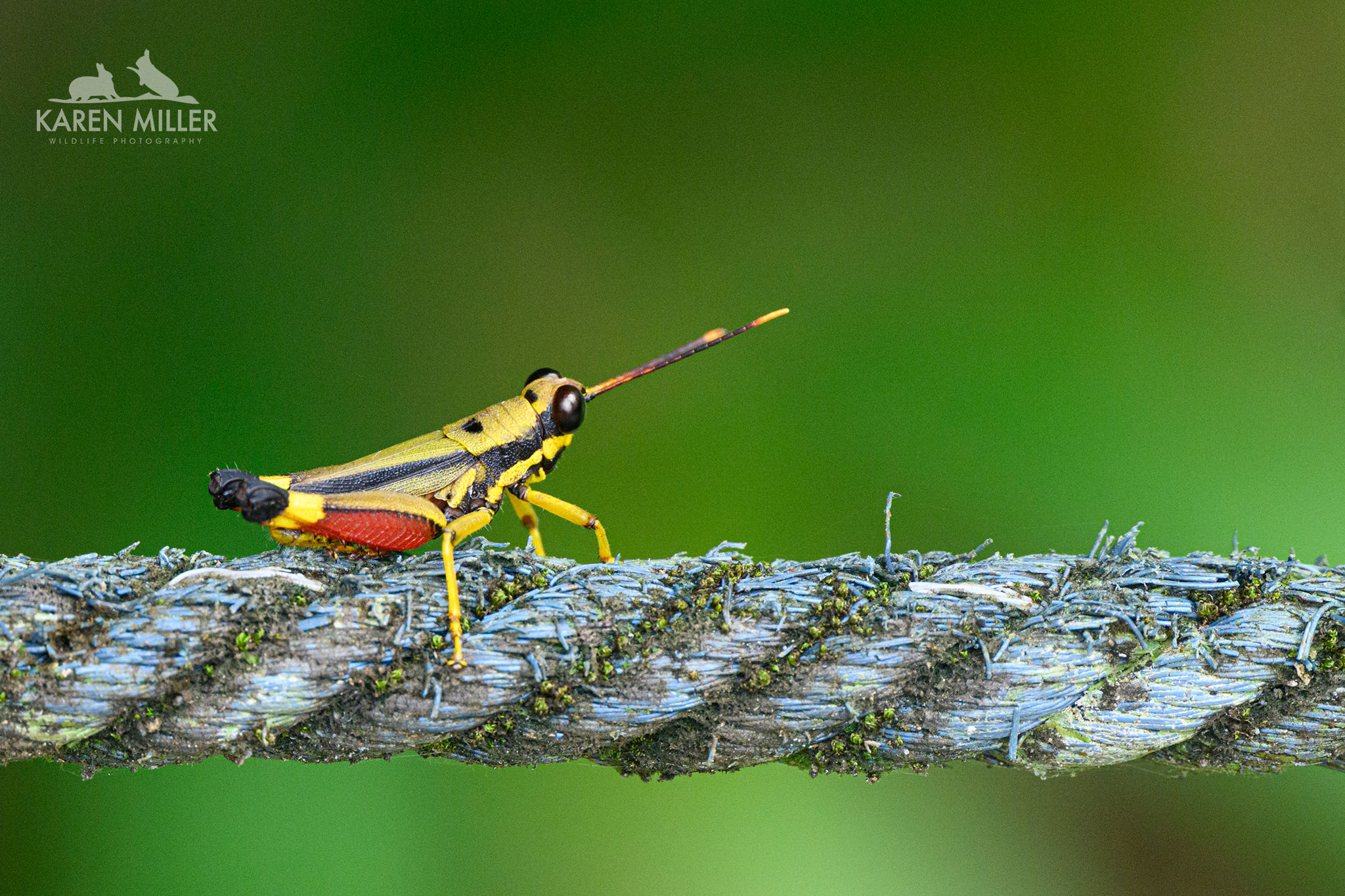
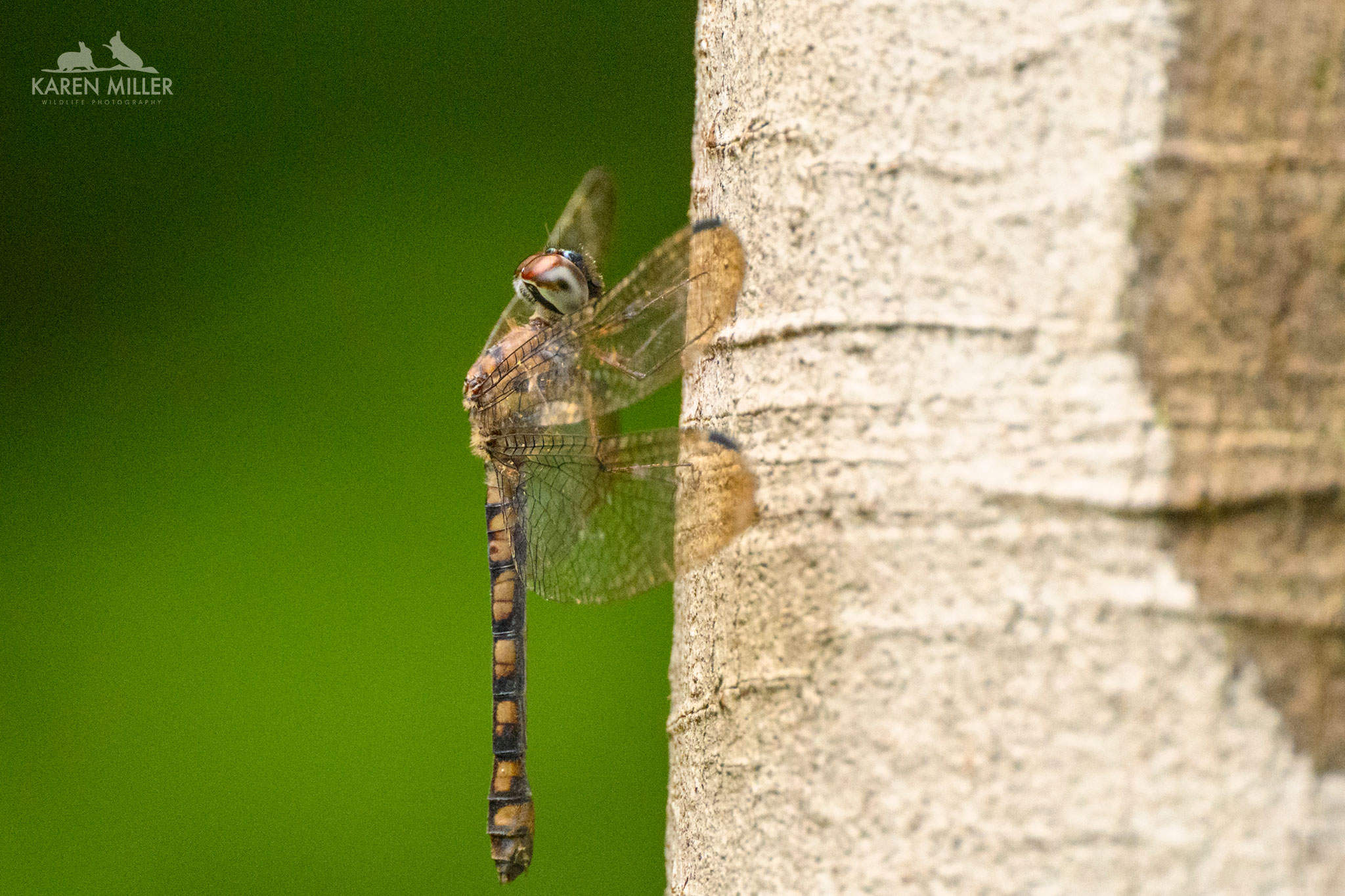
As well as a large number of sun skinks which were living up to their name and sunning themselves on the boardwalk, well camouflaged amongst the fallen leaves.
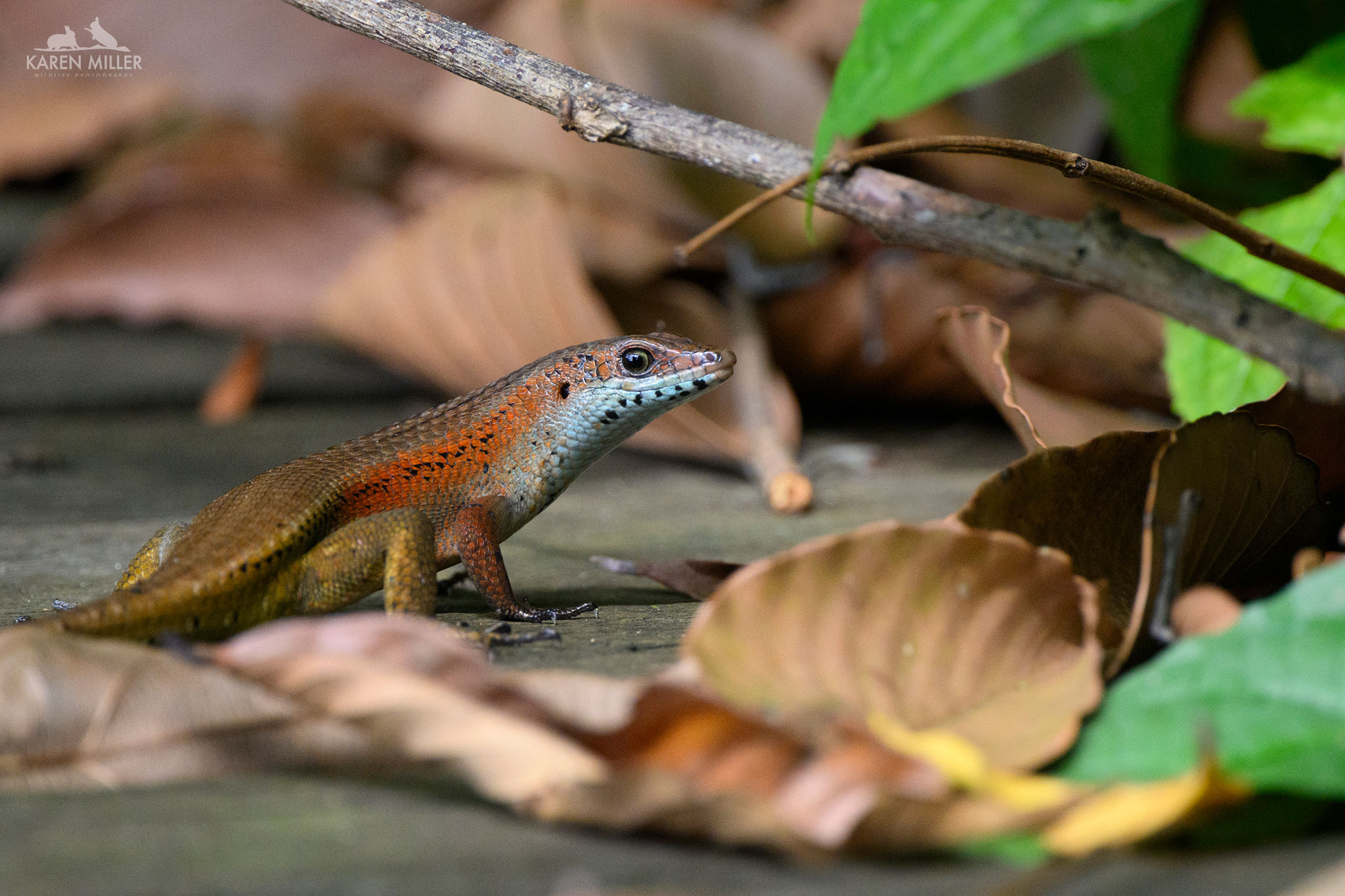
I very much enjoyed our time at Sepilok. It was a beautiful, relaxing and comfortable resort. The staff were fantastic and the food tasty. This was a good introduction to the wildlife, and although the majority of it was in rehabilitation centres/reserves it was fantastic to see up close and to support the work these places are doing to save these iconic species’. However, I was now excited about moving onto the Kinabatangan Riverside Lodge where we’d be spending our days on river cruises to search for the wildlife that lives along the banks of the river. You can read about that in this blog
Images / footage in this blog were taken using a Nikon Z8 with either Nikkor z 400mm f4.5 or the Nikkor Z 70-200mm f2.8, sometimes the Nikkor z 1.4tc was used too. All images copyright Karen Miller 2025, all rights reserved.

 Karen Miller's Wildlife photography blog
Is the plant that the White Admiral is on local? It looks suspiciously like a common UK garden bush (I can never remember its name!).
Was briefly disappointed that the rhinoceros was a bird, not the mammal!
Lovely pics – what a great, memorable experience.
LikeLike
Thanks Nigel. I have no idea what the plant was, I wasn’t really paying attention to those. I’d have loved to see a rhinoceros too, but very sadly the native rhinos are now as good as extinct. There are 2 or 3 left but none are fertile and they are kept in a large fenced off area in Tabin. Scientists are working to clone their DNA though, so maybe, sometime in the future there’ll be more.
LikeLiked by 1 person