
In an ideal world where money grows on trees I’d have a Nikon Z9 by now (or at the very least on order), but sadly it doesn’t! However, I’ve been working on a pine marten site in a local wood, plus I have badgers visiting the garden every night and I desperately needed a camera with a silent shutter. My full frame Nikon D850 has silent shutter on live view, which is what I’ve used before, but this is awkward and even with a loupe, far from ideal. Therefore I investigated the range of Nikon mirrorless cameras. The Z9 sounds amazing, but I don’t have a spare £5.5k sitting around, the Z6/7 mark II cameras don’t get the best reviews for wildlife or animal eye-tracking and therefore I felt they too were more expensive than I could afford for what they’d give me. My research finally brought me to the Z50. This is the only crop frame camera in the current collection and is described as a replacement for the D500. I wouldn’t agree with that (see below), but second hand it was a reasonable price and it did have the silent shutter I was looking for. Therefore I purchased it, plus an adapter so I could use my existing lenses, from MPB.
In my opinion Nikon is way behind the curve when it comes to mirrorless. I hear so many good things about the Canon R series, the Olympus, Panasonic, Fuji and Sony cameras, but I wasn’t willing to switch brand as, on the whole, I’m very happy with my D850 and D500 models. It sounds as though the Z9 is the first model to have cracked the eye-tracking and although this isn’t something I feel a desperate need for, if I’m going to invest a decent chunk of money in a new full frame camera I want that to be as good as the system in the other makes of camera.
My initial impression on receiving the z50 was how small it is! I don’t think it would suit people with large hands, as reaching the function buttons would be a bit fiddly – I struggle a little bit. It’s certainly not a camera I could use with full fingered gloves on. The grip is good though and wouldn’t be an issue for most users.
It is very light as a result of the size and build – only 430g! The D500 in comparison is 787g. Given that I’m having rotator cuff shoulder problems right now, this has meant I’ve used it more than I had intended to, to reduce total weight.
I haven’t purchased any Z mount lenses as I’m very happy with the lens collection I currently own. I therefore picked up the FTZ adapter to allow me to use those. I’ve had no issue with this although, oddly, the silent shutter only works at f5.6 on my Nikkor 500mm pf5.6 lens. At other apertures it makes a slight noise. This doesn’t happen with the Tamron 70-200mm f2.8 lens though. Two lenses I own don’t work with the adapter – the Tamron 150-600mm (gen 1) and my Tokina 100mm f2.8. Not really an issue as I rarely use the former and can use my other cameras with the latter.
A few negative things to note, all of which have been covered in other reviews:
- The camera only has 1 card slot and it’s for the slower UH1 cards. It can take the UH2 but doesn’t take advantage of the increased capabilities so no point purchasing one of those for it.
- It isn’t as weatherproof as many other Nikon camera bodies so care should be taken in inclement weather
- Battery life is TERRIBLE! I believe all mirrorless cameras suffer a bit from this as the electronic viewfinder and other functions use much more battery power. However it is a bit of an issue as you can’t attach a battery pack nor charge whilst in use (the battery can be charged in camera with an old style USB cable but only when the camera is turned off). Using it for 2-3 hours I’m getting through 2 batteries. They are different ones from my other cameras so I’ve had to purchase 3 now plus a usb charger that I can use with a power-pack. Filming drains the batteries exceptionally quickly. It’s a pain! I have now sourced with some difficulty a dummy battery which can be plugged into a power-pack, it’s en route from China so if it helps/works I’ll update this blog.
- It has far fewer menu options and tweaks than my DSLRs. For example on those I’ve switched off AF-S leaving only AF-C so I can’t change it accidentally. Not an option here.
- It has eye-tracking, but it’s rubbish. Not worth using. Personally this isn’t something I’m desperate for, I have a decent hit rate without it using the group focus mode on the D500/850 cameras, but if I’m going to spend a few thousand on a mirrorless camera I want it to have this for the odd occasion it might prove useful.
- It’s not brilliant at birds in flight/fast moving subjects as it takes a moment to find focus and doesn’t have a large buffer. Mind you, I’ve been spoilt by the D500 for this, it’s a fantastic camera for birds in flight.
I’ve had 2 small issues with the camera other than the noise with my 500mm lens at most apertures. One is that sometimes it loses focus and then makes a noise as it readjusts. Not a big deal but I could lose a shot plus the noise might distract my subject. Secondly the orange clasp that holds the battery in place isn’t protruding far enough to do its job. Fortunately shutting the lid allows the battery to work but it pops out as soon as I open it. I could send it back but I’ve decided to live with it for now.
On the whole I’ve been very impressed with the quality and sharpness. Images in lower light do need some noise reduction in post production, but other than that I can’t really fault it. The electronic view finder is excellent and allows me to make adjustments without having to check the images.
I primarily use manual with auto-iso set to a max of 6400. White balance is “natural light – auto”. AF-C, and spot focus. The focus modes are different from my DSLRs but there are quite a few options. There are two function buttons on the front of the camera on the right hand side. At the moment I have function 1 set to release mode and function 2 set to focus – one camera wheel selections between AF-C, AF-S etc, the other the focus mode (single point etc). It’s a bit fiddly to press them but works… just. I use the AE-L/AF-L button for back button focusing. Finally I have the screen turned off and only use the view finder in the hope this might save a bit of battery life.
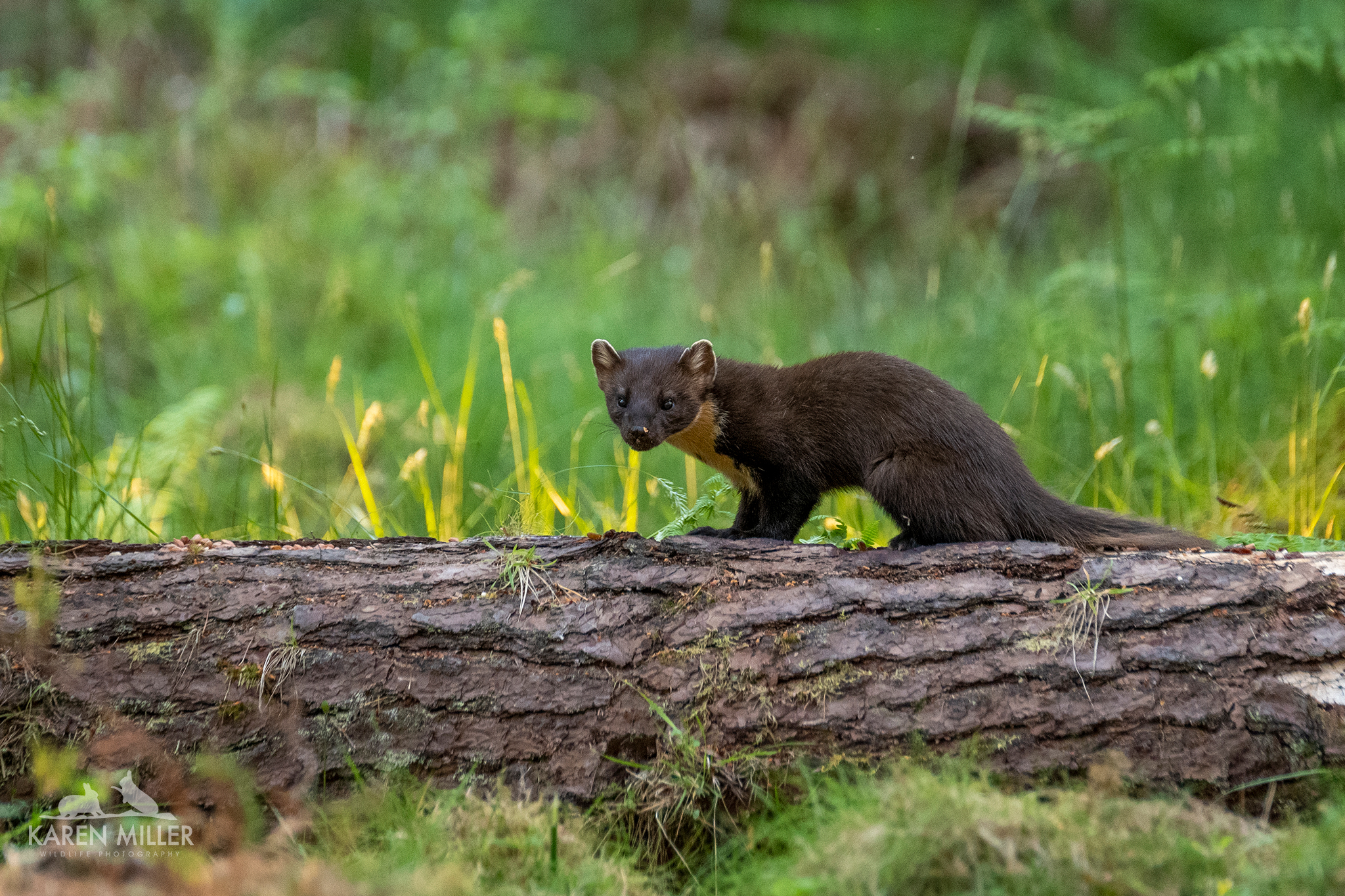
The primary reason for purchasing the camera was to photograph a pine marten I’ve been putting nuts out for in a wood. Pine martens are very aware of their surroundings and immediately notice if something is different. Add shutter noise to this then the chance of them sticking around is minimal. The silent shutter has worked a treat though. The marten is aware something is different, but can’t quite figure out what! I’ve recently discovered it’s a male pine marten and he isn’t very reliable. However he has been appearing before dark in the past week so I’ve been spending my evenings in my chair hide awaiting him. This is an image taken at 21:44 on the 22 June. It’s had a few exposure tweaks in lightroom but no noise reduction added, this is uncropped.
I’m pleased with that! Here’s the same image cropped in to the marten

Even without adding noise reduction it’s pretty good I think.
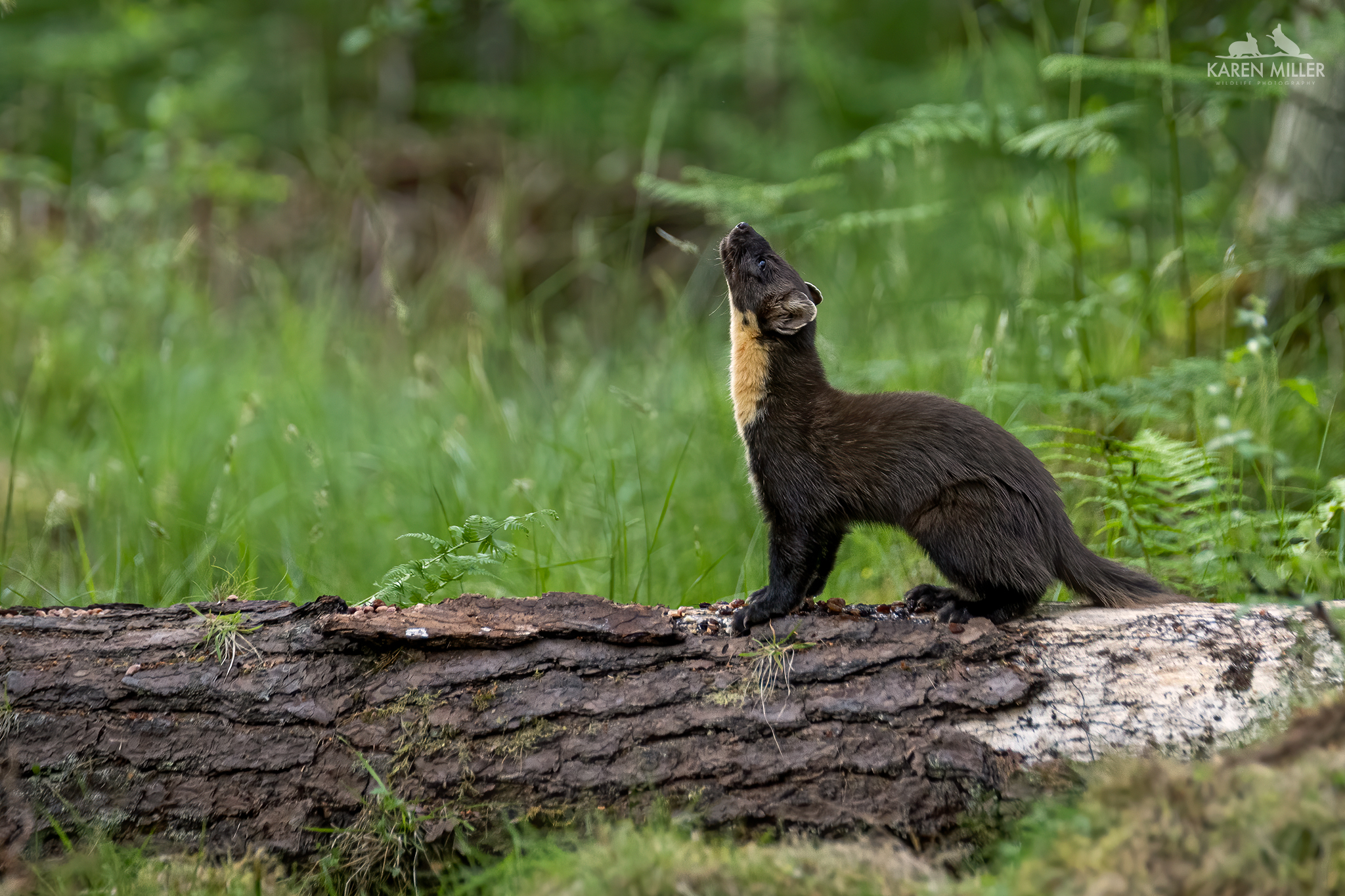
Here’s a small selection of images of the marten which have been run through Topaz Denoise (v1) All taken after 9pm over two evenings (22nd and 23rd June) using the same camera/lens and settings.



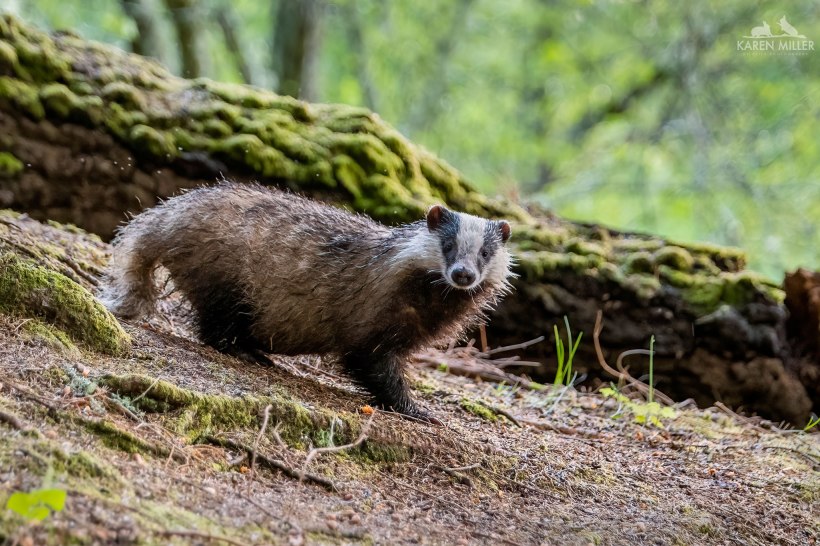
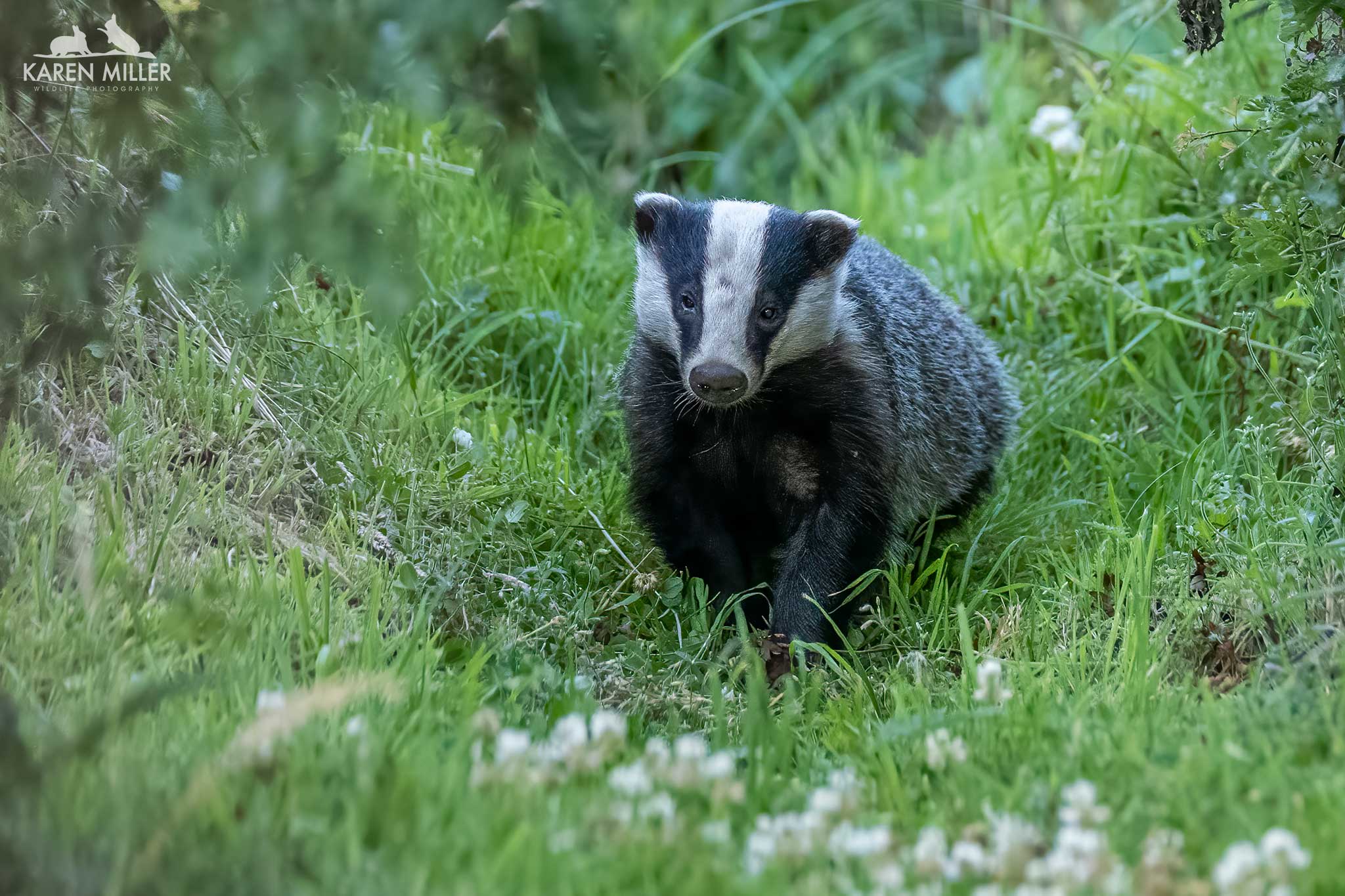
I’ve also used the camera to photograph badgers at the Speyside Wildlife badger photography hide. These were taken after 8.30pm on an overcast evening in May. This first one has no noise reduction added

These next four have had noise reduction added.

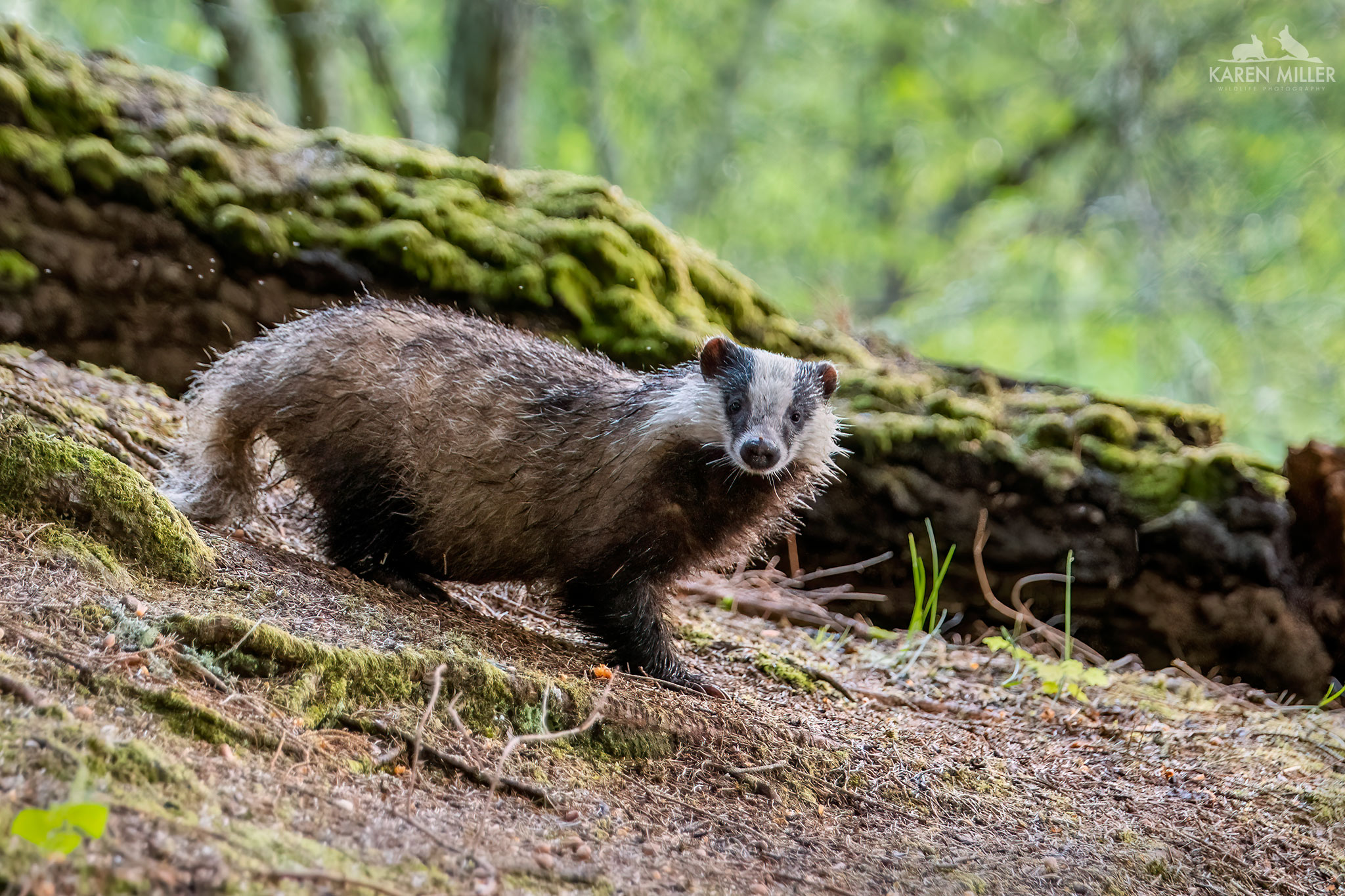


So for low light mammals it has exceeded expectation. The files may not be of the quality of a professional full frame camera such as my D850, but they aren’t far off.
I’ve also used it with the same lens on Lunga when photographing the puffins. It was a really bright and sunny day which aren’t the best conditions for puffins. In this case I chose to narrow the aperture to show something of the background.

I’ve paired the camera with my old Nikkor 300mm F4 lens too. I don’t have the pf version, nor one with VR, but I still love this lens and it works well with the Z50.
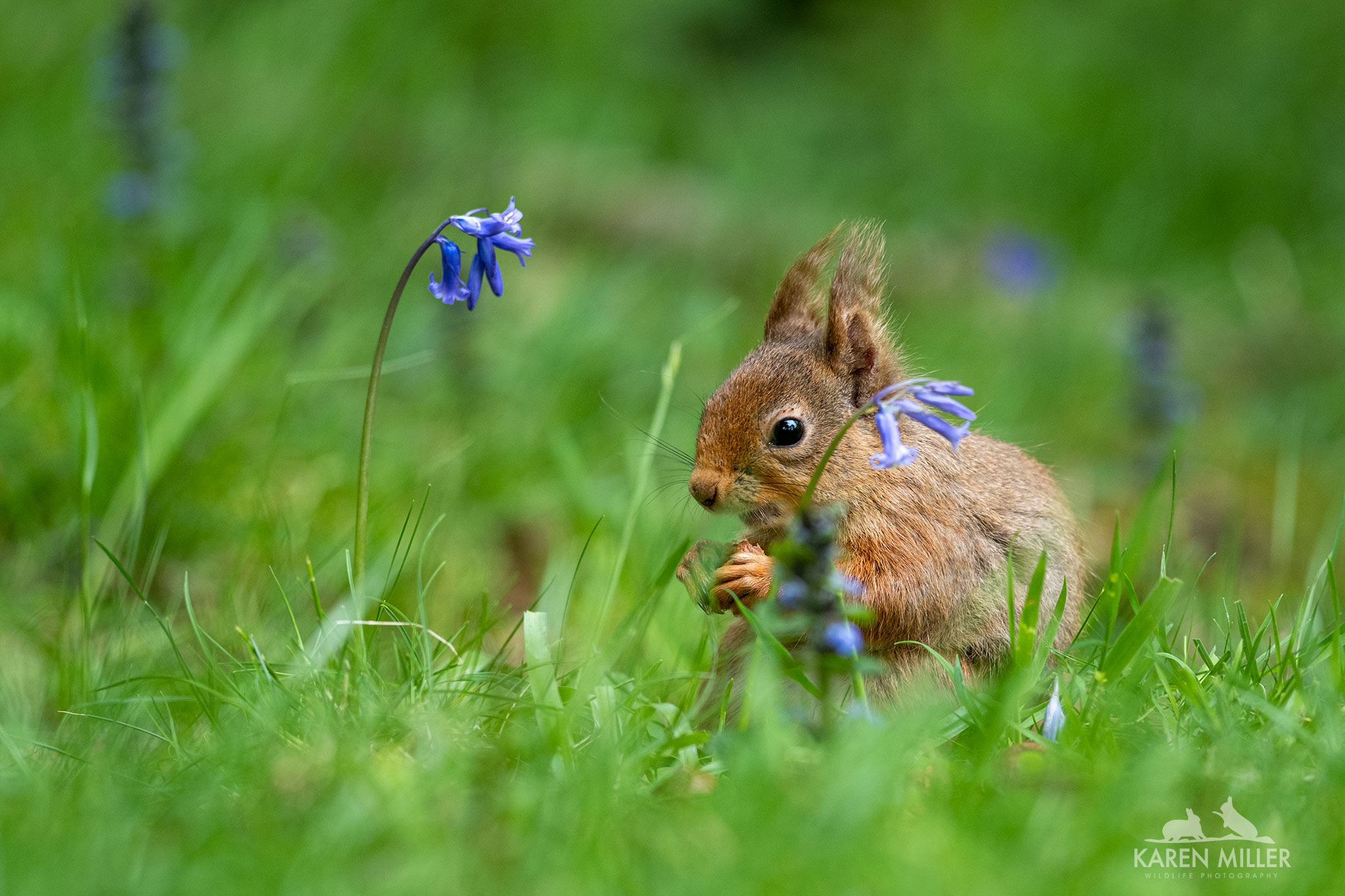


These were taken at f4 or F5, shutter speed 1/250 ISO 1250, hand-held in May.
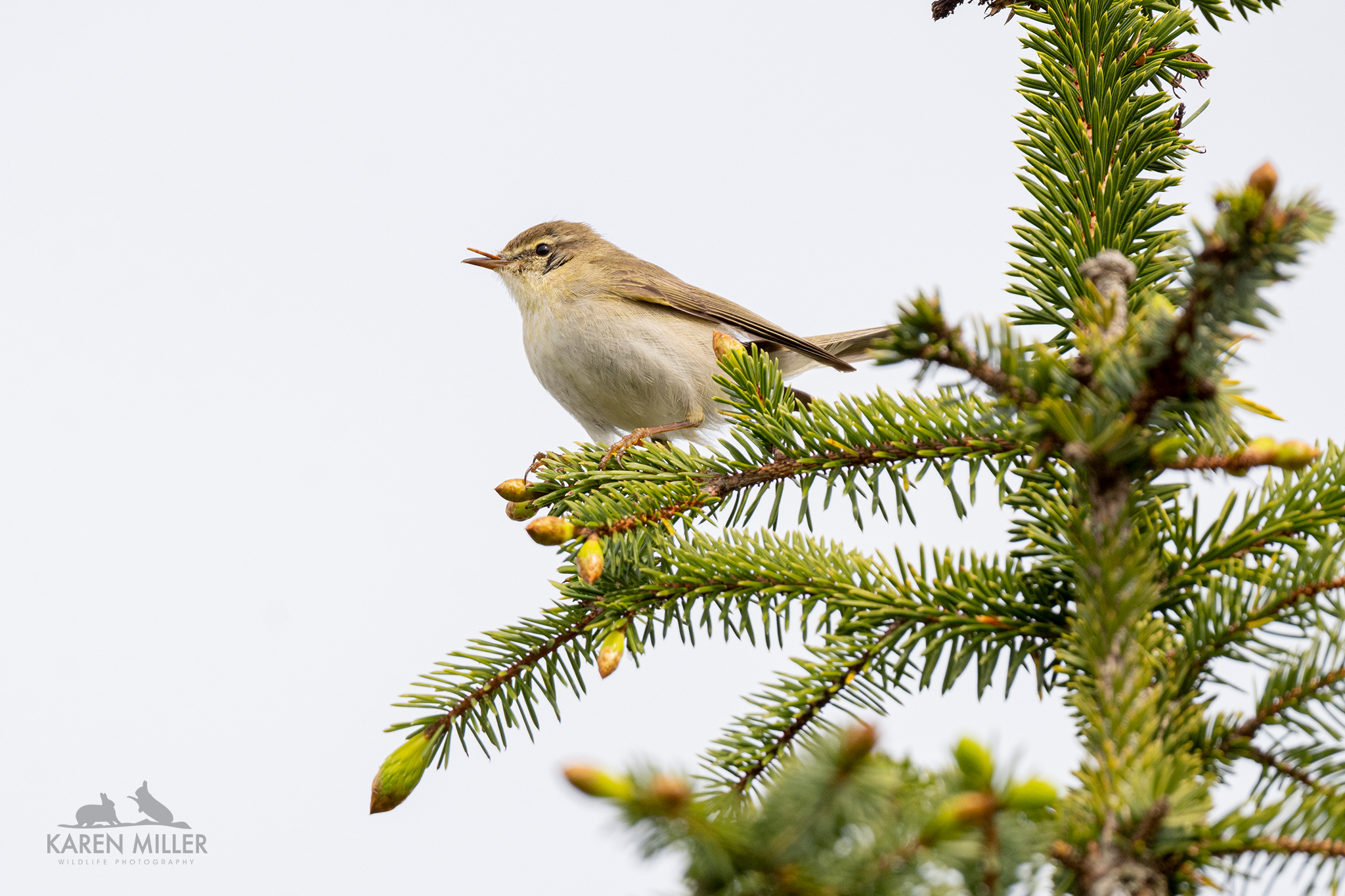
For little birds I’ve used the camera with my 500pf 5.6 lens. This combination works well too. These are all cropped as taken at a distance, hand-held.

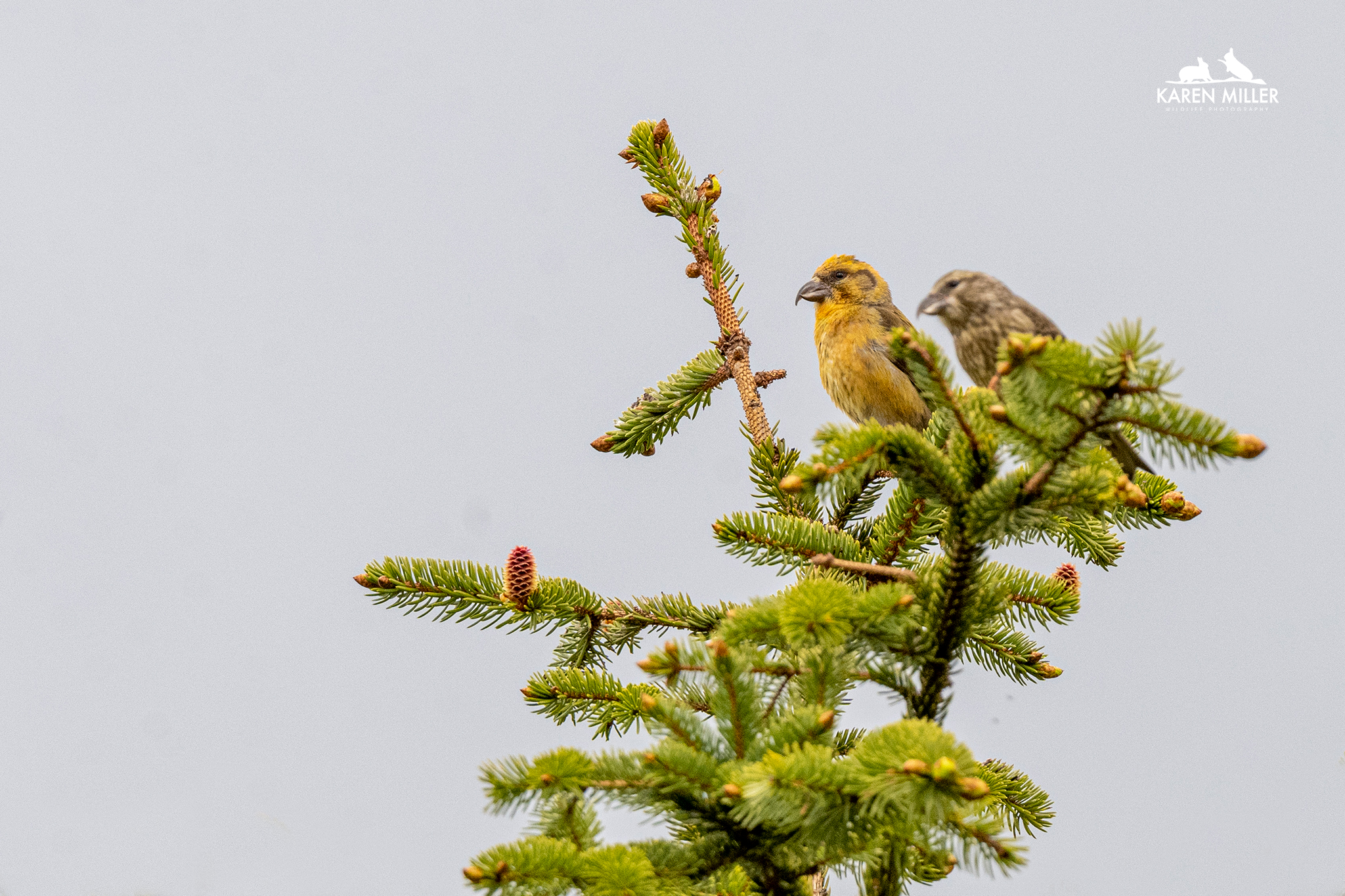

It worked well for shots of the stonechats through the gorse.

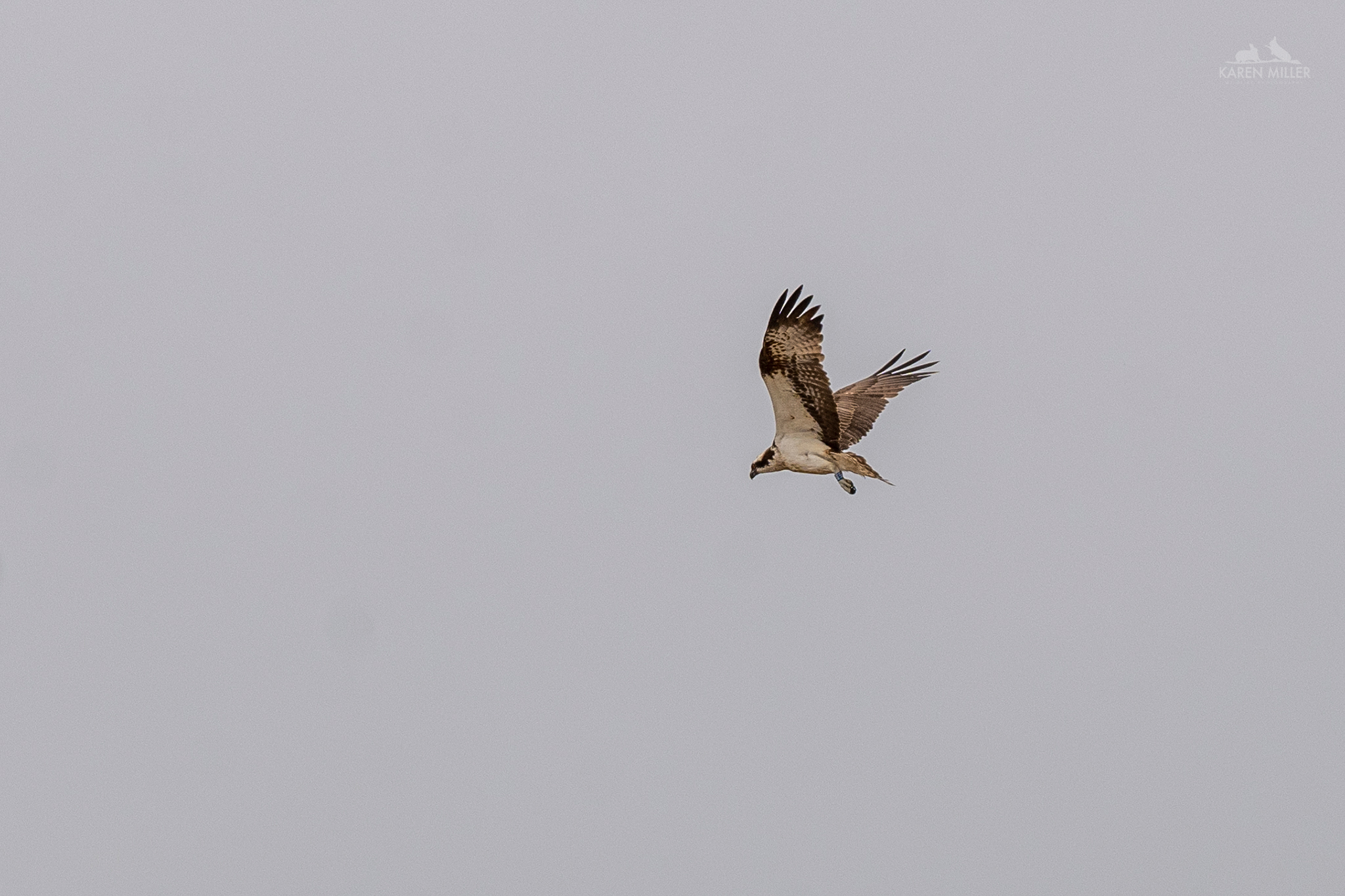
I mentioned that the Z50 wasn’t great for flight shots, but that doesn’t mean it’s impossible. Here’s an osprey I photographed a few days ago. Admittedly it wasn’t moving very fast, but this is a big crop.
Here are some eider ducks taken on the same day. The over-exposure was user error as I’d been photographing a little ringed plover on the beach!
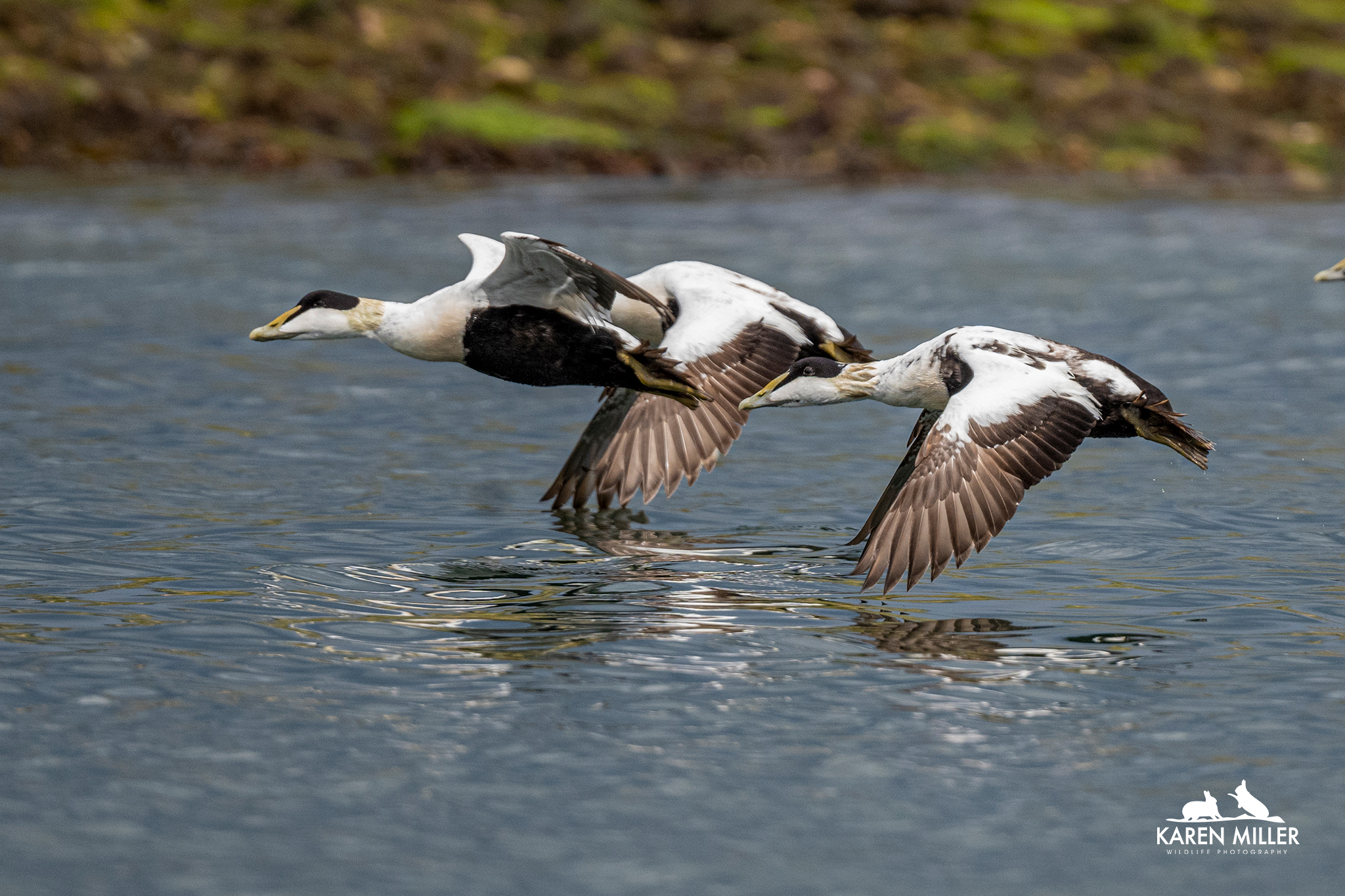
Nikon Z50, Nikkor 500mm pf5.6. Aperture f5.6, shutter speed 1/3200, ISO 1000. hand held.
The final thing I want to cover is using the camera for filming. It’s one of the things that’s touted as being really good. Straight off I love being able to film using the view finder rather than the back screen. It makes such a difference. It’s possible to film hand-held as a result although with a long lens it’ll still be a tad wobbly. The only big issue is the battery life as noted above. It lasts for no time at all, so if you intend to do a lot of filming in one session have a few spare batteries and a charger with you. I tend to film using manual focus and the camera has zebras to show (approximately) what is in focus which really helps. I’ve found it very easy to use and the footage is excellent quality. This is a video I shot last week at my squirrel site using the Tamron 70-200mm lens and a monopod. I did no grading and it’s pretty good as is. (put the sound up to watch this as you’ll hear the bird song).
And here’s another from last night of Henry the badger. Same lens, on a tripod this time. Almost 10pm and a high iso.
So, would I recommend this camera? The answer is a qualified yes. Personally I wouldn’t be happy with the Z50 as my only camera body. I’m spoilt by also having the D850 and D500 both of which are excellent. However, if you’re a Nikon user (and don’t have large hands) and want to dip your toe into the world of mirrorless, then yes, I would definitely recommend. It’s an entry level camera for functionality and features, but the quality, weight and ease of use are excellent. Battery life could be much better but I think that’s an issue with all mirrorless cameras. I’m very happy to own it and and it has certainly served its purpose of allowing me to photograph noise-sensitive animals and I’ve found myself using it far more than I had expected to. 2nd hand it costs less than £600 (I purchased via MPB.com).
UPDATE AUGUST 2022
After a lot of online searching I finally found a dummy battery on AliExpress. It took a while to arrive and my existing battery packs weren’t new and/or powerful enough for it, but I bought a new one of those too, and now I can use the camera for considerably longer, especially when staying in one spot. It makes filming possible too without batteries dying super-fast.
I’ve been using this to photograph the garden badgers (Z50 + Tamron 70-200mm f2.8) from my garden hide.
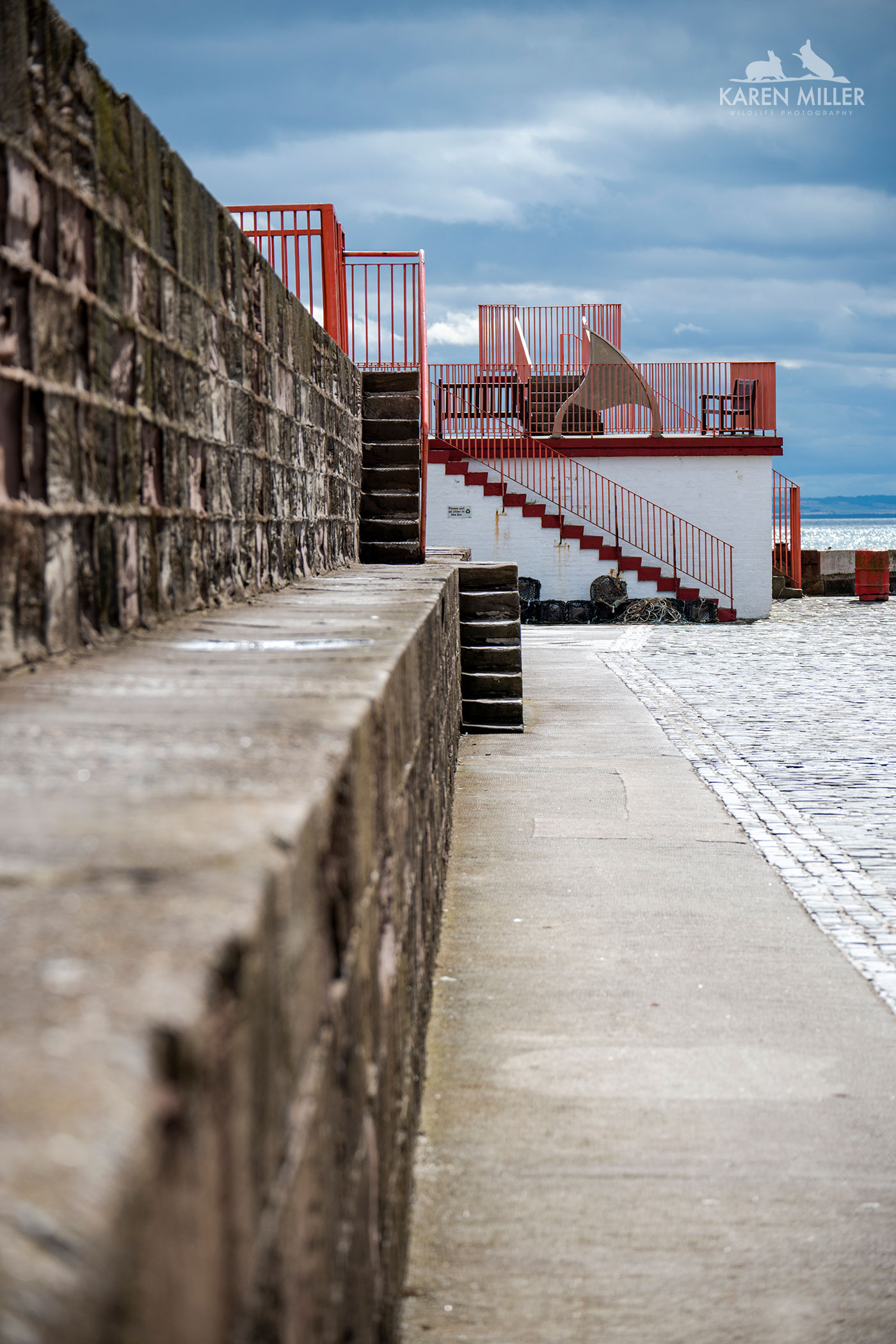
I also decided to purchase the Z mount Nikkor 50-250mm lens. It feels very cheap but it’s incredibly light and the picture quality is hard to fault. It’ll make a great recce combo when I don’t want to carry heavy equipment with me. Here’s a photograph taken in Arbroath with the Z50 and this lens.

 Karen Miller's Wildlife photography blog
Dear Karen,
Thanks for this wonderful article. I am in more or less the position: is the Z50 usable for outdoor photography ‘on a budget’. I’ll go for it and give it a try!
LikeLike
I enjoyed reading this is as to I have the Z50 camera. I am going to Scotland to in April and hope to capture a pine Martin. So your blog does help.
LikeLike
Thanks Terry! Best of luck.
LikeLike
Hello.
Just came across your website about the nikon z50. I agree with you 100% about your article. I have a D850 and a z50. Nikon 200-500mm f5.6. Birds perching on branches and sea bellied sea eagles are doable on a z50. Small, fast and erratic birds are harder. Almost impossible. For me. Shooting spotted owls (perch on the tree) at low light is surprisingly good! Better than my D850. My current project is to use the kit lens 16-50 for landscape. With light room, the results are beautiful. Of course there is a difference between taking landscapes with a D850 and a Z50. The reviewers from photography life and nikon’s Thom Hogan were spot on when they say the kit lens is superb. My favourite is putting on nikon’s manual lens on the z50. Manual on a mirrorless, like you have shown in your article, is such a pleasure for me. The photographs have a nice texture to them. Like film photos. Thank you for the article on the nikon z50. I enjoy reading it so much.
LikeLike
Thanks! It is a remarkably good little camera as a 2nd (or third as I still use both my d850 and D500). I’m not using it so much over the winter as it’s not as robust as my others but I do some filming and it’s brilliant for that (with the dummy battery / powerbank).
LikeLike
May I ask, what is a dummy battery?
I have a d7500 which has served me well for capturing running and playing dogs and horses, and the occasional fox and squirrel. I use my Nikkor 70-200 f2.8 that I bought originally with my d200. As I age, I’m plagued with muscle cramps in my hands and neck. I can handle the d7500, but I’d like to try the z50 as a lighter second camera. I love the feel of it. And I would like to try mirrorless.
Any hints as to how to adjust to this little camera would be much appreciated.
LikeLike
Hi Janet. The Z50 is, as I say in my review a fab little camera and very light, especially if paired with the Z DX 50-250mm lens. I still use mine a lot over the summer months for mammals. You’d set it up the same as any other Nikon camera. The eye tracking isn’t great so I tend to use spot focus. One thing I would say though is that it does not focus fast. I find it works brilliantly on static/mostly static subjects but not so great if you have to find focus quickly – ie, if a bird lands on a branch, by the time the camera focusses I find the bird has often gone! I don’t use it for birds in flight either, preferring my D500 or D850 for those shots. I do use for red squirrels, pine martens, badgers etc, often in low light. It will work with your 70-200mm f2.8 with the FTZ adapter, or you could purchase the new Z mount 70-180 f2.8 lens which is apparently small and light (I’m going to be buying that myself). The electronic view finder is brilliant. A dummy battery is a plastic battery that plugs into a power source (ie battery pack or power point). This lasts considerably longer than the actual batteries. They aren’t easy to source for the Z50 though. The only one I can see now is on ebay: https://www.ebay.co.uk/itm/204062293368 – I can’t vouch for it though as mine came from elsewhere. Hope this helps. Any questions do ask.
LikeLike
Hi Karen
interesting article and lovely shots! I’ve just given up my D7500 and Sigma 150-600 because of weight and difficulty handholding (I’m getting older, apparently) and the Sigma had been razor sharp but came back from having the AF fixed not so sharp. So I went back to the Z50. Using it with either the AF-P 70-300 and FTZ, 300PF f4 plus TC1.4 or the Sigma 105mm macro. All yield super results and so easy to carry. Disappointing with the Tamron 100-400 +FTZ which is rather soft at the long end. I’ve tried faster shutter speeds, monopod, just the same. Not sure if it’s a bad version or what. Thinking Tamron 50-400 which seems to score very highly on sharpness.
I shoot mainly ducks, pigeons, herons, squirrels, rabbits. Rarely bother with birds in flight (how many shots of tail feathers do I need), single point focus, back button, floating ISO. Just need to sort out a longer lens within my meagre budget! Love the Z50.
LikeLike
Hi Adam, yes it’s a lovely little camera although I do confess that since purchasing the z8 I haven’t used it much at all. But I will be keeping it, great for days out when I don’t want a heavy system. Tamron lenses do seem to be a bit hit or miss. I’ve been lucky I think with the couple I’ve had (the original 150-600mm and a 70-200mm f2.8). I also use the Nikon branded but Tamron built Z 70-180 f2.8 which is so much lighter (and cheaper) than the 70-200mm alternative and quality is pretty good too, I’ve used a lot for pine martens this summer, only downside is that it doesn’t have a lens foot which means it’s a little awkward to use with a tripod in my chair hide as it’s not long enough, but I get by! The Nikon z100-400mm is great, but not cheap but bought 2nd hand or grey import would be more budget friendly. I’ve not come across the Tamron 50-400mm.
LikeLike
Hello Karen,
…thanks for your review!!
greetings,
Nico.
LikeLike